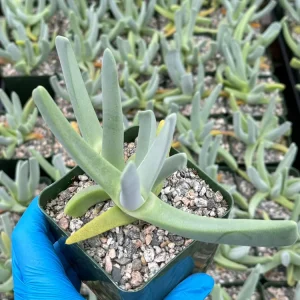
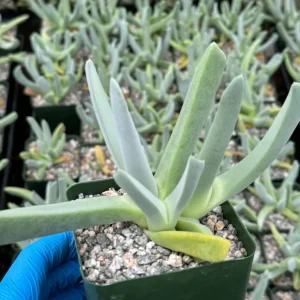
Lobster Claw Succulent Live Plant – Cheiridopsis candidissima in 4 inch pot
-29%
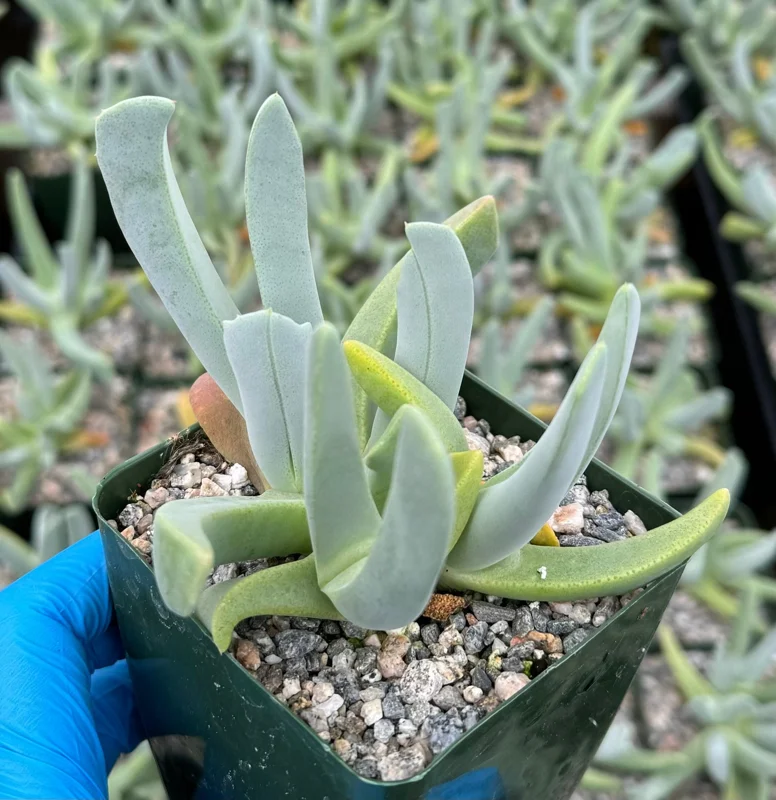
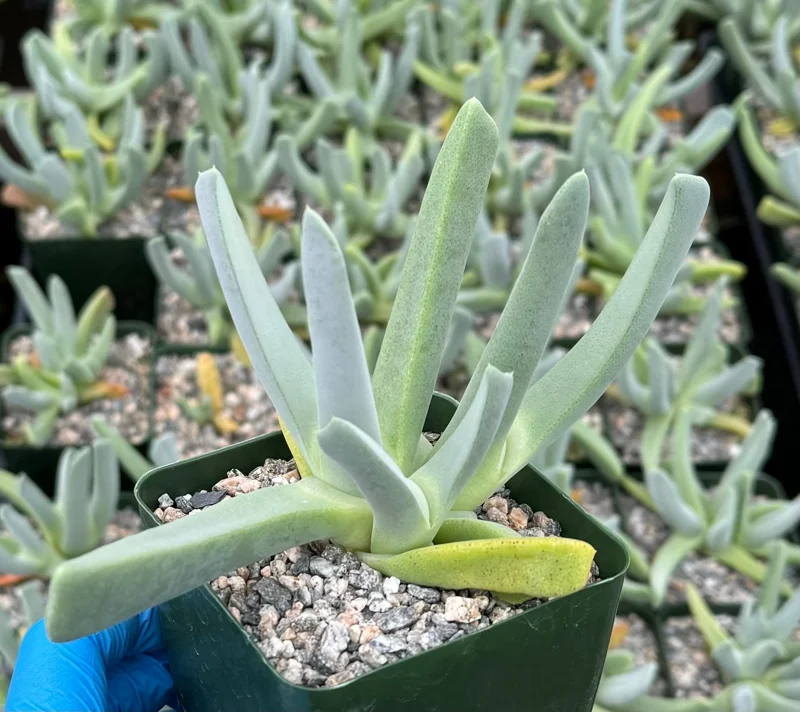
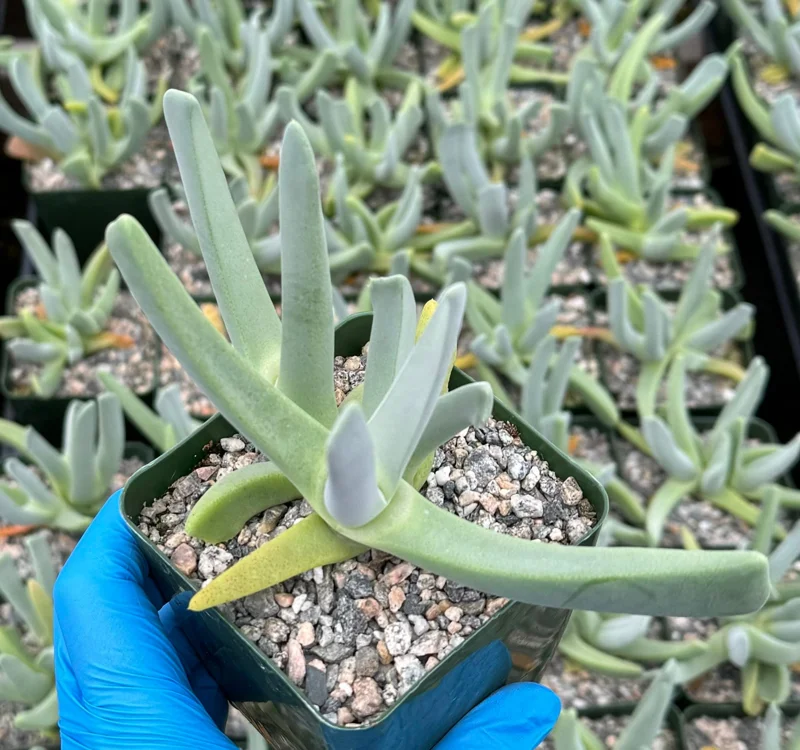
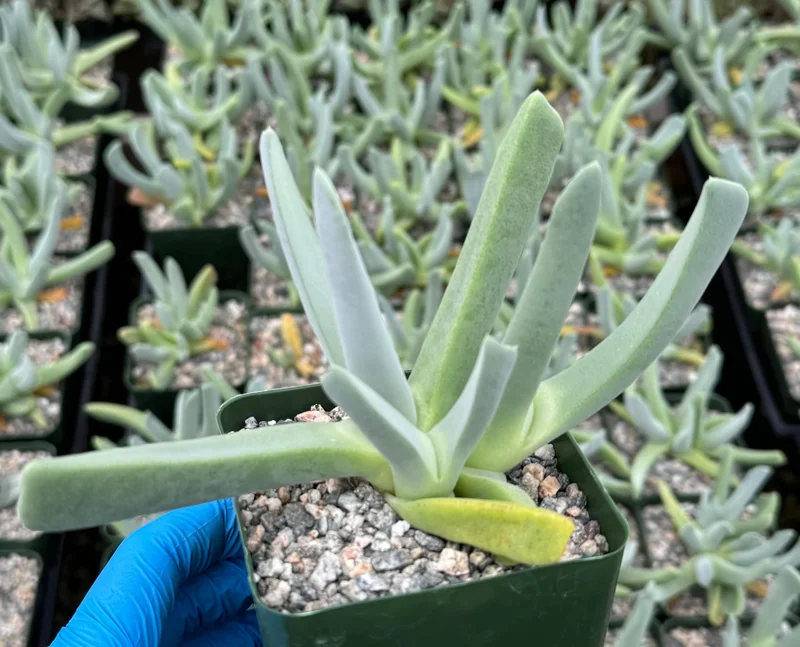
Lobster Claw Succulent Live Plant – Cheiridopsis candidissima in 4 inch pot
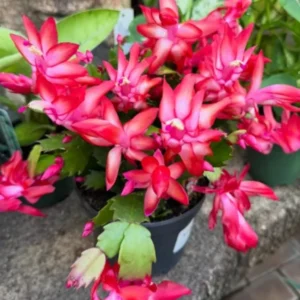
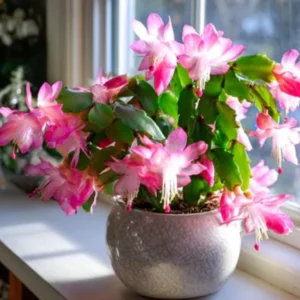
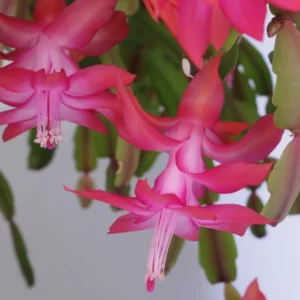
Bring home the captivating Lobster Claw Succulent live plant (Cheiridopsis candidissima), a truly unique addition to any collection. Known for its distinctive, claw-shaped foliage and easy care, this drought tolerant succulents thrives in bright, indirect light. Perfect for beginners and experienced growers alike, it comes ready to display in a succulent in 4 inch pot.
Original price was: $27.98.$19.99Current price is: $19.99.

With our Alive & Thrive Guarantee, we’ve got your back for the first 30 days! If you have any concerns about your plants, just reach out to us. Our team is here to help answer your questions and guide you in selecting the best plants for your garden, climate, and unique preferences. We're excited to help you create the garden of your dreams!
Estimated arrival
Apr 12
Apr 17 - Apr 19
Apr 22 - Apr 26
Product Details
-
USDA Hardiness Zone
USDA zones 9-11 (or indoor) -
Soil type
Well-draining succulent or cactus mix -
Sunlight Exposure
Bright indirect light -
Expected Planting Period
Year-round indoors
Overview
Introduce an extraordinary botanical specimen to your home with the Lobster Claw Succulent live plant, scientifically known as Cheiridopsis candidissima. This fascinating succulent is celebrated for its highly unusual and captivating appearance, making it a standout in any plant collection. Native to the arid landscapes of South Africa, the Lobster Claw Succulent live plant has evolved distinctive features that allow it to thrive in challenging conditions, offering both beauty and resilience. Its common name perfectly describes its unique foliage, which closely resembles the intricate claws of a lobster or crab, providing an immediate conversation starter. This variety is not just a plant; it’s a living sculpture, bringing a touch of the exotic and architectural to your indoor garden. Arriving as a healthy live plant, it’s an ideal choice for those seeking something truly special and low-maintenance.
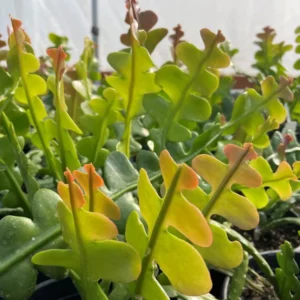
The Cheiridopsis candidissima is renowned for its thick, fleshy leaves that are typically a vibrant green or bluish-green, often adorned with a powdery or waxy coating that gives them a frosted, ethereal look. This coating, called farina, serves to protect the plant from intense sun and conserve moisture. Beyond its striking foliage, this succulent also produces delicate, daisy-like flowers. These vibrant blooms, typically in shades of yellow or orange, emerge in clusters, adding another layer of ornamental value to the plant. The combination of its distinctive leaves and cheerful flowers ensures that the Lobster Claw Succulent live plant remains an engaging and rewarding plant to cultivate. It’s a perfect choice for succulent enthusiasts and anyone looking to add a unique, easy-to-care-for plant to their home or office.
Key Benefits
The Lobster Claw Succulent live plant offers a multitude of benefits, making it an excellent choice for both novice and experienced plant parents. Its unique aesthetic and straightforward care requirements contribute to its widespread appeal, providing enjoyment and beauty with minimal effort.
- Unmatched Aesthetic Appeal: The primary draw of the Lobster Claw Succulent live plant is its incredibly distinctive foliage. The leaves, shaped like lobster claws with curved tips and serrated edges, create a captivating visual interest that is unlike any other succulent. This makes it a perfect focal point or an intriguing addition to a diverse succulent arrangement.
- Low Maintenance & Easy Care: As a drought tolerant succulents, the Cheiridopsis candidissima is incredibly forgiving and requires minimal attention. It thrives on neglect, making it an ideal plant for busy individuals or those new to gardening. Its simple care routine allows you to enjoy its beauty without constant fuss.
- Drought Tolerance: Hailing from arid regions, this succulent is naturally adapted to dry conditions. It stores water in its fleshy leaves, meaning it can go for extended periods without watering, reducing the risk of overwatering, which is a common pitfall for many plant owners.
- Compact Size for Versatility: Typically remaining small and compact, the Lobster Claw Succulent live plant is perfectly suited for windowsills, desks, terrariums, or small apartment spaces. Its manageable size allows it to fit into various decorative schemes without overwhelming the space.
- Unique Flowering Habit: In addition to its remarkable foliage, Cheiridopsis candidissima produces cheerful, daisy-like flowers in warm hues of yellow or orange. These blooms add an unexpected burst of color and further enhance the plant’s ornamental value, appearing in clusters during its blooming season.
- Air Purification: Like many succulents, the Lobster Claw Succulent live plant contributes to a healthier indoor environment by absorbing toxins and releasing oxygen, particularly at night. While not as potent as some larger houseplants, it still plays a role in improving air quality.
- Collector’s Item: Due to its unusual form, the Cheiridopsis candidissima is highly sought after by succulent collectors and enthusiasts looking for rare and unique specimens to expand their collections.
Plant Care & Growing Tips
Caring for your Lobster Claw Succulent live plant is remarkably straightforward, requiring attention to a few key factors to ensure its health and vibrant growth. The plant’s natural habitat in South Africa provides clues to its preferred conditions. It thrives in environments that mimic its native arid climate, emphasizing bright light and minimal watering. Understanding these basic needs will lead to a thriving and beautiful specimen in your home. This Cheiridopsis candidissima care guide will help you maintain the plant’s unique charm.
For sunlight, the Lobster Claw Succulent live plant requires bright, indirect light for at least 6 hours a day. While it appreciates ample light, direct, harsh afternoon sun, especially in hot climates, can scorch its delicate leaves. An east-facing window is often ideal, providing gentle morning sun, or a south/west-facing window with some sheer curtain filtration. If growing outdoors, choose a location with morning sun and afternoon shade. When it comes to watering, less is definitely more. This is a drought tolerant succulents that stores water in its leaves. Allow the soil to dry out completely between waterings. A good rule of thumb is to water thoroughly until water drains from the bottom, then wait several weeks before watering again. During the winter months, when the plant’s growth slows, reduce watering significantly, perhaps to once a month or even less, to prevent root rot. The soil type is crucial; a well-draining succulent or cactus mix is essential. Avoid heavy, moisture-retentive potting soils. Good drainage prevents water from sitting around the roots, which is detrimental to succulents. You can enhance drainage by adding perlite or coarse sand to a standard potting mix. The ideal temperature range for Cheiridopsis candidissima is between 65-80°F (18-27°C). It can tolerate slightly cooler temperatures but should be protected from frost, as it is not cold-hardy. USDA zones 9-11 are generally suitable for outdoor cultivation in frost-free areas. Fertilization is rarely needed for this hardy succulent. If you choose to fertilize, do so sparingly during the active growing season (spring and summer) with a diluted, balanced succulent fertilizer, no more than once a month. Common problems usually stem from overwatering, leading to soft, mushy leaves or root rot. If you notice this, reduce watering immediately and ensure the plant has proper drainage. Pests are uncommon but keep an eye out for mealybugs, which can be treated with rubbing alcohol on a cotton swab.
Size & Details
The Lobster Claw Succulent live plant, Cheiridopsis candidissima, is typically a slow-growing, compact succulent, making it an excellent choice for small spaces or as part of a succulent arrangement. It usually reaches a mature height of approximately 2-4 inches (5-10 cm) and spreads about 4-6 inches (10-15 cm) wide, forming attractive clumps over time. This particular offering provides a healthy specimen in a succulent in 4 inch pot, ensuring it arrives established and ready to thrive in its new environment. The plant is shipped rooted in its nursery pot with soil, minimizing transplant shock upon arrival. Its growth rate is moderate, gradually expanding its unique foliage. While it doesn’t have a specific ‘time to maturity’ in the traditional sense, it will continue to develop and produce its charming flowers once it’s well-established and receiving proper care.
The 4-inch pot size is ideal for initial growth and provides enough space for the roots to establish before requiring a larger container. When choosing a new pot, opt for one that is only slightly larger than the current pot, and always ensure it has drainage holes. The distinctive foliage, with its frosted appearance, adds texture and visual interest throughout the year. The small, daisy-like flowers, typically yellow or orange, usually appear in late winter to early spring, adding a splash of vibrant color. This compact size makes it a perfect desk companion, windowsill accent, or a delightful addition to a mixed succulent bowl, offering impressive visual impact despite its modest dimensions.
Frequently Asked Questions
- Q: How big does this plant get? A: The Lobster Claw Succulent live plant typically remains quite compact, reaching an average height of 2-4 inches (5-10 cm) and spreading to about 4-6 inches (10-15 cm) wide. Its small size makes it ideal for indoor spaces and succulent arrangements.
- Q: What size pot does it come in? A: This particular Lobster Claw Succulent live plant is supplied in a succulent in 4 inch pot. This size is perfect for its initial growth and provides a stable environment for its roots.
- Q: Is this an indoor or outdoor plant? A: While it can thrive outdoors in warm, frost-free climates (USDA Zones 9-11), the Lobster Claw Succulent live plant is most commonly grown as an indoor houseplant in most regions. It requires protection from cold temperatures.
- Q: How much sunlight does it need? A: Cheiridopsis candidissima prefers bright, indirect sunlight for at least 6 hours per day. Avoid intense, direct afternoon sun, which can scorch its leaves. A bright window with filtered light is usually ideal.
- Q: Is this plant easy to care for? A: Yes, the Lobster Claw Succulent live plant is considered very easy to care for, making it an excellent choice for beginners. Its drought-tolerant nature and minimal needs contribute to its low-maintenance reputation.
- Q: What condition will it arrive in? A: Your Lobster Claw Succulent live plant will arrive healthy and established, rooted in its 4-inch nursery pot with appropriate soil. We take great care in packaging to ensure it reaches you in excellent condition.
- Q: Is it shipped in soil? A: Yes, the plant is shipped securely in its 4-inch nursery pot with its soil intact. This helps minimize stress during transit and allows for an easier transition to your home.
- Q: How long until it blooms? A: Once established and given proper care, the Lobster Claw Succulent live plant typically blooms in late winter to early spring, producing small, daisy-like yellow or orange flowers. The exact timing can vary based on environmental conditions.
- Q: Will it survive winter in my zone? A: If you are in USDA Zones 9-11, it may survive mild winters outdoors. In colder zones, it must be brought indoors before temperatures drop below freezing, as it is not frost-hardy.
- Q: What type of soil does it need? A: This drought tolerant succulents requires a well-draining soil mix, such as a specialized cactus or succulent potting mix. Adding perlite or coarse sand can further improve drainage.
Related products
-30%
Original price was: $79.98.$55.98Current price is: $55.98.
-97%
Original price was: $316.80.$9.92Current price is: $9.92.
-40%

Original price was: $19.60.$11.76Current price is: $11.76.
PLANTING & CARE

Growing Glencoe Raspberry: A Complete Guide for Gardeners
If you’re looking to add something unique to your garden, look no further than the
31
Mar
Mar

The Comprehensive Guide to Growing Bay Leaf Plants for a Flavorful Garden
Imagine stepping into your garden, greeted by the earthy aroma of fresh bay leaves, their
09
Feb
Feb

How to Make Comfrey Tea: The Ultimate Organic Plant Food
Growing an organic garden can be surprisingly expensive, especially when most store-bought fertilizers come in
02
Feb
Feb

True Comfrey: 7 Essential Tips Before You Plant This Herb
A staple in permaculture practices across the US, True Comfrey easily earns its reputation as
27
Jan
Jan

7 Heart-Shaped Plants for a Lasting Valentine’s Gift
If you’ve ever bought a bouquet of roses for Valentine’s Day, you know they are
26
Jan
Jan

Best Types of Ivy Plant for Houses: How to Choose the Perfect Ones for Your Home
Are you a garden lover looking to introduce some greenery into your home? Maybe you’ve
14
Nov
Nov

When to Harvest Garlic (Especially Fall-Planted Garlic)
TIMING IS EVERYTHING, they say – and for garlic, that truth hits with surprising accuracy.
13
Nov
Nov

11 of the Best Sweet Potato Varieties to Grow for Your Garden
If you’ve ever tried growing sweet potatoes, you know that picking the right variety can
12
Nov
Nov