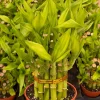
Lucky Bamboo Live Plant – Dracaena Sanderiana – 4 inch Pot – Indoor Houseplant
-30%
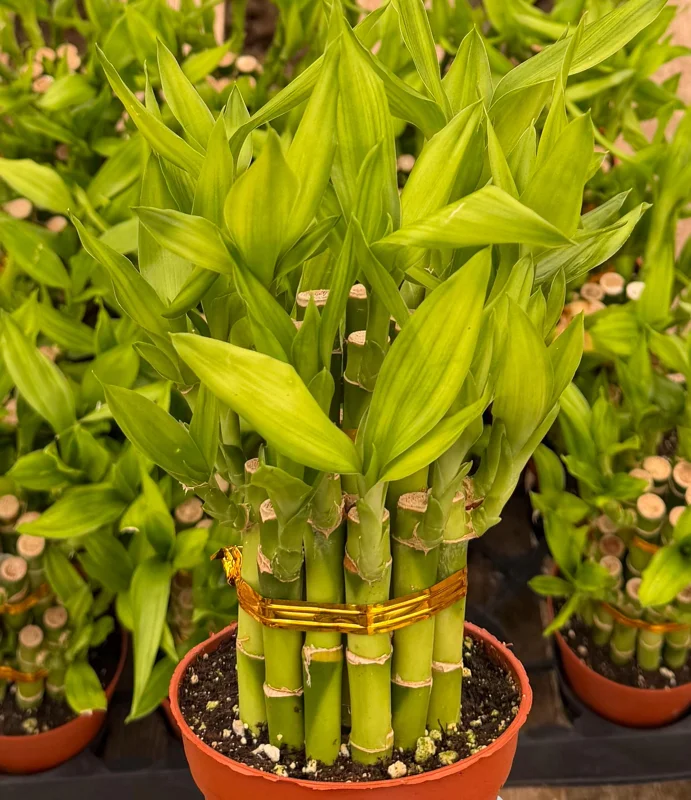
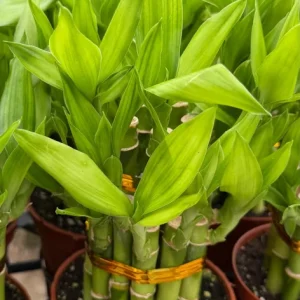
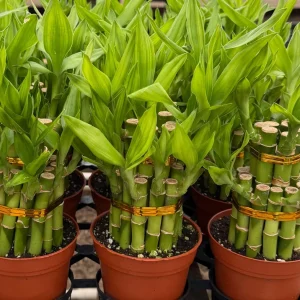
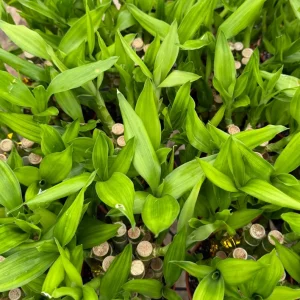
Lucky Bamboo Live Plant – Dracaena Sanderiana – 4 inch Pot – Indoor Houseplant
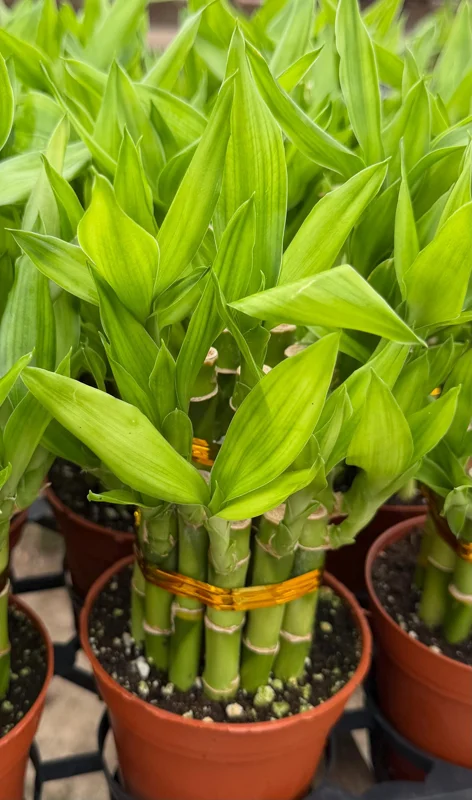
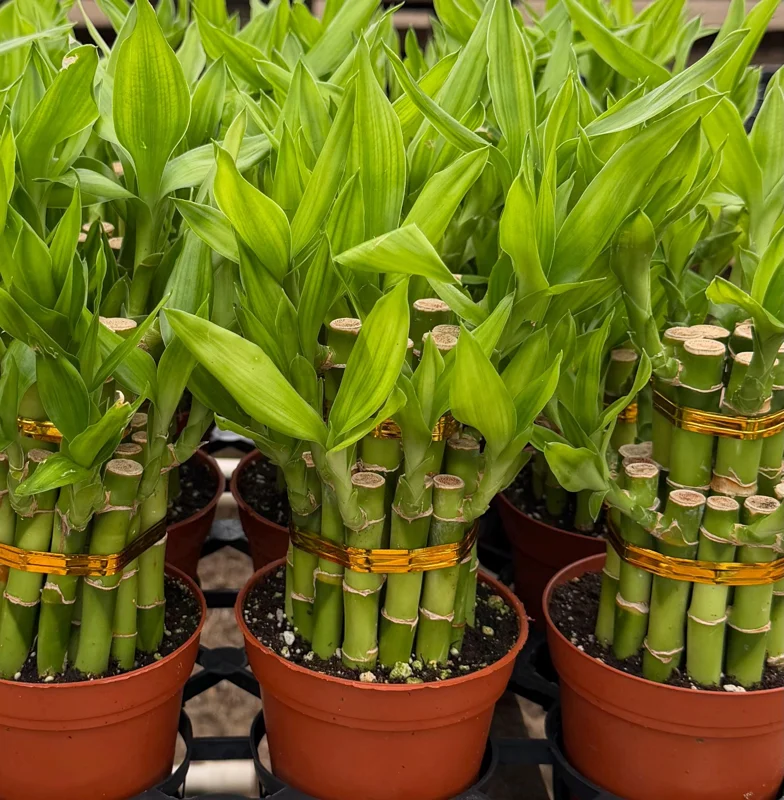
Bring good fortune and elegance into your space with this beautiful lucky bamboo plant. The Dracaena Sanderiana in a 4 inch pot is a low-maintenance, decorative houseplant, perfect for offices or homes. Symbolizing prosperity, it’s an ideal addition to any indoor setting.
Original price was: $39.98.$27.99Current price is: $27.99.

With our Alive & Thrive Guarantee, we’ve got your back for the first 30 days! If you have any concerns about your plants, just reach out to us. Our team is here to help answer your questions and guide you in selecting the best plants for your garden, climate, and unique preferences. We're excited to help you create the garden of your dreams!
Estimated arrival
Apr 13
Apr 18 - Apr 20
Apr 23 - Apr 27
Product Details
-
USDA Hardiness Zone
year-round indoors -
Soil type
well-draining potting mix or water -
Sunlight Exposure
bright indirect light -
Expected Planting Period
year-round indoors
Overview
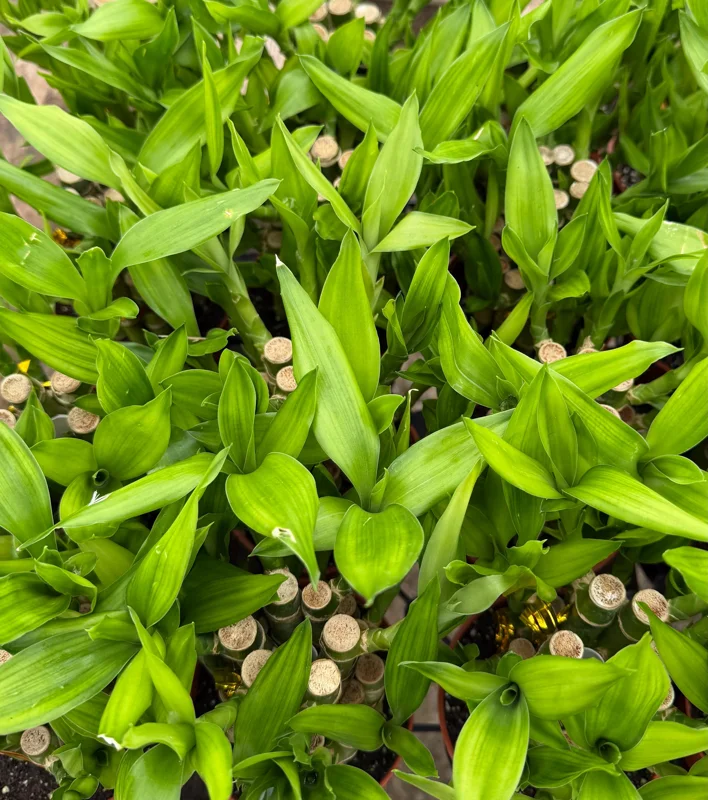
Introduce a touch of elegance and positive energy to your home or office with a lucky bamboo plant. Scientifically known as Dracaena Sanderiana, this popular indoor plant is cherished for its graceful, bamboo-like stalks and its profound symbolism of good fortune and prosperity. Despite its common name, it is not a true bamboo but a tropical plant native to Central Africa, celebrated for its resilience and striking appearance. Our lucky bamboo plant comes in a convenient 4 inch pot, making it an ideal size for desks, shelves, or windowsills. Its smooth, green stalks are often artfully arranged, adding a unique aesthetic to any decor. This live plant thrives with minimal care, making it a perfect choice for both novice and experienced plant enthusiasts looking to enhance their indoor environment.
The allure of the Dracaena Sanderiana extends beyond its beauty; in Feng Shui, it is believed to attract positive energy, harmony, and growth. The number of stalks in an arrangement is thought to represent different blessings, from love to wealth. This resilient and visually appealing plant embodies balance and vitality, offering a living expression of serenity and good luck. Whether you’re seeking a unique decorative element or a meaningful gift, the lucky bamboo plant is a superb choice for bringing natural beauty and auspicious symbolism into your life.
Key Benefits
Our lucky bamboo plant offers numerous advantages, blending aesthetic appeal with symbolic significance and ease of care. It’s a versatile choice for enhancing various indoor spaces.
- Symbol of Prosperity and Good Fortune: The lucky bamboo plant is widely recognized in many cultures, particularly in Feng Shui, as a powerful symbol of good luck, wealth, and positive energy. Placing it in your home or office is believed to invite harmony and success into your life.
- Elegant and Unique Decor: With its distinctive green stalks and often artful arrangements, such as spirals or braids, the Dracaena Sanderiana adds a sophisticated and exotic touch to any room. It’s a living sculpture that complements modern and traditional interiors alike.
- Low Maintenance and Easy Care: This resilient plant is incredibly forgiving, making it an excellent choice for beginners or those with busy lifestyles. It requires minimal attention to thrive, growing well in either water or soil, and tolerates a range of indoor conditions.
- Air Purifying Qualities: Like many houseplants, the lucky bamboo plant contributes to a healthier indoor environment by helping to filter toxins from the air. It subtly enhances air quality, making your living or working space more pleasant.
- Versatile Placement: Its compact size, especially when housed in a 4 inch pot, allows for flexible placement. It can brighten up a desk, a shelf, a bathroom, or even a dimly lit corner, adapting well to different light conditions.
- Positive Energy in Feng Shui: Beyond general good luck, the specific number of stalks in a lucky bamboo plant arrangement is said to attract different blessings, including love, health, and prosperity, making it a thoughtful gift or personal talisman.
Plant Care & Growing Tips
Caring for your lucky bamboo plant, or Dracaena Sanderiana care, is remarkably straightforward, making it a joy to grow for plant enthusiasts of all levels. This resilient plant, despite its exotic appearance, requires minimal attention to flourish and maintain its vibrant green stalks. The most crucial aspect of its care is ensuring it receives the right amount of light and water, whether it’s grown in soil or directly in water. Avoid direct sunlight, which can scorch its leaves; instead, bright, indirect light is ideal. A north-facing window or a spot several feet away from a sunnier window is often perfect for an indoor lucky bamboo.
When grown in water, change the water every one to two weeks to prevent stagnation and algae growth. Use filtered or distilled water, as tap water containing chlorine or fluoride can harm the plant. If growing in soil, ensure the pot has good drainage, and water when the top inch of soil feels dry. Overwatering can lead to root rot, so it’s better to err on the side of underwatering. The plant prefers temperatures between 65-90°F (18-32°C) and appreciates some humidity. Fertilize sparingly, if at all, using a very diluted liquid plant food specifically formulated for houseplants, once every two to three months during the growing season. Pruning can be done to maintain shape and encourage new growth, simply by trimming stalks above a node. Keeping an eye on yellowing leaves or soft stalks can help you address issues promptly, ensuring your lucky bamboo for prosperity remains healthy and vibrant.
Size & Details
This lucky bamboo plant is shipped as a live plant, rooted in a 4 inch pot, ready to be displayed and enjoyed immediately upon arrival. The plant’s height typically ranges from 6 to 12 inches tall, including the pot, though individual stalks can be trained to grow taller over time. Its growth rate is moderate, allowing for gradual development and easy management within an indoor setting. The specific arrangement of stalks (e.g., straight, spiral, braided) may vary, contributing to its unique charm. This compact size makes it perfect for small spaces, such as desks, shelves, or as a centerpiece on a coffee table. It arrives well-packaged to ensure its health and vitality during transit, ready to bring a touch of green to your home. While it doesn’t flower, its architectural form and lush green foliage provide year-round visual interest.
Frequently Asked Questions
- Q: How big does this lucky bamboo plant get? A: This lucky bamboo plant typically arrives 6-12 inches tall in its 4 inch pot. With proper Dracaena Sanderiana care, individual stalks can grow taller, often reaching 2-3 feet over several years, especially if given ample space and nutrients.
- Q: Is this an indoor lucky bamboo or can it be grown outdoors? A: While it can tolerate outdoor conditions in very warm, humid climates (USDA zones 10-11), it is primarily cultivated and sold as an indoor lucky bamboo. It thrives in typical household temperatures and indirect light.
- Q: How much sunlight does my lucky bamboo plant need? A: Your lucky bamboo plant prefers bright, indirect light. Avoid direct sunlight, which can scorch its leaves. A spot near a window with filtered light or in a well-lit room is ideal.
- Q: Is this plant easy to care for, especially for beginners? A: Yes, the lucky bamboo plant is renowned for being very easy to care for, making it an excellent choice for beginners. It tolerates a range of conditions and requires minimal attention compared to many other houseplants.
- Q: What condition will my lucky bamboo plant arrive in? A: Your lucky bamboo plant will arrive as a healthy, live plant rooted in a 4 inch pot, carefully packaged to ensure its safety and vitality during shipping. It will be ready to display or repot upon arrival.
- Q: Can I grow my lucky bamboo plant in just water? A: Absolutely! Many people choose to grow indoor lucky bamboo solely in water. Just ensure the roots are submerged and change the water every 1-2 weeks with filtered or distilled water to maintain its health.
- Q: Is the lucky bamboo plant good for feng shui plant practices? A: Yes, the lucky bamboo plant is a highly regarded feng shui plant, believed to bring positive energy, harmony, and prosperity. The number of stalks often signifies different blessings, making it a popular choice for auspicious placement.
- Q: What kind of pot is best for lucky bamboo for prosperity? A: A pot with drainage holes is essential if growing in soil. If growing in water, any decorative vase or container that can hold the stalks upright and allow the roots to be submerged will work well.
- Q: How often should I fertilize my Dracaena Sanderiana? A: Fertilize your Dracaena Sanderiana sparingly, about every 2-3 months during the growing season (spring and summer), using a very diluted liquid houseplant fertilizer. Over-fertilization can harm the plant.
- Q: What if the leaves on my lucky bamboo plant turn yellow? A: Yellowing leaves can indicate overwatering, too much direct sunlight, or issues with water quality (e.g., too much chlorine). Adjust your watering schedule, move the plant to a spot with indirect light, or switch to filtered water to resolve this.
Related products
-30%
Original price was: $129.98.$90.98Current price is: $90.98.
-25%
Original price was: $20.90.$15.68Current price is: $15.68.
-30%
Original price was: $129.98.$90.98Current price is: $90.98.
-35%
Original price was: $29.80.$19.36Current price is: $19.36.
-25%
Original price was: $23.00.$17.24Current price is: $17.24.
-25%
Original price was: $20.90.$15.68Current price is: $15.68.
PLANTING & CARE
Growing Glencoe Raspberry: A Complete Guide for Gardeners
If you’re looking to add something unique to your garden, look no further than the
31
Mar
Mar

The Comprehensive Guide to Growing Bay Leaf Plants for a Flavorful Garden
Imagine stepping into your garden, greeted by the earthy aroma of fresh bay leaves, their
09
Feb
Feb

How to Make Comfrey Tea: The Ultimate Organic Plant Food
Growing an organic garden can be surprisingly expensive, especially when most store-bought fertilizers come in
02
Feb
Feb

True Comfrey: 7 Essential Tips Before You Plant This Herb
A staple in permaculture practices across the US, True Comfrey easily earns its reputation as
27
Jan
Jan

7 Heart-Shaped Plants for a Lasting Valentine’s Gift
If you’ve ever bought a bouquet of roses for Valentine’s Day, you know they are
26
Jan
Jan

Best Types of Ivy Plant for Houses: How to Choose the Perfect Ones for Your Home
Are you a garden lover looking to introduce some greenery into your home? Maybe you’ve
14
Nov
Nov

When to Harvest Garlic (Especially Fall-Planted Garlic)
TIMING IS EVERYTHING, they say – and for garlic, that truth hits with surprising accuracy.
13
Nov
Nov

11 of the Best Sweet Potato Varieties to Grow for Your Garden
If you’ve ever tried growing sweet potatoes, you know that picking the right variety can
12
Nov
Nov