Madagascar Hibiscus Moscheutos Seeds – Rose of Sharon Flower Seeds – Indoor/Outdoor
-50%




Madagascar Hibiscus Moscheutos Seeds – Rose of Sharon Flower Seeds – Indoor/Outdoor
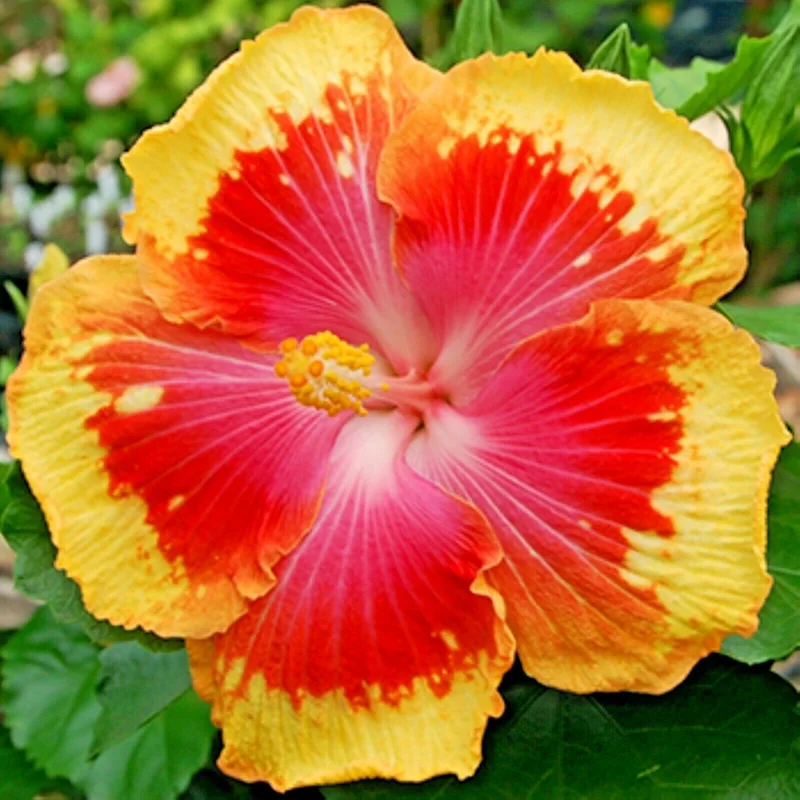
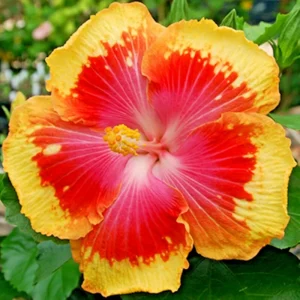
Cultivate stunning Madagascar Hibiscus Moscheutos seeds, also known as Rose of Sharon seeds, for a vibrant garden display. These versatile hibiscus flower seeds are suitable for both indoor and outdoor cultivation, producing beautiful clumping plants with colorful blooms.
Original price was: $18.76.$9.38Current price is: $9.38.

With our Alive & Thrive Guarantee, we’ve got your back for the first 30 days! If you have any concerns about your plants, just reach out to us. Our team is here to help answer your questions and guide you in selecting the best plants for your garden, climate, and unique preferences. We're excited to help you create the garden of your dreams!
Estimated arrival
Mar 15
Mar 20 - Mar 22
Mar 25 - Mar 29
Product Details
-
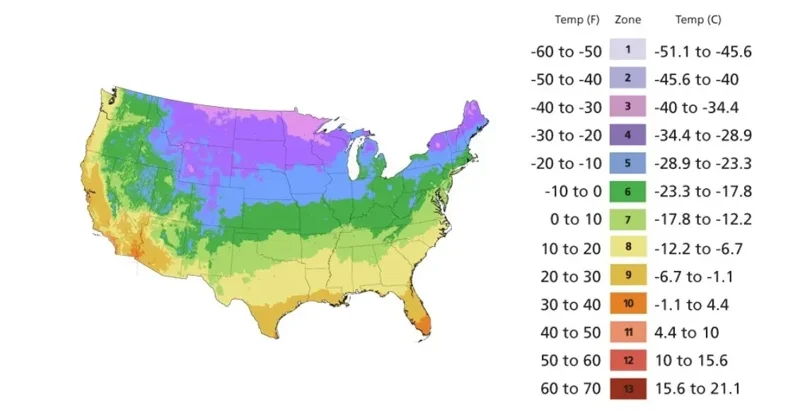
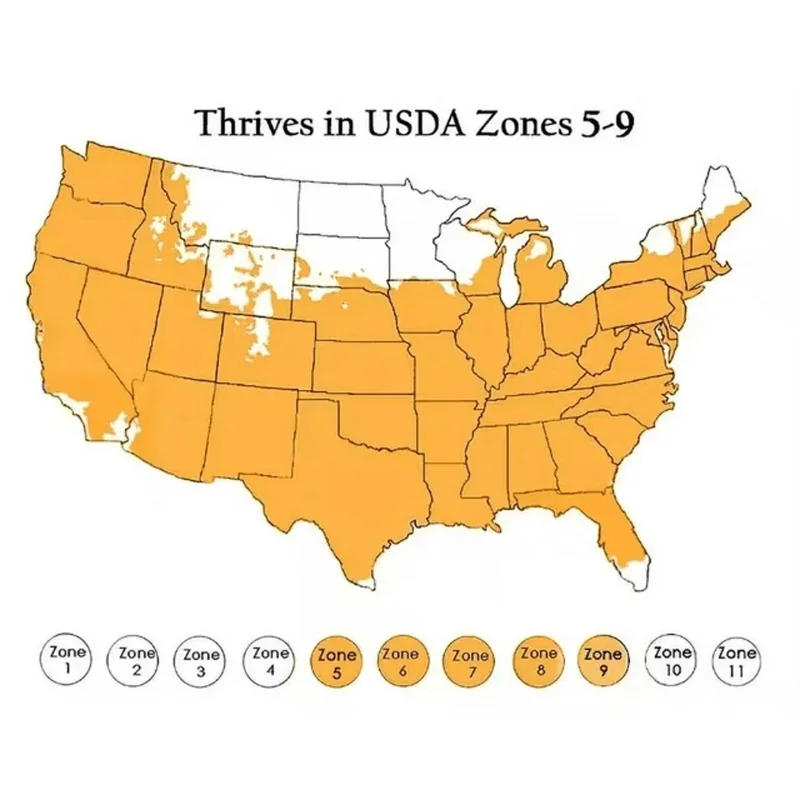
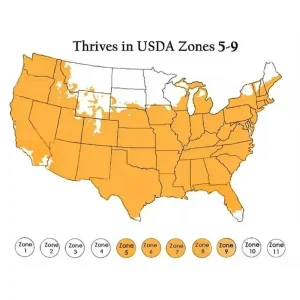
USDA Hardiness Zone
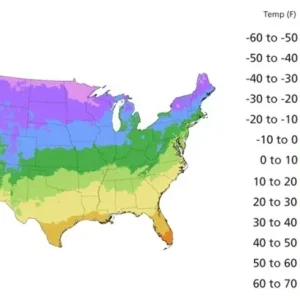
USDA Zones 5-9 -
Soil type
Well-draining, loamy soil -
Sunlight Exposure
Full sun to partial shade -
Expected Planting Period
Early spring to early summer
Overview
Embark on a rewarding gardening journey with our premium Madagascar Hibiscus Moscheutos seeds. These exceptional seeds allow you to grow the beloved Rose of Sharon, a stunning flowering plant known for its large, showy blooms. Often referred to as Hibiscus syriacus, the Rose of Sharon is a hardy and adaptable shrub that brings a touch of tropical elegance to any landscape. Our Madagascar Hibiscus Moscheutos seeds are carefully selected to ensure high germination rates, providing you with the best start for cultivating these magnificent plants.
Whether you’re an experienced gardener or just starting, growing the Rose of Sharon from seed is a fulfilling experience. These plants thrive in a variety of climates and can be grown as striking stand-alone specimens, in hedges, or as part of a mixed border. With their potential for vibrant pink, white, or violet flowers, these hibiscus flower seeds promise to transform your garden into a captivating haven for pollinators and admirers alike. Discover the joy of nurturing these beautiful plants from tiny seeds to flourishing shrubs.
Key Benefits
Planting Madagascar Hibiscus Moscheutos seeds offers a multitude of advantages for your garden and home. These plants are not only visually appealing but also remarkably resilient.
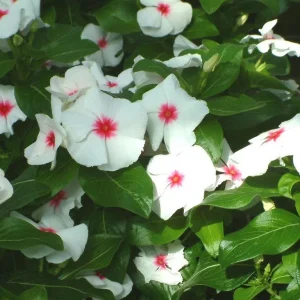
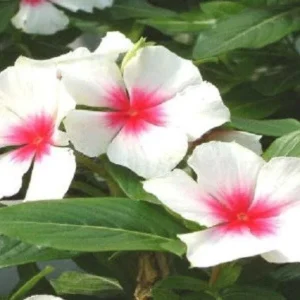
- Stunning Floral Display: The primary benefit of these seeds is the promise of abundant, large, and colorful flowers. The Rose of Sharon (hibiscus flower seeds) produces blooms in shades of pink, white, and violet, adding significant aesthetic value to your garden. Each flower provides a vibrant burst of color throughout its blooming season.
- Versatile Landscaping: These plants are incredibly versatile, suitable for various garden designs. They can be grown as beautiful specimen plants, used to create attractive hedges or privacy screens, or integrated into mixed perennial borders. Their clumping growth habit adds structure and beauty.
- Attracts Pollinators: The large, nectar-rich flowers are a magnet for essential pollinators such as butterflies, bees, and hummingbirds. By planting these Rose of Sharon seeds, you contribute to local biodiversity and support a healthy ecosystem in your garden.
- Hardy and Resilient: Rose of Sharon plants are known for their hardiness, making them an excellent choice for gardeners in many regions. They are relatively drought-resistant once established and can tolerate a range of soil conditions, offering a low-maintenance option for vibrant blooms.
- Extended Bloom Season: Enjoy a prolonged period of bloom from late spring through fall. Unlike many other flowering shrubs, the Rose of Sharon continues to produce new flowers for months, ensuring continuous color and interest in your garden when many other plants have faded.
- Indoor and Outdoor Adaptability: While primarily an outdoor shrub, young plants grown from perennial hibiscus seeds can also be cultivated indoors in pots, provided they receive adequate sunlight. This allows you to enjoy their beauty even in colder climates before transplanting them outside.
- Easy to Grow from Seed: With proper care, growing these hardy hibiscus seeds is straightforward and rewarding. The process of watching them sprout and mature into magnificent plants provides immense satisfaction for any gardener.
Plant Care & Growing Tips
Caring for your Madagascar Hibiscus Moscheutos seeds and the resulting plants is relatively simple, ensuring a beautiful display with minimal effort. Proper care will help your Rose of Sharon thrive and produce abundant blooms. Getting started with Rose of Sharon seeds requires a bit of patience, but the rewards are well worth it.
Sunlight Requirements: Rose of Sharon plants perform best in full sun, meaning at least 6 hours of direct sunlight per day. While they can tolerate partial shade, too little sun can result in fewer flowers and leggy growth. For indoor cultivation, place potted plants in a south-facing window or under grow lights to ensure they receive sufficient light. Adequate sunlight is crucial for robust growth and prolific blooming of your perennial hibiscus seeds.
Watering Schedule and Soil Moisture: Keep the soil consistently moist, especially during the germination phase and while the plants are young. Once established, Rose of Sharon is fairly drought-tolerant but will benefit from regular watering during dry spells. Aim for deep watering 1-2 times per week, allowing the top inch of soil to dry out slightly between waterings. Avoid overwatering, which can lead to root rot. Good drainage is key for healthy development of plants from hardy hibiscus seeds.
Soil Type and Drainage Requirements: These plants prefer well-draining soil with a neutral to slightly acidic pH (6.0-7.0). A rich, loamy soil amended with organic matter is ideal. If your soil is heavy clay, incorporate sand or compost to improve drainage. For potted plants, use a high-quality potting mix that drains well. Ensuring proper soil conditions is vital for the success of your hibiscus flower seeds.
Temperature Range and USDA Hardiness Zone: Rose of Sharon is hardy in USDA Zones 5-9. It can withstand winter temperatures in these zones, though young plants may benefit from winter protection in the colder parts of its range. For optimal growth, maintain temperatures between 60-80°F (15-27°C). In areas outside its hardiness zone, it can be grown as an annual or overwintered indoors.
Fertilization Schedule and Type: Fertilize your Rose of Sharon in spring with a balanced slow-release granular fertilizer or a liquid feed formulated for flowering shrubs. Reapply according to product instructions, typically every 4-6 weeks during the growing season. Avoid excessive nitrogen, which can promote foliage growth at the expense of flowers. A good feeding regimen will support the vigorous growth of your Madagascar Hibiscus Moscheutos seeds into mature plants.
Common Problems and Solutions: Watch out for common pests like aphids and whiteflies, which can be treated with insecticidal soap. Fungal diseases such as powdery mildew can occur in humid conditions; ensure good air circulation and consider a fungicide if necessary. Proper spacing and watering practices can prevent most issues, keeping your Rose of Sharon healthy and beautiful. Regular inspection of plants grown from Rose of Sharon seeds will help catch problems early.
Size & Details
Our Madagascar Hibiscus Moscheutos seeds are designed to grow into robust and visually appealing plants. Once mature, a Rose of Sharon plant typically reaches a height of 8-12 feet (2.4-3.7 meters) with a spread of 6-10 feet (1.8-3 meters), forming a dense, clumping shrub. The growth rate is moderate, allowing the plant to establish itself well within a few seasons. These seeds will arrive ready for planting, offering a cost-effective way to introduce multiple Rose of Sharon plants to your garden. The final size and vigor of the plant will depend on local growing conditions, soil quality, and care provided after planting the hibiscus flower seeds.
The seeds are for starting new plants from scratch. Expect to see germination within 2-4 weeks under ideal conditions. First blooms usually appear in the second or third year, with the plant reaching its full glory by its third to fifth year. This variety is known for its ability to produce a continuous flush of flowers throughout its long blooming period, making it a valuable addition to any garden seeking sustained color. The plants grown from these perennial hibiscus seeds are well-suited for various uses, from solitary specimens to mixed borders.
Frequently Asked Questions
- Q: How big does a Rose of Sharon plant get from these seeds? A: A mature Rose of Sharon typically grows to be 8-12 feet tall and 6-10 feet wide. Its size can be managed with pruning, allowing it to fit into various garden spaces. These Madagascar Hibiscus Moscheutos seeds will produce plants of this impressive size over time.
- Q: Is this an indoor or outdoor plant? A: While primarily an outdoor shrub, young plants can be started indoors from Rose of Sharon seeds. Once established and weather permits, they thrive outdoors in full sun. In colder climates, some gardeners choose to grow them in large containers and bring them indoors during winter.
- Q: How much sunlight does Rose of Sharon need? A: For optimal growth and prolific flowering, Rose of Sharon requires at least 6 hours of direct sunlight per day. It can tolerate partial shade, but flowering may be reduced. Ensure proper light exposure for your hibiscus flower seeds to flourish.
- Q: Is this plant easy to care for? A: Yes, Rose of Sharon is considered a relatively easy-care plant, especially once established. It tolerates a range of conditions and is quite resilient. It’s a great choice for both beginner and experienced gardeners looking for hardy hibiscus seeds.
- Q: What condition will the seeds arrive in? A: Your Madagascar Hibiscus Moscheutos seeds will arrive as dormant, ready-to-plant seeds. They are carefully packaged to ensure their viability and readiness for germination upon arrival.
- Q: How long until the Rose of Sharon blooms from seed? A: Typically, Rose of Sharon plants grown from seed will begin flowering in their second or third year. They will reach their full blooming potential in subsequent years, providing a spectacular show of color. Patience is key when growing from perennial hibiscus seeds.
- Q: Will it survive winter in my zone? A: Rose of Sharon is cold hardy in USDA Zones 5-9. If you are within these zones, it should survive winter outdoors. In colder zones, it can be grown as an annual or protected during winter.
- Q: What is the best soil type for these seeds? A: These Rose of Sharon seeds prefer well-draining, fertile soil with a neutral to slightly acidic pH. Amending heavy soils with organic matter will improve drainage and overall plant health.
- Q: Are the flowers edible or safe for pets? A: While the flowers are beautiful, it’s generally best to avoid consuming them. The plant is considered mildly toxic to pets if ingested in large quantities, so supervision is advised.
- Q: When is the best time to plant these hibiscus flower seeds? A: The best time to sow Madagascar Hibiscus Moscheutos seeds is in late winter or early spring indoors, or directly outdoors after the last frost date, once the soil has warmed.
Related products
-50%
From Original price was: $55.60.$27.80Current price is: $27.80.
-15%
From Original price was: $28.00.$23.80Current price is: $23.80.
-50%
Original price was: $23.96.$11.98Current price is: $11.98.
-15%
From Original price was: $16.00.$13.60Current price is: $13.60.
-50%

Original price was: $23.96.$11.98Current price is: $11.98.
-50%
From Original price was: $63.60.$31.80Current price is: $31.80.
-50%
Original price was: $23.96.$11.98Current price is: $11.98.
-50%
Original price was: $23.96.$11.98Current price is: $11.98.
PLANTING & CARE

The Comprehensive Guide to Growing Bay Leaf Plants for a Flavorful Garden
Imagine stepping into your garden, greeted by the earthy aroma of fresh bay leaves, their
09
Feb
Feb

How to Make Comfrey Tea: The Ultimate Organic Plant Food
Growing an organic garden can be surprisingly expensive, especially when most store-bought fertilizers come in
02
Feb
Feb

True Comfrey: 7 Essential Tips Before You Plant This Herb
A staple in permaculture practices across the US, True Comfrey easily earns its reputation as
27
Jan
Jan

7 Heart-Shaped Plants for a Lasting Valentine’s Gift
If you’ve ever bought a bouquet of roses for Valentine’s Day, you know they are
26
Jan
Jan

Best Types of Ivy Plant for Houses: How to Choose the Perfect Ones for Your Home
Are you a garden lover looking to introduce some greenery into your home? Maybe you’ve
14
Nov
Nov

When to Harvest Garlic (Especially Fall-Planted Garlic)
TIMING IS EVERYTHING, they say – and for garlic, that truth hits with surprising accuracy.
13
Nov
Nov

11 of the Best Sweet Potato Varieties to Grow for Your Garden
If you’ve ever tried growing sweet potatoes, you know that picking the right variety can
12
Nov
Nov
Pruning Bougainvillea for Winter
Bougainvillea vines are known for their dazzling display of magenta, orange, and fuchsia bracts that
05
Nov
Nov