Manchu Tubergourd Vine Live Plant – Edible Roots, Shoots, Red Fruit – USDA 4-9
-50%
Manchu Tubergourd Vine Live Plant – Edible Roots, Shoots, Red Fruit – USDA 4-9
Cultivate the unique Manchu Tubergourd Vine live plant, also known as Thladiantha dubia, a vigorous perennial climber. Enjoy its delicious edible roots, tender shoots, and striking red fruits. Ideal for adding a functional and decorative touch to your garden.
From Original price was: $19.96.$9.98Current price is: $9.98.

With our Alive & Thrive Guarantee, we’ve got your back for the first 30 days! If you have any concerns about your plants, just reach out to us. Our team is here to help answer your questions and guide you in selecting the best plants for your garden, climate, and unique preferences. We're excited to help you create the garden of your dreams!
Estimated arrival
Mar 24
Mar 29 - Mar 31
Apr 03 - Apr 07



Product Details
-
USDA Hardiness Zone
4-9 -
Soil type
Well-draining, adaptable to sandy, loamy, or clay soils -
Sunlight Exposure
Full sun to partial shade -
Expected Planting Period
Spring or autumn
Overview
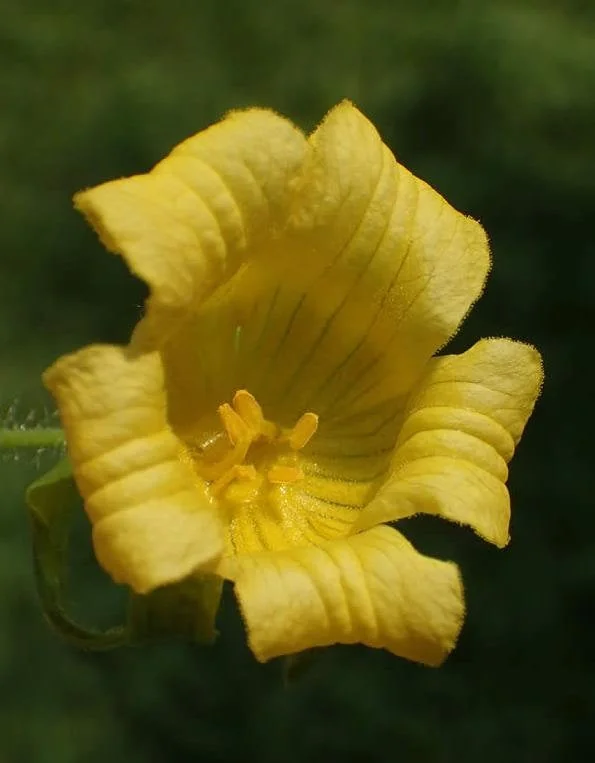
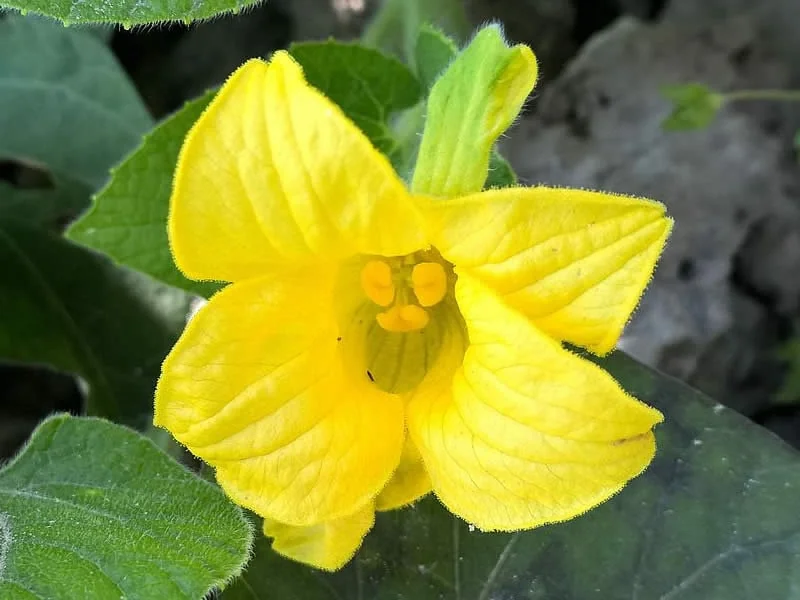
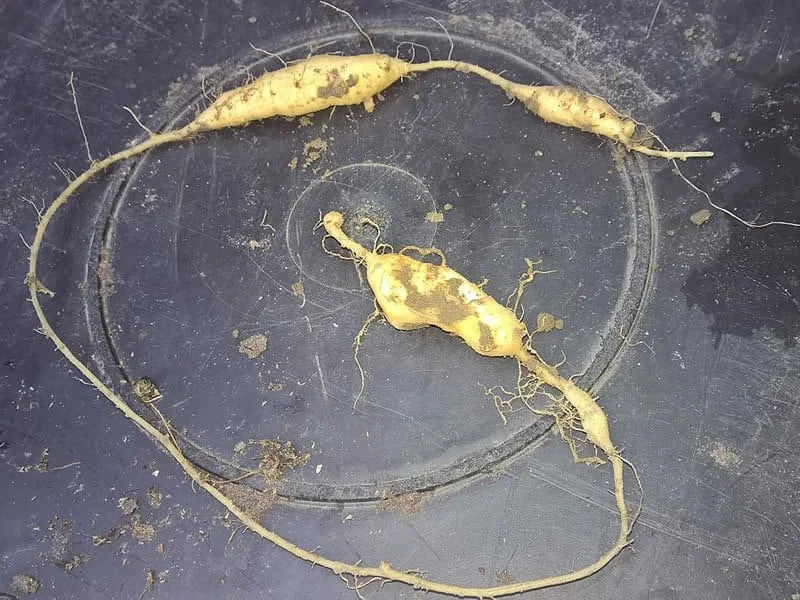
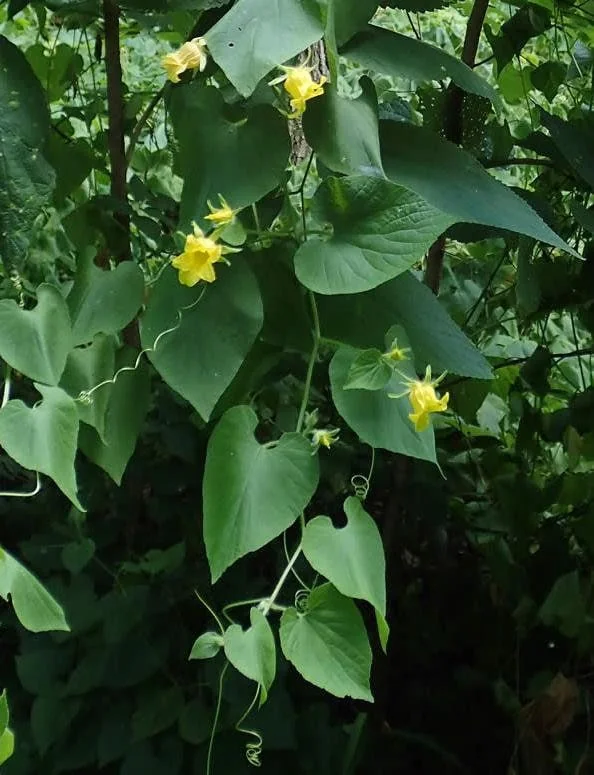
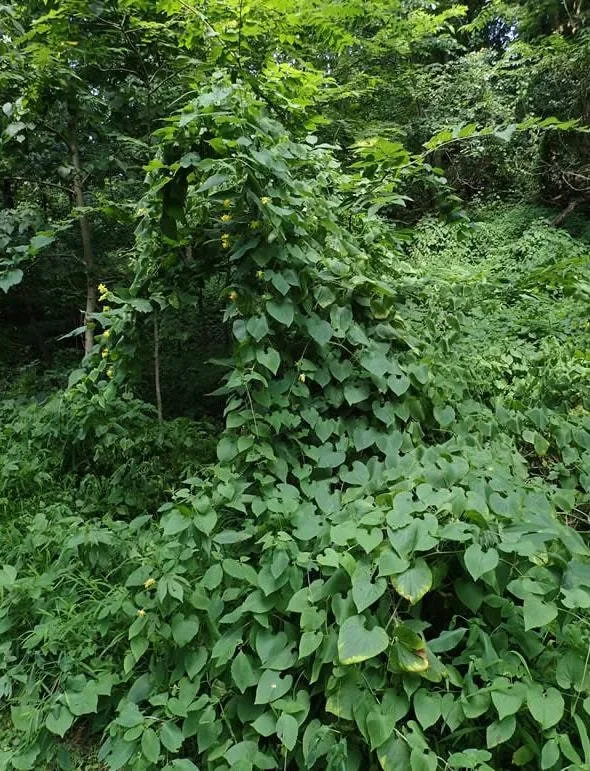
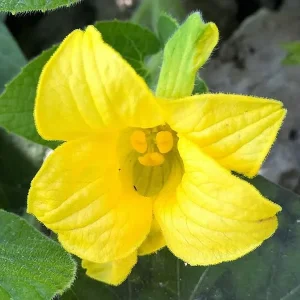
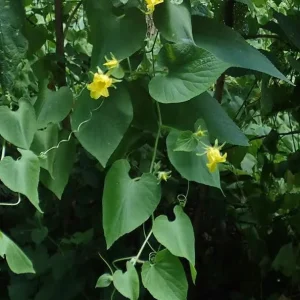
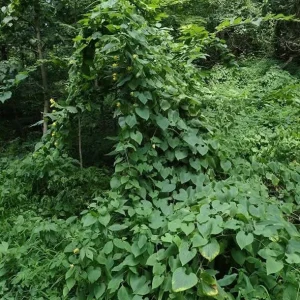
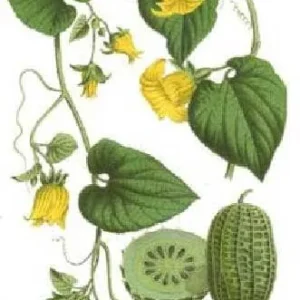
Bring an extraordinary edible plant to your garden with the Manchu Tubergourd Vine live plant, scientifically known as Thladiantha dubia. This fascinating perennial climber offers a trifecta of culinary delights: its roots are edible like small potatoes, young shoots can be enjoyed, and it produces vibrant red, berry-like fruits in the fall. Known for its rapid growth, this vine can reach up to 20 feet, making it an excellent choice for arbors, trellises, or fences. It thrives in USDA hardiness zones 4-9, demonstrating remarkable resilience across various climates. Beyond its edible qualities, the Manchu Tubergourd Vine live plant provides lush green foliage and attractive yellow bell-shaped flowers from July to August, adding ornamental value to any landscape. This unique plant is a wonderful addition for gardeners seeking something truly different and productive.
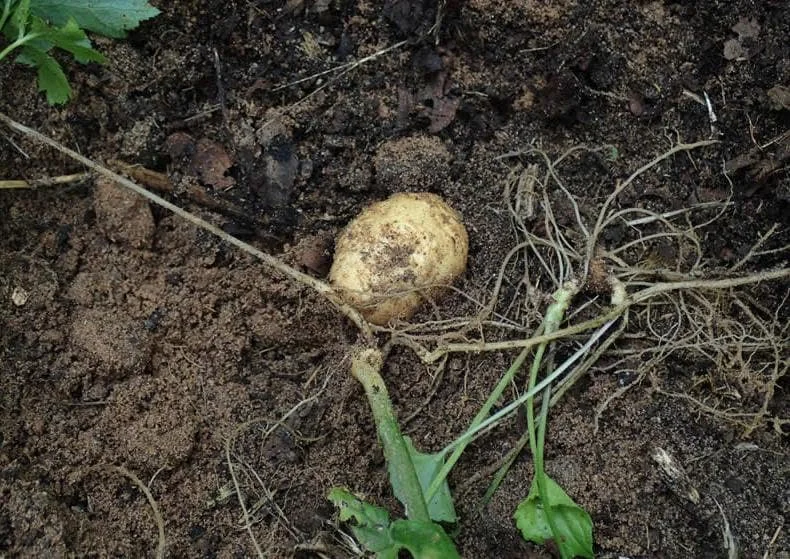
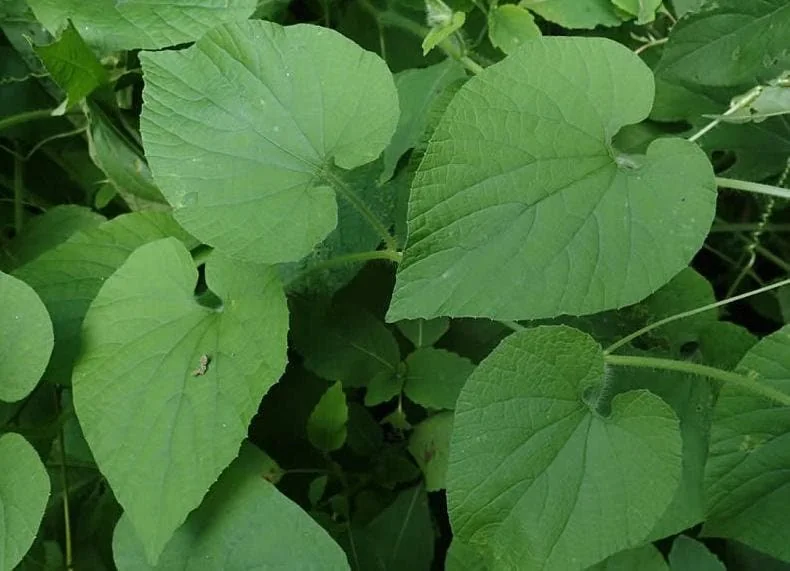
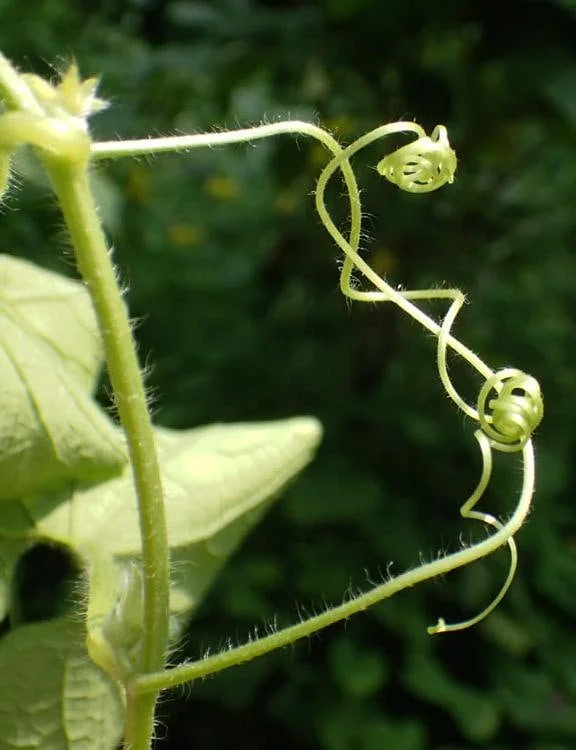
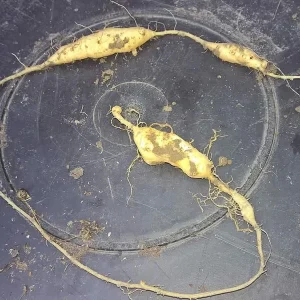
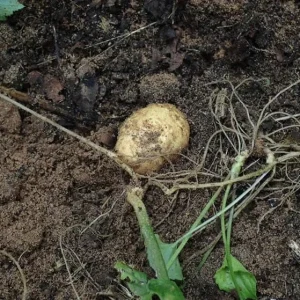
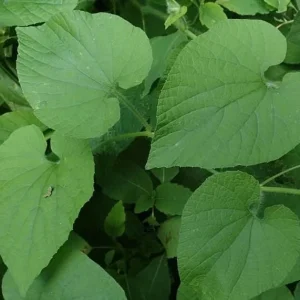
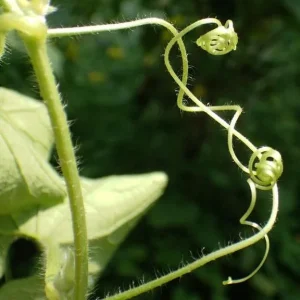
The Thladiantha dubia edible vine is a conversation starter, with its distinctive heart-shaped leaves and tendrils that help it climb with ease. It’s an ideal choice for those interested in permaculture or expanding their edible garden beyond traditional options. The plant’s ability to produce tubers that can be harvested in autumn and stored over winter, or simply left in the ground to sprout in spring, makes it a low-maintenance and rewarding crop for many years.
Key Benefits
The Manchu Tubergourd Vine live plant offers a multitude of benefits for both the adventurous gardener and the culinary enthusiast. Its unique characteristics make it a standout choice:
- Triple Edible Harvest: Enjoy delicious potato-like roots, tender young shoots, and sweet, vibrant red fruits, providing a diverse seasonal bounty from a single plant.
- Vigorous Growth & Coverage: This perennial climber grows rapidly, quickly covering trellises, fences, or arbors, offering both aesthetic appeal and shade. Its tendrils ensure it climbs effectively.
- Resilient Perennial: As a hardy perennial, it returns year after year, establishing a lasting presence in your garden. It’s well-suited for USDA zones 4-9, making it adaptable to many regions.
- Attractive Foliage & Flowers: Beyond its edibles, the vine features heart-shaped leaves and charming yellow bell-shaped flowers, contributing to the beauty of your outdoor space.
- Low Maintenance Tubers: The plant reproduces by tubers that can be left in the ground overwinter in many climates, requiring minimal effort for its return each spring.
- Unique Garden Addition: Stand out from typical garden fare with this uncommon and productive plant, offering a talking point and an exciting new ingredient for your kitchen.
- Supports Pollinators: The yellow flowers attract insects, contributing to local biodiversity and supporting garden health. While dioecious, its presence still benefits the ecosystem.
Plant Care & Growing Tips
Caring for your Manchu Tubergourd Vine live plant is relatively straightforward, making it suitable for gardeners of varying experience levels. This robust perennial thrives with the right conditions. It prefers a location with full sun to partial shade, though it will grow more slowly in deeper shade. Adequate sunlight is key for optimal fruit production and vigorous growth. The vine is adaptable to various soil types, including light (sandy), medium (loamy), and heavy (clay) soils, but it absolutely requires well-drained soil to prevent root rot, especially for its tubers. A neutral to mildly alkaline pH is preferred, though it tolerates mildly acidic conditions.
Consistent moisture is crucial for the red fruit vine, especially during dry spells. While it prefers moist soil, avoid waterlogging. Watering deeply and regularly, particularly when the plant is establishing and during fruiting, will encourage healthy growth. Fertilization can be done annually in spring with a balanced slow-release fertilizer to support its vigorous climbing and fruiting habit. As a dioecious plant, you will need both male and female plants to produce fruit, as it is not self-fertile and relies on insect pollination. If you’re specifically aiming for the Thladiantha dubia edible fruits, ensure you have both sexes planted. Tubers can be dug in spring or autumn, or left in the ground with a light mulch in colder zones (USDA 4-9) to protect them over winter.
Training the vine onto a sturdy trellis, arbor, or fence will help manage its growth and promote better air circulation, reducing the risk of fungal issues. Keep an eye out for common garden pests, though the perennial edible plant is generally quite hardy. Its unique nature means it’s often less susceptible to the typical problems that plague more common garden vegetables. The fuzzy stems and leaves, which can stick like Velcro, are a distinctive characteristic. Ensure good air circulation and water at the base to prevent leaf diseases. This climbing vegetable plant is a rewarding addition when given proper support and moisture.
Size & Details
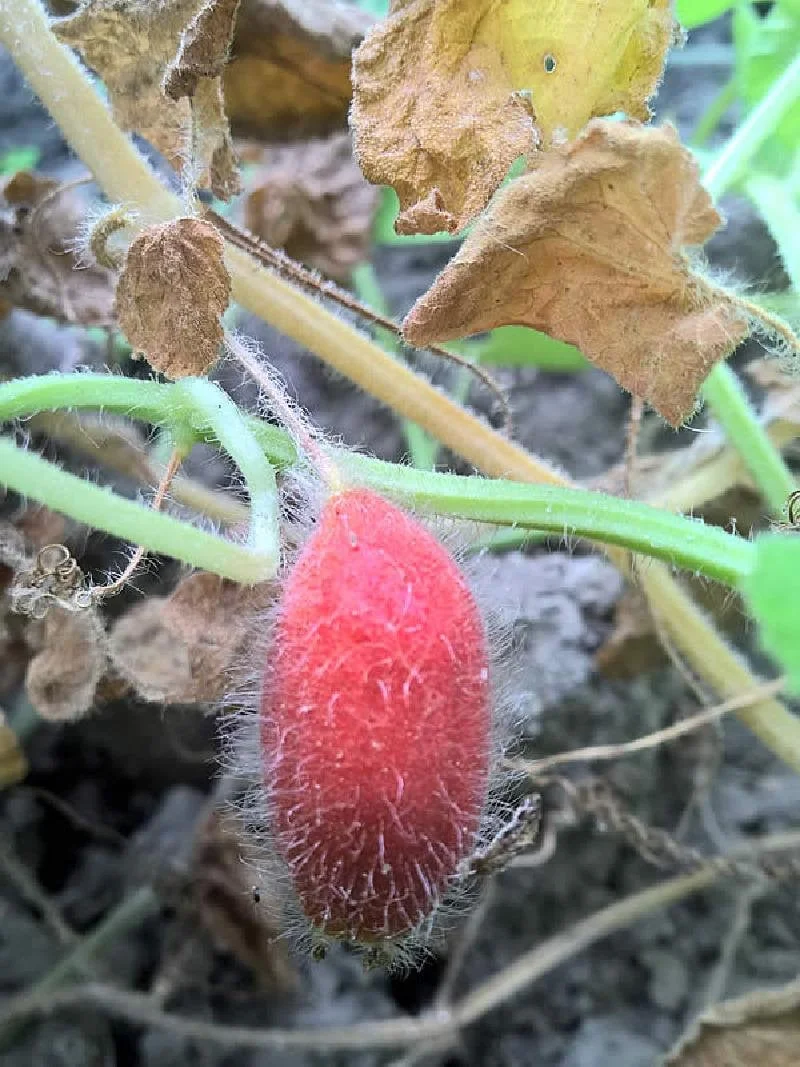
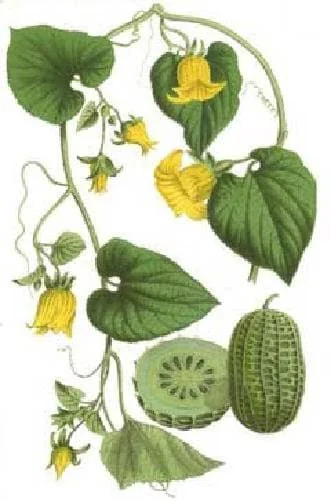
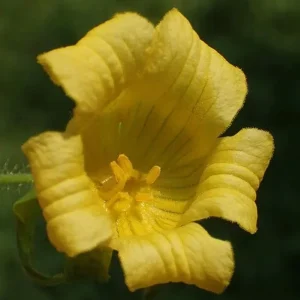
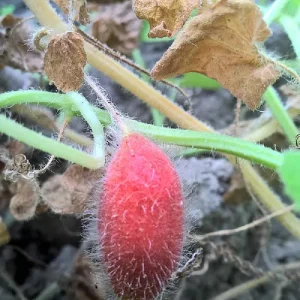
The Manchu Tubergourd Vine live plant is a vigorous perennial climber that can reach impressive lengths of up to 20 feet under ideal conditions. Its heart-shaped leaves typically measure 2 to 6 inches long and 1.5 to 4 inches wide, providing dense, lush foliage. The distinctive yellow, bell-shaped flowers are about 1 inch long and appear from July to August, with fruits ripening from September to October. The oval-elliptic, berry-like fruits grow up to 2 inches long, transitioning from green to a vibrant red as they mature, with a hairy rind surrounding a fleshy pulp and numerous gray to black seeds. The plant also produces underground tubers, similar in appearance to small potatoes, which are a primary method of reproduction and an edible harvest.
This Thladiantha dubia edible vine is shipped as a live plant, ready to be planted in your garden. It establishes quickly, with its tendrils aiding its ascent. Expect rapid growth once planted, especially during warm weather. The tubers can be harvested in autumn, or left in the ground to sprout new growth in the spring, making it a truly perennial and self-sustaining addition to your garden. Its USDA hardiness zone of 4-9 indicates its wide adaptability and cold tolerance. For optimal fruit production, remember that both male and female plants are necessary due to its dioecious nature.
Frequently Asked Questions
- Q: How big does the Manchu Tubergourd Vine live plant get? A: This vigorous perennial climber can grow up to 20 feet long, making it excellent for covering trellises, fences, or arbors. Its rapid growth allows it to quickly establish a significant presence in your garden.
- Q: Is this an indoor or outdoor plant? A: The Manchu Tubergourd Vine live plant is primarily an outdoor plant, thriving in garden settings within USDA hardiness zones 4-9. While it can be grown in containers, its extensive vine growth is best suited for outdoor spaces.
- Q: How much sunlight does it need? A: This plant prefers full sun to partial shade. For the best fruit production from your red fruit vine, aim for a location that receives at least 6 hours of direct sunlight per day. It will grow slower in shadier spots.
- Q: Is this plant easy to care for? A: Yes, the Manchu Tubergourd Vine live plant is considered relatively easy to care for. It’s a hardy perennial that, once established, requires consistent moisture and a support structure for climbing. Its tubers can even overwinter in the ground in many climates.
- Q: What condition will it arrive in? A: Your Manchu Tubergourd Vine will arrive as a healthy, live plant, carefully packaged to ensure its safe journey. It will be ready for immediate planting upon arrival, typically with established roots.
- Q: How long until it blooms and fruits? A: The plant typically flowers from July to August, with the distinctive red fruits ripening from September to October. You may see flowers and fruits in its first year, especially if planted early in the growing season.
- Q: Will it survive winter in my zone? A: The perennial edible plant is hardy in USDA zones 4-9. In colder zones, the above-ground foliage will die back, but the underground tubers will survive and sprout again in spring, especially with a light layer of mulch for protection.
- Q: What are the edible parts of this plant? A: All parts of the Thladiantha dubia edible plant are considered edible. You can enjoy the tender young shoots, the potato-like tubers, and the sweet, red berry-like fruits. It’s a versatile climbing vegetable plant for culinary experimentation.
- Q: Do I need more than one plant for fruit? A: Yes, the Manchu Tubergourd Vine is dioecious, meaning individual plants are either male or female. To produce fruit, you will need at least one male and one female plant to ensure pollination.
- Q: What kind of soil does it prefer? A: This vine is adaptable but prefers well-drained soil. It can tolerate light (sandy), medium (loamy), and even heavy (clay) soils, as long as drainage is good. It also prefers moist soil conditions.
| How many tubers? | 1 Tuber, 3 Tubers, 5 Tubers |
|---|
Related products
-50%
Original price was: $267.00.$133.50Current price is: $133.50.
-10%
Original price was: $19.99.$17.99Current price is: $17.99.
-67%
Original price was: $66.72.$22.24Current price is: $22.24.
-30%

Original price was: $39.99.$27.99Current price is: $27.99.
-50%


Original price was: $81.98.$40.99Current price is: $40.99.
-67%
Original price was: $59.97.$19.99Current price is: $19.99.
-75%
From Original price was: $79.96.$19.99Current price is: $19.99.
PLANTING & CARE

The Comprehensive Guide to Growing Bay Leaf Plants for a Flavorful Garden
Imagine stepping into your garden, greeted by the earthy aroma of fresh bay leaves, their
09
Feb
Feb

How to Make Comfrey Tea: The Ultimate Organic Plant Food
Growing an organic garden can be surprisingly expensive, especially when most store-bought fertilizers come in
02
Feb
Feb

True Comfrey: 7 Essential Tips Before You Plant This Herb
A staple in permaculture practices across the US, True Comfrey easily earns its reputation as
27
Jan
Jan

7 Heart-Shaped Plants for a Lasting Valentine’s Gift
If you’ve ever bought a bouquet of roses for Valentine’s Day, you know they are
26
Jan
Jan

Best Types of Ivy Plant for Houses: How to Choose the Perfect Ones for Your Home
Are you a garden lover looking to introduce some greenery into your home? Maybe you’ve
14
Nov
Nov

When to Harvest Garlic (Especially Fall-Planted Garlic)
TIMING IS EVERYTHING, they say – and for garlic, that truth hits with surprising accuracy.
13
Nov
Nov

11 of the Best Sweet Potato Varieties to Grow for Your Garden
If you’ve ever tried growing sweet potatoes, you know that picking the right variety can
12
Nov
Nov

Pruning Bougainvillea for Winter
Bougainvillea vines are known for their dazzling display of magenta, orange, and fuchsia bracts that
05
Nov
Nov