Marjoram Live Herb Plant Starter – Mediterranean Culinary Origanum majorana


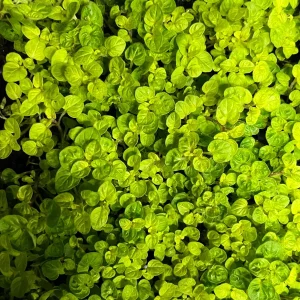
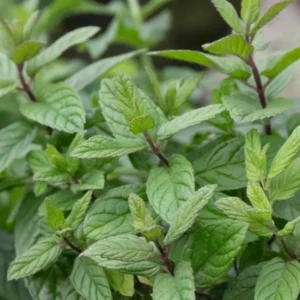
Marjoram Live Herb Plant Starter – Mediterranean Culinary Origanum majorana
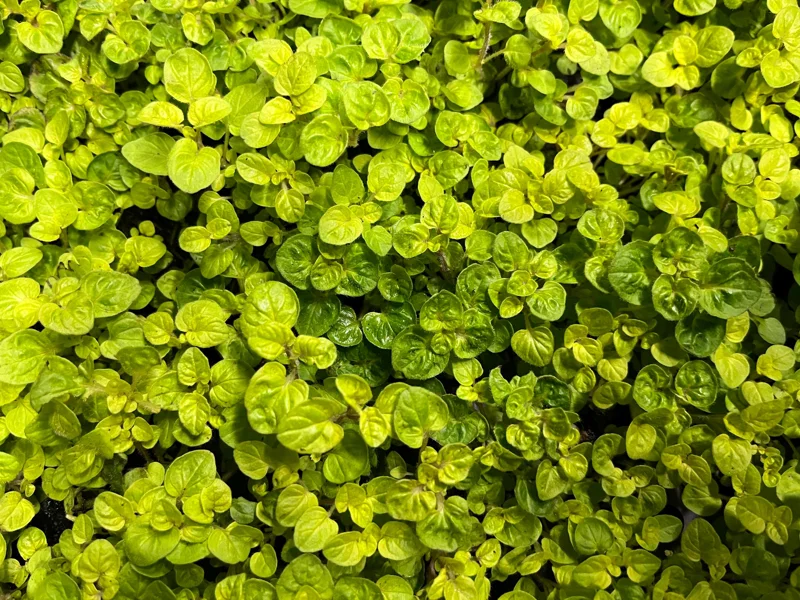
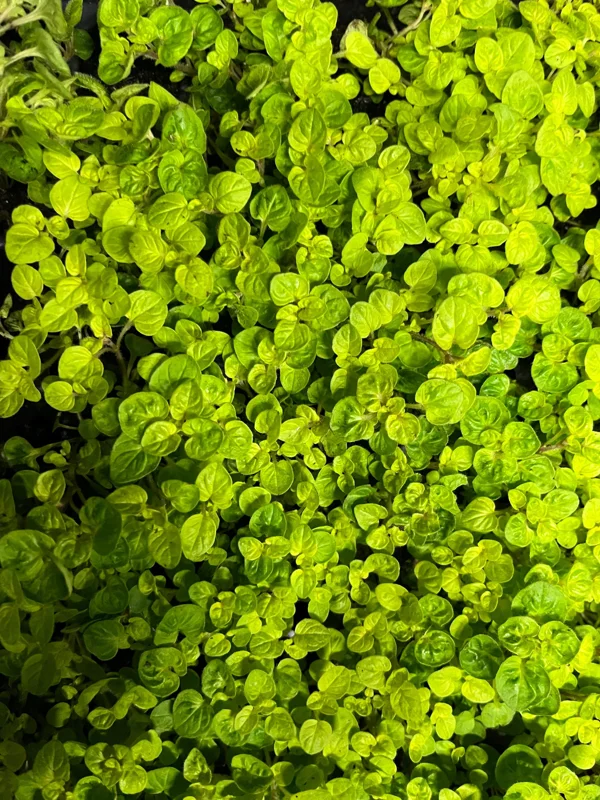
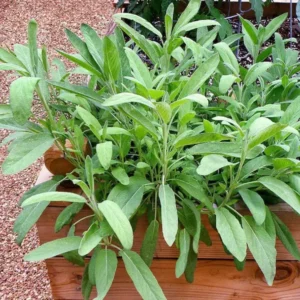
Embark on a culinary journey with this vibrant marjoram live plant starter. This healthy, well-rooted plant offers immediate gratification, bypassing seeds. Perfect for Mediterranean dishes, it thrives indoors or outdoors, providing fresh leaves for cooking and aromatherapy.
$12.58

With our Alive & Thrive Guarantee, we’ve got your back for the first 30 days! If you have any concerns about your plants, just reach out to us. Our team is here to help answer your questions and guide you in selecting the best plants for your garden, climate, and unique preferences. We're excited to help you create the garden of your dreams!
Estimated arrival
May 31
Jun 05 - Jun 07
Jun 10 - Jun 14
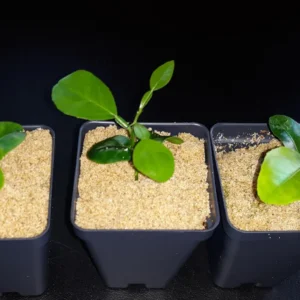
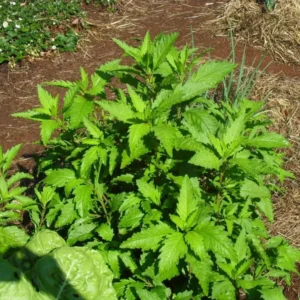
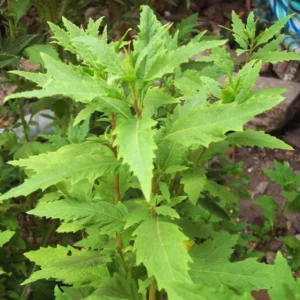
Product Details
-
USDA Hardiness Zone
7-10 -
Soil type
Well-draining, sandy or loamy soil -
Sunlight Exposure
Full sun -
Expected Planting Period
Spring after last frost (outdoors), Year-round (indoors)
Overview
Embark on a culinary and aromatic journey with our vibrant marjoram live plant starter. This healthy, well-rooted plant offers an immediate and rewarding gardening experience, bypassing the uncertainty of seeds. Marjoram, scientifically known as Origanum majorana, is a cherished Mediterranean herb celebrated for its delicate, sweet, and slightly floral flavor, distinct from its bolder cousin, oregano. It’s an essential ingredient for any home chef seeking to elevate their dishes with garden-fresh taste. Beyond the kitchen, this versatile plant makes a delightful addition to an apothecary garden, offering soothing aromatherapy and traditional wellness benefits. Its compact size and robust nature make it perfect for container gardening, sunny windowsills, or integrated into your outdoor herb beds, providing a continuous supply of fresh leaves. Our marjoram live plant is carefully cultivated to ensure a strong start, allowing you to enjoy fresh harvests sooner. Whether you’re a seasoned gardener or just beginning your green-thumb journey, this easy-to-grow herb promises to enrich your home with both flavor and fragrance. It’s a wonderful gift for plant lovers, culinary enthusiasts, or anyone seeking to add a touch of living greenery and natural wellness to their environment.
Key Benefits
Growing your own marjoram live plant provides a multitude of advantages, from enhancing your cooking to contributing to a more serene home environment. Its ease of care and diverse uses make it a truly rewarding addition to any garden or indoor space.
- Fresh Culinary Flavor: Enjoy the superior, delicate, and sweet flavor of fresh marjoram, far exceeding dried varieties. Perfect for Mediterranean dishes, soups, stews, sauces, meats, and marinades, providing essential notes that transform everyday meals. This culinary herb plant is a must-have for any kitchen.
- Aromatic & Soothing Presence: The plant releases a gentle, calming aroma, making it a wonderful addition to your home sanctuary or an apothecary garden. Its fragrance can contribute to a relaxing atmosphere.
- Easy to Grow & Maintain: As a resilient perennial herb, marjoram is forgiving and low-maintenance, thriving with minimal fuss. It’s an excellent choice for beginner gardeners and those seeking drought-tolerant plants.
- Versatile Usage: Beyond cooking, fresh marjoram can be used in herbal teas, botanical baths, potpourri, and even traditional herbal pillows, offering a range of wellness applications.
- Immediate Harvest: Shipped as a well-rooted starter plant, you can begin harvesting fresh leaves almost immediately, skipping the long wait associated with growing from seed. This ensures a quicker gratification for your culinary or apothecary needs.
- Indoor & Outdoor Adaptability: This marjoram live plant thrives both indoors on a bright windowsill and outdoors in a garden bed, offering flexibility for various growing environments. It adapts well to different settings, making it a versatile choice.
- Thoughtful Gift Idea: A live marjoram plant makes a unique and appreciated gift for birthdays, housewarmings, or for any plant or cooking enthusiast, offering both beauty and practical utility.
Plant Care & Growing Tips
Caring for your marjoram live plant is straightforward, making it an ideal choice for gardeners of all experience levels. Marjoram prefers conditions similar to its Mediterranean origins: plenty of sun and well-drained soil. For optimal growth and flavor, consistent care will ensure a bountiful harvest throughout the season. Understanding proper marjoram plant care is key to a thriving herb.
Sunlight: Marjoram thrives in full sun, requiring at least 6-8 hours of direct sunlight per day. If growing indoors, place it on a bright south-facing windowsill or under grow lights. Outdoors, choose a sunny spot in your garden. Watering: Water thoroughly when the top inch of soil feels dry to the touch. Marjoram is relatively drought-tolerant once established, so avoid overwatering, which can lead to root rot. Good drainage is crucial. Soil: Use a well-draining potting mix for containers or ensure your garden soil is loose and sandy. A slightly alkaline to neutral pH (6.5-7.5) is ideal. Amend heavy clay soils with compost or sand to improve drainage. Temperature & Hardiness: Marjoram is typically grown as a perennial in USDA Zones 7-10. In colder climates, it can be grown as an annual or brought indoors before the first frost. It prefers warm temperatures and can tolerate heat well. Fertilization: Marjoram does not require heavy feeding. A light application of a balanced liquid fertilizer every 4-6 weeks during the growing season is sufficient. Avoid excessive nitrogen, which can promote leafy growth at the expense of flavor. Pruning & Harvesting: Regularly snip the top 2-3 inches of growth to encourage a bushier plant and prevent it from flowering prematurely, which can diminish leaf flavor. Frequent harvesting will keep the plant productive. To grow marjoram herb successfully, ensure good air circulation to prevent fungal issues.
Size & Details
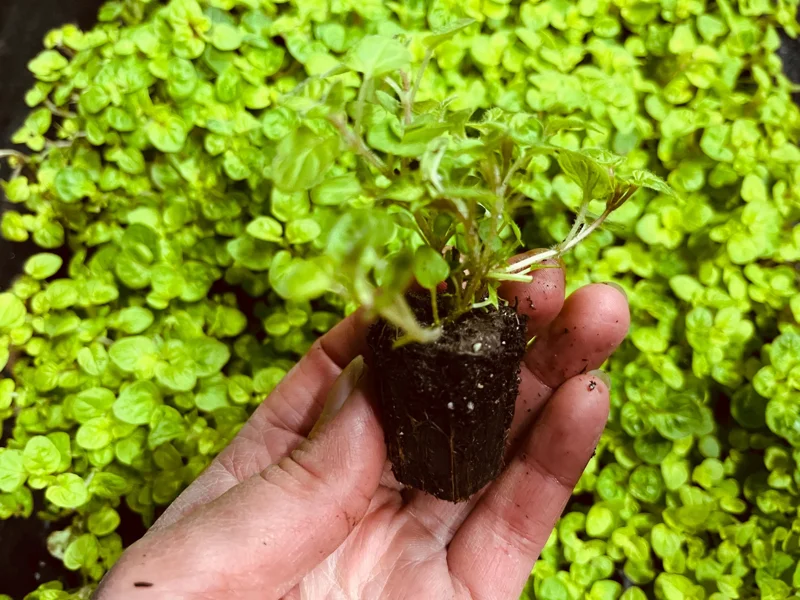
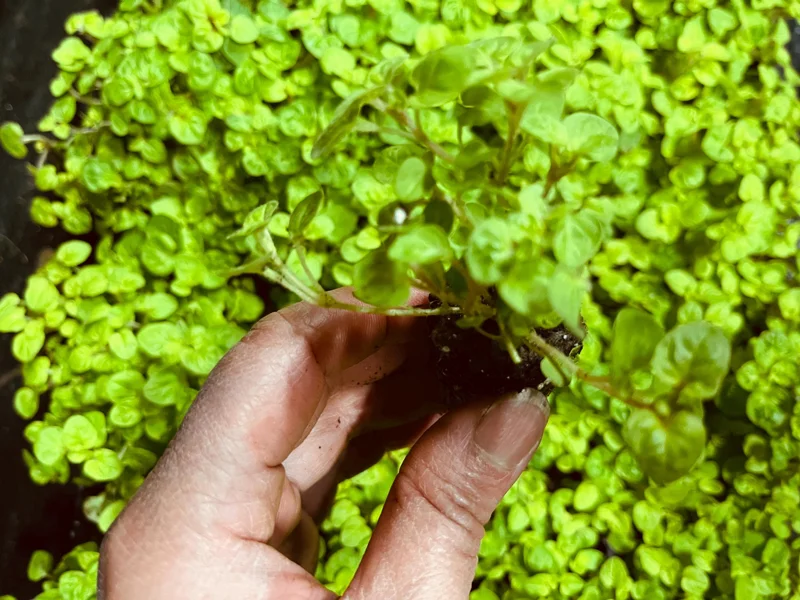
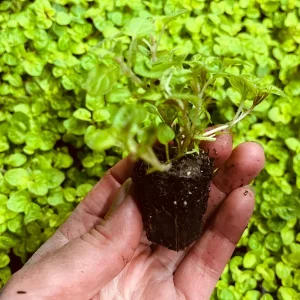
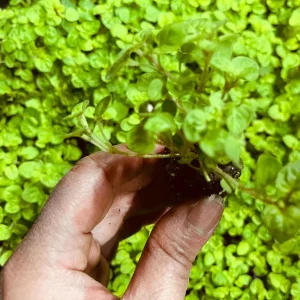
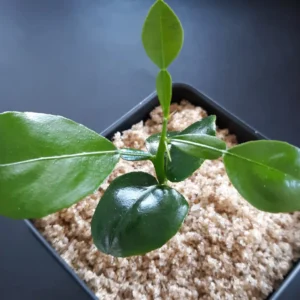
Your marjoram live plant will arrive as a healthy, well-rooted starter plant, ready for transplanting into its permanent home. Plants typically come in a 1-inch or 3-inch pot, providing a robust root system for quick establishment. While sizes may vary slightly due to natural growth, each plant is carefully selected to ensure vitality. Marjoram typically grows to a height of 1-2 feet and spreads similarly, forming a compact, bushy habit. With proper care, it’s a fast grower, allowing for harvests within weeks of planting. This perennial herb offers a moderate growth rate, establishing itself quickly and providing fresh leaves throughout the growing season, or year-round when grown indoors. It’s an excellent option for those looking for a productive culinary herb plant that delivers consistent flavor.
Frequently Asked Questions
- Q: How big does this marjoram live plant get? A: A well-established marjoram live plant typically grows to about 1-2 feet tall and wide, forming a compact and bushy shape. Its final size can depend on growing conditions and pot size if container-grown.
- Q: Is this an indoor or outdoor plant? A: This marjoram plant is versatile and can thrive both indoors on a bright windowsill with plenty of light or outdoors in a sunny garden bed. It performs best in warm climates but can be grown as an annual in colder zones.
- Q: How much sunlight does this marjoram need? A: Marjoram requires full sun, meaning at least 6-8 hours of direct sunlight per day. If growing indoors, ensure it receives ample bright light to maintain healthy growth and flavor.
- Q: Is this plant easy to care for? A: Yes, marjoram is considered an easy-to-care-for herb, making it excellent for beginners. It’s drought-tolerant once established and generally pest-resistant, requiring minimal maintenance beyond regular watering and harvesting. For detailed marjoram plant care, refer to our growing tips.
- Q: What condition will the marjoram live plant arrive in? A: Your plant will arrive as a healthy, well-rooted starter plant in its “starter” phase, carefully packaged to protect its tender stems and soil during transit, ensuring it arrives nursery-fresh and ready to thrive.
- Q: Can I use marjoram in cooking? A: Absolutely! Marjoram is a fantastic culinary herb, famous for its sweet, delicate flavor. It’s perfect for Mediterranean dishes, flavoring soups, stews, sauces, meats, and is a key ingredient in blends like herbes de Provence. This mediterranean marjoram is a versatile ingredient.
- Q: When is the best time to plant marjoram? A: If planting outdoors, spring after the last frost is ideal. For indoor growing, you can plant your marjoram live plant at any time of year, as long as it has adequate light.
- Q: Will this marjoram plant survive winter in my zone? A: Marjoram is perennial in USDA Zones 7-10. In colder zones (below Zone 7), it is best grown as an annual or brought indoors before temperatures drop below freezing to protect it from harsh winter conditions.
- Q: What is the ideal soil for marjoram? A: Marjoram prefers well-draining soil, ideally sandy or loamy, with a slightly alkaline to neutral pH. Avoid heavy, waterlogged soils, as good drainage is crucial for its health.
- Q: How often should I harvest my marjoram? A: Frequent harvesting encourages bushier growth and more leaves. Simply snip the top 2-3 inches of growth as needed. Regular harvesting also helps maintain the plant’s vigor and prevents it from becoming leggy. This helps you to continue to grow marjoram herb successfully.
| Variety | Marjoram Golden Tip |
|---|---|
| Size | 1 Starter – 1" Plug, 3 Starters – 1" Plug, 6 Starters -1" Plug |
Related products
-30%
Original price was: $67.98.$47.58Current price is: $47.58.
-30%
Original price was: $59.98.$41.98Current price is: $41.98.
-50%
Original price was: $79.96.$39.98Current price is: $39.98.
-20%
From Original price was: $22.00.$17.60Current price is: $17.60.
-30%
Original price was: $99.98.$69.98Current price is: $69.98.
-67%
Original price was: $39.72.$13.24Current price is: $13.24.
-50%
Original price was: $27.96.$13.98Current price is: $13.98.
-30%
Original price was: $59.98.$41.98Current price is: $41.98.
PLANTING & CARE

Growing Glencoe Raspberry: A Complete Guide for Gardeners
If you’re looking to add something unique to your garden, look no further than the
31
Mar
Mar

The Comprehensive Guide to Growing Bay Leaf Plants for a Flavorful Garden
Imagine stepping into your garden, greeted by the earthy aroma of fresh bay leaves, their
09
Feb
Feb

How to Make Comfrey Tea: The Ultimate Organic Plant Food
Growing an organic garden can be surprisingly expensive, especially when most store-bought fertilizers come in
02
Feb
Feb

True Comfrey: 7 Essential Tips Before You Plant This Herb
A staple in permaculture practices across the US, True Comfrey easily earns its reputation as
27
Jan
Jan

7 Heart-Shaped Plants for a Lasting Valentine’s Gift
If you’ve ever bought a bouquet of roses for Valentine’s Day, you know they are
26
Jan
Jan

Best Types of Ivy Plant for Houses: How to Choose the Perfect Ones for Your Home
Are you a garden lover looking to introduce some greenery into your home? Maybe you’ve
14
Nov
Nov

When to Harvest Garlic (Especially Fall-Planted Garlic)
TIMING IS EVERYTHING, they say – and for garlic, that truth hits with surprising accuracy.
13
Nov
Nov

11 of the Best Sweet Potato Varieties to Grow for Your Garden
If you’ve ever tried growing sweet potatoes, you know that picking the right variety can
12
Nov
Nov