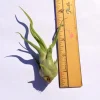
Medusa Air Plant Tillandsia Caput Medusae Live Plant Indoor
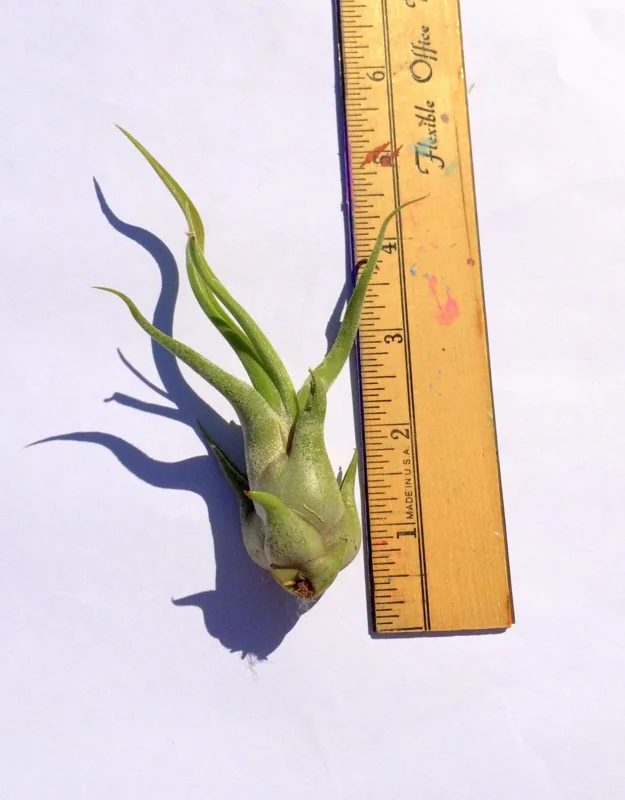
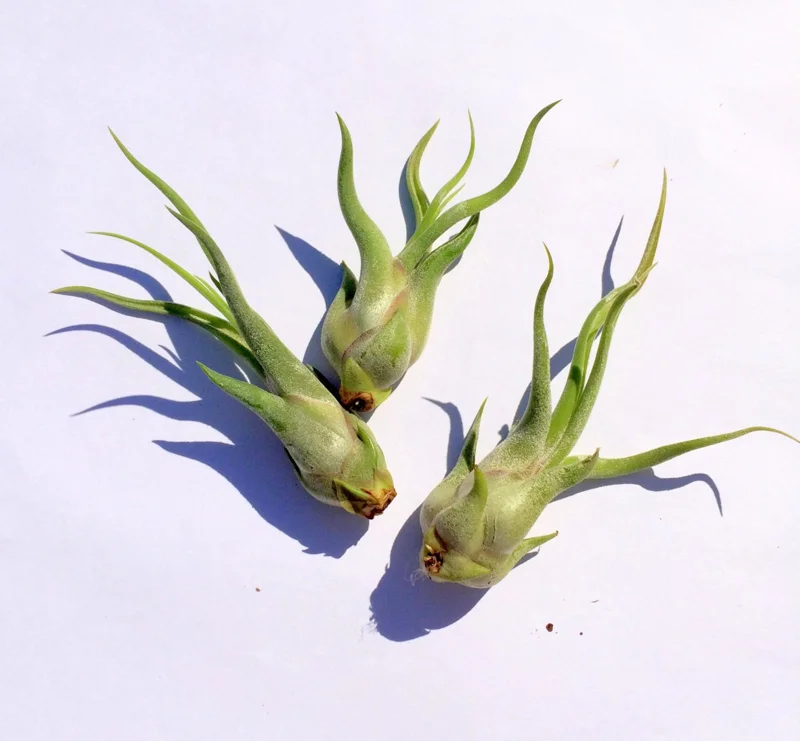


Medusa Air Plant Tillandsia Caput Medusae Live Plant Indoor
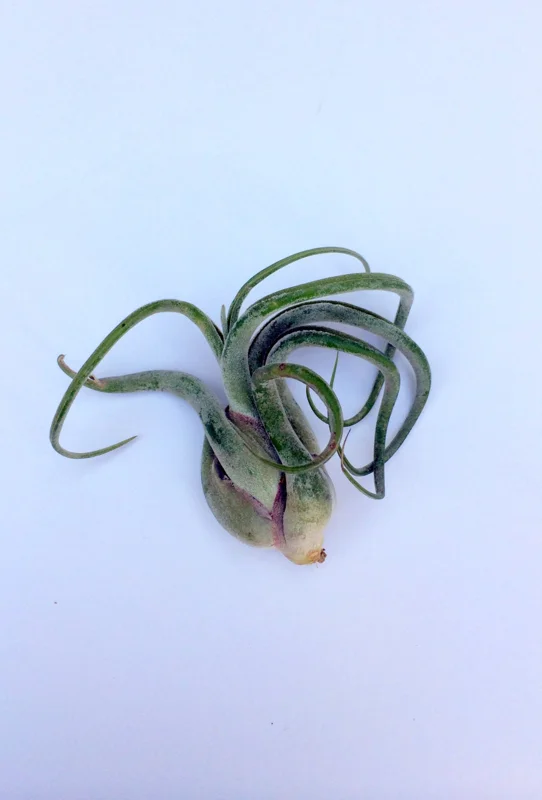
Bring unique natural beauty into your home with the medusa air plant (Tillandsia Caput Medusae). This captivating indoor air plant features distinctive, twisting leaves that mature into an eye-catching display. Perfect for beginners, it requires minimal care and thrives in bright, indirect light, making it an ideal choice for adding greenery to any room or office.
$7.20

With our Alive & Thrive Guarantee, we’ve got your back for the first 30 days! If you have any concerns about your plants, just reach out to us. Our team is here to help answer your questions and guide you in selecting the best plants for your garden, climate, and unique preferences. We're excited to help you create the garden of your dreams!
Estimated arrival
Aug 21
Aug 26 - Aug 28
Aug 31 - Sep 04
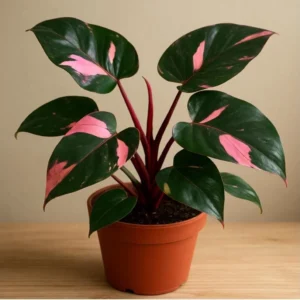
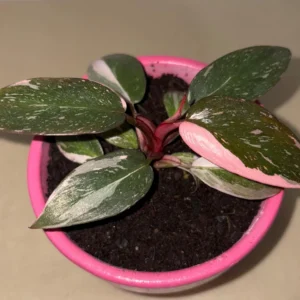
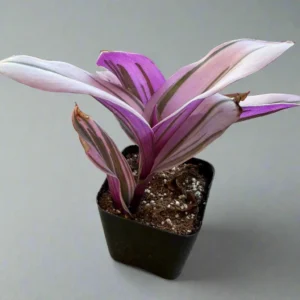
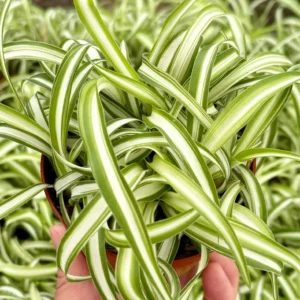
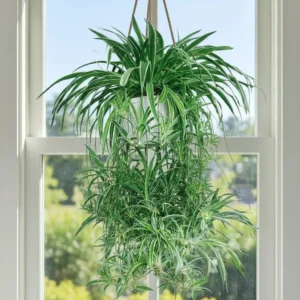
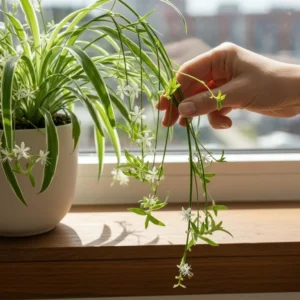
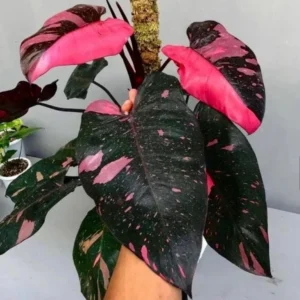
Product Details
-
USDA Hardiness Zone
unknown (indoor plant) -
Soil type
no soil required -
Sunlight Exposure
bright indirect light -
Expected Planting Period
year-round indoors
Overview
Introduce an extraordinary element of living decor to your space with the medusa air plant, scientifically known as Tillandsia Caput Medusae. This fascinating live plant is renowned for its unique, serpentine foliage that resembles the mythical Medusa’s hair, hence its common name. As the plant matures, its leaves will gracefully twist and twirl, creating an ever-evolving, sculptural form. Originating from Central and South America, this epiphytic plant naturally attaches itself to trees and rocks, absorbing nutrients and moisture from the air. It’s a fantastic choice for enthusiasts looking for a low-maintenance yet visually striking addition to their indoor garden. The tillandsia caput medusae is a hardy and adaptable species, making it suitable for both novice and experienced plant collectors alike.
Unlike traditional potted plants, the medusa air plant does not require soil, offering versatile display options. You can place it in terrariums, on decorative stands, or mounted on driftwood, allowing its natural beauty to shine. Its compact size makes it perfect for desks, shelves, or as part of a larger plant arrangement. This particular variety is known for its robust growth and ability to thrive in various indoor conditions, provided its basic needs are met. Its distinctive appearance and ease of care contribute to its growing popularity among houseplant lovers, providing a touch of exotic elegance without the fuss.
Key Benefits
The medusa air plant offers numerous advantages, making it a highly desirable choice for any indoor setting. Its unique aesthetic combined with its simple care requirements creates a perfect harmony for modern living.
- Stunning Ornamental Appeal: The distinctive, twisting leaves of the tillandsia caput medusae create a captivating focal point, adding a touch of natural artistry and intrigue to any room. Its sculptural form makes it a living piece of art.
- Low Maintenance & Easy Care: As an easy care plant, it requires no soil, simplifying its upkeep significantly. Regular misting or occasional soaking is all it needs, making it ideal for busy individuals or those new to plant ownership.
- Versatile Display Options: Its epiphytic nature allows for creative displays in terrariums, on decorative objects, or mounted, offering endless possibilities to enhance your home or office decor.
- Natural Air Purifier: Like many plants, the medusa air plant contributes to a healthier indoor environment by absorbing airborne particles and releasing oxygen, promoting better air quality.
- Compact Size: Its relatively small and manageable size makes it perfect for small spaces, apartments, or adding greenery to desks, bookshelves, and windowsills without taking up much room.
- Unique & Exotic: Stand out from traditional houseplants with this unique specimen. The medusa air plant is sure to spark conversations and add an exotic flair to your plant collection.
- Pet-Friendly: Generally considered non-toxic to pets, making it a safer choice for households with curious cats and dogs, though moderation is always advised.
Plant Care & Growing Tips
Caring for your medusa air plant is straightforward, making it a joy for both beginners and experienced plant enthusiasts. Understanding its natural habitat helps in replicating the best conditions indoors. These plants thrive with consistent, yet not excessive, moisture and good air circulation. The key to successful air plant care is balancing watering with proper drying to prevent rot.
For sunlight, the Tillandsia Caput Medusae prefers bright, indirect light. Place it near a window where it receives plenty of ambient light but is shielded from direct, harsh sun, especially during the hottest parts of the day, which can scorch its leaves. An east or north-facing window is often ideal. If your indoor space lacks sufficient natural light, a grow light can be a beneficial supplement, providing the necessary illumination for healthy growth. Regarding watering, the most common method is soaking. Submerge your medusa air plant in a bowl of room-temperature water for 20-30 minutes once a week. After soaking, gently shake off excess water and place the plant upside down on a towel in a well-ventilated area to dry completely within 2-4 hours. This crucial drying step prevents water from collecting in the base of the plant, which can lead to rot. In drier environments or during warmer months, you might need to mist your plant a few times a week between soaks. Avoid using distilled or softened water; rainwater or tap water that has sat out overnight to allow chlorine to dissipate is best. Fertilization is not strictly necessary but can promote blooming and vigorous growth. Use a specialized tillandsia fertilizer, diluted to quarter strength, every 2-4 weeks during the growing season (spring and summer).
Maintaining appropriate temperature and humidity is also important for your tillandsia caput medusae. They prefer temperatures between 60-80°F (15-27°C) and appreciate moderate to high humidity. If your home is very dry, consider placing your air plant near a humidifier or grouping it with other plants to create a microclimate. Good air circulation is vital, so avoid placing your air plant in enclosed, stagnant spaces immediately after watering. While generally resilient, watch for signs of dehydration like curled or crispy leaves, which indicate a need for more frequent watering, or rot if the base feels mushy, suggesting overwatering or insufficient drying. The medusa air plant is typically pest-free, but occasional inspection for common houseplant pests is always a good practice. Following these simple steps will ensure your indoor air plant remains vibrant and healthy for years to come.
Size & Details
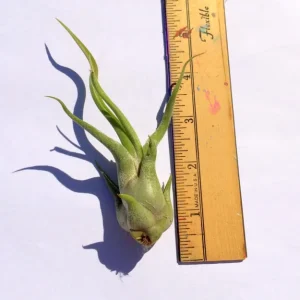
The Medusa Air Plant (Tillandsia Caput Medusae) typically grows to a moderate size, generally reaching about 4-8 inches in height and width at maturity, though individual plants may vary. Its growth rate is considered moderate, and it will gradually develop its characteristic twisting foliage over time. This particular offering provides a healthy, established live plant, ready to thrive in your home. Each plant is unique, and variations in shape, size, and slight color nuances are natural, ensuring you receive a one-of-a-kind specimen. It is shipped as a bare-root plant, as air plants do not require soil, making it easy to integrate into your chosen display immediately upon arrival. Expect your tillandsia caput medusae to begin showing significant new growth and more pronounced leaf twisting within a few months of proper care.
While blooming is not guaranteed upon arrival, mature medusa air plants produce a vibrant, often red or pink inflorescence with small, tubular violet or blue flowers. This blooming event is a spectacular display, after which the mother plant will typically produce ‘pups’ or offsets. These pups can be separated once they reach about one-third to one-half the size of the mother plant, allowing you to propagate and expand your collection of these fascinating indoor air plants. This plant is a fantastic choice for those seeking a unique, living accent that offers visual appeal and easy maintenance without the complexities of traditional potted plants.
Frequently Asked Questions
- Q: How big does this medusa air plant get? A: The medusa air plant typically grows to an average size of 4-8 inches in height and width. Its unique twisting leaves will become more pronounced as it matures, creating a distinctive sculptural look.
- Q: Is this an indoor or outdoor plant? A: While it can tolerate outdoor conditions in very mild climates, the medusa air plant is primarily considered an indoor air plant in most regions, thriving in bright, indirect light within your home or office.
- Q: How much sunlight does it need? A: This tillandsia caput medusae prefers bright, indirect sunlight. Avoid direct, harsh sun exposure, especially in the afternoon, which can scorch its leaves. A spot near an east or north-facing window is often ideal.
- Q: Is this plant easy to care for? A: Yes, the medusa air plant is known for being an easy care plant. It doesn’t require soil and can be maintained with weekly soaks or regular misting, followed by proper drying.
- Q: How do I water my medusa air plant? A: The best method for air plant care is to soak your plant in room-temperature water for 20-30 minutes once a week. After soaking, shake off excess water and allow it to dry completely upside down in a well-ventilated area within 2-4 hours.
- Q: What condition will the plant arrive in? A: Your medusa air plant will arrive as a healthy, established bare-root specimen, carefully packaged to ensure its safe journey to your home. It will be ready for display upon arrival.
- Q: Will it bloom? If so, what do the blooms look like? A: Mature tillandsia caput medusae plants can produce a beautiful inflorescence, often red or pink, with small violet or blue tubular flowers. Blooming is a sign of a happy, healthy plant.
- Q: Is the medusa air plant pet-safe? A: Generally, air plants, including the medusa air plant, are considered non-toxic to pets. However, it’s always best to monitor pets and prevent them from ingesting plant material.
- Q: How can I tell if my air plant is getting enough water? A: Signs of dehydration include leaves that are more tightly curled, feel lighter, or appear crispy. If this happens, increase the frequency of watering or consider longer soaks.
- Q: What kind of soil does this tillandsia caput medusae need? A: Air plants are epiphytes and do not require soil. They absorb moisture and nutrients directly from the air through their specialized leaves.
| Size | 2" Inches, 3" And Up Inches |
|---|
Related products
-35%
Original price was: $72.52.$47.14Current price is: $47.14.
-30%
Original price was: $13.98.$9.78Current price is: $9.78.

-39%
Original price was: $49.00.$29.99Current price is: $29.99.
-30%
Original price was: $25.98.$18.18Current price is: $18.18.
PLANTING & CARE

How to Grow and Care Pequin Peppers
If you’re a chili enthusiast who loves a fiery kick in a small package, you
17
Aug
Aug
How to Grow Persian Silk Trees Easily in Your Garden
If you’re looking for a tree that brings a soft, tropical feel to your garden,
04
Aug
Aug

How to Grow Blue Java Banana Trees: A Beginner’s Guide
Have you ever heard of the Blue Java banana tree? If not, you’re in for
28
Jun
Jun

5 Common Blue Java Banana Tree Problems and How to Fix Them
Have you ever looked at your Blue Java banana tree (aka “ice cream banana”) and
19
Jun
Jun

Top 10 Plants for Father’s Day to Honor Dad This Father’s Day
Father’s Day is a special time to show your dad just how much he means
19
Jun
Jun

The Comprehensive Guide to Growing Bougainvillea for Colorful Blooms
Have you ever wanted your garden to be filled with brilliant color and tropical energy
19
Jun
Jun

How to Successfully Plant Bare Root Strawberries in Containers
Have you ever wondered about planting strawberries in containers, but aren’t sure where to begin?
11
Jun
Jun
Top 5 Easiest Ornamental Trees to Grow for Beginners
Ever feel overwhelmed by the idea of planting a tree in your yard? You’re not
11
Jun
Jun