Medusa’s Head Succulent Plant – Rare Live 4 inch Potted Houseplant
-50%
Medusa’s Head Succulent Plant – Rare Live 4 inch Potted Houseplant
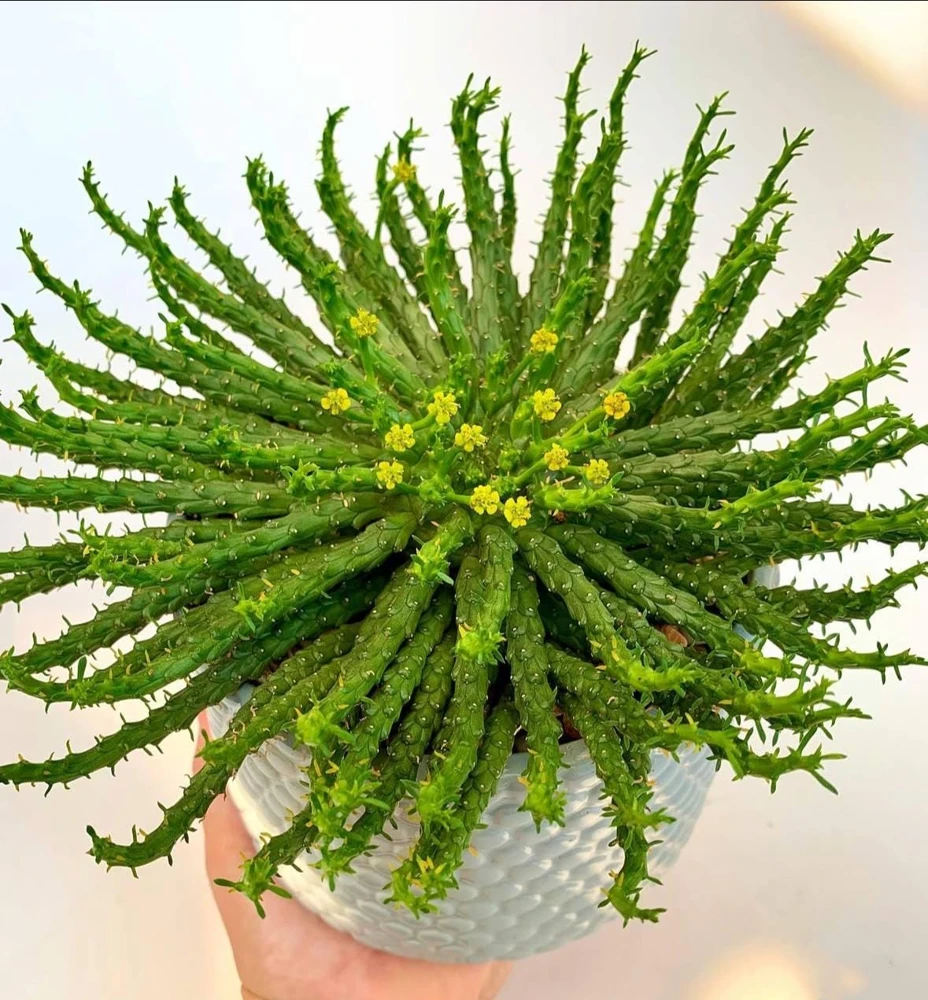
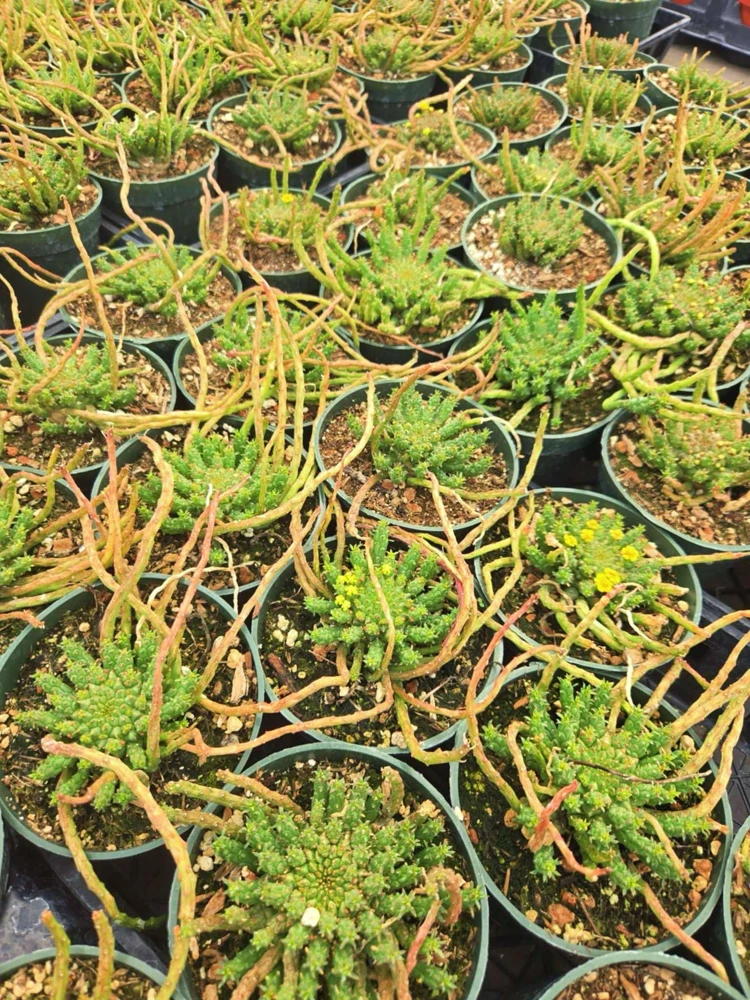
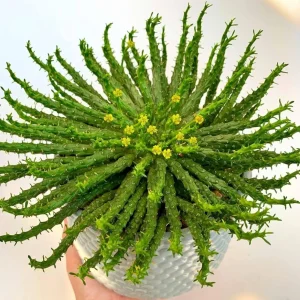
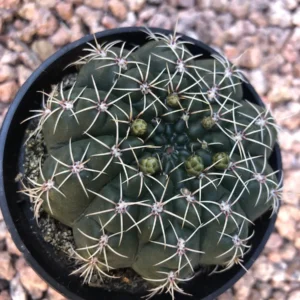
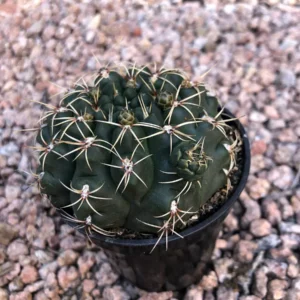
Bring home a unique botanical treasure with the Medusa’s Head succulent. This rare succulent plant is a captivating live 4-inch potted specimen, known for its distinctive snake-like branches. It’s an ideal indoor succulent for collectors and enthusiasts, offering low-maintenance beauty.
Original price was: $60.00.$30.00Current price is: $30.00.

With our Alive & Thrive Guarantee, we’ve got your back for the first 30 days! If you have any concerns about your plants, just reach out to us. Our team is here to help answer your questions and guide you in selecting the best plants for your garden, climate, and unique preferences. We're excited to help you create the garden of your dreams!
Estimated arrival
Oct 14
Oct 19 - Oct 21
Oct 24 - Oct 28
Product Details
-
USDA Hardiness Zone
USDA zones 9-11 (outdoors), otherwise year-round indoors -
Soil type
Fast-draining succulent and cactus mix with perlite -
Sunlight Exposure
Bright, indirect light -
Expected Planting Period
Year-round indoors
Overview
Introduce a truly unique botanical marvel to your collection with the Medusa’s Head succulent. This fascinating live plant, scientifically known as Euphorbia flanaganii, is a highly sought-after rare succulent plant that captivates with its distinctive appearance. Originating from South Africa, its common name, ‘Medusa’s Head’, perfectly describes its radiating, snake-like stems that emerge from a central caudex, creating a striking conversation piece. Each 4-inch potted specimen is a testament to nature’s artistry, promising to add an exotic and intriguing touch to any indoor garden or succulent display. This particular Euphorbia flanaganii is a robust and healthy live plant, ready to thrive in its new home and bring a touch of the extraordinary to your living space. Its architectural form makes it a focal point, drawing the eye and sparking curiosity among plant lovers and novices alike.
The Medusa’s Head succulent is not just a plant; it’s a living sculpture that evolves with time. As it matures, the central caudex thickens, and the ‘snakes’ can grow longer, creating an even more dramatic effect. This rare succulent plant is a fantastic choice for those looking for something beyond the ordinary, offering both aesthetic appeal and the satisfaction of nurturing a unique species. Its resilient nature makes it a rewarding plant for both experienced succulent growers and those new to the hobby, providing an opportunity to cultivate a truly special piece of living art. With proper succulent plant care, this plant will flourish, becoming an enduring highlight of your indoor plant collection.
Key Benefits
The Medusa’s Head succulent offers a range of benefits that make it an excellent addition to any home or office. Its distinctive form and easy care requirements contribute to its appeal as a prized houseplant.
-
Unique Aesthetic Appeal: The radiating, snake-like branches of this rare succulent plant create a striking, sculptural appearance that serves as a captivating focal point in any room. It’s a living piece of art that instantly elevates your decor.
-
Low Maintenance: Ideal for busy individuals or beginner plant parents, the Medusa’s Head succulent requires minimal watering and attention. Its drought-tolerant nature means it forgives occasional neglect, making succulent plant care straightforward.
-
Collector’s Item: As a rare succulent plant, Euphorbia flanaganii is highly sought after by collectors, adding prestige and uniqueness to your plant collection. Owning one means possessing a special botanical treasure.
-
Adaptable to Indoor Environments: This particular indoor succulent thrives in a variety of indoor settings, provided it receives adequate light. It’s well-suited for windowsills, desks, or shelves where its unique form can be admired.
-
Drought Tolerant: Like most succulents, the Medusa’s Head succulent stores water in its fleshy stems, allowing it to withstand periods of dryness. This characteristic simplifies its care routine significantly.
-
Conversation Starter: Its unusual and intriguing appearance is guaranteed to spark conversations and draw attention, making it a perfect plant for social spaces.
Plant Care & Growing Tips
Proper succulent plant care is essential for the health and vitality of your Medusa’s Head succulent. This Euphorbia flanaganii, while relatively low-maintenance, thrives best when its specific needs are met. For light, place your plant in bright, indirect light indoors. A south or west-facing window with a sheer curtain is often ideal. If placed outdoors, ensure it is in a shaded area, as prolonged direct sunlight can scorch its delicate stems. Aim for at least 4-6 hours of bright light daily. When it comes to watering, less is more. Water infrequently, typically no more than once a week, and always allow the soil to completely dry out between waterings. Overwatering is the most common cause of succulent demise, leading to root rot. Test the soil by inserting your finger about an inch deep; if it feels dry, it’s time to water.
The right soil mix is crucial for this indoor succulent. Use a fast-draining soil mix primarily composed of peat moss and/or a succulent and cactus mix, supplemented with plenty of perlite or pumice. This ensures excellent drainage and aeration, preventing waterlogged roots. If kept indoors, using a well-draining terracotta pot can further promote healthy root growth by allowing excess moisture to evaporate through the pot’s walls. The Medusa’s Head succulent prefers warm temperatures, ideally between 65-80°F (18-27°C) during the day and not below 50°F (10°C) at night. It is not frost-tolerant, so bring it indoors if temperatures drop. Fertilize once a month during the growing season (spring and summer) with a balanced liquid houseplant food diluted to half strength. During fall and winter, reduce watering and cease fertilization as the plant enters a period of dormancy. Keep an eye out for common pests like mealybugs; treat with insecticidal soap if necessary, ensuring to protect your unique rare succulent plant.
Size & Details
Each purchase includes one live Medusa’s Head succulent, potted in a 4-inch nursery pot. This size is perfect for immediate display on a windowsill, desk, or as part of a larger succulent arrangement. The plant’s overall height and spread will vary slightly due to its natural growth patterns, but it will be a healthy, established specimen with multiple radiating stems. While young, the plant remains compact, typically spreading 6-10 inches wide. With proper succulent plant care, this plant will grow into a more substantial specimen, with its ‘snakes’ potentially reaching lengths of 12 inches or more.
The plant is shipped with its roots intact within the 4-inch pot, ensuring minimal transplant shock upon arrival. Its growth rate is moderate, allowing you to enjoy its unique development over time. This particular Euphorbia flanaganii is a robust and visually appealing variety, known for its distinctive form. Expect a healthy, vibrant indoor succulent ready to thrive in your home. The plant is a fantastic representation of a rare succulent plant, offering a unique addition to any collection.
Frequently Asked Questions
-
Q: How big does this Medusa’s Head succulent get? A: This rare succulent plant is currently supplied in a 4-inch pot. While young, it’s compact, but mature plants can spread up to 10-12 inches with stems reaching similar lengths, especially with good succulent plant care.
-
Q: Is this an indoor or outdoor plant? A: The Medusa’s Head succulent can be grown both indoors and outdoors. It thrives as an indoor succulent in bright, indirect light, and outdoors in shaded areas, especially in warmer climates (USDA zones 9-11).
-
Q: How much sunlight does it need? A: This Euphorbia flanaganii prefers bright, indirect sunlight for at least 4-6 hours a day. Avoid prolonged direct afternoon sun, which can cause scorching of its unique stems.
-
Q: Is this plant easy to care for? A: Yes, the Medusa’s Head succulent is considered relatively easy to care for, making it suitable for both beginners and experienced plant enthusiasts. Its drought-tolerant nature simplifies its watering needs significantly.
-
Q: What condition will it arrive in? A: Your rare succulent plant will arrive as a live, healthy 4-inch potted specimen, carefully packaged to ensure its safe journey. It will be rooted in soil, ready for its new home.
-
Q: What kind of soil is best for this indoor succulent? A: A fast-draining soil mix is essential. We recommend a succulent and cactus mix, augmented with perlite or pumice to ensure excellent drainage and prevent root rot.
-
Q: How often should I water my Medusa’s Head succulent? A: Water sparingly, allowing the soil to dry out completely between waterings. In most climates, once a week or less is sufficient, especially during cooler months.
-
Q: Is this plant known by any other names? A: Yes, besides Medusa’s Head succulent, it is also commonly known as Euphorbia flanaganii, which is its scientific botanical name.
-
Q: What is the ideal temperature range for this plant? A: This rare succulent plant prefers warm temperatures, ideally between 65-80°F (18-27°C), and should be protected from temperatures below 50°F (10°C) to thrive.
-
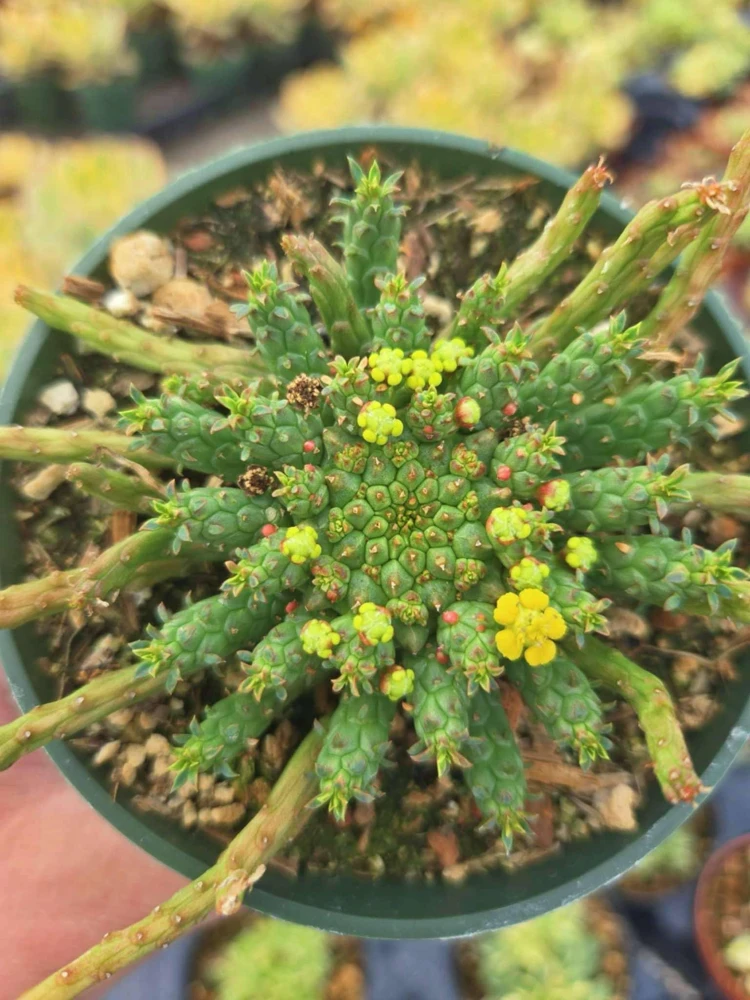
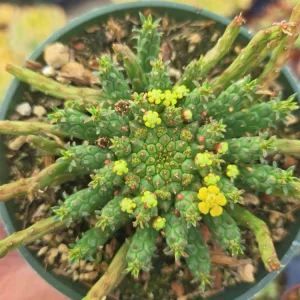
Q: Does this Euphorbia flanaganii produce flowers? A: Yes, the Medusa’s Head succulent produces small, inconspicuous, yellowish-green flowers, often near the center of the plant, adding to its unique charm.
Related products
-30%
Original price was: $79.98.$55.98Current price is: $55.98.
-39%
Original price was: $39.98.$24.50Current price is: $24.50.
-30%
Original price was: $85.98.$60.18Current price is: $60.18.
-30%
Original price was: $47.98.$33.58Current price is: $33.58.
-30%
Original price was: $49.98.$34.98Current price is: $34.98.
-30%
Original price was: $47.98.$33.58Current price is: $33.58.
PLANTING & CARE
Lemon Tree Growing: Choose, Plant, and Harvest
Learn how to choose, plant, feed, and protect a lemon tree so it fits your
23
Sep
Sep
Dwarf Meyer Lemon Tree Australia: Climate Guide
Learn where dwarf Meyer lemon trees grow, how much cold they tolerate, and whether Australia,
Where to Buy a Dwarf Meyer Lemon Tree: Buyer’s Guide
Find the right dwarf Meyer lemon tree online or locally, compare starter sizes and costs,
Dwarf Meyer Lemon Tree for Sale: Buying Guide
Compare Meyer lemon tree sizes, prices, shipping limits, indoor growing and California options before you
Dwarf Meyer Lemon Tree Guide: Size, Care and Fruit
META: Learn how large a dwarf Meyer lemon tree grows, where it thrives, and how
How to Prune a Dwarf Meyer Lemon Tree
Learn when and how to prune a dwarf Meyer lemon tree, including tools, shaping cuts,
Can You Grow a Dwarf Meyer Lemon Tree in a Pot?
META: Learn how to grow a dwarf Meyer lemon tree in a pot, including container
When Do Dwarf Meyer Lemon Trees Bloom and Fruit?
META: Dwarf Meyer lemon trees usually bloom from winter through spring and may flower again