Merry Go Round Cape Sundew Carnivorous Live Plant Drosera Capensis 3 inch Pot Indoor/Outdoor
-50%
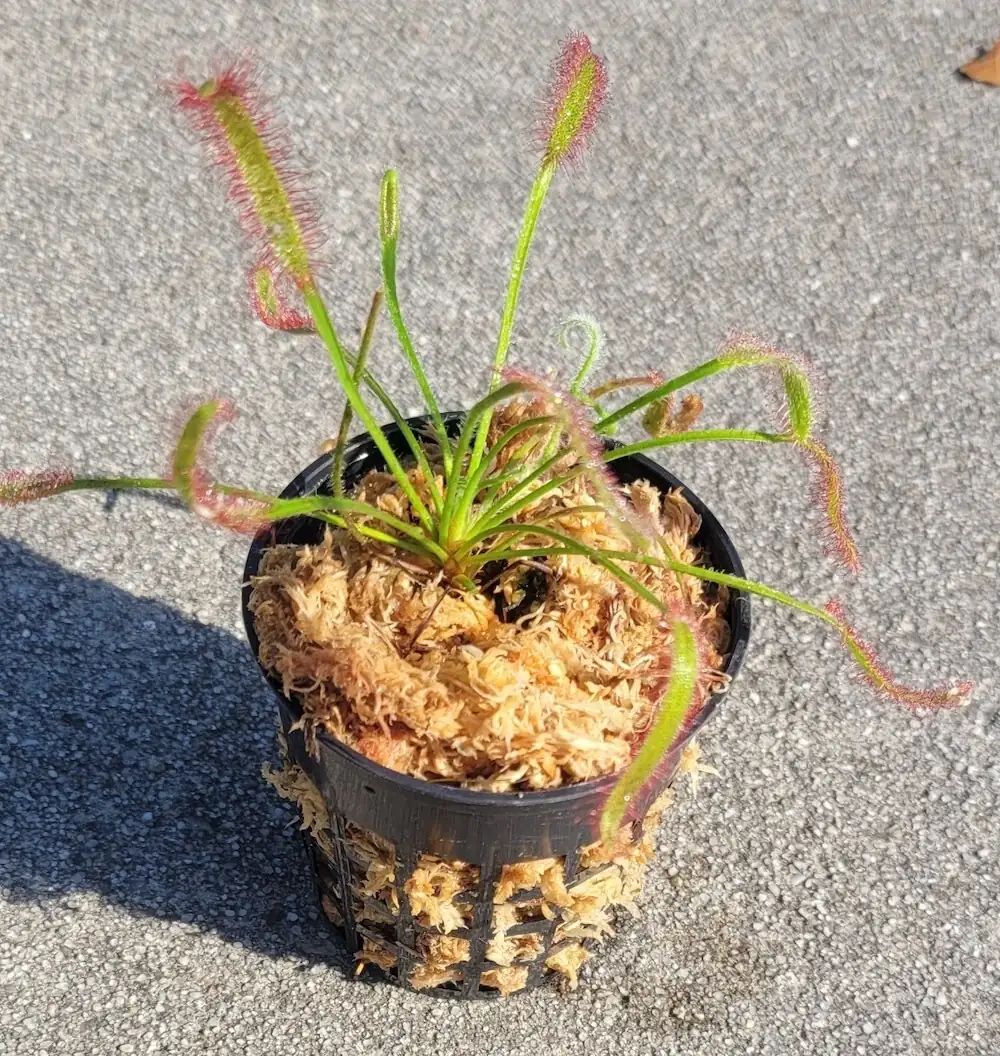
Merry Go Round Cape Sundew Carnivorous Live Plant Drosera Capensis 3 inch Pot Indoor/Outdoor
Bring home a captivating cape sundew live plant with the ‘Merry Go Round’ variety of Drosera Capensis. This unique carnivorous plant features dazzling, sticky tentacles that trap insects, making it a natural pest control solution and an intriguing focal point for your home or garden. Shipped in a 3 inch pot, it’s ready to thrive indoors or outdoors in suitable climates.
Original price was: $79.96.$39.98Current price is: $39.98.

With our Alive & Thrive Guarantee, we’ve got your back for the first 30 days! If you have any concerns about your plants, just reach out to us. Our team is here to help answer your questions and guide you in selecting the best plants for your garden, climate, and unique preferences. We're excited to help you create the garden of your dreams!
Estimated arrival
Apr 13
Apr 18 - Apr 20
Apr 23 - Apr 27



Product Details
-
USDA Hardiness Zone
10 -
Soil type
Peat moss and perlite or horticultural sand -
Sunlight Exposure
Full Sun -
Expected Planting Period
Year-round indoors
Overview
Introduce an extraordinary botanical marvel to your collection with the cape sundew live plant, specifically the enchanting ‘Merry Go Round’ variety of Drosera Capensis. This active carnivorous plant is renowned for its vibrant, dew-tipped tentacles that glisten in the sunlight, attracting and ensnaring small insects. The ‘Merry Go Round’ cultivar is particularly prized for its compact, spiraling growth habit, resembling a miniature botanical carousel. Perfect for both novice and experienced growers, this drosera capensis care is relatively straightforward, making it an accessible and rewarding addition to any plant enthusiast’s home. Each plant arrives healthy and established in a 3 inch pot, ensuring a smooth transition to its new environment. Witness nature’s intricate design firsthand as this fascinating plant actively captures its prey, providing both natural pest control and an engaging display.
The Drosera capensis, commonly known as the Cape Sundew, is native to the Cape in South Africa. Its unique insect-trapping mechanism and resilience have made it one of the most popular and easiest-to-grow carnivorous plants globally. The ‘Merry Go Round’ form accentuates these qualities with its distinctive, attractive rosette shape. This carnivorous plant for beginners offers an opportunity to observe a truly dynamic plant that adds an exotic touch to any indoor or outdoor setting.
Key Benefits
The ‘Merry Go Round’ Cape Sundew offers a range of benefits beyond its captivating appearance, making it a highly desirable plant for various settings. Its unique characteristics contribute to both aesthetic appeal and environmental advantages:
- Natural Pest Control: The sticky dew on the leaves effectively traps small insects like gnats, fruit flies, and mosquitoes, providing an organic and chemical-free method of pest management in your home or garden. This makes the cape sundew live plant a functional and beautiful choice.
- Unique Aesthetic Appeal: With its bright, glistening tentacles and distinctive ‘Merry Go Round’ growth pattern, this sundew is a living work of art. It adds an exotic and intriguing focal point to windowsills, terrariums, or outdoor bog gardens, drawing attention and sparking conversation.
- Educational Value: Observing the carnivorous nature of the drosera capensis care and its insect-trapping mechanism provides a fascinating educational experience for all ages, perfect for teaching about plant adaptations and ecosystems.
- Low Maintenance for Carnivorous Plants: Compared to other carnivorous species, the Cape Sundew is remarkably forgiving and easy to care for, making it an ideal carnivorous plant for beginners. It thrives with consistent moisture and bright light.
- Adaptable Growth: This sundew plant indoor can flourish in a variety of environments, from sunny windowsills to humid terrariums, and even outdoors in appropriate climates. Its hardiness allows for flexible placement.
- Non-Toxic to Pets: Unlike some houseplants, the Cape Sundew is generally considered non-toxic to cats and dogs, offering peace of mind for pet owners who want to enjoy the beauty of carnivorous plants.
- Conversation Starter: Its unusual appearance and insect-eating habits make it an instant conversation piece, perfect for adding character to any room or office.
Plant Care & Growing Tips
Proper drosera capensis care is essential for the health and vibrancy of your ‘Merry Go Round’ Cape Sundew. These plants thrive when their specific environmental needs are met, ensuring vigorous growth and abundant dew production. For optimal growth, provide your cape sundew live plant with plenty of bright light. Full sun exposure for at least 4-6 hours daily is ideal, whether indoors on a sunny windowsill (east or south-facing is best) or outdoors. If growing indoors, consider supplementing with a grow light, especially during shorter winter days, to maintain its vibrant color and dew production. Insufficient light can lead to a lack of dew and leggy growth.
Watering is critical for sundews. They require consistently moist soil and prefer distilled water, rainwater, or reverse osmosis water. Tap water, especially if it’s hard or chlorinated, can quickly lead to mineral buildup and harm the plant. The easiest method is to use the tray method: keep the pot sitting in a tray of about 1 inch of water. Allow the tray to dry out occasionally for a day or two before refilling to prevent root rot, but never let the soil dry out completely. The ideal soil mix for a sundew is a combination of peat moss and perlite or horticultural sand, typically a 1:1 ratio. This provides the necessary acidity and excellent drainage. Avoid nutrient-rich potting soils, as carnivorous plants are adapted to nutrient-poor environments.
The ‘Merry Go Round’ Cape Sundew prefers warm temperatures, ideally between 65-85°F (18-29°C), but can tolerate slightly cooler night temperatures. It is hardy in USDA Hardiness Zone 10 for outdoor cultivation, but often grown as a sundew plant indoor in colder climates. Humidity is beneficial but not strictly necessary if the plant is well-watered. Fertilization is not required; the plant obtains its nutrients from the insects it catches. If your plant is not catching enough insects, you can occasionally feed it small, flightless insects or a very diluted carnivorous plant fertilizer directly to the leaves, but this is rarely needed. Watch out for common pests like aphids or mealybugs, which can be treated with insecticidal soap or by manual removal. Learning how to grow sundew successfully involves understanding these specific requirements.
Size & Details
This ‘Merry Go Round’ Cape Sundew (Drosera Capensis) is provided as a healthy, established cape sundew live plant in a 3 inch pot. At the time of shipping, the plant typically measures approximately 2-4 inches in diameter, with individual leaves reaching 1-2 inches in length. Its compact, rosette-forming habit makes it an excellent choice for windowsills, desks, or terrariums. The plant will continue to grow and develop its characteristic spiraling leaves, reaching an mature size of about 4-6 inches in diameter under optimal conditions. It is a relatively fast grower for a carnivorous plant, often showing noticeable development within weeks of proper care. It is shipped as a live, rooted plant, carefully packaged to ensure its safe arrival. Expect vibrant green leaves with glistening red tentacles, ready to begin catching insects upon arrival. This variety offers a unique display of the drosera capensis care and growth cycle.
Frequently Asked Questions
- Q: How big does this plant get? A: The ‘Merry Go Round’ Cape Sundew typically grows to about 4-6 inches in diameter when mature. It maintains a compact, attractive rosette shape, making it ideal for smaller spaces.
- Q: What size pot does it come in? A: Each cape sundew live plant is shipped in a 3 inch pot, providing a stable and ready-to-grow environment. You may consider repotting it into a slightly larger pot as it grows.
- Q: Is this an indoor or outdoor plant? A: This sundew can thrive both indoors and outdoors. It is an excellent sundew plant indoor for sunny windowsills or terrariums, and can be grown outdoors in USDA Hardiness Zone 10.
- Q: How much sunlight does it need? A: The ‘Merry Go Round’ Cape Sundew requires plenty of bright light, ideally 4-6 hours of direct sunlight daily. East or south-facing windows are perfect indoors.
- Q: Is this plant easy to care for? A: Yes, the Cape Sundew is considered one of the easiest carnivorous plants to care for, making it a great carnivorous plant for beginners. Key is consistent moisture with pure water and ample sunlight.
- Q: What condition will it arrive in? A: Your drosera capensis care begins with us; the plant will arrive healthy, well-packaged, and actively producing dew, ready to adapt to its new home.
- Q: Is it shipped in soil? A: Yes, the plant is shipped fully rooted in its 3 inch pot with an appropriate carnivorous plant soil mix, ready for immediate display.
- Q: How long until it blooms? A: Under good care, Cape Sundews can bloom multiple times a year, producing tall flower stalks with small, delicate pink or white flowers.
- Q: What’s the minimum temperature this plant can tolerate? A: While it prefers warmer temperatures, it can tolerate brief dips to around 40°F (4°C) but thrives best above 60°F (15°C). It is not frost-tolerant.
- Q: How often should I water my Cape Sundew? A: Keep the soil consistently moist using the tray method with distilled, rainwater, or RO water. Never let the soil dry out completely. This is crucial for how to grow sundew successfully.
Related products
-30%
Original price was: $13.98.$9.78Current price is: $9.78.
-25%
Original price was: $20.90.$15.68Current price is: $15.68.
-30%
Original price was: $129.98.$90.98Current price is: $90.98.
-25%
Original price was: $16.80.$12.60Current price is: $12.60.
-25%
Original price was: $23.80.$17.84Current price is: $17.84.
-35%

Original price was: $37.24.$24.20Current price is: $24.20.
PLANTING & CARE

Growing Glencoe Raspberry: A Complete Guide for Gardeners
If you’re looking to add something unique to your garden, look no further than the
31
Mar
Mar

The Comprehensive Guide to Growing Bay Leaf Plants for a Flavorful Garden
Imagine stepping into your garden, greeted by the earthy aroma of fresh bay leaves, their
09
Feb
Feb

How to Make Comfrey Tea: The Ultimate Organic Plant Food
Growing an organic garden can be surprisingly expensive, especially when most store-bought fertilizers come in
02
Feb
Feb

True Comfrey: 7 Essential Tips Before You Plant This Herb
A staple in permaculture practices across the US, True Comfrey easily earns its reputation as
27
Jan
Jan

7 Heart-Shaped Plants for a Lasting Valentine’s Gift
If you’ve ever bought a bouquet of roses for Valentine’s Day, you know they are
26
Jan
Jan

Best Types of Ivy Plant for Houses: How to Choose the Perfect Ones for Your Home
Are you a garden lover looking to introduce some greenery into your home? Maybe you’ve
14
Nov
Nov

When to Harvest Garlic (Especially Fall-Planted Garlic)
TIMING IS EVERYTHING, they say – and for garlic, that truth hits with surprising accuracy.
13
Nov
Nov

11 of the Best Sweet Potato Varieties to Grow for Your Garden
If you’ve ever tried growing sweet potatoes, you know that picking the right variety can
12
Nov
Nov