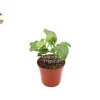
Milkweed Live Plant – 8-12 Inch Tall – Half Gallon Pot – Outdoor Perennial
-21%
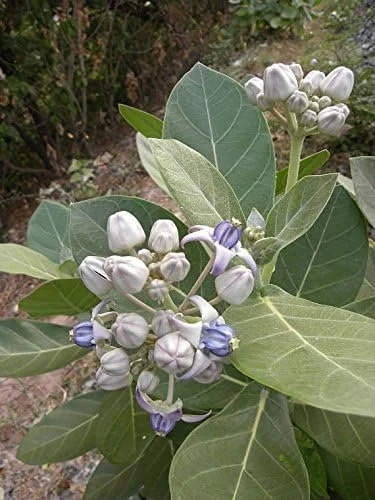
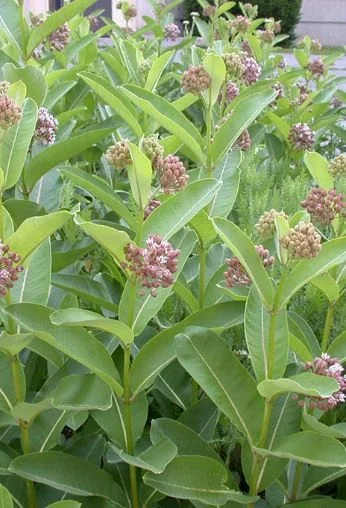
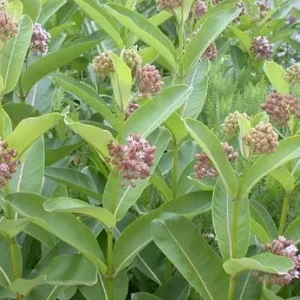
Milkweed Live Plant – 8-12 Inch Tall – Half Gallon Pot – Outdoor Perennial
Bring life to your garden with this vibrant milkweed live plant, measuring 8-12 inches tall and delivered in a half-gallon pot. Essential for supporting monarch butterfly populations, this perennial is a must-have for any pollinator-friendly landscape. Easy to grow and beautiful to behold.
Original price was: $49.96.$39.56Current price is: $39.56.

With our Alive & Thrive Guarantee, we’ve got your back for the first 30 days! If you have any concerns about your plants, just reach out to us. Our team is here to help answer your questions and guide you in selecting the best plants for your garden, climate, and unique preferences. We're excited to help you create the garden of your dreams!
Estimated arrival
Mar 31
Apr 05 - Apr 07
Apr 10 - Apr 14
Product Details
-
USDA Hardiness Zone
USDA zones 3-9 -
Soil type
Well-draining soil -
Sunlight Exposure
Full sun -
Expected Planting Period
Spring to early summer
Overview
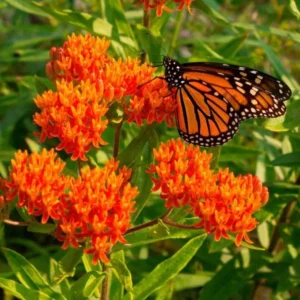
Introduce a vital element to your garden ecosystem with our healthy milkweed live plant. This beautiful perennial is more than just an attractive addition; it serves as the exclusive host plant for monarch butterfly caterpillars, making it indispensable for supporting these iconic pollinators. Our plants arrive at a robust 8-12 inches tall, ready to thrive in your outdoor space. Known by its common name, Common Milkweed (Asclepias syriaca), this plant is celebrated for its unique flowers and its crucial role in the lifecycle of the monarch butterfly. Planting common milkweed is a direct way to contribute to conservation efforts and enjoy the beauty of nature right in your backyard.
The presence of milkweed in a garden creates a vibrant habitat, attracting not only monarch butterflies but also a variety of other beneficial insects. Its distinctive flower clusters offer a rich nectar source, providing sustenance for numerous pollinators. Growing a milkweed live plant is a rewarding experience, allowing you to witness the fascinating transformation from caterpillar to chrysalis to butterfly. This resilient plant is an excellent choice for gardeners looking to make an ecological impact while enhancing their outdoor aesthetic.
Key Benefits
Adding a live milkweed plant to your garden provides a multitude of benefits, both for your landscape and for the environment. Its ecological importance is paramount, but it also offers aesthetic appeal and promotes biodiversity.
- Monarch Butterfly Habitat: The primary benefit of planting milkweed is its critical role as the sole food source for monarch butterfly caterpillars. By providing a home for these larvae, you directly support the monarch population, which has faced significant declines. Witnessing the monarch lifecycle unfold in your garden is a truly magical experience.
- Pollinator Attraction: Beyond monarchs, milkweed flowers are rich in nectar and attract a wide array of other pollinators, including bees, hummingbirds, and various butterfly species. This helps to boost the health and productivity of your entire garden.
- Low Maintenance: Once established, milkweed live plant varieties are remarkably hardy and require minimal care. They are drought-tolerant and can thrive in a variety of soil conditions, making them an excellent choice for busy gardeners.
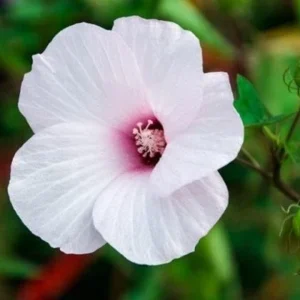
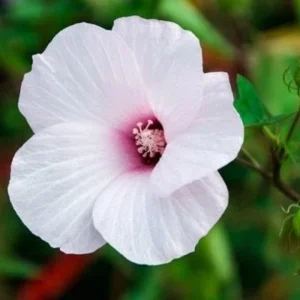
- Beautiful Blooms: Milkweed produces unique clusters of fragrant, pinkish-purple flowers that add an attractive visual element to any garden. These blooms are long-lasting, providing beauty throughout the summer months.
- Ecological Restoration: By planting milkweed, you participate in vital ecological restoration efforts, helping to re-establish native plant species that are crucial for local wildlife. This contributes to a healthier and more balanced ecosystem.
- Educational Value: For families and educators, a monarch butterfly plant offers an incredible opportunity to observe and learn about insect metamorphosis and plant-animal interactions firsthand. It’s a living classroom right in your garden.
Plant Care & Growing Tips
Caring for your milkweed live plant is relatively straightforward, as these plants are known for their resilience and adaptability. To ensure your milkweed thrives and effectively supports monarch butterflies, follow these simple guidelines. Milkweed prefers full sun, meaning at least six hours of direct sunlight per day. Choose a location in your garden that receives ample light throughout the growing season. While adaptable to various soil types, well-draining soil is crucial to prevent root rot. If your soil is heavy clay, consider amending it with organic matter to improve drainage.
Water your milkweed regularly after planting to help it establish. Once established, it is quite drought-tolerant and will generally only need supplemental watering during prolonged dry spells. Overwatering should be avoided. Regarding temperature, perennial milkweed is cold-hardy, typically thriving in USDA Zones 3-9, meaning it can withstand winter temperatures in many regions and return year after year. Fertilization is usually not necessary for milkweed, especially in rich garden soil. If your soil is particularly poor, a light application of a balanced, slow-release fertilizer in spring can be beneficial.
Common problems are few, but keep an eye out for aphids, which can sometimes colonize milkweed plants. A strong spray of water or an insecticidal soap can typically manage these pests without harming caterpillars. Avoid broad-spectrum pesticides, as these will kill monarch caterpillars and other beneficial insects. Allow your milkweed to go to seed in the fall, as these seeds will naturally spread and produce more plants, further enhancing your monarch butterfly plant habitat. Pruning is generally not required, but you can deadhead spent flowers if you wish to encourage more blooms or prevent self-seeding in specific areas.
Size & Details
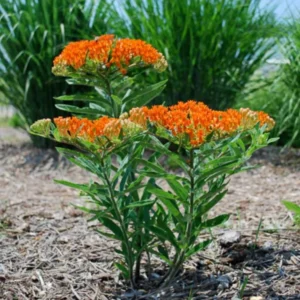
This offering includes one healthy milkweed live plant, delivered ready to plant in a half-gallon nursery pot. Each plant stands approximately 8-12 inches tall from the base of the soil, providing a substantial start for your garden. Milkweed is a fast-growing perennial that can reach mature heights of 3-5 feet with a spread of 2-3 feet when fully established. It typically begins blooming in early to mid-summer, continuing through the fall, providing a consistent food source for pollinators. The plant will arrive with established roots and foliage, ready for immediate transplanting into your garden bed or a larger container if desired. Expect vigorous growth and abundant blooms in its first full growing season.
Frequently Asked Questions
- Q: How big does this milkweed plant get? A: This milkweed live plant arrives 8-12 inches tall in a half-gallon pot. When mature, it can reach a height of 3-5 feet with a spread of 2-3 feet, forming a substantial clump in your garden.
- Q: Is this an indoor or outdoor plant? A: Milkweed is primarily an outdoor plant, essential for supporting monarch butterflies. It requires full sun and is best suited for garden beds, meadows, or large outdoor containers.
- Q: How much sunlight does it need? A: For optimal growth and flowering, your common milkweed needs at least 6 hours of direct sunlight per day. Choose a sunny spot in your garden to plant it.
- Q: Is this plant easy to care for? A: Yes, milkweed is known for being a very low-maintenance plant. Once established, it is drought-tolerant and generally pest-resistant, making it a great choice for both novice and experienced gardeners.
- Q: What condition will it arrive in? A: Your milkweed plant will arrive healthy, actively growing, and well-rooted in a half-gallon nursery pot, carefully packaged to ensure its safe journey to your home.
- Q: When is the best time to plant milkweed? A: The best time to plant your perennial milkweed is in spring after the last frost, or in early fall. This allows the plant to establish its root system before extreme temperatures.
- Q: Will it survive winter in my zone? A: Common milkweed is a hardy perennial that typically thrives in USDA Zones 3-9. It will die back to the ground in winter and re-emerge vigorously in the spring.
- Q: Why is milkweed so important? A: Milkweed is absolutely critical because it is the only plant monarch butterfly caterpillars can eat. Without milkweed, monarch populations cannot survive, making it a vital component of a healthy ecosystem.
- Q: Can I grow milkweed live plant in a container? A: While milkweed prefers to spread in garden beds, it can be grown in large containers (at least 5-gallon capacity) with good drainage, provided it receives adequate sunlight and water.
- Q: What does a monarch butterfly plant attract besides monarchs? A: In addition to monarch butterflies, milkweed flowers attract a wide variety of other pollinators, including various bee species, other butterflies, and sometimes hummingbirds, enriching your garden’s biodiversity.
Related products
-67%
Original price was: $37.47.$12.49Current price is: $12.49.
-50%
Original price was: $23.98.$11.99Current price is: $11.99.
-83%
Original price was: $44.97.$7.74Current price is: $7.74.
-83%
Original price was: $44.97.$7.74Current price is: $7.74.
-20%
Original price was: $100.00.$80.00Current price is: $80.00.
-75%
Original price was: $59.98.$15.00Current price is: $15.00.
PLANTING & CARE

Growing Glencoe Raspberry: A Complete Guide for Gardeners
If you’re looking to add something unique to your garden, look no further than the
31
Mar
Mar

The Comprehensive Guide to Growing Bay Leaf Plants for a Flavorful Garden
Imagine stepping into your garden, greeted by the earthy aroma of fresh bay leaves, their
09
Feb
Feb

How to Make Comfrey Tea: The Ultimate Organic Plant Food
Growing an organic garden can be surprisingly expensive, especially when most store-bought fertilizers come in
02
Feb
Feb

True Comfrey: 7 Essential Tips Before You Plant This Herb
A staple in permaculture practices across the US, True Comfrey easily earns its reputation as
27
Jan
Jan

7 Heart-Shaped Plants for a Lasting Valentine’s Gift
If you’ve ever bought a bouquet of roses for Valentine’s Day, you know they are
26
Jan
Jan

Best Types of Ivy Plant for Houses: How to Choose the Perfect Ones for Your Home
Are you a garden lover looking to introduce some greenery into your home? Maybe you’ve
14
Nov
Nov

When to Harvest Garlic (Especially Fall-Planted Garlic)
TIMING IS EVERYTHING, they say – and for garlic, that truth hits with surprising accuracy.
13
Nov
Nov

11 of the Best Sweet Potato Varieties to Grow for Your Garden
If you’ve ever tried growing sweet potatoes, you know that picking the right variety can
12
Nov
Nov