Mixed Garlic Bulbs for Planting – Hardneck Garlic Tubers – 0.5 Pound
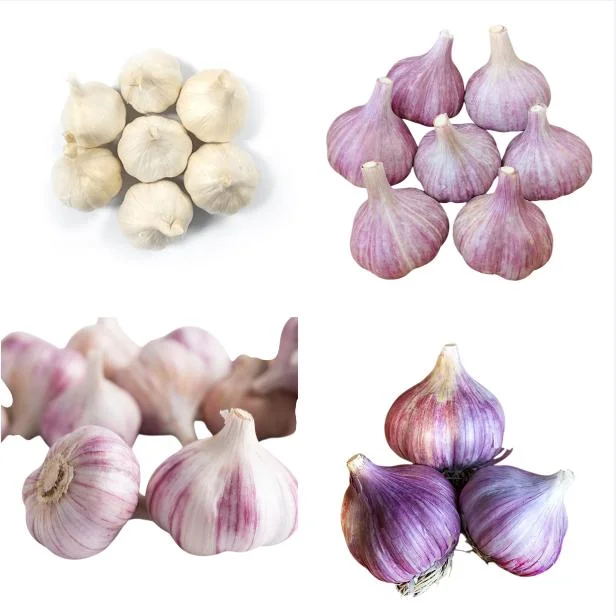
Mixed Garlic Bulbs for Planting – Hardneck Garlic Tubers – 0.5 Pound
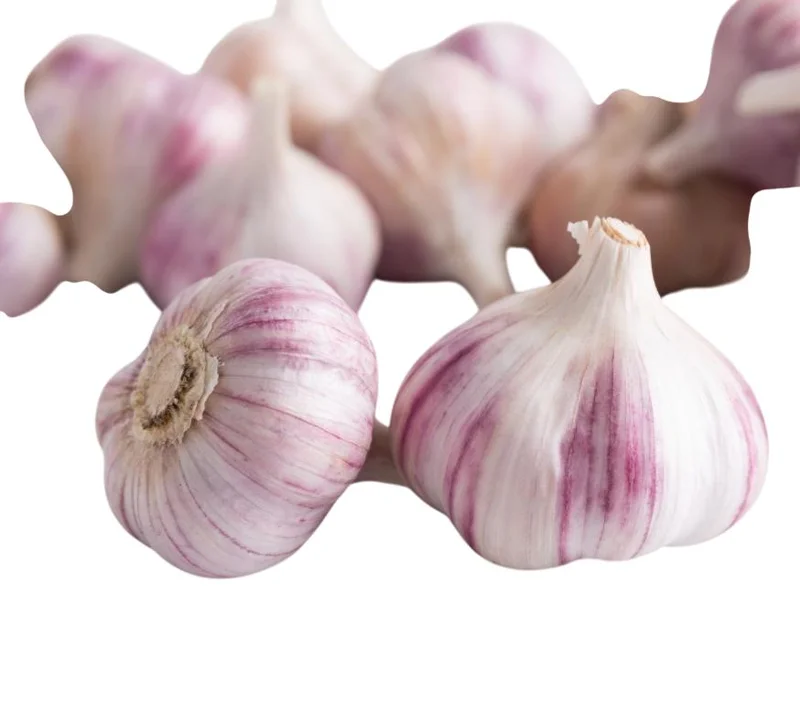
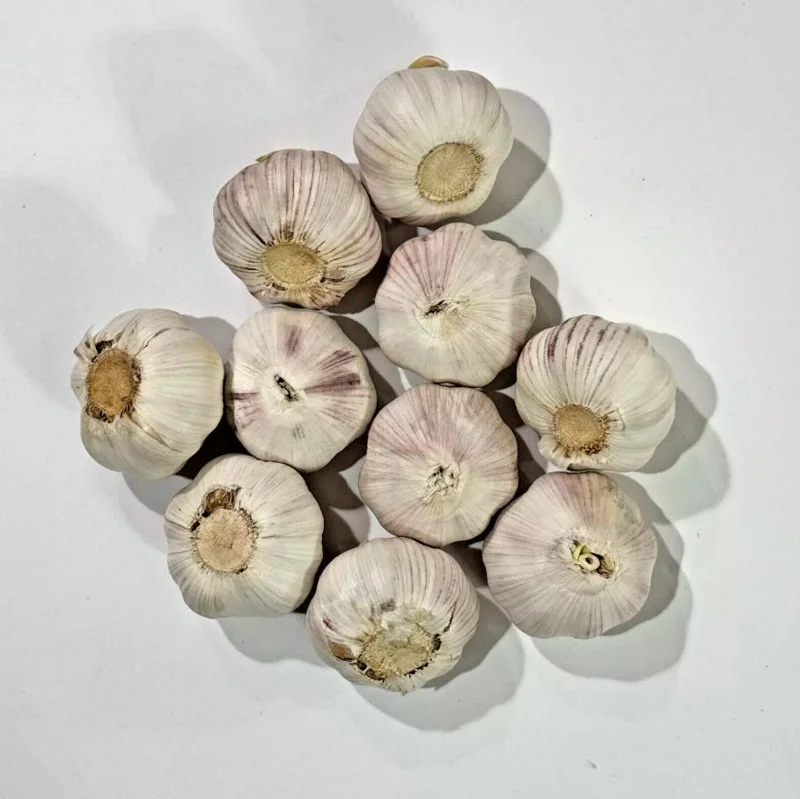
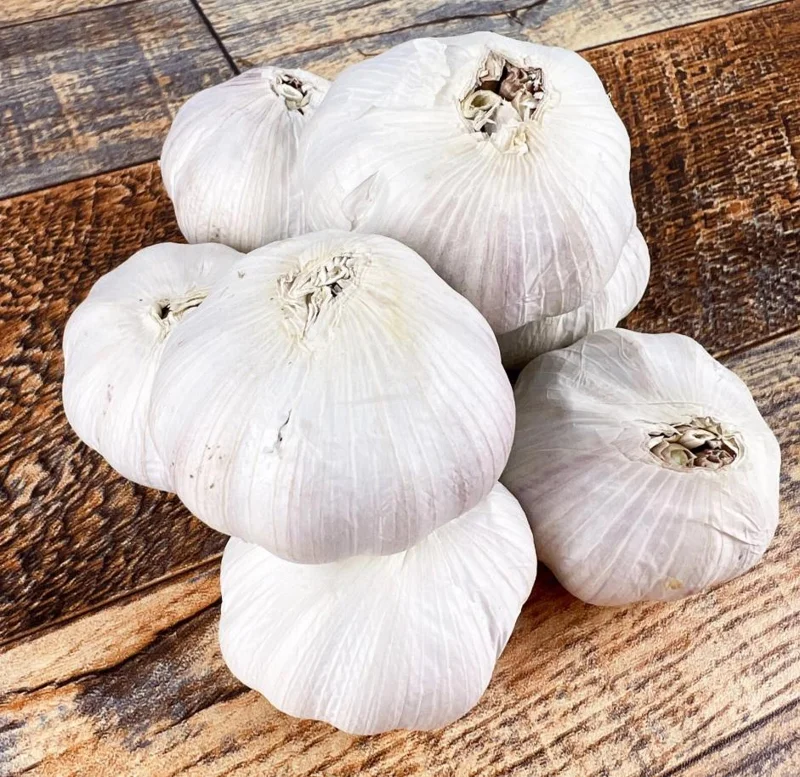
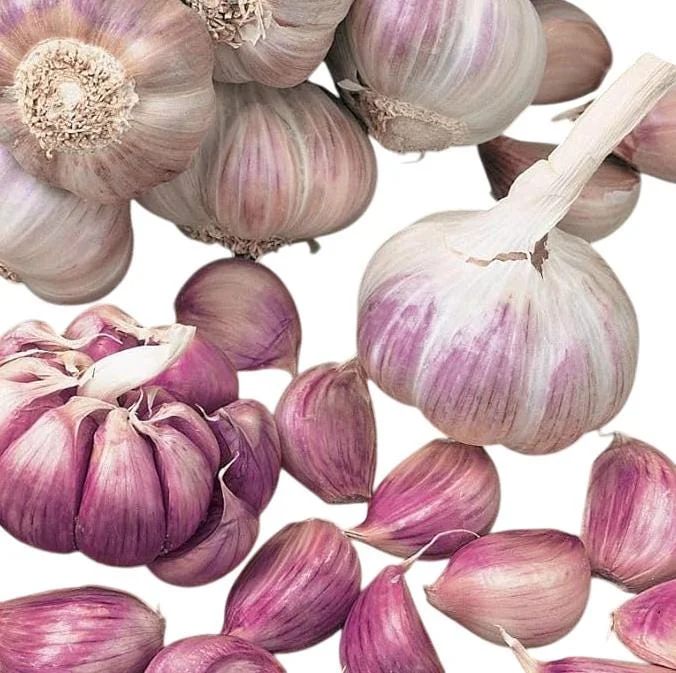
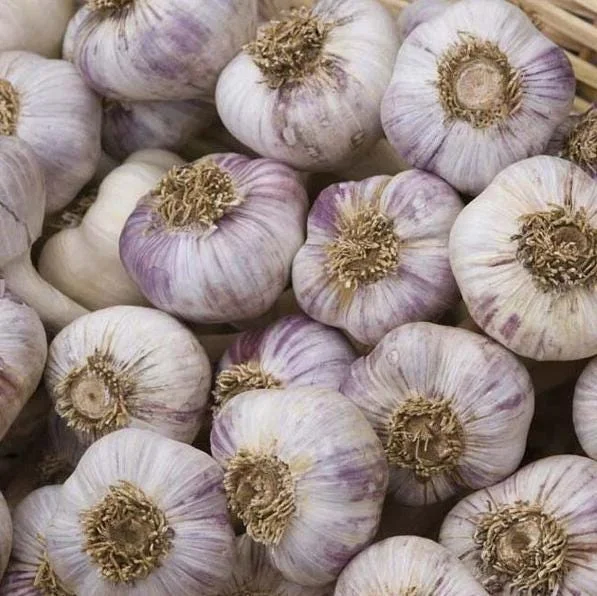
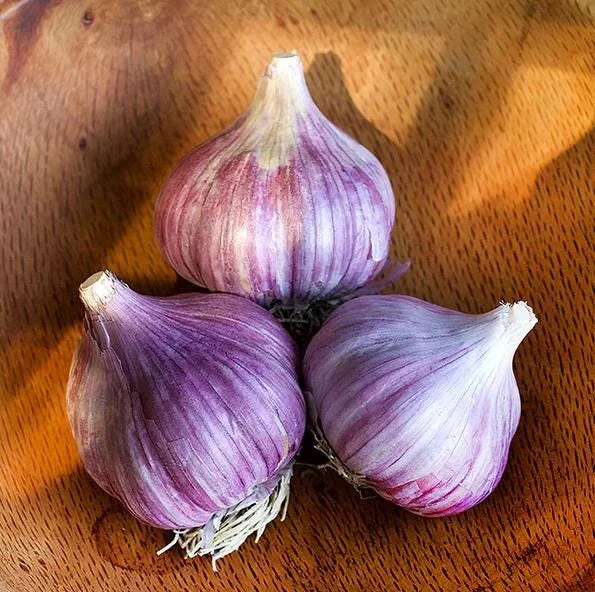
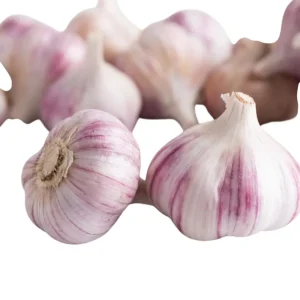
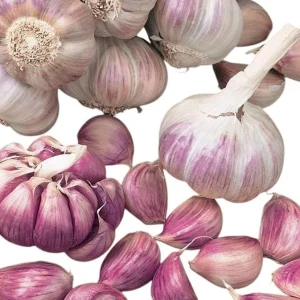
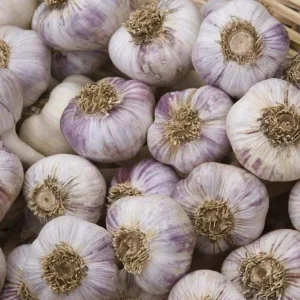
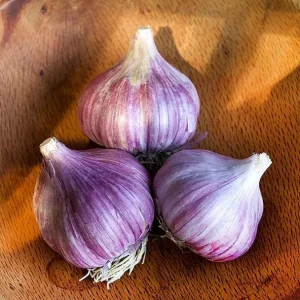
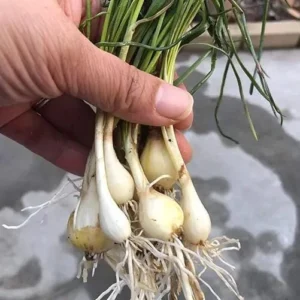
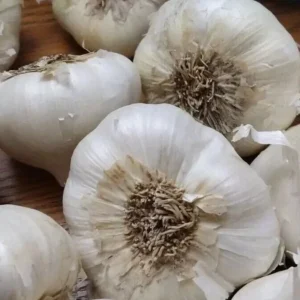
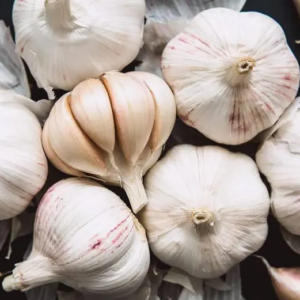
Cultivate your own flavorful harvest with our mixed garlic bulbs for planting. This 0.5 pound assortment features robust hardneck garlic tubers in white, red, and purple varieties, perfect for any home garden. Enjoy fresh, home-grown garlic with ease.
$19.99

With our Alive & Thrive Guarantee, we’ve got your back for the first 30 days! If you have any concerns about your plants, just reach out to us. Our team is here to help answer your questions and guide you in selecting the best plants for your garden, climate, and unique preferences. We're excited to help you create the garden of your dreams!
Estimated arrival
Mar 22
Mar 27 - Mar 29
Apr 01 - Apr 05

Product Details
-
USDA Hardiness Zone
USDA Zones 3-8 (can vary) -
Soil type
Well-draining, fertile soil with organic matter -
Sunlight Exposure
Full sun (at least 6 hours daily) -
Expected Planting Period
Fall (4-6 weeks before ground freezes) or early spring
Overview
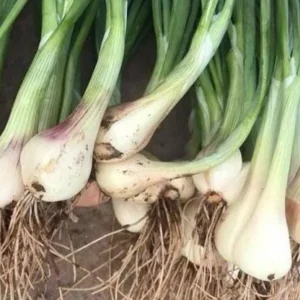
Start your own delicious and rewarding gardening journey with this generous mixed garlic bulbs for planting pack. Our carefully selected 0.5 pound assortment of garlic bulbs provides a fantastic opportunity for both novice and experienced gardeners to cultivate their own fresh garlic. These are premium hardneck garlic tubers, known for their robust flavor, easier-to-peel cloves, and a central woody stem that makes them distinct. This mix includes a vibrant array of white, red, and purple garlic varieties, ensuring a diverse and visually appealing harvest. Garlic is a staple in kitchens worldwide, and growing your own guarantees the freshest, most potent flavor for all your culinary creations. Whether you’re looking to enhance your dishes or simply enjoy the satisfaction of harvesting your own food, these garlic bulbs are an excellent choice. Growing garlic is a truly rewarding experience, providing both a delicious crop and a natural pest deterrent in your garden.
Key Benefits
Our mixed garlic bulbs for planting offer numerous advantages for the home gardener and culinary enthusiast alike. Experience the joy of a bountiful harvest with these exceptional benefits:
- Superior Flavor and Freshness: Home-grown garlic provides an unparalleled depth of flavor and aroma compared to store-bought varieties. You control the growing conditions, ensuring a pristine and potent product for your kitchen.
- Diverse Culinary Options: With white, red, and purple varieties, you’ll have a range of flavors and appearances to experiment with in your cooking. Each type of hardneck garlic tubers offers subtle differences that can elevate various dishes.
- Easy to Grow: Garlic is remarkably forgiving and straightforward to cultivate, making it an ideal choice for gardeners of all skill levels. With proper planting and basic care, you can expect a successful yield.
- Long Storage Life: Once properly cured, your harvested garlic bulbs can be stored for many months, providing a continuous supply of fresh garlic throughout the year. This reduces your reliance on grocery stores for this essential ingredient.
- Health Benefits: Garlic is renowned for its numerous health benefits, including immune support and anti-inflammatory properties. Enjoying your own home-grown garlic means maximizing these nutritional advantages.
- Garden Pest Deterrent: Planting garlic can naturally deter certain garden pests, contributing to a healthier overall garden ecosystem without the need for harsh chemicals. It’s a natural way to protect your other plants while also producing a valuable crop.
- Sustainable Gardening: By growing garlic at home, you reduce your carbon footprint associated with transportation and packaging, contributing to a more sustainable lifestyle. It also connects you more deeply with your food source.
Plant Care & Growing Tips
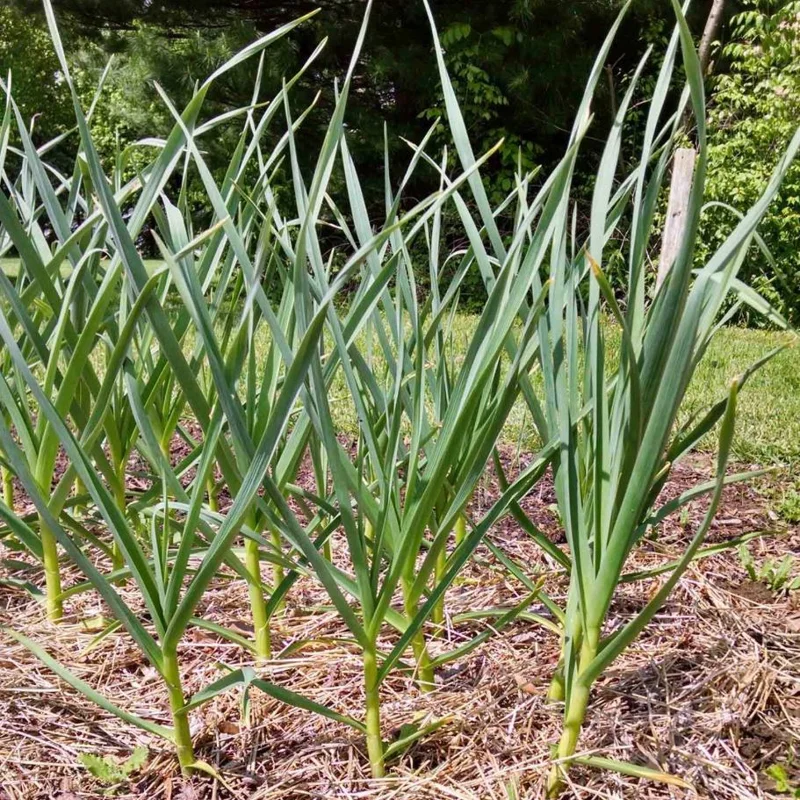
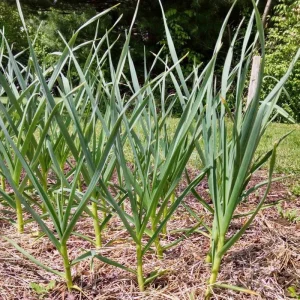
Successful growing garlic begins with proper planning and care. These mixed garlic bulbs for planting thrive when given the right conditions. Garlic is typically a fall-planted crop in most regions, ideally about 4-6 weeks before the ground freezes solid. This allows the cloves to establish a strong root system before winter dormancy. In warmer climates, spring planting after the last frost is also an option. Choose a sunny location that receives at least 6 hours of direct sunlight daily. The soil should be well-draining, fertile, and rich in organic matter. Amending your garden beds with compost or well-rotted manure will significantly improve soil structure and nutrient content. Garlic prefers a slightly acidic to neutral pH, ranging from 6.0 to 7.0.
Before planting, gently break the garlic bulbs into individual cloves, ensuring each clove has its papery skin intact. Plant the cloves pointed-end up, approximately 2 inches deep. Space the cloves 4-6 inches apart within rows, with rows spaced 10-12 inches apart to allow for proper air circulation and growth. Consistent moisture is crucial, especially during dry periods, but avoid waterlogging the soil. Mulching with straw or leaves is highly recommended; it helps retain soil moisture, suppresses weeds, and insulates the soil in winter. While garlic doesn’t require heavy fertilization, a balanced, slow-release fertilizer in early spring can boost bulb development. Keep an eye out for common garden pests, though garlic itself acts as a natural deterrent. Harvesting usually occurs in mid to late summer when the lower leaves start to yellow and die back. Gently loosen the soil around the bulbs with a fork to avoid damage. After harvesting, cure the bulbs in a cool, dry, well-ventilated area for 2-3 weeks before storing. This curing process is essential for long-term storage and enhances flavor. Following this garlic planting guide will set you up for a successful harvest.
Size & Details
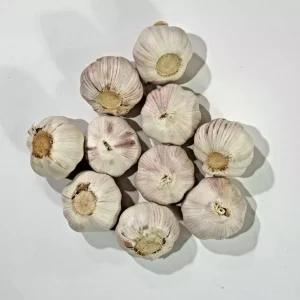
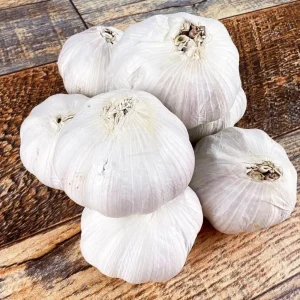
This product includes 0.5 pounds of premium mixed garlic bulbs for planting. The exact number of bulbs or cloves will vary depending on the size of individual bulbs, but this quantity is typically sufficient for a small to medium-sized home garden plot, allowing you to enjoy a substantial harvest. These are robust hardneck garlic tubers, known for producing larger cloves than softneck varieties, making them excellent for roasting and culinary use. Garlic bulbs are biennials, meaning they complete their life cycle over two growing seasons, with the edible bulb developing in the second season after fall planting. They are shipped as dormant bulbs, ready for planting upon arrival. Expect vigorous growth once established, leading to a satisfying yield of fresh garlic. Each bulb will contain multiple cloves, which are then separated for planting, effectively multiplying your initial investment. Proper care, as outlined in this garlic planting guide, will ensure the best possible development of these tubers.
Frequently Asked Questions
- Q: How much garlic will 0.5 pounds of mixed garlic bulbs yield? A: The yield can vary based on bulb size and growing conditions, but 0.5 pounds of mixed garlic bulbs for planting can typically yield 15-25 new bulbs, providing a significant harvest for home use. Each planted clove produces one new bulb.
- Q: When is the best time to plant garlic? A: For most regions, the ideal time to plant garlic is in the fall, about 4-6 weeks before the first hard freeze. This allows roots to establish before winter. In very warm climates, early spring after the last frost is also suitable.
- Q: What type of soil do these hardneck garlic tubers prefer? A: Garlic thrives in well-draining, fertile soil rich in organic matter. A slightly acidic to neutral pH (6.0-7.0) is ideal. Amending with compost before planting is highly beneficial.
- Q: How much sun does garlic need to grow successfully? A: Garlic requires a minimum of 6 hours of direct sunlight per day. Choose a sunny spot in your garden to ensure the best bulb development.
- Q: Is this garlic organic? A: While our mixed garlic bulbs for planting are grown using sustainable practices, we cannot guarantee they are certified organic. We aim to provide high-quality, healthy planting stock.
- Q: Will these garlic bulbs grow well in containers? A: Yes, garlic can be successfully grown in containers, provided they are deep enough (at least 8-10 inches) and have good drainage. Ensure proper spacing for each clove.
- Q: How do I know when my garlic is ready to harvest? A: Your garlic is usually ready for harvest in mid to late summer when the lower leaves begin to yellow and die back, but there are still 3-5 green leaves remaining.
- Q: What is the difference between hardneck and softneck garlic? A: Hardneck garlic tubers produce a rigid central stalk (scape) and fewer, larger cloves around it. Softneck garlic has a pliable stalk and many smaller cloves, often braided. Hardnecks are generally more cold-tolerant and have a stronger flavor.
- Q: Can I use store-bought garlic for planting? A: While possible, it’s not recommended. Store-bought garlic is often treated to prevent sprouting or may carry diseases. Our mixed garlic bulbs for planting are specifically selected as planting stock.
- Q: What is the USDA hardiness zone for growing garlic? A: Garlic is quite hardy and can be grown in a wide range of zones. Hardneck varieties, like these, are particularly well-suited for colder climates, generally thriving in USDA Zones 3-8, but can be grown in many other zones with proper care.
Related products
-35%
Original price was: $19.90.$12.94Current price is: $12.94.
-50%
Original price was: $79.96.$39.98Current price is: $39.98.
-60%
Original price was: $69.99.$27.99Current price is: $27.99.
-20%
Original price was: $174.00.$139.20Current price is: $139.20.
-60%
Original price was: $69.99.$27.99Current price is: $27.99.
PLANTING & CARE

The Comprehensive Guide to Growing Bay Leaf Plants for a Flavorful Garden
Imagine stepping into your garden, greeted by the earthy aroma of fresh bay leaves, their
09
Feb
Feb

How to Make Comfrey Tea: The Ultimate Organic Plant Food
Growing an organic garden can be surprisingly expensive, especially when most store-bought fertilizers come in
02
Feb
Feb

True Comfrey: 7 Essential Tips Before You Plant This Herb
A staple in permaculture practices across the US, True Comfrey easily earns its reputation as
27
Jan
Jan

7 Heart-Shaped Plants for a Lasting Valentine’s Gift
If you’ve ever bought a bouquet of roses for Valentine’s Day, you know they are
26
Jan
Jan

Best Types of Ivy Plant for Houses: How to Choose the Perfect Ones for Your Home
Are you a garden lover looking to introduce some greenery into your home? Maybe you’ve
14
Nov
Nov

When to Harvest Garlic (Especially Fall-Planted Garlic)
TIMING IS EVERYTHING, they say – and for garlic, that truth hits with surprising accuracy.
13
Nov
Nov

11 of the Best Sweet Potato Varieties to Grow for Your Garden
If you’ve ever tried growing sweet potatoes, you know that picking the right variety can
12
Nov
Nov
Pruning Bougainvillea for Winter
Bougainvillea vines are known for their dazzling display of magenta, orange, and fuchsia bracts that
05
Nov
Nov