Mixed Lithops Seeds – Living Stone Succulents – 50 Seeds – Drought Tolerant
-56%
Mixed Lithops Seeds – Living Stone Succulents – 50 Seeds – Drought Tolerant
Discover the captivating world of living stone succulents with our mixed lithops seeds. This pack contains 50 seeds to grow a diverse collection of unique, pebble-like succulents. Known for being drought tolerant succulents and relatively easy to grow seeds, they are ideal for windowsills and rock gardens, offering a delightful and low-maintenance gardening experience.
Original price was: $35.99.$15.99Current price is: $15.99.

With our Alive & Thrive Guarantee, we’ve got your back for the first 30 days! If you have any concerns about your plants, just reach out to us. Our team is here to help answer your questions and guide you in selecting the best plants for your garden, climate, and unique preferences. We're excited to help you create the garden of your dreams!
Estimated arrival
Oct 07
Oct 12 - Oct 14
Oct 17 - Oct 21


Product Details
-
USDA Hardiness Zone
USDA zones 9-11 (if grown outdoors), otherwise suitable for all indoor environments -
Soil type
Very well-draining succulent or cactus mix with high inorganic content -
Sunlight Exposure
Bright direct to indirect light (4-5 hours of morning sun or very bright indirect light) -
Expected Planting Period
Year-round indoors
Overview
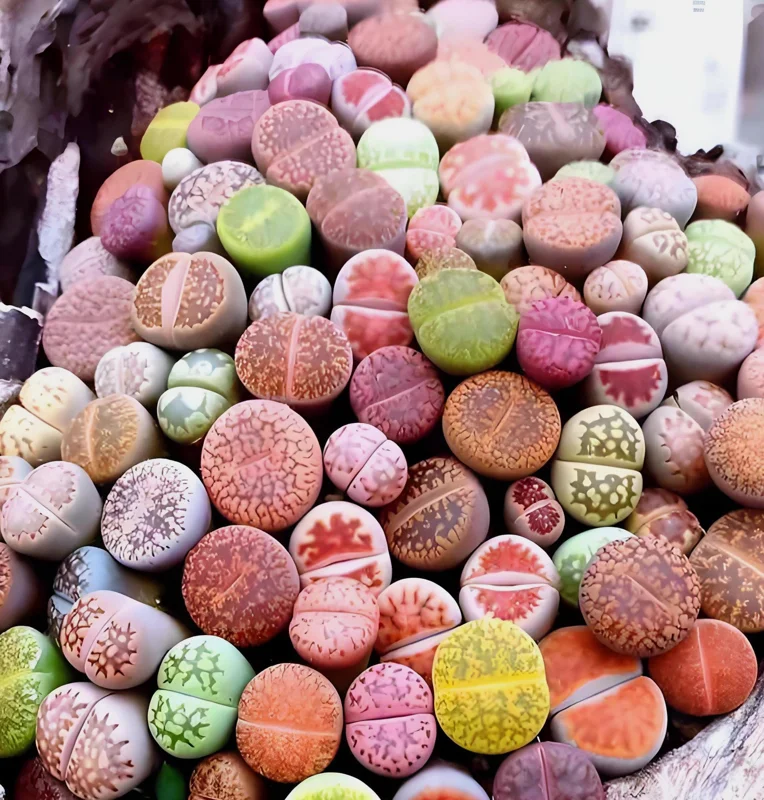
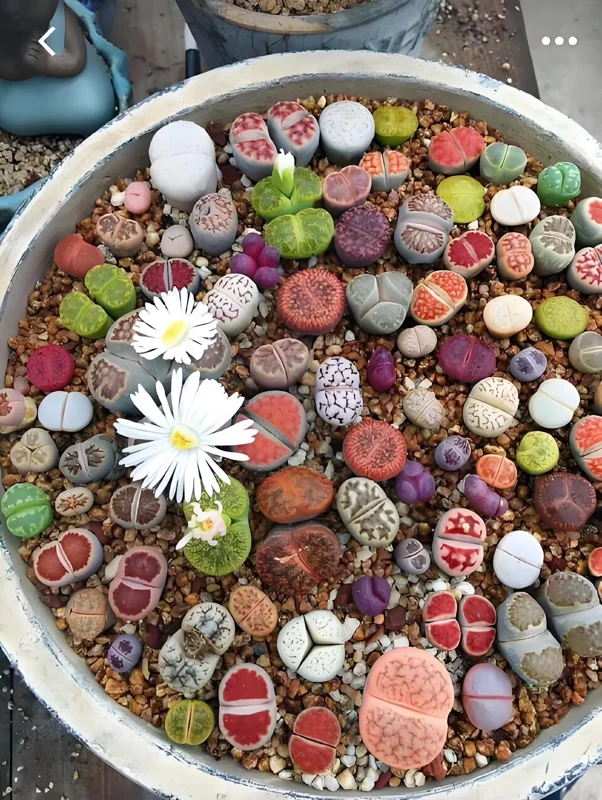
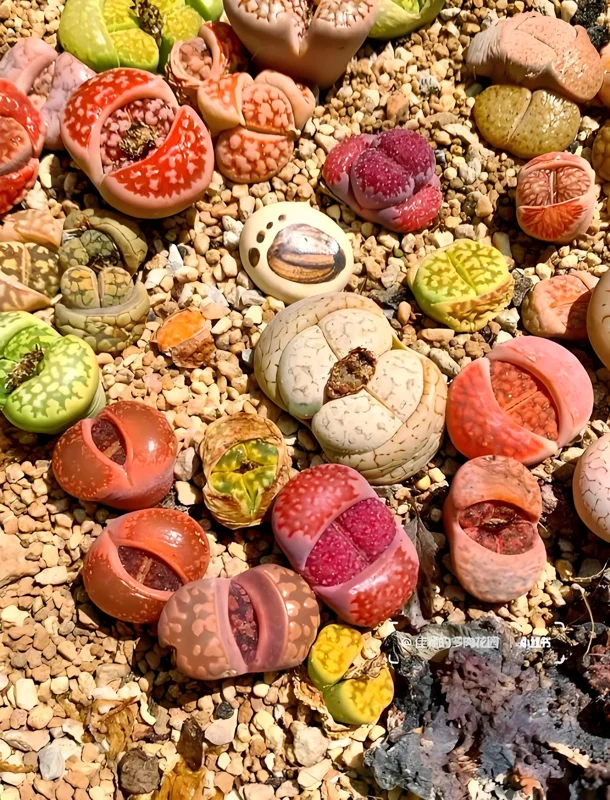
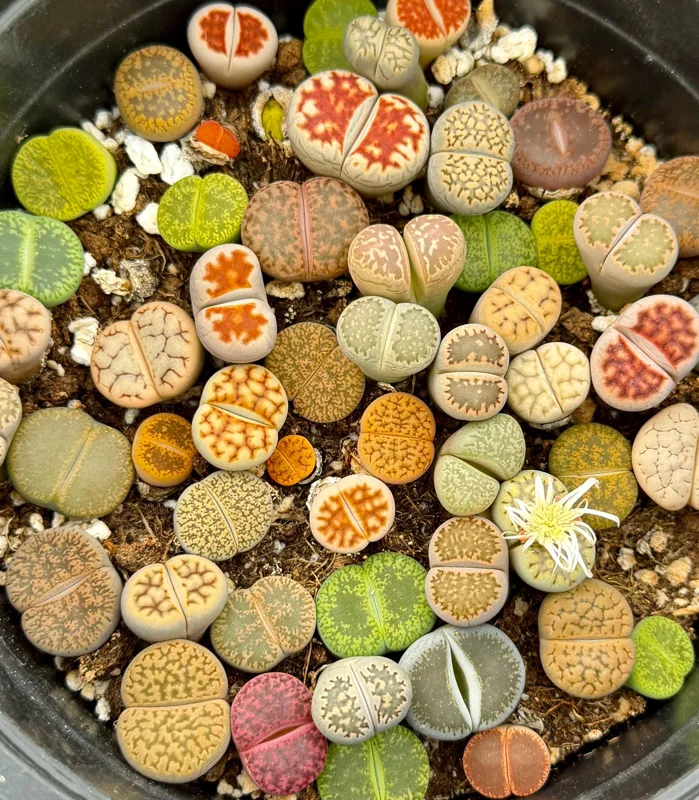
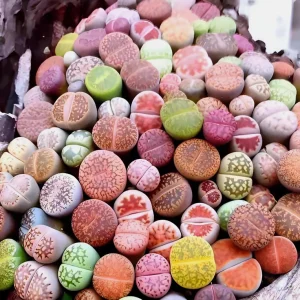
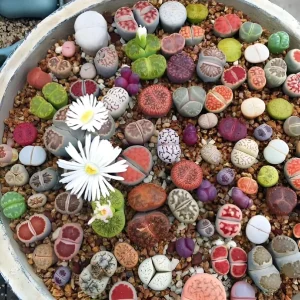
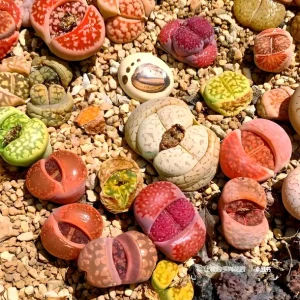
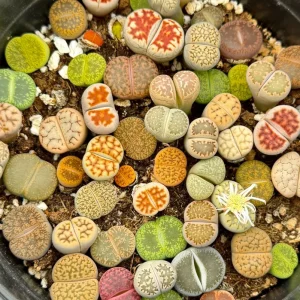
Embark on a fascinating botanical journey with our premium collection of mixed lithops seeds. Commonly known as “Living Stones,” Lithops are extraordinary succulent plants that perfectly mimic the appearance of small pebbles and stones, making them masters of camouflage. This carefully curated seed mix promises a diverse range of shapes and colors, from subtle grays and greens to vibrant pinks and purples, ensuring that each mature plant will be a delightful and unique surprise. Ideal for both seasoned collectors and gardening enthusiasts looking for something truly distinctive, these compact and low-maintenance succulents are perfectly suited for windowsills, miniature rock gardens, or as captivating additions to any plant collection. Growing living stone succulents from seed offers a rewarding experience, allowing you to witness their unique development from tiny seedlings into their iconic, stone-like forms. Their unusual appearance and seasonal blooms add an element of intrigue and beauty that is unmatched by many other plants.
Our mixed lithops seeds provide an excellent opportunity to cultivate these resilient and visually striking plants. Lithops are celebrated for their remarkable ability to thrive in arid conditions, making them an excellent choice for those seeking drought tolerant succulents. With proper care, these miniature wonders will bring a touch of the desert’s magic into your home or garden, revealing their subtle beauty as they grow and mature. The process of germinating and nurturing these seeds is a fulfilling endeavor, culminating in a vibrant display of nature’s artistry.
Key Benefits
Cultivating mixed lithops seeds offers a multitude of advantages for plant lovers, combining aesthetic appeal with practical benefits:
- Unique Aesthetic Appeal: Lithops are renowned for their striking resemblance to pebbles and stones, providing an unparalleled visual interest that makes them a conversation starter. Their diverse colors and patterns add a subtle yet captivating beauty to any space.
- Drought Tolerant Succulents: These plants are incredibly resilient and require minimal watering, making them perfect for busy individuals or those in arid climates. Their ability to store water means less frequent care is needed.
- Compact Size: Due to their small stature, Lithops are ideal for small spaces such as windowsills, desks, or terrariums. They don’t demand much room, allowing for a diverse collection in a limited area.
- Low Maintenance: Once established, living stone succulents are exceptionally easy to care for. They thrive on neglect, requiring minimal attention beyond occasional watering and bright light, making them perfect for beginners.
- Educational Experience: Growing Lithops from easy to grow seeds provides a fascinating hands-on learning experience, allowing you to observe the entire life cycle of these unique plants from germination to maturity.
- Collector’s Item: With their wide range of colors and forms, Lithops are highly sought after by succulent collectors. Cultivating them from seed allows for the discovery of rare and unusual specimens.
- Year-Round Interest: While they have distinct growth and dormancy periods, Lithops offer continuous interest with their unique forms and occasional, often fragrant, blooms.
Plant Care & Growing Tips
Successfully growing mixed lithops seeds requires attention to specific environmental conditions that mimic their natural desert habitat. Sow lithops plant care begins with proper germination. Start your seeds indoors year-round in a shallow tray filled with a specialized, coarse, and very well-draining succulent or cactus mix. It is crucial not to bury the seeds; simply lightly press them onto the soil surface, as they require light for germination. After sowing, mist the soil gently to keep it moist, but never soggy, as overwatering is the primary enemy of Lithops. Maintain a consistent temperature range of 65–75°F (18–24°C) for optimal germination, which typically occurs within 2–6 weeks. Once the tiny seedlings emerge, gradually reduce watering and provide bright, indirect light to encourage healthy growth.
As your living stone succulents mature, their care regimen remains focused on replicating arid conditions. They thrive in bright light, ideally 4-5 hours of direct morning sun or very bright indirect light throughout the day. A south-facing window is often ideal. Watering should be done sparingly; only water when the soil is completely dry to the touch, and reduce watering significantly during their dormancy periods (typically summer and winter). Overwatering will almost certainly lead to root rot. These drought tolerant succulents prefer warm, dry conditions and minimal disturbance. Fertilization is generally not necessary, or if used, should be a highly diluted, low-nitrogen succulent fertilizer applied very infrequently during their active growth phase. As plants mature, they will naturally split and form new pairs of “leaves,” a fascinating process that is a hallmark of Lithops growth. Ensuring good air circulation is also beneficial to prevent fungal issues.
Size & Details
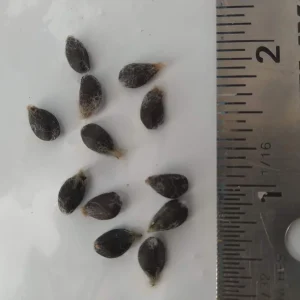
This product includes a packet containing approximately 50 seeds of mixed Lithops, providing a generous quantity to start a diverse collection of living stone succulents. Each seed is tiny, reflecting the miniature nature of the mature plants. When fully grown, individual Lithops typically reach a size of about 0.5 to 1.5 inches (1.25 to 3.8 cm) in diameter, though some varieties can be slightly larger. They form compact clusters over time, making them ideal for small pots, shallow trays, or intricate succulent arrangements. The growth rate is generally slow, with germination taking 2–6 weeks and plants taking several months to a year to reach a noticeable size. These easy to grow seeds are shipped in a protective packet to ensure their viability upon arrival. Expect a fascinating array of colors and patterns as each seed develops into its own unique ‘living stone’.
Frequently Asked Questions
- Q: How many seeds are included in this pack? A: This pack contains approximately 50 seeds of mixed lithops seeds, providing ample opportunity to grow a diverse collection of these unique succulents.
- Q: Are these Lithops suited for indoor or outdoor growing? A: While they can be grown outdoors in very specific arid climates (USDA zones 9-11), living stone succulents are most commonly and successfully grown as indoor plants in the US, especially on sunny windowsills.
- Q: How much sunlight do Lithops need? A: Lithops require a lot of bright light, ideally 4-5 hours of direct morning sun or very bright indirect light throughout the day. A south-facing window is usually best for indoor cultivation.
- Q: Is this plant easy to care for for beginners? A: Yes, once you understand their specific watering needs (infrequent and thorough), Lithops are considered relatively low-maintenance and are great for beginners interested in drought tolerant succulents.
- Q: What kind of soil should I use for Lithops? A: Lithops thrive in extremely well-draining soil. A specialized succulent or cactus mix with a high percentage of inorganic material like pumice, perlite, or grit is recommended.
- Q: How long does it take for the seeds to germinate? A: Germination typically occurs within 2 to 6 weeks under optimal conditions, but patience is key when growing easy to grow seeds like Lithops.
- Q: When is the best time to plant these seeds? A: These mixed lithops seeds can be sown year-round indoors, as long as consistent temperatures and light conditions can be provided.
- Q: How often should I water my Lithops? A: Water sparingly and only when the soil is completely dry. Overwatering is the biggest killer of Lithops. Less water is needed during their summer and winter dormancy periods.
- Q: Do Lithops flower? A: Yes, mature Lithops will produce small, daisy-like flowers, typically in late summer or fall, often in shades of yellow or white, and sometimes fragrant.
- Q: Are these seeds suitable for all climates in the US? A: The seeds themselves are suitable for all climates as they are started indoors. The mature plants, however, prefer warmer, drier climates if grown outdoors, but thrive indoors across all US regions.
Related products
-50%
Original price was: $31.96.$15.98Current price is: $15.98.
-50%
Original price was: $11.96.$5.98Current price is: $5.98.
-50%

Original price was: $23.96.$11.98Current price is: $11.98.
-50%

Original price was: $13.96.$6.98Current price is: $6.98.
-50%

From Original price was: $8.52.$4.26Current price is: $4.26.
-50%
Original price was: $14.76.$7.38Current price is: $7.38.
-50%
From Original price was: $8.52.$4.26Current price is: $4.26.
PLANTING & CARE
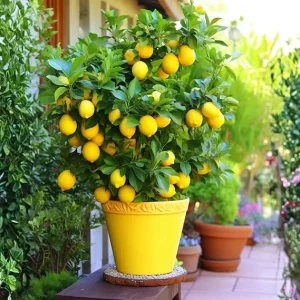
Lemon Tree Growing: Choose, Plant, and Harvest
Learn how to choose, plant, feed, and protect a lemon tree so it fits your
23
Sep
Sep
Dwarf Meyer Lemon Tree Australia: Climate Guide
Learn where dwarf Meyer lemon trees grow, how much cold they tolerate, and whether Australia,
Where to Buy a Dwarf Meyer Lemon Tree: Buyer’s Guide
Find the right dwarf Meyer lemon tree online or locally, compare starter sizes and costs,
Dwarf Meyer Lemon Tree for Sale: Buying Guide
Compare Meyer lemon tree sizes, prices, shipping limits, indoor growing and California options before you
Dwarf Meyer Lemon Tree Guide: Size, Care and Fruit
META: Learn how large a dwarf Meyer lemon tree grows, where it thrives, and how
How to Prune a Dwarf Meyer Lemon Tree
Learn when and how to prune a dwarf Meyer lemon tree, including tools, shaping cuts,
Can You Grow a Dwarf Meyer Lemon Tree in a Pot?
META: Learn how to grow a dwarf Meyer lemon tree in a pot, including container
When Do Dwarf Meyer Lemon Trees Bloom and Fruit?
META: Dwarf Meyer lemon trees usually bloom from winter through spring and may flower again