Miyabi Japanese Rose Live Plant – Ownroot – 6 Inch Pot – Outdoor Flower
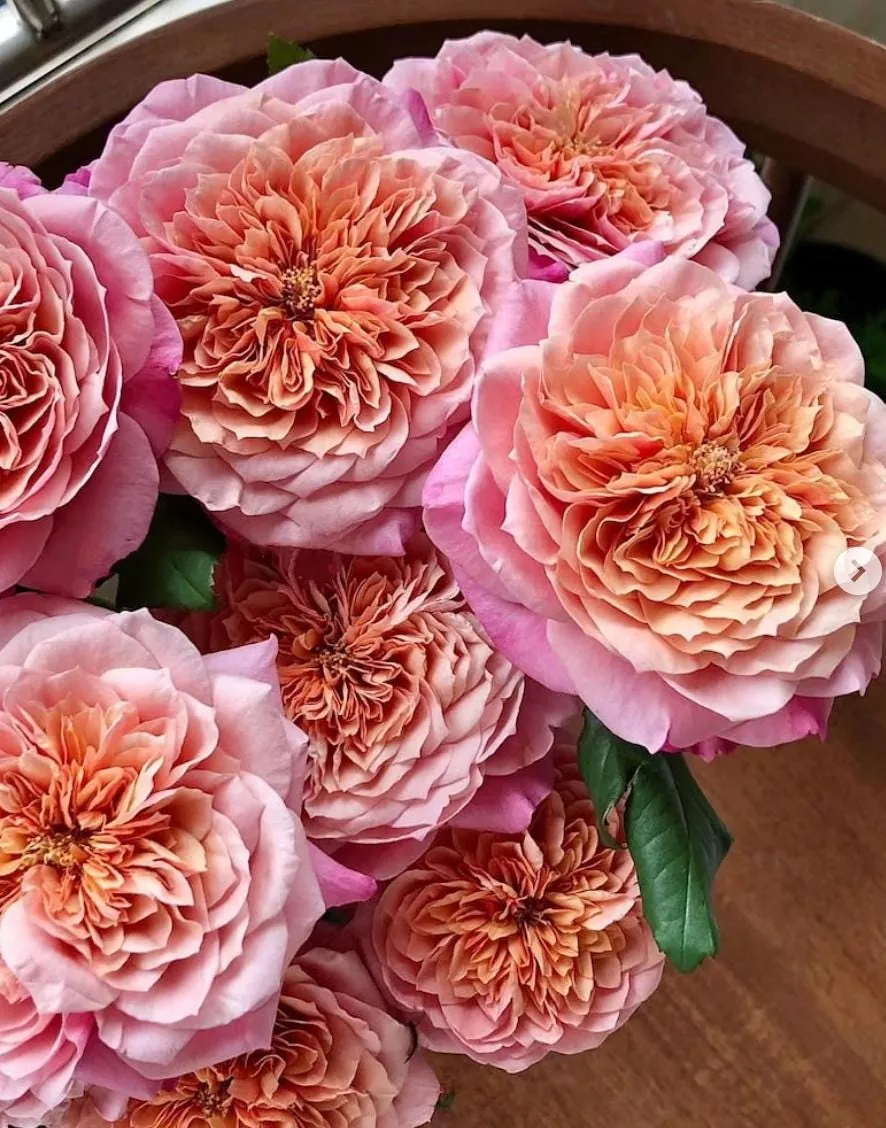
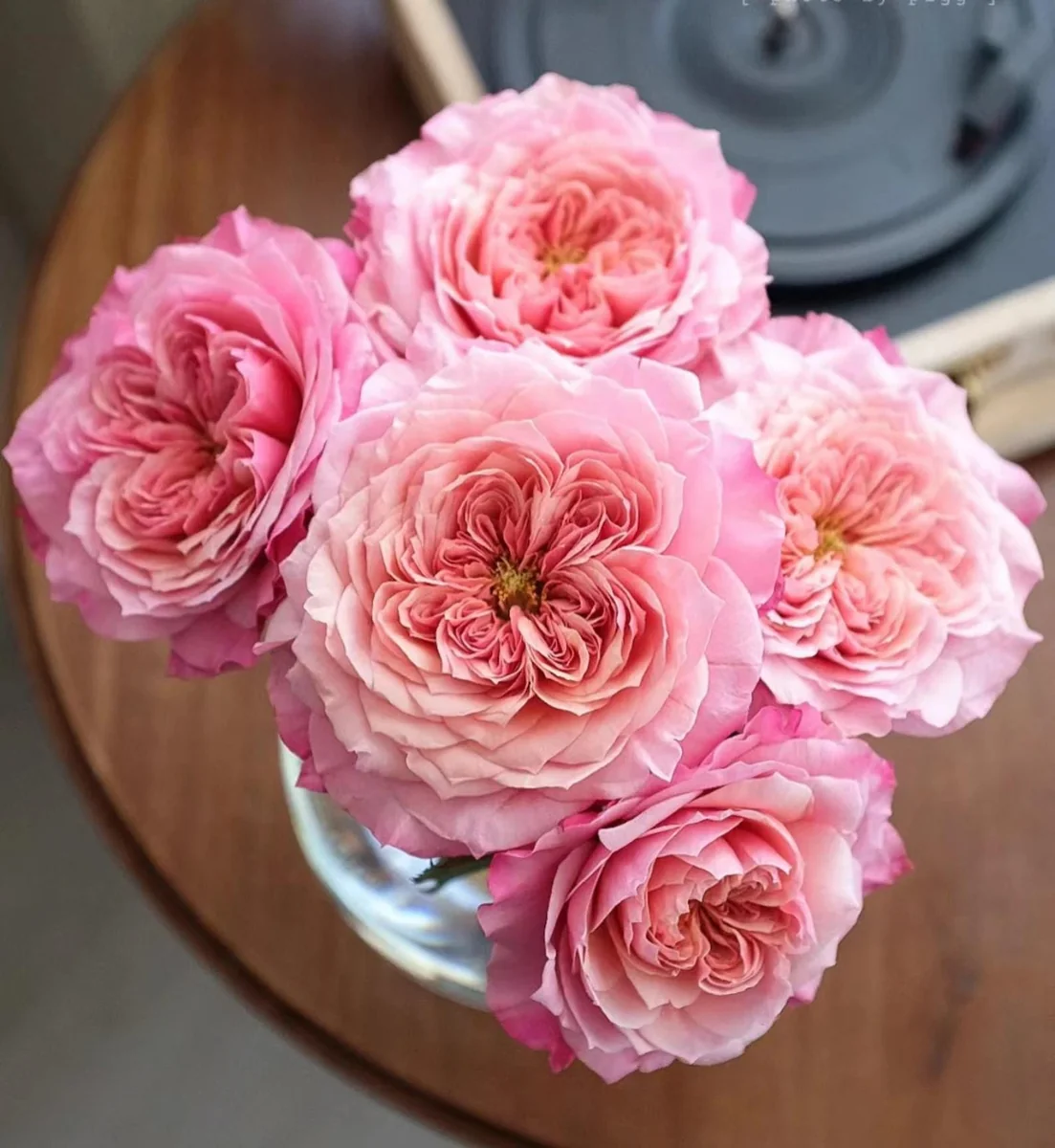
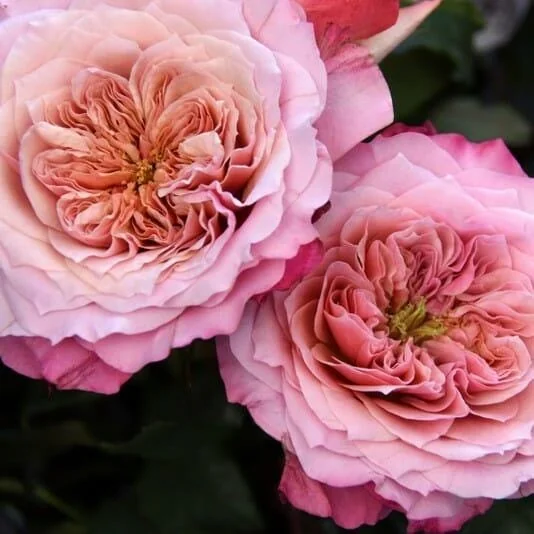
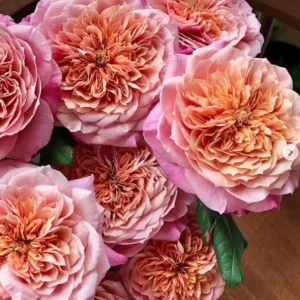
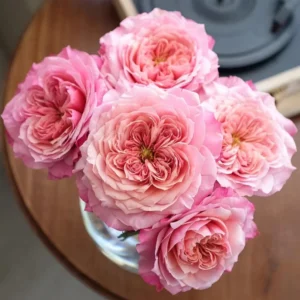
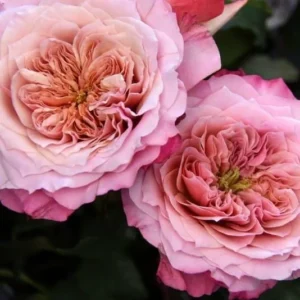
Miyabi Japanese Rose Live Plant – Ownroot – 6 Inch Pot – Outdoor Flower
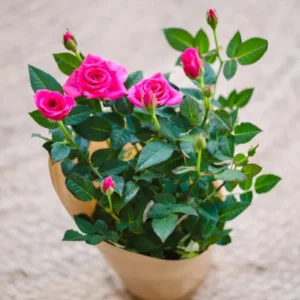
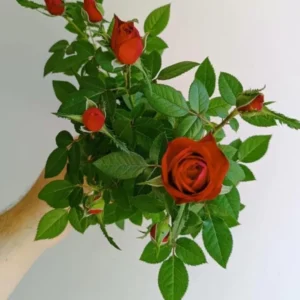
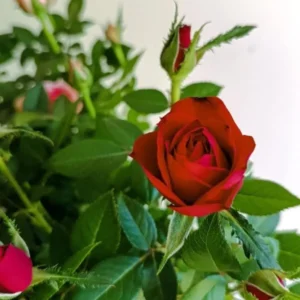
Enhance your garden with a stunning Miyabi Japanese Rose live plant. This beautiful ownroot rose plant arrives ready to thrive, offering elegant blooms and a robust growth habit. Perfect for adding a touch of sophistication to any outdoor space.
$58.00

With our Alive & Thrive Guarantee, we’ve got your back for the first 30 days! If you have any concerns about your plants, just reach out to us. Our team is here to help answer your questions and guide you in selecting the best plants for your garden, climate, and unique preferences. We're excited to help you create the garden of your dreams!
Estimated arrival
Mar 30
Apr 04 - Apr 06
Apr 09 - Apr 13
Product Details
-
USDA Hardiness Zone
USDA Zones 5-9 -
Soil type
Well-draining, rich in organic matter -
Sunlight Exposure
Full sun (at least 6 hours direct sunlight) -
Expected Planting Period
Spring to early summer
Overview
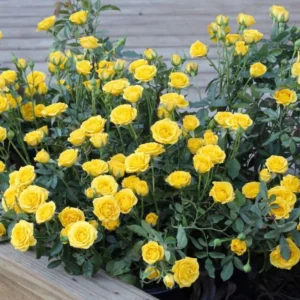
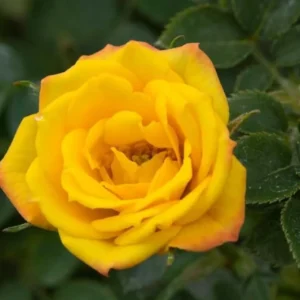
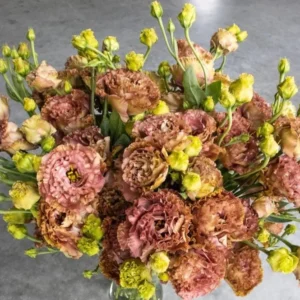
Introduce breathtaking beauty to your garden with the Miyabi Japanese Rose live plant. This exquisite variety is celebrated for its intricate bloom form and captivating presence, making it a highly sought-after addition for rose enthusiasts and garden lovers alike. As an ownroot rose plant, it offers superior hardiness and vigor compared to grafted varieties, ensuring a more resilient and long-lived specimen for your landscape. The ‘Miyabi’ rose, often simply called a Japanese rose, is renowned for its elegant aesthetics and generally robust nature, promising a rewarding gardening experience for both novices and experienced cultivators. Its unique characteristics set it apart, providing a focal point of discussion and admiration in any outdoor setting.
This particular Miyabi Japanese Rose live plant is carefully cultivated to ensure a strong start in your garden. It arrives as a well-established plant, ready to be transplanted and begin its journey of growth and flowering. The charm of growing Miyabi rose lies in watching its delicate petals unfurl into a spectacular display, bringing a touch of Japanese serenity and beauty to your home.
Key Benefits
The Miyabi Japanese Rose live plant offers numerous advantages, transforming your garden into a haven of natural beauty and elegance. Its distinct qualities make it a truly special choice for any plant collection.
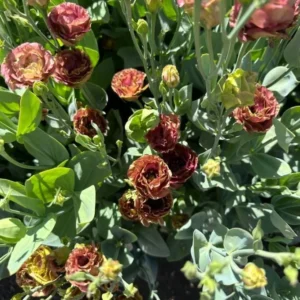
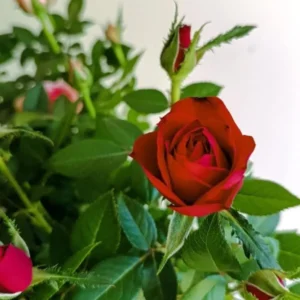
- Exquisite Blooms: The Miyabi rose is famous for its uniquely formed, often multi-petaled flowers, which present a sophisticated and elegant appearance. These blooms are a true spectacle, providing visual delight throughout their flowering season.
- Ownroot Vigor: As an ownroot rose plant, it grows on its own root system, leading to increased hardiness, better disease resistance, and consistent performance. This ensures a healthier, more robust plant that can withstand various environmental stressors.
- Garden Focal Point: With its striking flowers and lush foliage, the Miyabi Japanese Rose live plant naturally becomes a stunning focal point in garden beds, borders, or large containers, drawing attention and admiration.
- Long-Lasting Beauty: These roses typically offer a prolonged blooming period, providing continuous color and fragrance from spring through fall, ensuring your garden remains vibrant for months.
- Adaptable Growth: While known for its specific beauty, the Japanese rose care requirements are manageable, making it suitable for a range of garden designs and gardener skill levels. It adapts well to various soil types once established.
- Fragrant Presence: Many ‘Miyabi’ varieties carry a pleasant, subtle fragrance, adding an aromatic dimension to its visual appeal and enhancing the sensory experience of your garden.
- Resilient Nature: The inherent strength of an ownroot plant means less susceptibility to common rose issues and a greater ability to recover from minor setbacks, contributing to easier growing Miyabi rose.
Plant Care & Growing Tips
Proper Japanese rose care is essential for ensuring your Miyabi Japanese Rose live plant thrives and produces abundant, beautiful blooms. While generally robust, a little attention to its needs will go a long way in cultivating a magnificent specimen. Providing the right conditions from the start will lead to a healthy and vigorous plant.
For optimal growth, plant your ownroot rose plant in a location that receives at least 6 hours of direct sunlight per day. Full sun is ideal for prolific flowering. Ensure the soil is well-draining and rich in organic matter. A slightly acidic to neutral pH (6.0-7.0) is preferred. When watering, aim for deep, consistent moisture, especially during dry periods and the blooming season. Avoid overhead watering to minimize fungal diseases; instead, water at the base of the plant. Allow the top inch or two of soil to dry out slightly between waterings. Regular fertilization with a balanced rose fertilizer during the growing season will support vigorous growth and abundant blooms. Follow the product instructions for application rates.
Pruning is an important aspect of growing Miyabi rose. Remove dead, damaged, or crossing branches to improve air circulation and encourage new growth. Deadhead spent blooms to promote continuous flowering. Protect your rose in winter by mulching around the base, especially in colder zones. Watch out for common rose pests like aphids and spider mites, and treat them promptly with appropriate organic or chemical solutions. Good air circulation and proper watering techniques will help prevent fungal diseases such as black spot and powdery mildew. With consistent care, your Miyabi Japanese Rose live plant will reward you with its stunning beauty year after year.
Size & Details
This Miyabi Japanese Rose live plant is supplied as an ownroot specimen, carefully grown for resilience and health. It arrives in a 6-inch nursery pot, providing a well-established root system ready for transplanting into your garden. Typically, these plants will grow to a mature height of 3-5 feet and spread similarly, depending on growing conditions and pruning. The growth rate is moderate, with significant development and flowering expected in the first season after planting.
The plant is shipped in its nursery pot with soil, ensuring minimal shock during transit. Expect the first flush of elegant blooms in late spring to early summer, with successive flushes throughout the growing season. This variety is known for its strong, healthy growth habit, making it an excellent choice for creating impactful garden displays. The ownroot rose plant structure means it will maintain its true characteristics even if the top growth is damaged, as it grows from its own roots.
Frequently Asked Questions
- Q: How big does this plant get? A: The Miyabi Japanese Rose live plant typically grows to a mature height of 3-5 feet and can spread similarly. Its size can be managed with proper pruning.
- Q: What size pot does it come in? A: This ownroot rose plant is shipped in a 6-inch nursery pot, complete with an established root system and healthy foliage.
- Q: Is this an indoor or outdoor plant? A: The Miyabi Japanese Rose is best suited as an outdoor plant, thriving in garden beds, borders, or large patio containers where it can receive ample sunlight.
- Q: How much sunlight does it need? A: For optimal growth and flowering, the Miyabi Japanese Rose live plant requires at least 6 hours of direct sunlight per day. Full sun exposure is ideal.
- Q: Is this plant easy to care for? A: With its ownroot vigor, this rose is relatively easy to care for, making it suitable for gardeners of various experience levels. Consistent watering and feeding are key for successful Japanese rose care.
- Q: What condition will it arrive in? A: Your Miyabi Japanese Rose live plant will arrive as a healthy, well-rooted plant in its nursery pot, carefully packaged to ensure its safety during transit.
- Q: How long until it blooms? A: Depending on the time of year and planting, you can expect the first beautiful blooms in late spring to early summer, with continuous flowering throughout the growing season.
- Q: What’s the best soil for growing Miyabi rose? A: This rose prefers well-draining soil rich in organic matter, with a slightly acidic to neutral pH (6.0-7.0).
- Q: Will it survive winter in my zone? A: The winter hardiness of the Miyabi Rose varies by region. It’s generally hardy in USDA Zones 5-9. In colder zones, winter protection like mulching is recommended.
- Q: Is this a fragrant rose? A: Yes, many ‘Miyabi’ varieties possess a delicate and pleasant fragrance, adding to the overall sensory experience of this beautiful rose.
Related products
-67%
Original price was: $66.72.$22.24Current price is: $22.24.
-67%
Original price was: $41.97.$13.99Current price is: $13.99.
-30%
Original price was: $63.98.$44.78Current price is: $44.78.
-20%
Original price was: $27.98.$22.38Current price is: $22.38.
-10%
Original price was: $11.99.$10.79Current price is: $10.79.
-83%
Original price was: $44.97.$7.74Current price is: $7.74.
-67%
Original price was: $59.97.$19.99Current price is: $19.99.
PLANTING & CARE

The Comprehensive Guide to Growing Bay Leaf Plants for a Flavorful Garden
Imagine stepping into your garden, greeted by the earthy aroma of fresh bay leaves, their
09
Feb
Feb

How to Make Comfrey Tea: The Ultimate Organic Plant Food
Growing an organic garden can be surprisingly expensive, especially when most store-bought fertilizers come in
02
Feb
Feb

True Comfrey: 7 Essential Tips Before You Plant This Herb
A staple in permaculture practices across the US, True Comfrey easily earns its reputation as
27
Jan
Jan

7 Heart-Shaped Plants for a Lasting Valentine’s Gift
If you’ve ever bought a bouquet of roses for Valentine’s Day, you know they are
26
Jan
Jan

Best Types of Ivy Plant for Houses: How to Choose the Perfect Ones for Your Home
Are you a garden lover looking to introduce some greenery into your home? Maybe you’ve
14
Nov
Nov

When to Harvest Garlic (Especially Fall-Planted Garlic)
TIMING IS EVERYTHING, they say – and for garlic, that truth hits with surprising accuracy.
13
Nov
Nov

11 of the Best Sweet Potato Varieties to Grow for Your Garden
If you’ve ever tried growing sweet potatoes, you know that picking the right variety can
12
Nov
Nov
Pruning Bougainvillea for Winter
Bougainvillea vines are known for their dazzling display of magenta, orange, and fuchsia bracts that
05
Nov
Nov