Mock Orange ‘Minnesota Snowflake’ Live Plant – Quart Pot – Fragrant White Shrub
-30%
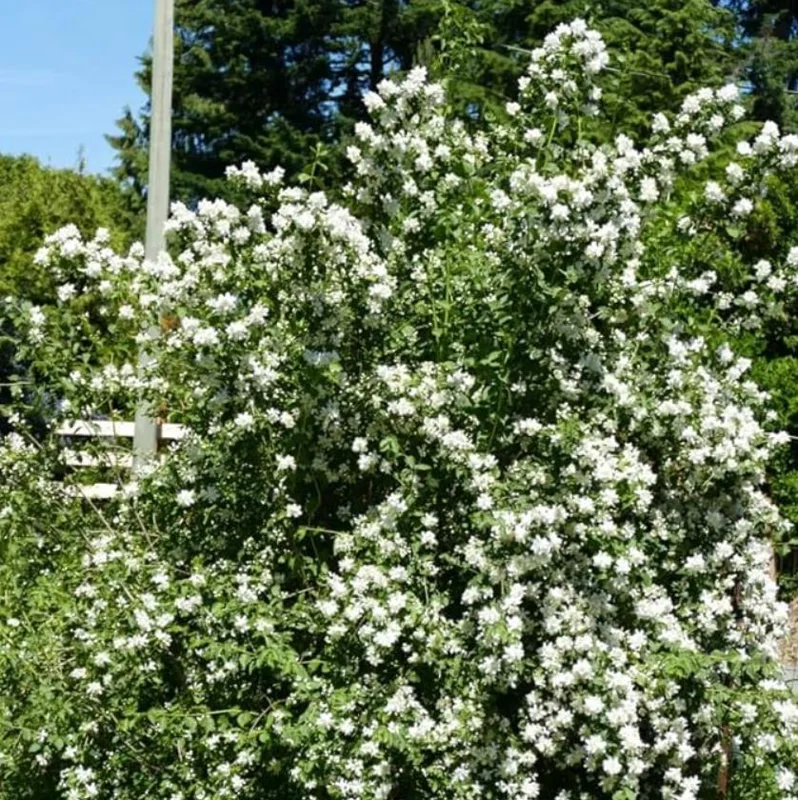
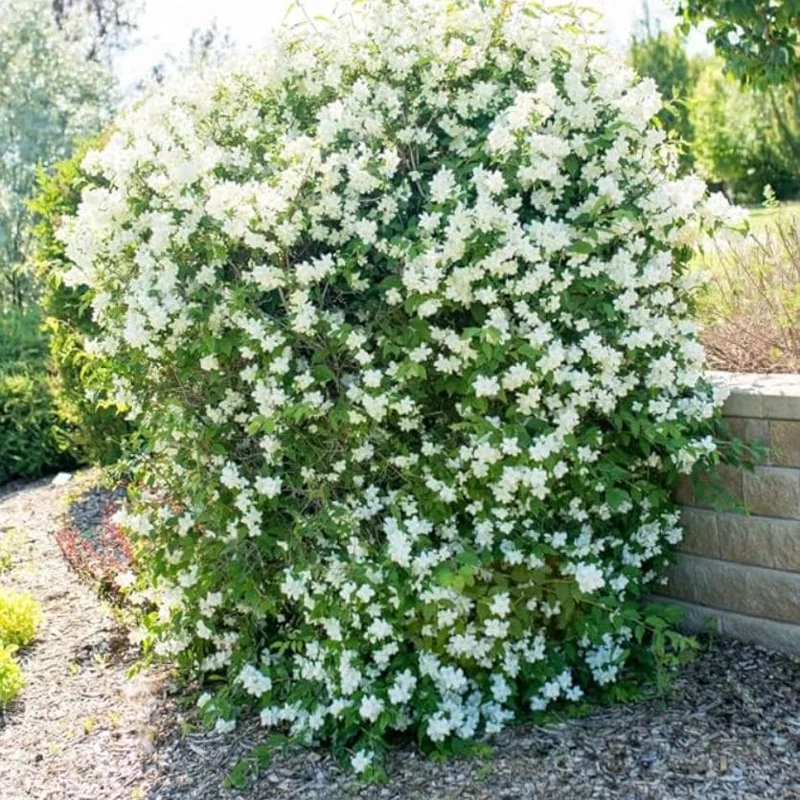
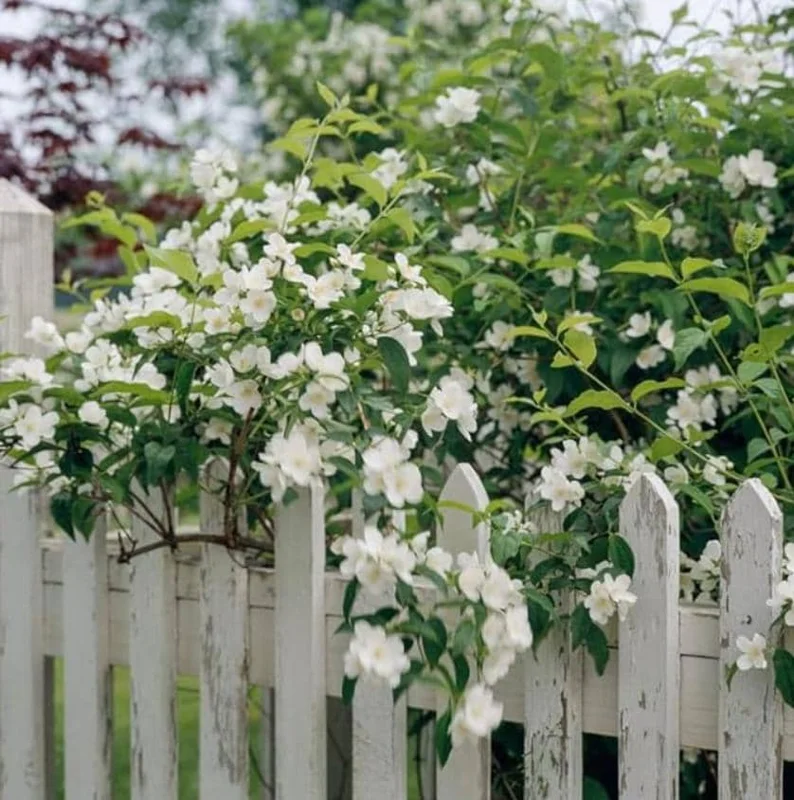
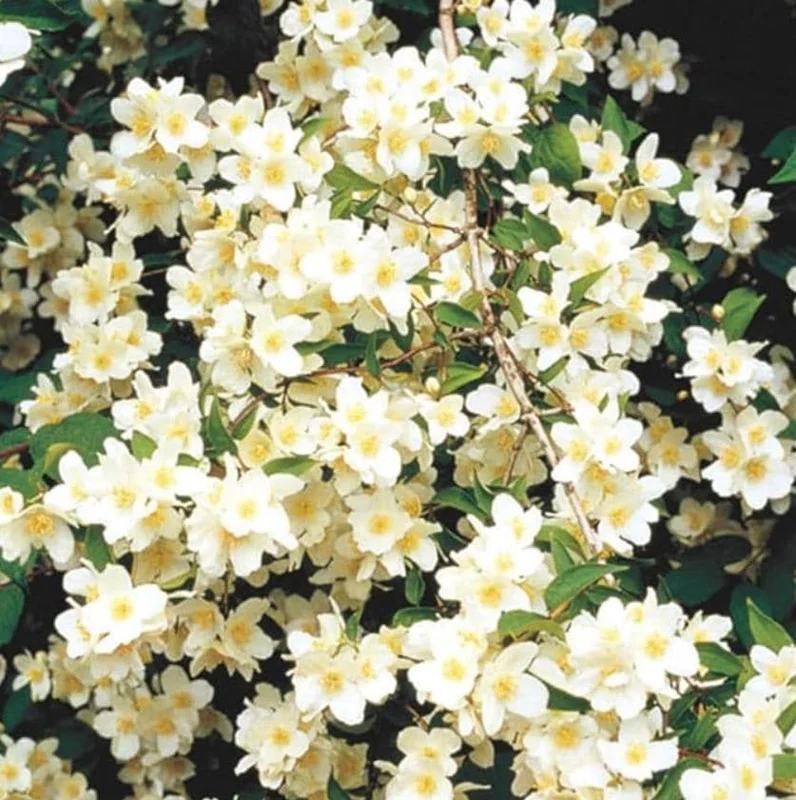

Mock Orange ‘Minnesota Snowflake’ Live Plant – Quart Pot – Fragrant White Shrub
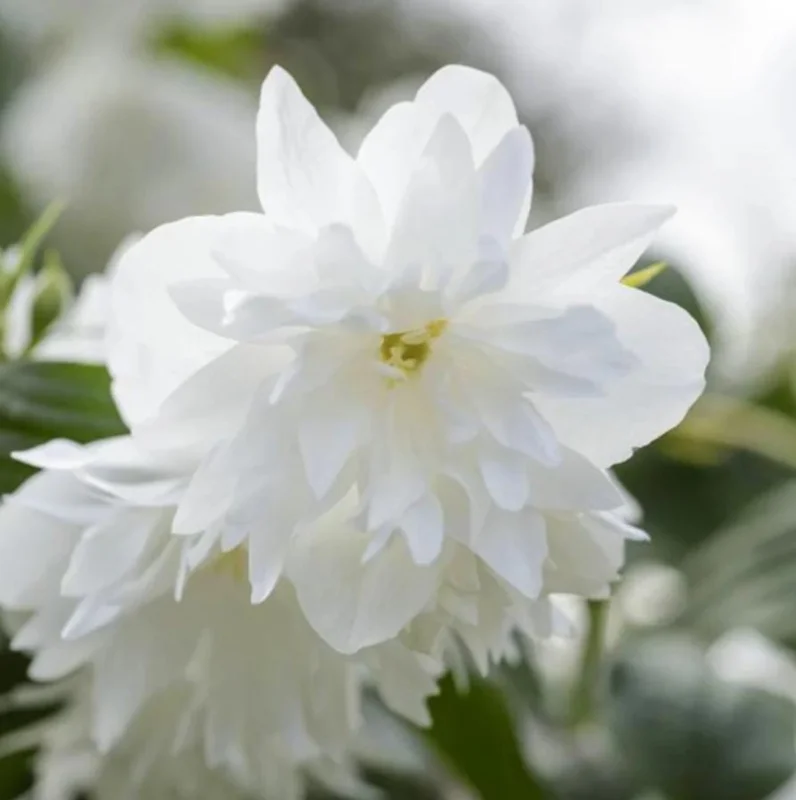
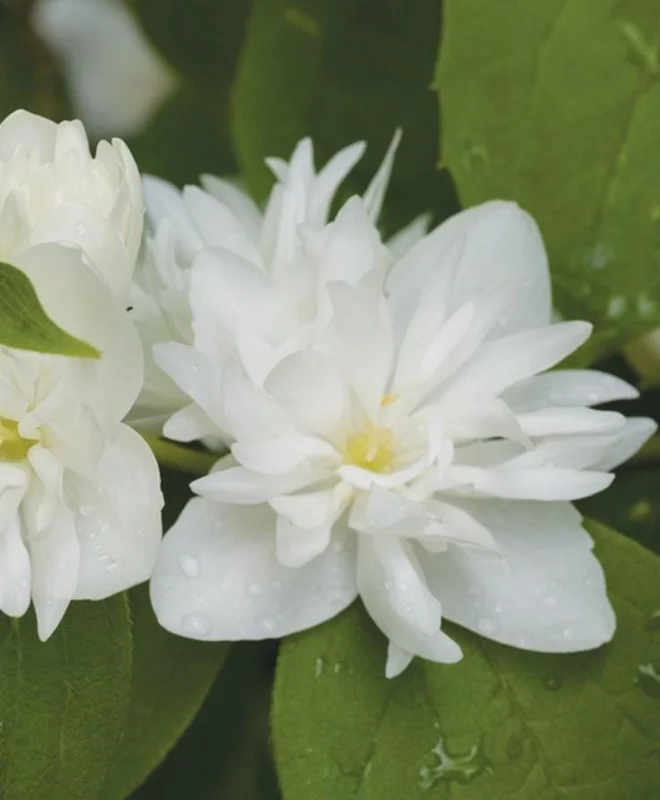
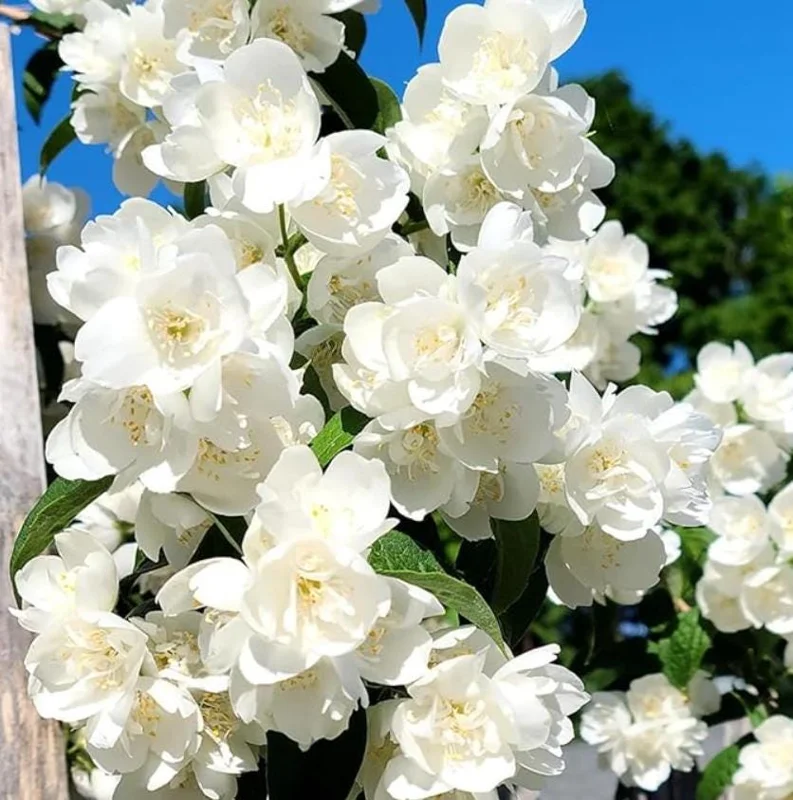
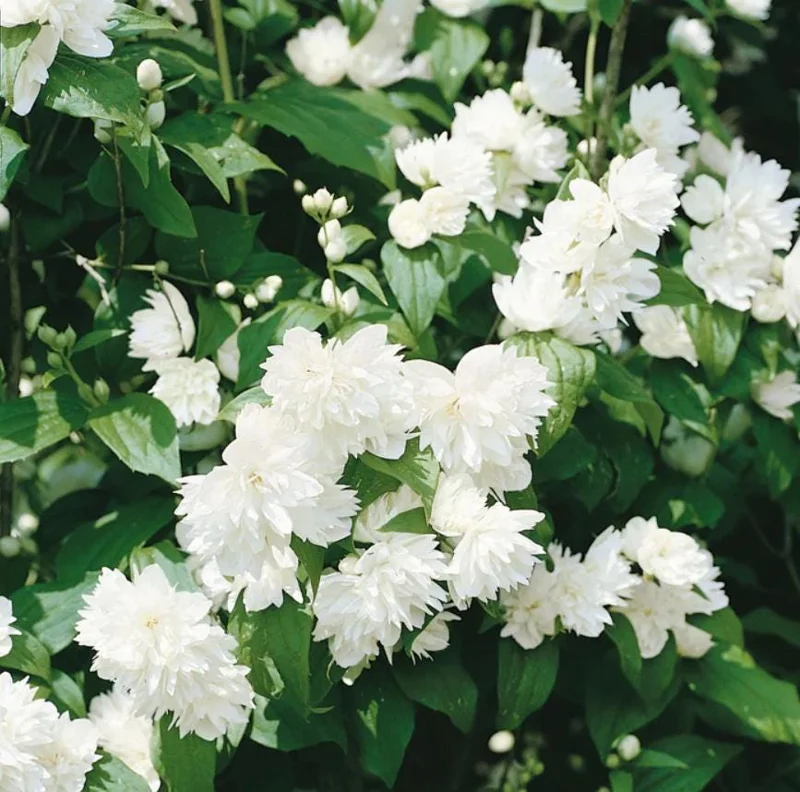
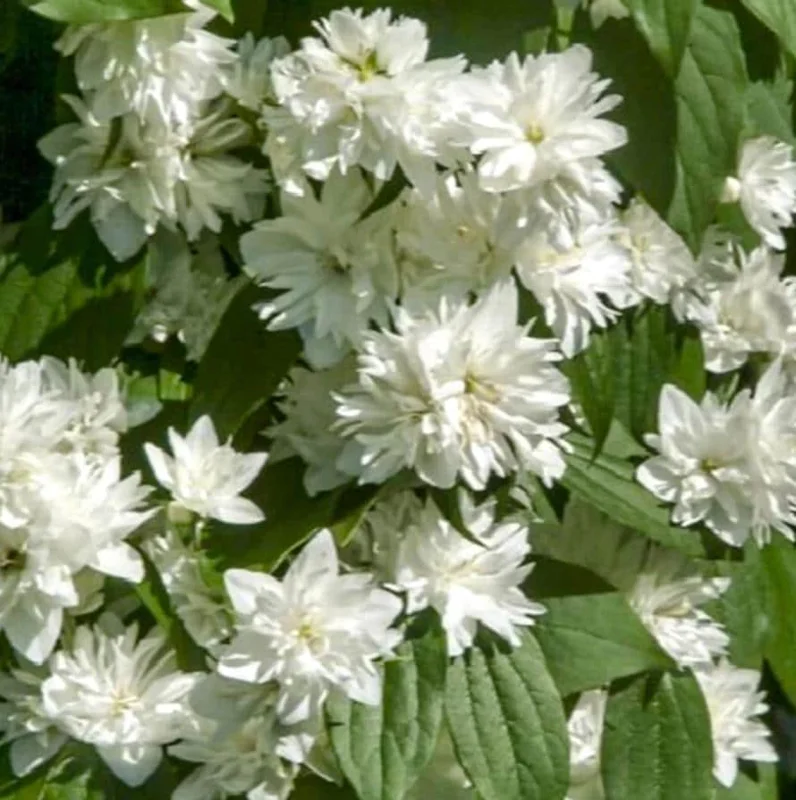
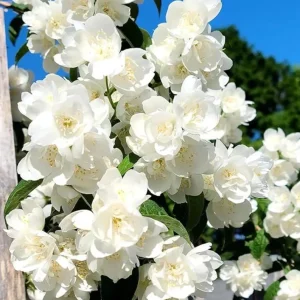
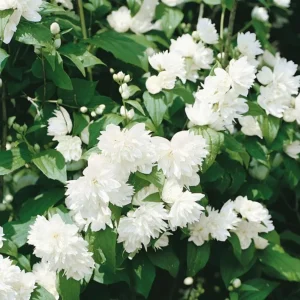
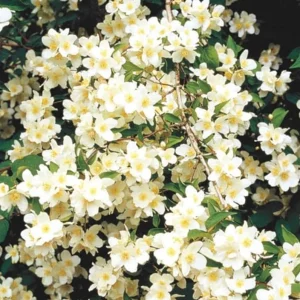
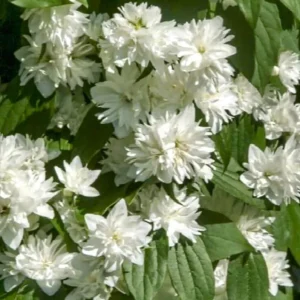
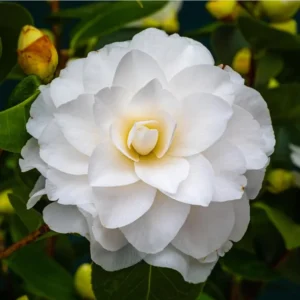
Bring timeless beauty to your garden with the mock orange live plant, ‘Minnesota Snowflake’. This deciduous shrub features fragrant double white blooms in late spring to early summer. Shipped in a quart nursery pot, it’s a cold-hardy and easy-to-grow addition for borders, foundation plantings, or cottage gardens.
Original price was: $59.98.$41.98Current price is: $41.98.

With our Alive & Thrive Guarantee, we’ve got your back for the first 30 days! If you have any concerns about your plants, just reach out to us. Our team is here to help answer your questions and guide you in selecting the best plants for your garden, climate, and unique preferences. We're excited to help you create the garden of your dreams!
Estimated arrival
Apr 01
Apr 06 - Apr 08
Apr 11 - Apr 15






Product Details
-
USDA Hardiness Zone
USDA Zones 4-8 -
Soil type
Well-draining soil -
Sunlight Exposure
Full sun to partial shade -
Expected Planting Period
Spring to early fall
Overview
Introduce a touch of classic elegance and delightful fragrance to your outdoor space with the mock orange live plant, specifically the exquisite ‘Minnesota Snowflake’ variety. Known scientifically as Philadelphus coronarius ‘Minnesota Snowflake’, this beloved ornamental shrub is celebrated for its profusion of showy, double white blooms that exude a captivating citrus-like scent. Perfect for gardeners seeking a low-maintenance yet high-impact addition, this Minnesota Snowflake shrub thrives in a variety of settings. It’s an ideal choice for creating stunning garden borders, enhancing foundation plantings, or contributing to the charming aesthetic of a cottage garden.
The ‘Minnesota Snowflake’ is a deciduous shrub, meaning it will shed its leaves in colder months, only to return with vibrant green foliage and an abundance of fragrant white flowers as temperatures rise. This particular cultivar is noted for its exceptional hardiness, making it a reliable performer even in northern climates where other shrubs might struggle. When you receive your mock orange live plant, it will be a carefully selected specimen, ready to establish itself and begin its journey of enhancing your landscape with beauty and aroma for many years to come.
Key Benefits
The mock orange live plant offers a wealth of advantages for any garden, combining aesthetic appeal with ease of care. Its unique characteristics make it a popular choice among both novice and experienced gardeners:
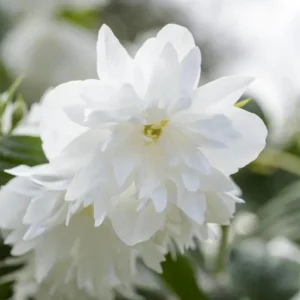
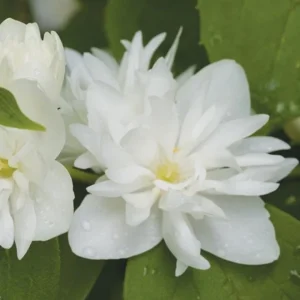
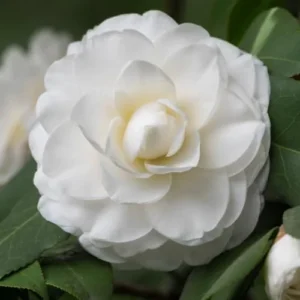
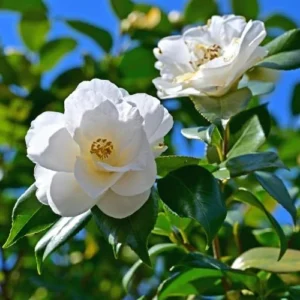
- Stunning Double White Blooms: Enjoy an abundance of pure white, double-petaled flowers that create a spectacular visual display, providing a focal point in your garden during late spring to early summer.
- Intoxicating Citrus Fragrance: The blooms release a delightful, sweet, citrus-like aroma that will fill your garden, attracting pollinators and creating a serene, inviting atmosphere. This makes the Minnesota Snowflake shrub a true sensory delight.
- Exceptional Cold Hardiness: This variety is remarkably resilient, performing well in colder regions (USDA Zones 4-8), ensuring its survival and robust growth even through harsh winters. It’s a truly cold hardy shrub.
- Low Maintenance & Easy to Grow: Ideal for busy gardeners, the ‘Minnesota Snowflake’ requires minimal care once established, making it a hassle-free addition to your landscape.
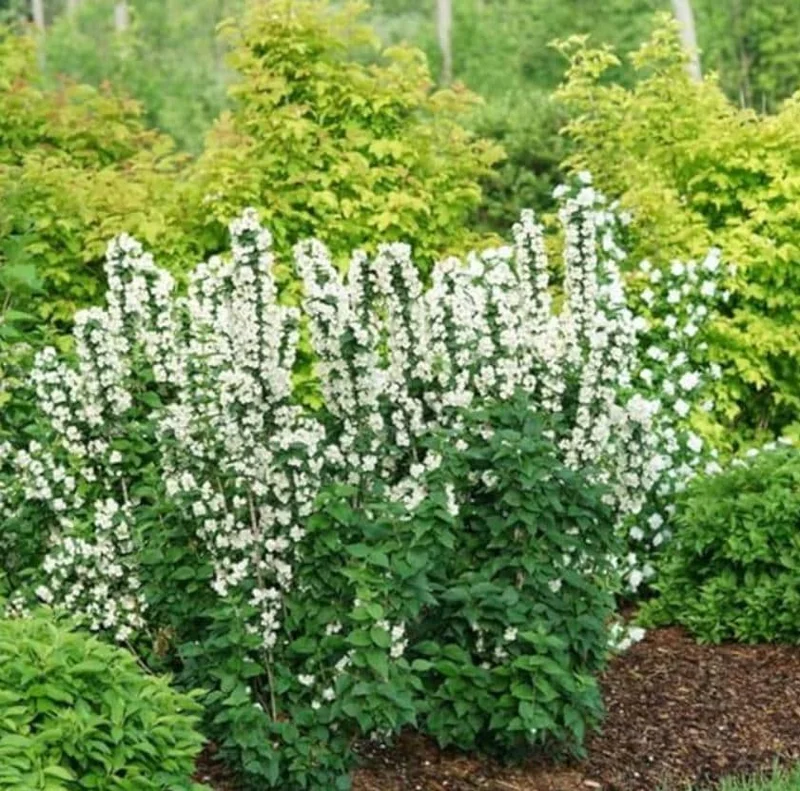
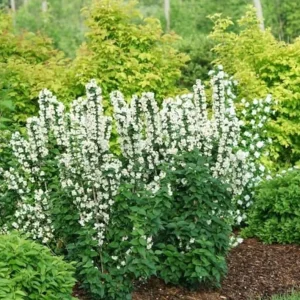
- Versatile Landscape Use: Its upright, arching form and dense foliage make it perfect for various applications, including informal hedges, privacy screens, foundation plantings, or as a striking specimen plant.
- Attracts Pollinators: The fragrant blooms are a magnet for bees, butterflies, and other beneficial pollinators, contributing to the health and biodiversity of your garden ecosystem.
- Classic Cottage Garden Appeal: With its old-fashioned charm and abundant fragrant white flowers, this shrub effortlessly evokes the romantic and timeless feel of a traditional cottage garden.
Plant Care & Growing Tips
Caring for your mock orange live plant is straightforward, ensuring years of beautiful blooms and fragrance. This cold hardy shrub prefers a location with full sun to partial shade. For optimal flowering, aim for at least 6 hours of direct sunlight per day. While it can tolerate some shade, too little sun may result in fewer blooms. When planting, choose a spot with well-draining soil. Mock oranges are not overly picky about soil type but thrive in average, moist, fertile conditions. Amend heavy clay soils with compost to improve drainage, or sandy soils to enhance water retention.
Water your ‘Minnesota Snowflake’ regularly, especially during dry spells and in its first year of establishment. Aim to keep the soil consistently moist but not waterlogged. Once established, it is relatively drought-tolerant but will perform best with occasional deep watering. Fertilize in early spring with a balanced, slow-release granular fertilizer formulated for flowering shrubs. Avoid over-fertilizing, as this can lead to excessive foliage growth at the expense of flowers. Pruning is best done immediately after flowering in late spring or early summer. Remove any dead, damaged, or weak branches, and thin out older stems to encourage new growth and maintain an attractive shape. This helps ensure a continuous display of fragrant white flowers.
The ‘Minnesota Snowflake’ is generally disease and pest resistant. However, keep an eye out for common issues like aphids or powdery mildew, which can be treated with organic insecticides or fungicides if necessary. Its hardiness, especially for a Philadelphus coronarius variety, makes it a resilient choice for many climates. During colder months, especially in the northernmost parts of its hardiness range, a layer of mulch around the base can provide extra insulation. Proper care will ensure your Minnesota Snowflake shrub remains a vibrant and cherished part of your garden.
Size & Details
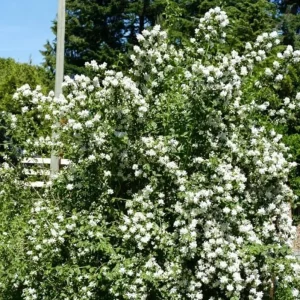
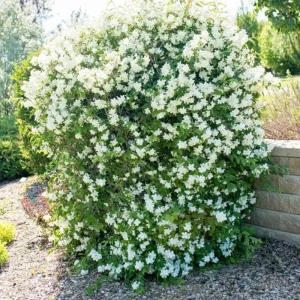
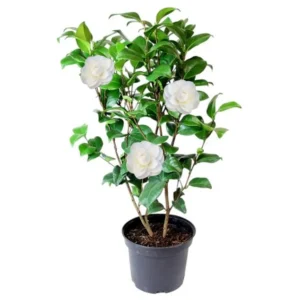
The mock orange live plant ‘Minnesota Snowflake’ is typically shipped as a vigorous specimen in a quart-sized nursery pot, ensuring a healthy root system ready for planting. Upon maturity, this beautiful deciduous shrub can reach an impressive height of 5 to 8 feet with a similar spread, creating a substantial and impactful presence in the landscape. Its growth rate is moderate, allowing it to establish and fill out within a few seasons. The plant develops an attractive upright, arching form, providing elegant structure to your garden even when not in bloom.
Expect the stunning double white, fragrant white flowers to appear in late spring to early summer, transforming the shrub into a cloud of white and scent. This timing makes it an excellent companion for other spring-blooming perennials and shrubs. The dark green foliage provides a lush backdrop throughout the growing season. The ‘Minnesota Snowflake’ is a popular choice for its ability to provide significant visual interest and fragrance without demanding excessive space, making it suitable for both larger gardens and more compact urban settings where a beautiful cold hardy shrub is desired.
Frequently Asked Questions
- Q: How big does this mock orange live plant get? A: The ‘Minnesota Snowflake’ mock orange typically grows to a mature height of 5 to 8 feet with a similar spread, forming a substantial and attractive shrub.
- Q: Is this an indoor or outdoor plant? A: This is an outdoor deciduous shrub, well-suited for garden beds, borders, and foundation plantings. It is a very cold hardy shrub.
- Q: How much sunlight does the ‘Minnesota Snowflake’ need? A: For the best flowering performance, this shrub prefers full sun, meaning at least 6 hours of direct sunlight per day. It can tolerate partial shade but may produce fewer fragrant white flowers.
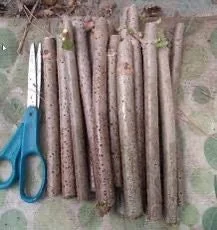
- Q: What condition will the Minnesota Snowflake shrub arrive in? A: Your plant will arrive as a live plant in a quart-sized nursery pot, carefully packaged to ensure its health during transit. During colder months, it may arrive dormant with few or no leaves, which is normal.
- Q: When is the best time to plant this mock orange? A: The best time to plant is in spring or early fall, allowing the plant sufficient time to establish its root system before extreme weather conditions.
- Q: Is this shrub deer resistant? A: Mock oranges are generally considered to be deer resistant, though no plant is entirely deer-proof, especially if deer populations are high and food sources are scarce.
- Q: Will the mock orange live plant attract pollinators? A: Yes, the sweetly scented, fragrant white flowers are highly attractive to various pollinators, including bees and butterflies, contributing to a vibrant garden ecosystem.
- Q: What USDA hardiness zones is this plant suitable for? A: The ‘Minnesota Snowflake’ mock orange is a very cold hardy shrub, suitable for USDA hardiness zones 4 through 8.
- Q: How often should I water my newly planted mock orange? A: Newly planted mock oranges require regular watering to keep the soil consistently moist until they are established. Reduce frequency once established, watering deeply during dry spells.
- Q: Can I prune my Philadelphus coronarius ‘Minnesota Snowflake’ and when? A: Yes, pruning is beneficial. It should be done immediately after the shrub finishes flowering in late spring or early summer to maintain shape and encourage new growth.
Related products
-76%

Original price was: $103.96.$24.99Current price is: $24.99.

-10%

Original price was: $23.99.$21.59Current price is: $21.59.
-20%


Original price was: $76.00.$60.80Current price is: $60.80.
-50%


Original price was: $133.98.$66.99Current price is: $66.99.
-50%

Original price was: $49.98.$24.99Current price is: $24.99.
-50%

Original price was: $55.98.$27.99Current price is: $27.99.
-50%


Original price was: $63.00.$31.50Current price is: $31.50.
PLANTING & CARE

Growing Glencoe Raspberry: A Complete Guide for Gardeners
If you’re looking to add something unique to your garden, look no further than the
31
Mar
Mar

The Comprehensive Guide to Growing Bay Leaf Plants for a Flavorful Garden
Imagine stepping into your garden, greeted by the earthy aroma of fresh bay leaves, their
09
Feb
Feb

How to Make Comfrey Tea: The Ultimate Organic Plant Food
Growing an organic garden can be surprisingly expensive, especially when most store-bought fertilizers come in
02
Feb
Feb

True Comfrey: 7 Essential Tips Before You Plant This Herb
A staple in permaculture practices across the US, True Comfrey easily earns its reputation as
27
Jan
Jan

7 Heart-Shaped Plants for a Lasting Valentine’s Gift
If you’ve ever bought a bouquet of roses for Valentine’s Day, you know they are
26
Jan
Jan

Best Types of Ivy Plant for Houses: How to Choose the Perfect Ones for Your Home
Are you a garden lover looking to introduce some greenery into your home? Maybe you’ve
14
Nov
Nov

When to Harvest Garlic (Especially Fall-Planted Garlic)
TIMING IS EVERYTHING, they say – and for garlic, that truth hits with surprising accuracy.
13
Nov
Nov

11 of the Best Sweet Potato Varieties to Grow for Your Garden
If you’ve ever tried growing sweet potatoes, you know that picking the right variety can
12
Nov
Nov