Money Plant Seeds – Lunaria Biennis Silver Dollar Plant – 50 Seeds – Biennial
-63%
Money Plant Seeds – Lunaria Biennis Silver Dollar Plant – 50 Seeds – Biennial
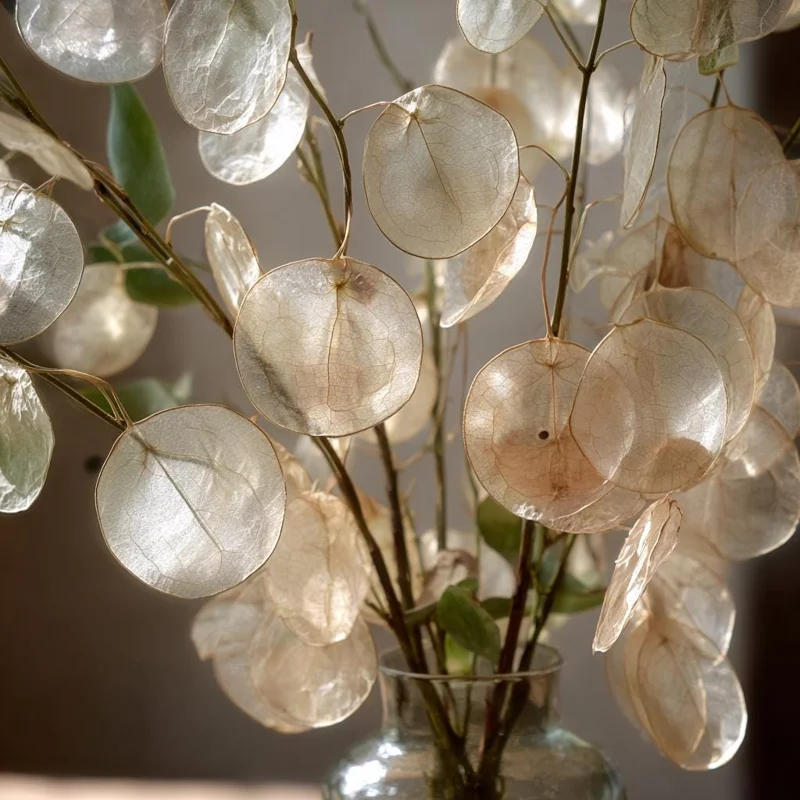
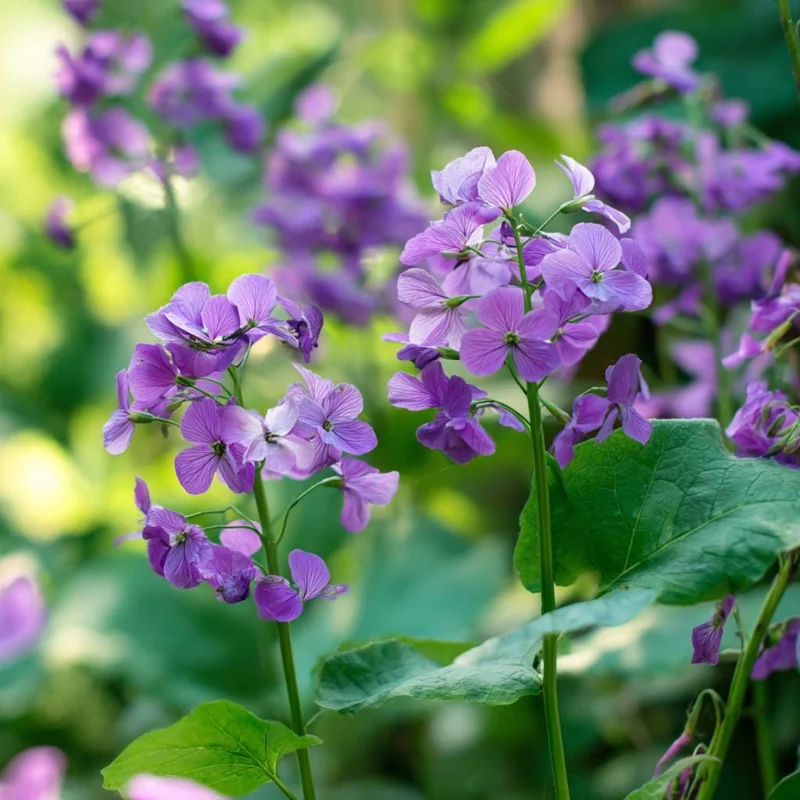
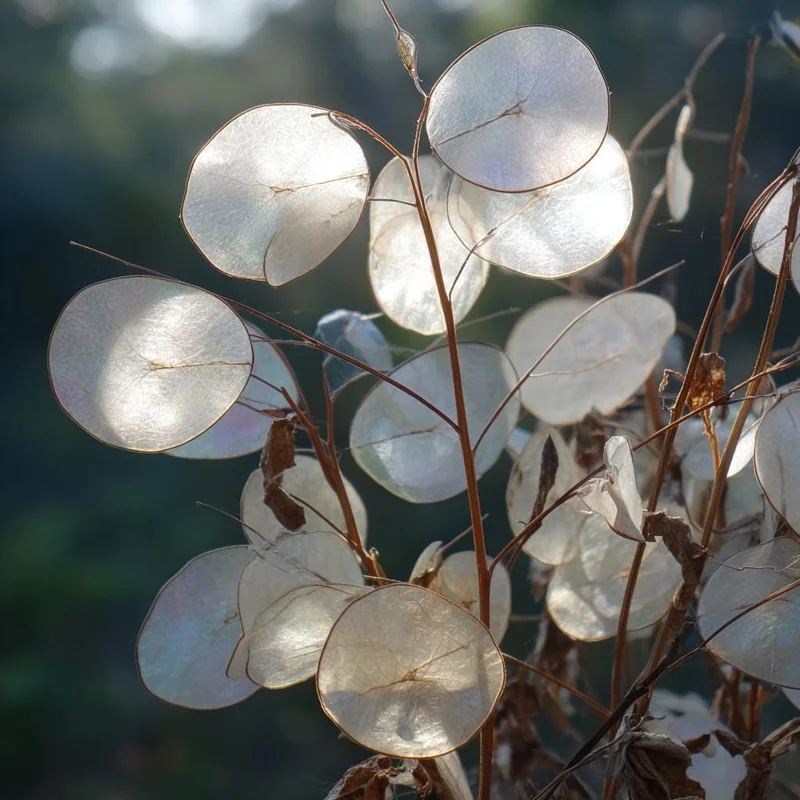
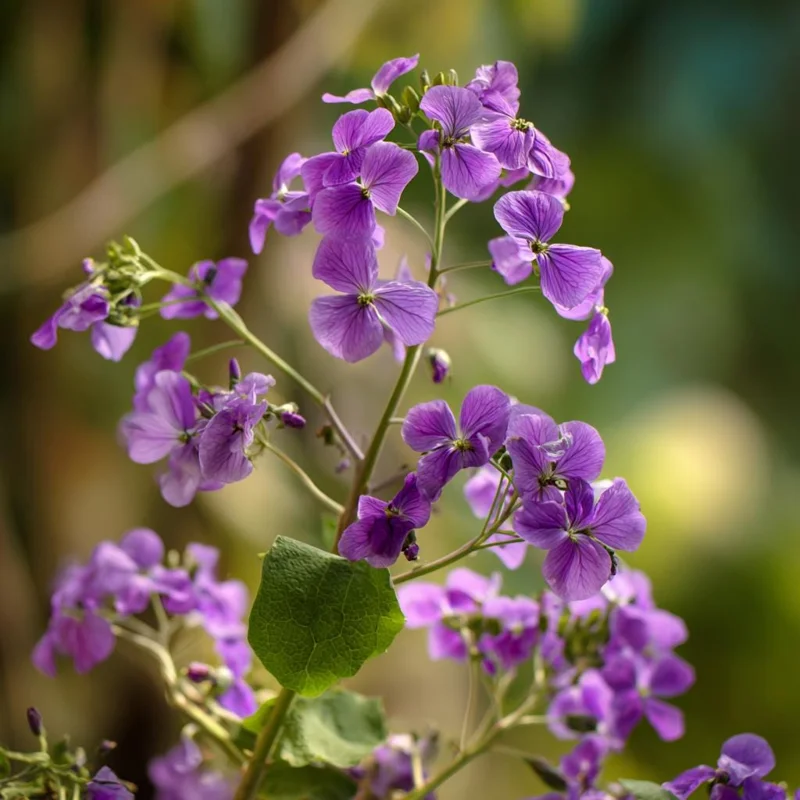
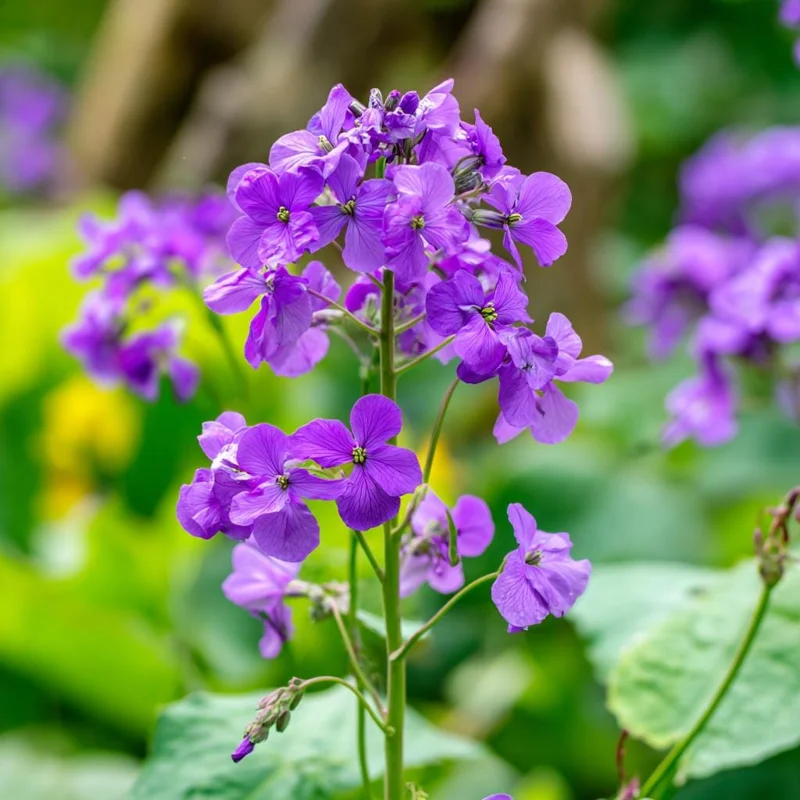
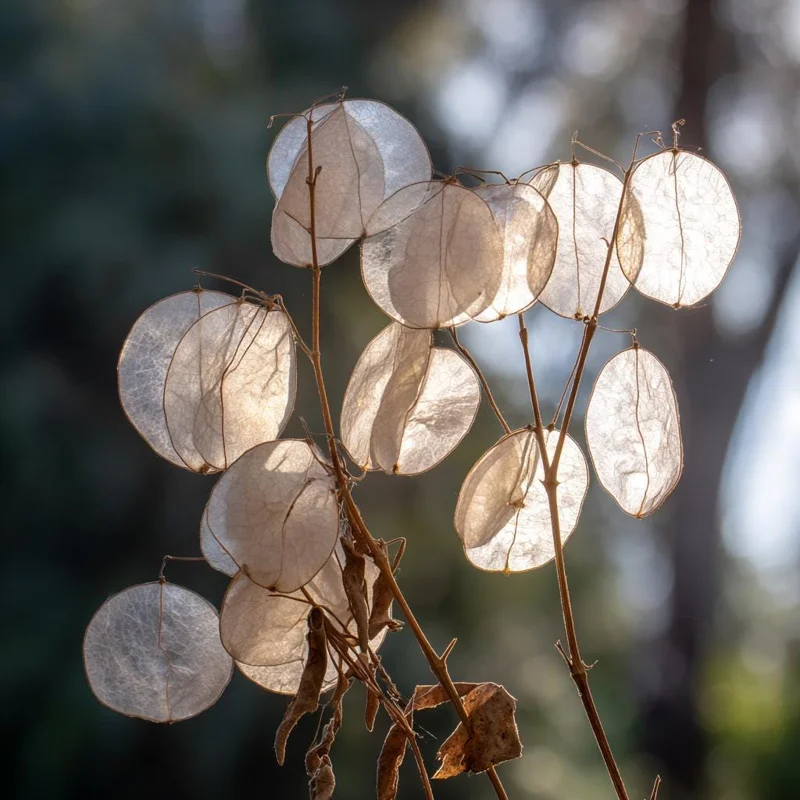
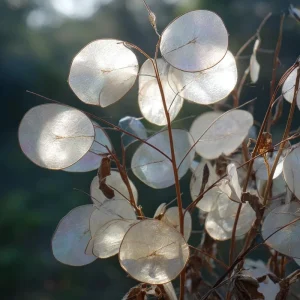
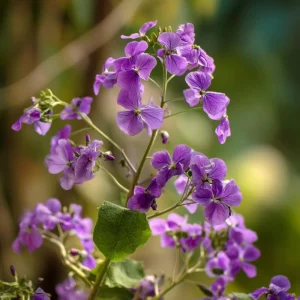
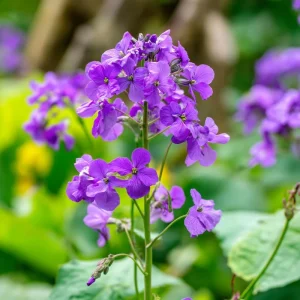
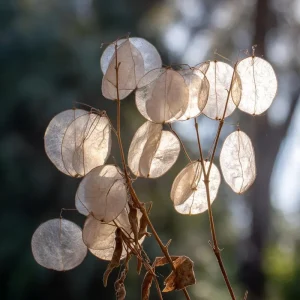
Cultivate the charming money plant seeds (Lunaria Biennis), also known as silver dollar plant seeds, with this pack of 50 seeds. Enjoy beautiful purple blooms in spring and unique translucent, coin-like seed pods for dried arrangements. Easy to grow biennial.
Original price was: $31.99.$11.99Current price is: $11.99.

With our Alive & Thrive Guarantee, we’ve got your back for the first 30 days! If you have any concerns about your plants, just reach out to us. Our team is here to help answer your questions and guide you in selecting the best plants for your garden, climate, and unique preferences. We're excited to help you create the garden of your dreams!
Estimated arrival
Apr 12
Apr 17 - Apr 19
Apr 22 - Apr 26


Product Details
-
USDA Hardiness Zone
USDA zones 5-9 -
Soil type
Well-drained, moderately fertile soil -
Sunlight Exposure
Full sun to partial shade -
Expected Planting Period
Late spring through summer (outdoors)
Overview
Embark on a rewarding gardening journey with these money plant seeds, also known as Lunaria Biennis seeds or silver dollar plant seeds. This pack contains 50 high-quality seeds of the beloved biennial, celebrated for its distinctive appearance. In its first year, the Lunaria Biennis plant forms attractive leafy rosettes, setting the stage for a spectacular second year. You’ll be delighted by its showy purple blooms in spring, followed by the appearance of its iconic, translucent seed pods that shimmer like silver coins. These unique, papery discs are highly prized by crafters and floral enthusiasts for their beauty in dried arrangements. Easy to grow and known for self-seeding, the money plant adds both vibrant color and intriguing texture to any garden space, ensuring continuous beauty for years to come.
The honesty plant seeds are perfect for gardeners looking for a low-maintenance yet visually striking addition to their landscape. Whether you’re an experienced green thumb or just starting out, these seeds offer a straightforward path to cultivating a plant that brings joy and unique decorative elements. Its common names, Money Plant and Silver Dollar Plant, perfectly capture the essence of its shimmering seed pods, making it a conversation starter in any garden or home. Prepare to be enchanted by the transformation from a tiny seed to a mature plant adorned with these natural treasures.
Key Benefits
Growing money plant seeds offers a multitude of benefits, from aesthetic appeal to ease of cultivation, making them a fantastic choice for various garden styles and gardener skill levels. Experience the joy and utility these unique plants provide:
- Distinctive Seed Pods: The primary allure of the Money Plant is its unique, translucent, silver dollar-shaped seed pods. These papery discs are perfect for harvesting and using in dried floral arrangements, crafts, and home decor, adding a touch of natural elegance.
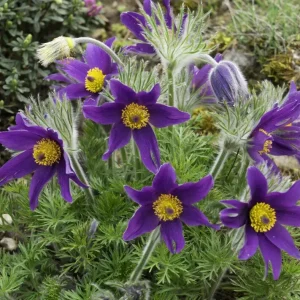
- Attractive Purple Blooms: Before the famous seed pods appear, the Lunaria Biennis produces vibrant purple flowers in spring. These showy blooms provide a beautiful splash of color, attracting pollinators and enhancing your garden’s visual appeal.
- Easy to Grow Biennial: As a biennial, the money plant establishes itself in the first year and blooms in the second. It’s known for being very easy to grow from honesty plant seeds, requiring minimal fuss once established, making it ideal for beginner gardeners.
- Self-Seeding for Continuous Growth: One of the most convenient features of the Money Plant is its natural self-seeding habit. Allow the seed pods to mature, and the plant will readily reseed itself, ensuring a continuous cycle of new plants and blooms year after year without extra effort.
- Versatile Garden Addition: Whether you’re aiming for a cottage garden feel, a wilder naturalized look, or simply want to add unique texture, the silver dollar plant seeds are a versatile choice. They thrive in various settings and complement other plants beautifully.
- Low Maintenance: Once established, these plants require little maintenance. They are generally resistant to pests and diseases, and their care routine is straightforward, allowing you more time to simply enjoy their beauty.
- Educational for Children: Growing money plant seeds can be a wonderful educational project for children, teaching them about plant life cycles, seed germination, and the beauty of nature. The distinctive pods are particularly fascinating for young minds.
Plant Care & Growing Tips
Cultivating money plant seeds is a straightforward process, making it a rewarding experience for gardeners of all levels. Understanding the specific needs of Lunaria Biennis will ensure robust growth and an abundance of its characteristic silver dollar pods. These plants thrive in conditions ranging from full sun to partial shade. For optimal flowering and seed pod production, aim for at least 4-6 hours of direct sunlight daily. In hotter climates, some afternoon shade can prevent scorching. When you grow money plant, remember that it prefers well-drained, moderately fertile soil. Avoid heavy, waterlogged soils, as this can lead to root rot. Amending clay soils with organic matter like compost or sand can significantly improve drainage.
Watering is crucial, especially during dry spells and when the plants are young. Keep the soil consistently moist but never soggy. Once established, the Money Plant is relatively drought-tolerant but will benefit from regular watering during prolonged dry periods. These biennials are hardy and can tolerate a wide range of temperatures, typically performing well in USDA zones 5-9. Fertilization is generally not heavily required in moderately fertile soil, but a balanced, all-purpose fertilizer can be applied lightly in spring if the soil is poor. Common problems are rare, but watch for slugs and snails on young seedlings. Allowing the seed pods to fully mature on the plant before harvesting is key to revealing their beautiful silvery discs. Removing spent flower stalks encourages reseeding, ensuring a steady supply of new lunaria biennis seeds for future seasons.
Size & Details
This product includes 50 high-quality money plant seeds (Lunaria Biennis). As a biennial, the Money Plant typically forms a leafy rosette in its first year, reaching about 6-12 inches in height and spread. In its second year, it sends up tall flower stalks that can grow to an impressive 2-3 feet (24-36 inches) tall, with a similar spread. The charming purple flowers appear in spring, followed by the development of the distinctive silver dollar pods in summer. Germination usually occurs within 14-21 days after sowing. The growth rate is moderate, with plants maturing and flowering in their second season. These seeds are provided in a protective packet, ensuring their viability for successful planting. Expect to sow in late spring through summer for best results, with blooms and pods appearing the following year. The iconic seed pods, once dried, are typically 1-2 inches in diameter.
Frequently Asked Questions
- Q: How big does this plant get? A: In its first year, the money plant seeds will produce a leafy rosette about 6-12 inches tall. In the second year, it will send up flower stalks reaching 2-3 feet (24-36 inches) in height with a similar spread.
- Q: Is this an indoor or outdoor plant? A: The Money Plant (Lunaria Biennis) is primarily an outdoor biennial plant, best suited for garden beds, borders, and naturalized areas. It requires outdoor conditions to complete its life cycle and produce its signature pods.
- Q: How much sunlight does it need? A: To grow money plant successfully, it requires full sun to partial shade. Aim for at least 4-6 hours of direct sunlight daily for optimal growth and abundant flowering and seed pod production.
- Q: Is this plant easy to care for? A: Yes, Lunaria Biennis is considered very easy to care for. Once established from lunaria biennis seeds, it is quite low-maintenance, tolerant of various conditions, and known for self-seeding, making it great for beginners.
- Q: What condition will the seeds arrive in? A: The 50 money plant seeds will arrive in a sealed, protective packet to ensure their viability and readiness for planting.
- Q: When is the best time to plant money plant seeds? A: The best time to sow silver dollar plant seeds directly outdoors is in late spring through summer. You can also start them indoors 6-8 weeks before the last frost.
- Q: How long until it blooms and produces pods? A: As a biennial, the Money Plant will grow foliage in its first year. It will then bloom with purple flowers in the spring of its second year, followed by the development of the famous silver dollar pods in summer.
- Q: Will it survive winter in my zone? A: Money Plants are generally hardy in USDA zones 5-9. They are biennials, meaning they survive one winter before flowering and setting seed in their second year, then dying back. They frequently self-seed to continue the cycle.
- Q: Can I use the money plant for anything other than decoration? A: While primarily grown for its ornamental value, especially the dried seed pods, the young leaves of Lunaria Biennis are edible and can be used in salads, similar to other brassicas.
- Q: Do I need to thin the seedlings? A: Yes, once your honesty plant seeds have germinated and grown a few true leaves, it’s recommended to thin the seedlings to 12-18 inches apart to ensure each plant has enough space to grow robustly.
Related products
-50%
Original price was: $23.96.$11.98Current price is: $11.98.
-50%
Original price was: $47.96.$23.98Current price is: $23.98.
-50%


Original price was: $19.16.$9.58Current price is: $9.58.
-50%
Original price was: $95.96.$47.98Current price is: $47.98.
-50%
Original price was: $15.96.$7.98Current price is: $7.98.
-50%
Original price was: $23.96.$11.98Current price is: $11.98.
-50%
Original price was: $23.96.$11.98Current price is: $11.98.
-50%
Original price was: $23.96.$11.98Current price is: $11.98.
PLANTING & CARE
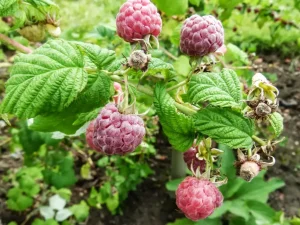
Growing Glencoe Raspberry: A Complete Guide for Gardeners
If you’re looking to add something unique to your garden, look no further than the
31
Mar
Mar

The Comprehensive Guide to Growing Bay Leaf Plants for a Flavorful Garden
Imagine stepping into your garden, greeted by the earthy aroma of fresh bay leaves, their
09
Feb
Feb

How to Make Comfrey Tea: The Ultimate Organic Plant Food
Growing an organic garden can be surprisingly expensive, especially when most store-bought fertilizers come in
02
Feb
Feb

True Comfrey: 7 Essential Tips Before You Plant This Herb
A staple in permaculture practices across the US, True Comfrey easily earns its reputation as
27
Jan
Jan

7 Heart-Shaped Plants for a Lasting Valentine’s Gift
If you’ve ever bought a bouquet of roses for Valentine’s Day, you know they are
26
Jan
Jan

Best Types of Ivy Plant for Houses: How to Choose the Perfect Ones for Your Home
Are you a garden lover looking to introduce some greenery into your home? Maybe you’ve
14
Nov
Nov

When to Harvest Garlic (Especially Fall-Planted Garlic)
TIMING IS EVERYTHING, they say – and for garlic, that truth hits with surprising accuracy.
13
Nov
Nov

11 of the Best Sweet Potato Varieties to Grow for Your Garden
If you’ve ever tried growing sweet potatoes, you know that picking the right variety can
12
Nov
Nov