Monstera Laniata Live Plant – 3 inch Potted Houseplant – Rare Indoor Aroid
-50%
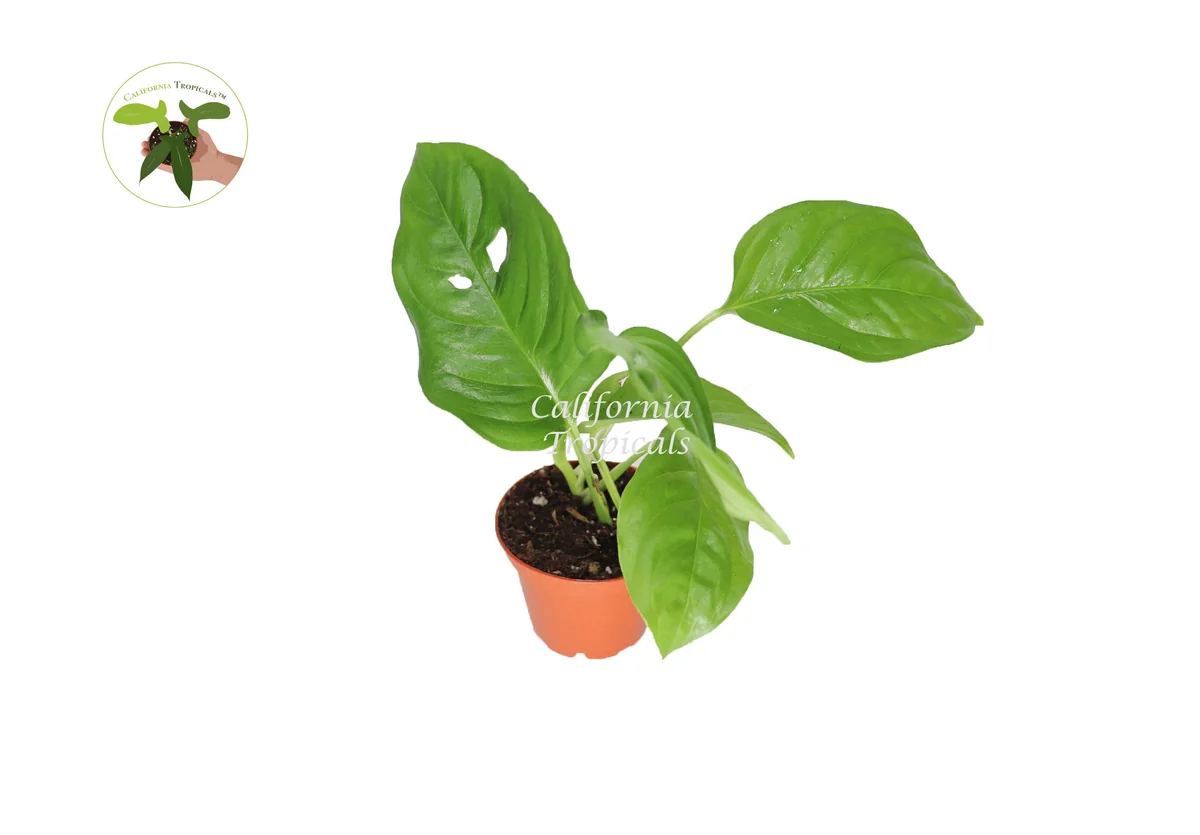
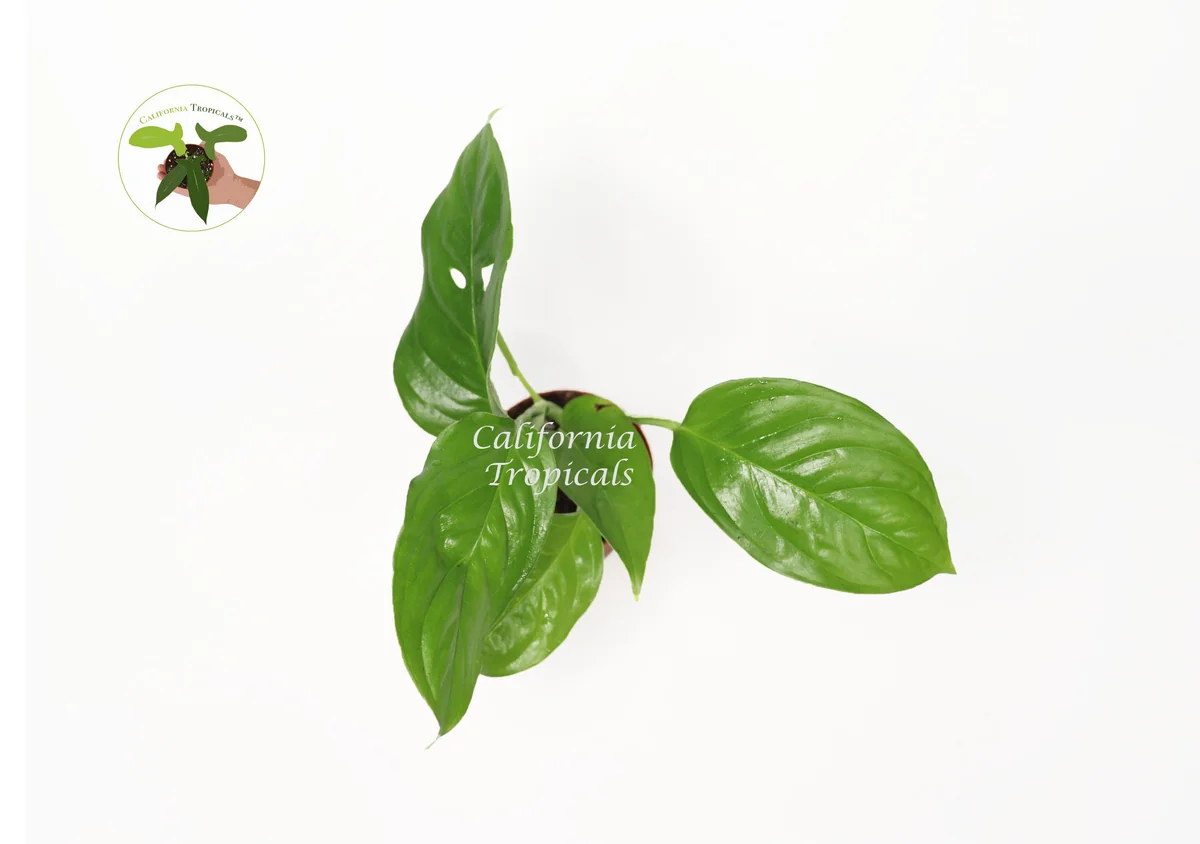
Monstera Laniata Live Plant – 3 inch Potted Houseplant – Rare Indoor Aroid
Bring home a beautiful Monstera Laniata live plant, a collector’s dream for its unique foliage. This 3-inch potted aroid is perfect for adding a touch of exotic greenery to your indoor space. Enjoy the beauty of this rare Monstera plant with proper Monstera Laniata care.
Original price was: $54.00.$27.00Current price is: $27.00.

With our Alive & Thrive Guarantee, we’ve got your back for the first 30 days! If you have any concerns about your plants, just reach out to us. Our team is here to help answer your questions and guide you in selecting the best plants for your garden, climate, and unique preferences. We're excited to help you create the garden of your dreams!
Estimated arrival
Mar 31
Apr 05 - Apr 07
Apr 10 - Apr 14
Product Details
-
USDA Hardiness Zone
USDA zones 10-12 (if outdoor), primarily indoor -
Soil type
Well-draining, airy potting mix -
Sunlight Exposure
Bright indirect light -
Expected Planting Period
Year-round indoors
Overview
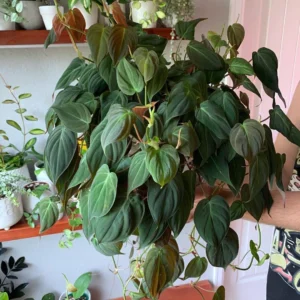
Introduce a touch of tropical elegance to your home with the exquisite Monstera Laniata live plant. This highly coveted aroid, known for its distinctive fenestrations and vigorous growth, is a must-have for any plant enthusiast or collector. Native to the rainforests of Central and South America, the Monstera Laniata offers a unique aesthetic that differs from its more common Monstera relatives. Its deeply lobed leaves develop characteristic holes as they mature, creating a stunning visual display. This particular offering is for a healthy, vibrant live plant, ready to thrive in your indoor environment. Cultivating a Monstera Laniata live plant allows you to witness its captivating development firsthand, making it a rewarding addition to your plant collection.
Often confused with other Monstera species, the Monstera Laniata live plant distinguishes itself with its specific leaf shape and growth habit. It’s a vining plant that, in its natural habitat, climbs trees, developing larger and more intricate leaves as it ascends. When grown indoors, with proper support, it can mimic this climbing behavior, producing increasingly impressive foliage. This makes it an ideal choice for those looking to add a dynamic and evolving element to their indoor jungle. Its lush green leaves and unique structure provide a focal point in any room, enhancing your living space with natural beauty.
Key Benefits
Owning a Monstera Laniata live plant offers numerous advantages beyond its striking appearance, contributing positively to your home environment and personal well-being. This magnificent plant is not just a decorative item but a living piece of art that evolves over time.
- Exceptional Ornamental Value: The unique fenestrations and deep green foliage of the Monstera Laniata live plant make it an outstanding decorative element, adding a sophisticated tropical vibe to any room. Its leaves mature to reveal intricate patterns, providing continuous visual interest.
- Air Purification: Like many houseplants, the Monstera Laniata contributes to cleaner indoor air by absorbing toxins and releasing oxygen. This creates a healthier and more refreshing atmosphere in your home.
- Collector’s Item: As a relatively less common Monstera variety, the Monstera Laniata live plant is a prized possession for plant collectors. Its rarity and unique characteristics make it a valuable addition to any aroid collection.
- Vigorous Growth: With proper care, this plant is a relatively fast grower, rewarding you with new leaves and increased size. Providing a moss pole or trellis will encourage larger, more mature foliage.
- Engaging Horticultural Experience: Observing the development of new leaves and the formation of fenestrations provides a deeply satisfying and engaging experience for plant enthusiasts. Understanding Monstera Laniata care is key to this journey.
- Stress Reduction: The presence of lush greenery indoors has been shown to reduce stress and improve mood. Tending to your Monstera Laniata live plant can be a calming and meditative activity.
- Versatile Decor: Its vining nature allows for various display options, from trailing elegantly from a shelf to climbing a support structure, adapting to different interior design styles.
Plant Care & Growing Tips
Proper Monstera Laniata care is essential for its healthy growth and the development of its iconic fenestrations. This tropical plant thrives in conditions that mimic its native rainforest environment. Providing the right balance of light, water, and humidity will ensure your Monstera Laniata live plant flourishes.
For sunlight, the Monstera Laniata prefers bright, indirect light. Avoid direct, harsh sunlight, which can scorch its delicate leaves. An east-facing window or a few feet away from a south or west-facing window is ideal. If natural light is insufficient, a grow light can supplement its needs. When it comes to watering, allow the top 1-2 inches of soil to dry out completely between waterings. Overwatering can lead to root rot, a common issue for Monsteras. Ensure your pot has drainage holes to prevent waterlogging. The ideal soil type is a well-draining, airy potting mix rich in organic matter. A mix containing peat moss, perlite, and orchid bark works well to provide both moisture retention and aeration. The Monstera Laniata thrives in warm temperatures, ideally between 65-80°F (18-27°C), and high humidity (60-80%). You can increase humidity by misting regularly, using a pebble tray, or placing it near a humidifier. This tropical plant is generally suited for USDA zones 10-12 if grown outdoors, but it is primarily cultivated as an indoor houseplant.
Fertilize your Monstera Laniata live plant every 2-4 weeks during the growing season (spring and summer) with a balanced liquid fertilizer diluted to half strength. Reduce fertilization in fall and winter. Common problems include yellowing leaves (often due to overwatering or nutrient deficiency), brown leaf tips (low humidity), and pests like spider mites or mealybugs. Regular inspection and prompt treatment are crucial for maintaining a healthy plant. Providing a moss pole or coir totem for your plant to climb will encourage larger leaves and more significant fenestrations, contributing to a more impressive rare Monstera plant specimen.
Size & Details
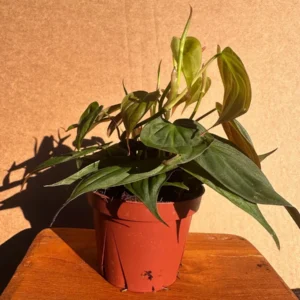
This offering is for a single Monstera Laniata live plant, shipped in a 3-inch nursery pot. The plant’s exact height and leaf count will vary as it is a living specimen, but it will be a healthy, actively growing plant representative of the species. Typically, plants of this size are young specimens, perfect for growing into a magnificent display. Expect your plant to arrive well-rooted in its pot, ready to be acclimated to its new home. The Monstera Laniata is a vining plant with a moderate to fast growth rate under optimal conditions, meaning you will see noticeable development over time. It can eventually grow several feet long with support, producing leaves that can reach impressive sizes indoors. While the exact time to maturity varies, you can expect to see mature fenestrations developing as the plant grows and climbs.
Frequently Asked Questions
- Q: How big does this Monstera Laniata live plant get? A: In ideal indoor conditions with support, a Monstera Laniata live plant can grow several feet long as a vining plant. Its leaves can also reach significant sizes, especially if it’s allowed to climb a moss pole.
- Q: Is this an indoor or outdoor plant? A: While it can thrive outdoors in tropical climates (USDA zones 10-12), the Monstera Laniata live plant is primarily grown as an indoor houseplant in most regions due to its temperature and humidity requirements.
- Q: How much sunlight does my Monstera Laniata need? A: Your Monstera Laniata live plant thrives in bright, indirect light. Avoid direct sun exposure, which can burn its leaves. A spot near an east-facing window or a few feet from a south/west window is usually perfect.
- Q: Is this plant easy to care for? A: The Monstera Laniata care level is considered moderate. It requires consistent attention to light, watering, and humidity, but it is a rewarding plant for those willing to provide its specific needs. It’s a great choice for those with some plant experience or eager to learn.
- Q: What condition will the plant arrive in? A: Your Monstera Laniata live plant will be shipped in its 3-inch nursery pot, not bare-rooted. It will be carefully packaged to ensure it arrives in the best possible condition, ready for acclimation to your home.
- Q: When is the best time to repot my Monstera Laniata? A: The best time to repot your Monstera Laniata live plant is during the spring or early summer when it is actively growing. Repot only when the plant is root-bound or needs fresh soil, typically every 1-2 years.
- Q: What’s the minimum temperature this plant can tolerate? A: The Monstera Laniata live plant is a tropical species and is sensitive to cold. It prefers temperatures above 60°F (15°C) and can be damaged by temperatures below 50°F (10°C). Keep it away from cold drafts.
- Q: Can I propagate my Monstera Laniata? A: Yes, Monstera Laniata live plant can be propagated from stem cuttings. Look for a stem with at least one node and an aerial root for the best chance of success.
- Q: How often should I fertilize my rare Monstera plant? A: Fertilize your rare Monstera plant every 2-4 weeks during the active growing season (spring and summer) with a diluted, balanced liquid fertilizer. Reduce or stop fertilizing during fall and winter.
- Q: What kind of soil is best for a Monstera Laniata? A: A well-draining, aerated potting mix is best for a Monstera Laniata live plant. A good mix would include elements like peat moss, perlite, and orchid bark to ensure proper drainage and root health.
Related products
-30%
Original price was: $13.98.$9.78Current price is: $9.78.
-25%
Original price was: $23.00.$17.24Current price is: $17.24.
-30%
Original price was: $129.98.$90.98Current price is: $90.98.
-25%
Original price was: $30.00.$22.50Current price is: $22.50.
PLANTING & CARE

The Comprehensive Guide to Growing Bay Leaf Plants for a Flavorful Garden
Imagine stepping into your garden, greeted by the earthy aroma of fresh bay leaves, their
09
Feb
Feb

How to Make Comfrey Tea: The Ultimate Organic Plant Food
Growing an organic garden can be surprisingly expensive, especially when most store-bought fertilizers come in
02
Feb
Feb

True Comfrey: 7 Essential Tips Before You Plant This Herb
A staple in permaculture practices across the US, True Comfrey easily earns its reputation as
27
Jan
Jan

7 Heart-Shaped Plants for a Lasting Valentine’s Gift
If you’ve ever bought a bouquet of roses for Valentine’s Day, you know they are
26
Jan
Jan

Best Types of Ivy Plant for Houses: How to Choose the Perfect Ones for Your Home
Are you a garden lover looking to introduce some greenery into your home? Maybe you’ve
14
Nov
Nov

When to Harvest Garlic (Especially Fall-Planted Garlic)
TIMING IS EVERYTHING, they say – and for garlic, that truth hits with surprising accuracy.
13
Nov
Nov

11 of the Best Sweet Potato Varieties to Grow for Your Garden
If you’ve ever tried growing sweet potatoes, you know that picking the right variety can
12
Nov
Nov
Pruning Bougainvillea for Winter
Bougainvillea vines are known for their dazzling display of magenta, orange, and fuchsia bracts that
05
Nov
Nov