Monstera Mint Philodendron Live Plant – 6 inch Pot – Indoor Houseplant
-62%
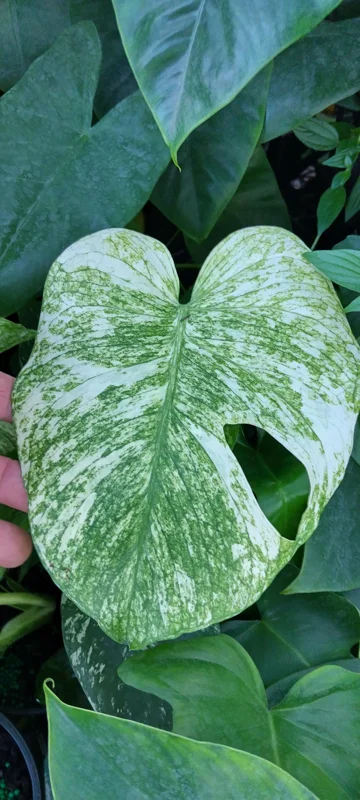
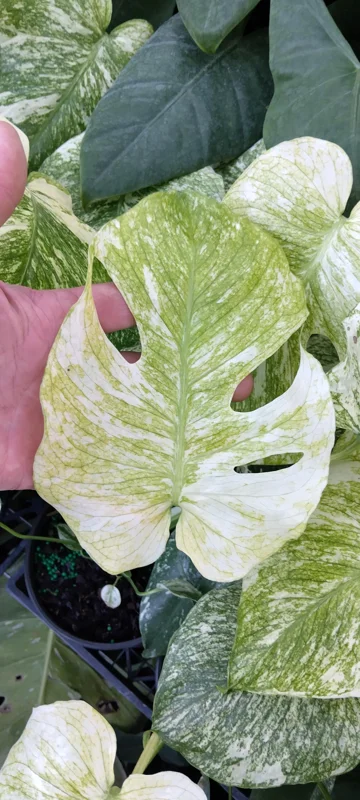
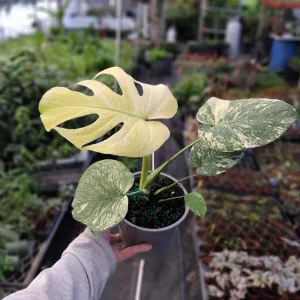
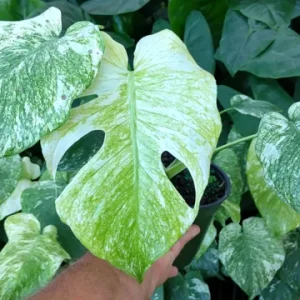
Monstera Mint Philodendron Live Plant – 6 inch Pot – Indoor Houseplant
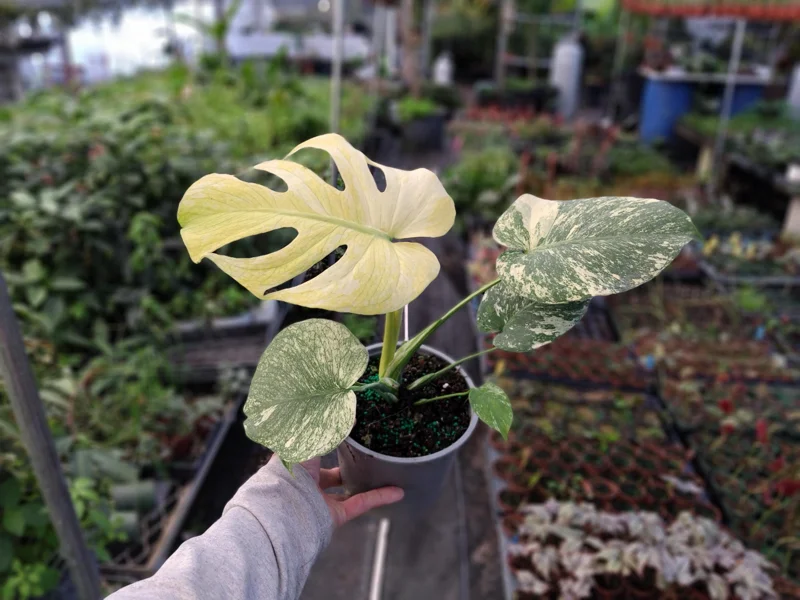
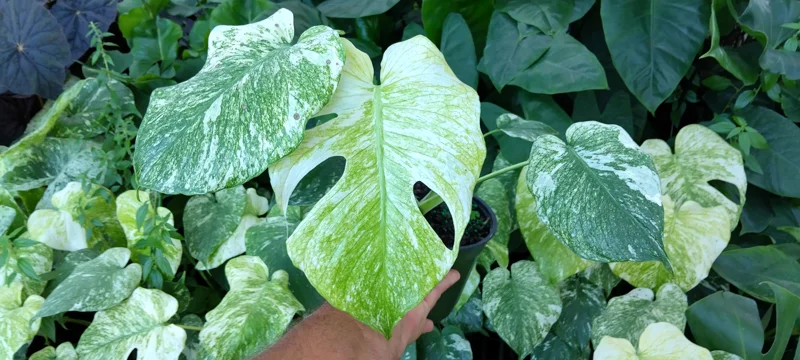
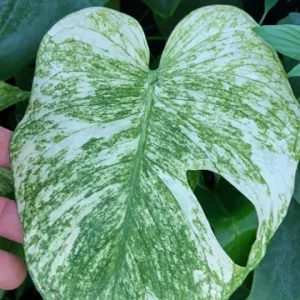
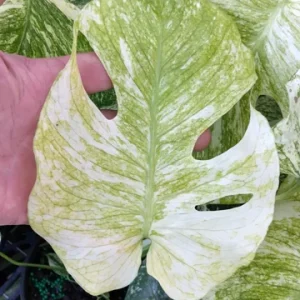
Bring home a stunning Monstera Mint Philodendron, a vibrant live plant in a 6 inch pot. Known for its unique variegated foliage, this rare Philodendron is an exceptional indoor houseplant, perfect for adding a touch of exotic elegance to any space. Enjoy its lush growth and striking appearance with proper Mint Monstera care.
Original price was: $153.98.$59.19Current price is: $59.19.

With our Alive & Thrive Guarantee, we’ve got your back for the first 30 days! If you have any concerns about your plants, just reach out to us. Our team is here to help answer your questions and guide you in selecting the best plants for your garden, climate, and unique preferences. We're excited to help you create the garden of your dreams!
Estimated arrival
Oct 21
Oct 26 - Oct 28
Oct 31 - Nov 04
Product Details
-
USDA Hardiness Zone
unknown (typically grown indoors) -
Soil type
well-draining, airy potting mix -
Sunlight Exposure
bright indirect light -
Expected Planting Period
year-round indoors
Overview
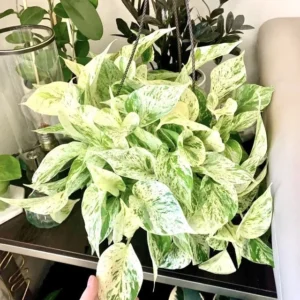
Introduce a touch of rare botanical elegance to your home with the exquisite Monstera Mint Philodendron. This highly sought-after live plant, a true collector’s item, is celebrated for its distinctive mint-green variegation that splashes across its lush, heart-shaped leaves. Unlike common houseplants, the Monstera Mint Philodendron offers a unique aesthetic, making it a focal point in any indoor garden or living space. Each plant is carefully cultivated to ensure vibrant color and healthy growth, ready to bring a piece of the tropics into your environment. Its scientific name, Monstera deliciosa ‘Mint’, hints at its heritage, combining the robust nature of Monstera with a unique color mutation, resulting in this stunning ‘Mint’ variety.
The allure of the Monstera Mint Philodendron lies in its captivating foliage. The variegation patterns are truly one-of-a-kind, often presenting as splashes, sectors, or marbling of creamy white and various shades of green, with prominent minty hues. This makes every leaf a miniature work of art, constantly evolving as the plant matures. As a live plant, it not only beautifies your space but also contributes to a healthier indoor atmosphere by naturally filtering air. It’s an ideal choice for plant enthusiasts looking to expand their collection with something truly special, offering a blend of natural beauty and horticultural intrigue.
Key Benefits
The Monstera Mint Philodendron offers numerous advantages beyond its striking appearance, enriching your home environment in multiple ways. This rare Philodendron is more than just a decorative piece; it’s a living enhancement to your indoor sanctuary.
- Exceptional Aesthetic Appeal: The unique mint-green and creamy variegation on its large, glossy leaves makes this plant an instant showstopper. It adds a sophisticated and exotic touch to any room, creating a vibrant and natural focal point.
- Air Purification Qualities: Like many houseplants, the Monstera Mint Philodendron naturally helps to filter and purify the air in your home, removing common indoor toxins and contributing to a healthier living environment.
- Moderate Growth Habit: While it can grow quite large over time, its growth is manageable indoors, allowing you to enjoy its beauty without it quickly outgrowing its space. With proper support, it can develop impressive fenestrations.
- Collector’s Plant Status: Its rarity and unique variegation make it a prized possession for plant collectors and enthusiasts, adding significant value and interest to any plant collection. Owning a Monstera Mint Philodendron is a statement.
- Engaging Visual Interest: The ever-changing patterns of variegation on new leaves provide continuous visual interest, encouraging observation and appreciation of nature’s artistry. Each new leaf unfurls with its own unique design.
- Versatile Decor Element: Its lush foliage and distinctive color palette complement a wide range of interior design styles, from modern minimalist to bohemian chic, making it a versatile addition to your home decor.
- Sense of Accomplishment: Successfully growing and nurturing a rare Philodendron like the ‘Mint’ provides a rewarding sense of accomplishment for any plant parent, especially as you master specific Mint Monstera care techniques.
Plant Care & Growing Tips
Proper Mint Monstera care is crucial for maintaining the vibrant variegation and overall health of your Monstera Mint Philodendron. This plant, while stunning, thrives best under specific conditions that mimic its native tropical habitat. Understanding its needs will ensure your rare Philodendron flourishes and becomes a long-lasting centerpiece in your home.
Sunlight: The Monstera Mint Philodendron prefers bright, indirect light. Place it near a window where it receives plenty of ambient light but is shielded from direct, harsh sunlight, which can scorch its delicate variegated leaves. An east or north-facing window is often ideal. If your home lacks sufficient natural light, a grow light can supplement its needs, ensuring the variegation remains prominent and healthy. Consistent lighting is key for good color development.
Watering: Water thoroughly when the top 2-3 inches of soil feel dry to the touch. It’s important to allow the soil to dry out partially between waterings to prevent root rot. Overwatering is a common mistake that can be detrimental to this plant. Ensure your pot has drainage holes to allow excess water to escape. In winter months, reduce watering frequency as the plant’s growth slows down. The frequency will also depend on humidity and light conditions.
Soil: Use a well-draining, airy potting mix that retains some moisture but doesn’t become waterlogged. A mix formulated for aroids, typically containing bark, perlite, and coco coir, is excellent for a Monstera Mint Philodendron. This type of soil provides good aeration for the roots while supplying necessary nutrients and moisture. Good drainage is paramount for root health.
Temperature & Humidity: This tropical plant thrives in warm temperatures, ideally between 65-80°F (18-27°C). Avoid sudden temperature fluctuations and cold drafts. High humidity is also beneficial, mimicking its natural environment. You can increase humidity by misting the leaves regularly, placing the pot on a pebble tray with water, or using a humidifier. Aim for 60% humidity or higher for optimal growth and to prevent crispy leaf edges.
Fertilization: During the growing season (spring and summer), feed your Monstera Mint Philodendron every 2-4 weeks with a balanced liquid fertilizer diluted to half strength. Reduce or stop fertilization during the fall and winter when the plant is dormant. Over-fertilization can lead to nutrient burn, so always err on the side of less.
Support: As a vining plant, the Monstera Mint Philodendron will benefit from a moss pole or trellis to climb. This encourages larger leaves and more mature growth, including the development of fenestrations (splits in the leaves). Providing support also helps the plant grow upright and maintain an attractive form.
Size & Details
This offering includes one healthy Monstera Mint Philodendron live plant, carefully grown and nurtured to showcase its unique variegated foliage. Each plant is provided in a 6 inch pot, offering a well-established root system and a robust start for its new home. At the time of shipping, the plant typically stands between 8 to 12 inches tall, measured from the base of the pot to the highest leaf. Its spread can vary but generally matches its height, creating a lovely, compact specimen.
The Monstera Mint Philodendron is known for its moderate growth rate. With optimal Mint Monstera care, it can quickly develop into a stunning display plant, with individual leaves growing quite large and eventually developing characteristic splits and holes (fenestrations) as it matures. It ships as a potted plant, securely nestled in its nursery pot with soil, ensuring minimal stress during transit. Expect new growth and increased variegation as it acclimates to your home environment. This plant is a fantastic investment for anyone seeking a truly special and visually impactful indoor plant.
Frequently Asked Questions
- Q: How big does this plant get? A: The Monstera Mint Philodendron typically reaches a height of 2-4 feet indoors, with proper support like a moss pole. Its spread can be similar, creating a lush, full appearance. Individual leaves can grow quite large, especially as the plant matures.
- Q: What size pot does it come in? A: This Monstera Mint Philodendron live plant is shipped in a 6 inch pot, providing a solid foundation for its continued growth. You may consider repotting into a slightly larger pot after it has acclimated to your home, perhaps in 6-12 months.
- Q: Is this an indoor or outdoor plant? A: The Monstera Mint Philodendron is primarily an indoor plant, especially in most US climates. It thrives in controlled indoor environments where temperatures and humidity can be maintained. It can be moved outdoors in very warm, humid, and shaded conditions during summer in suitable USDA zones.
- Q: How much sunlight does it need? A: This rare Philodendron requires bright, indirect light to maintain its vibrant variegation and healthy growth. Direct sunlight should be avoided as it can scorch the delicate leaves. An east or north-facing window is often ideal.
- Q: Is this plant easy to care for? A: While not as hands-off as some common houseplants, the Monstera Mint Philodendron is considered moderately easy to care for. Providing consistent conditions for light, water, and humidity, as outlined in our Mint Monstera care guide, will ensure it thrives. It’s a rewarding plant for those willing to learn its specific needs.
- Q: What condition will it arrive in? A: We take great care in packaging our live plants to ensure they arrive safely. Your Monstera Mint Philodendron will be securely packaged in its 6 inch pot with soil, protected from movement and temperature extremes. It is normal for live plants to show minor signs of stress or a few spots on leaves from transit in a dark box, but it will quickly recover with proper care.
- Q: Is the Monstera Mint Philodendron pet-safe? A: No, like many Araceae family plants, the Monstera Mint Philodendron is considered toxic if ingested by pets or humans due to calcium oxalate crystals. It’s best to keep this plant out of reach of curious pets and small children.
- Q: When is the best time to repot this plant? A: The best time to repot your Monstera Mint Philodendron is during the spring or early summer, which is its active growing season. Repot only when the plant is root-bound or has significantly outgrown its current 6 inch pot.
- Q: How often should I fertilize my Monstera Mint? A: During its active growing season (spring and summer), fertilize your Monstera Mint Philodendron every 2-4 weeks with a diluted, balanced liquid fertilizer. Reduce or stop fertilizing during the fall and winter months.
- Q: Will the variegation change over time? A: The variegation on your Monstera Mint Philodendron is generally stable but can be influenced by light levels. Providing ample bright, indirect light helps maintain and enhance the minty patterns. Too little light can sometimes cause the variegation to become less prominent over time.
Related products
-30%
Original price was: $79.98.$55.98Current price is: $55.98.
-50%
Original price was: $39.98.$19.98Current price is: $19.98.
-25%
Original price was: $30.00.$22.50Current price is: $22.50.
-30%
Original price was: $129.98.$90.98Current price is: $90.98.
PLANTING & CARE
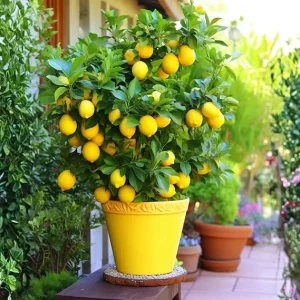
Lemon Tree Growing: Choose, Plant, and Harvest
Learn how to choose, plant, feed, and protect a lemon tree so it fits your
23
Sep
Sep
Dwarf Meyer Lemon Tree Australia: Climate Guide
Learn where dwarf Meyer lemon trees grow, how much cold they tolerate, and whether Australia,
Where to Buy a Dwarf Meyer Lemon Tree: Buyer’s Guide
Find the right dwarf Meyer lemon tree online or locally, compare starter sizes and costs,
Dwarf Meyer Lemon Tree for Sale: Buying Guide
Compare Meyer lemon tree sizes, prices, shipping limits, indoor growing and California options before you
Dwarf Meyer Lemon Tree Guide: Size, Care and Fruit
META: Learn how large a dwarf Meyer lemon tree grows, where it thrives, and how
How to Prune a Dwarf Meyer Lemon Tree
Learn when and how to prune a dwarf Meyer lemon tree, including tools, shaping cuts,
Can You Grow a Dwarf Meyer Lemon Tree in a Pot?
META: Learn how to grow a dwarf Meyer lemon tree in a pot, including container
When Do Dwarf Meyer Lemon Trees Bloom and Fruit?
META: Dwarf Meyer lemon trees usually bloom from winter through spring and may flower again