New England Aster Live Wildflower Plant – Perennial for Pollinators
-50%

New England Aster Live Wildflower Plant – Perennial for Pollinators
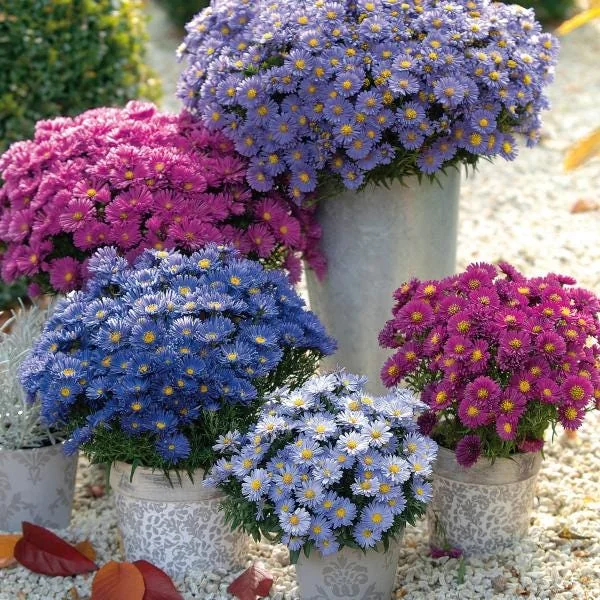
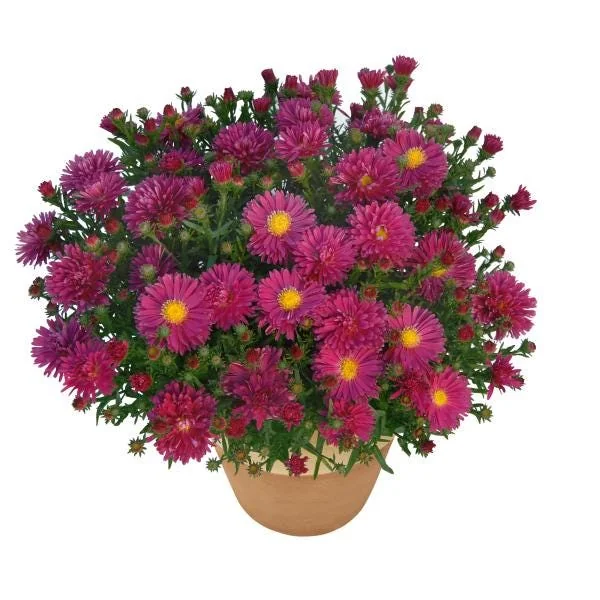
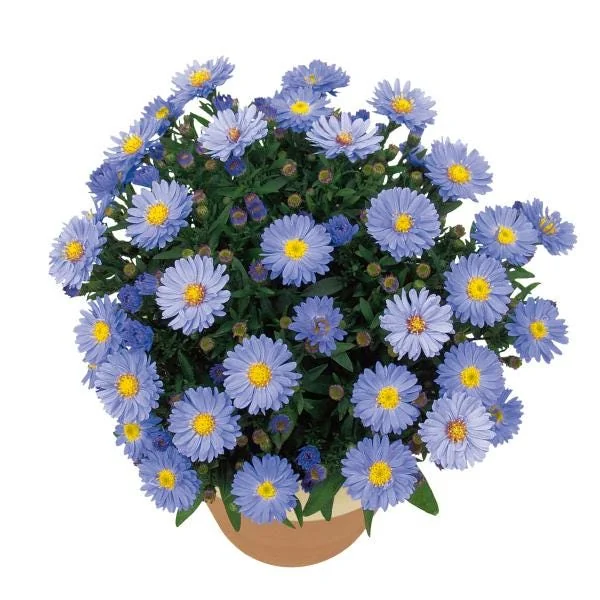
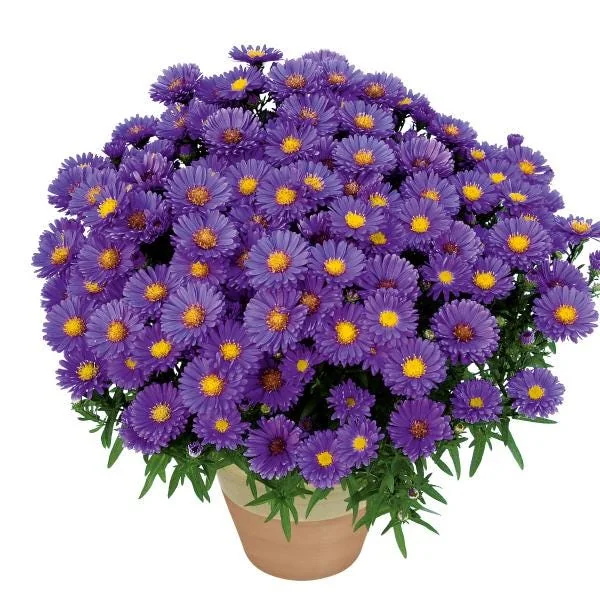
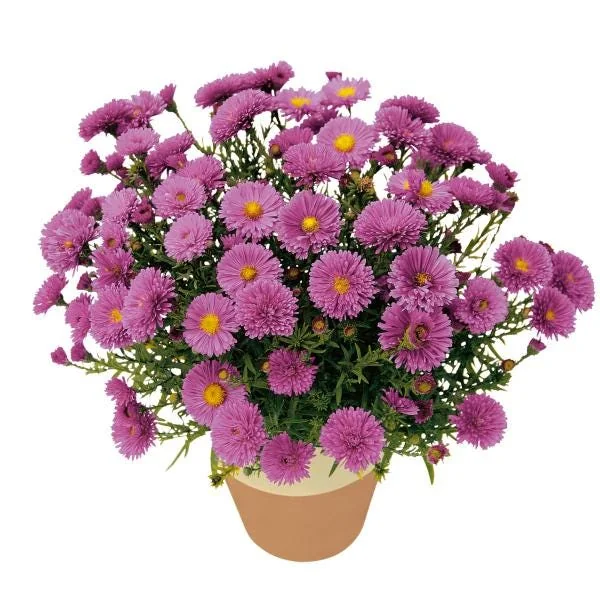
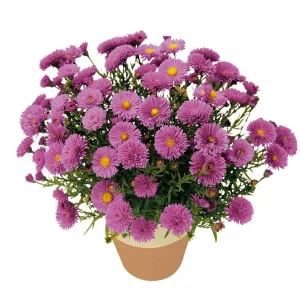
Add vibrant fall color to your garden with a New England Aster live plant. This beautiful native wildflower plant is a compact perennial, perfect for attracting pollinators like butterflies and birds. Enjoy abundant semi-double flowers in various shades from late summer to fall.
From Original price was: $27.96.$13.98Current price is: $13.98.

With our Alive & Thrive Guarantee, we’ve got your back for the first 30 days! If you have any concerns about your plants, just reach out to us. Our team is here to help answer your questions and guide you in selecting the best plants for your garden, climate, and unique preferences. We're excited to help you create the garden of your dreams!
Estimated arrival
Mar 28
Apr 02 - Apr 04
Apr 07 - Apr 11
Product Details
-
USDA Hardiness Zone
USDA Zones 4-8 -
Soil type
Well-drained, moist, rich soil -
Sunlight Exposure
Full sun -
Expected Planting Period
Spring to early fall
Overview
Discover the beauty and ecological benefits of the New England Aster live plant. This robust perennial wildflower, scientifically known as Symphyotrichum novae-angliae, is a must-have for any native garden or pollinator-friendly landscape. Known for its compact, bushy growth habit and an abundance of semi-double flowers, this plant provides a spectacular display of color from late summer through fall. It’s an excellent choice for gardeners looking to support local ecosystems while enjoying a low-maintenance, visually appealing plant. Our New England Aster live plant arrives ready to thrive in your outdoor space, offering a burst of purple, pink, or lilac blue hues that will transform your garden into a haven for butterflies and other beneficial insects.
The aster series is celebrated for its vigorous growth and resilience, making it suitable for a wide range of climates and soil conditions. These plants are ideal for adding structure and vibrant color to borders, cottage gardens, or naturalized meadows. With its preference for full sun and moist, well-draining soil, the perennial aster is an adaptable addition that promises a long season of interest. Embrace the charm of a native wildflower plant and create a lively, colorful autumn landscape.
Key Benefits
Incorporating the New England Aster live plant into your garden offers numerous advantages, both aesthetic and ecological. This resilient perennial brings a wealth of benefits that enhance your outdoor living space and support local biodiversity.
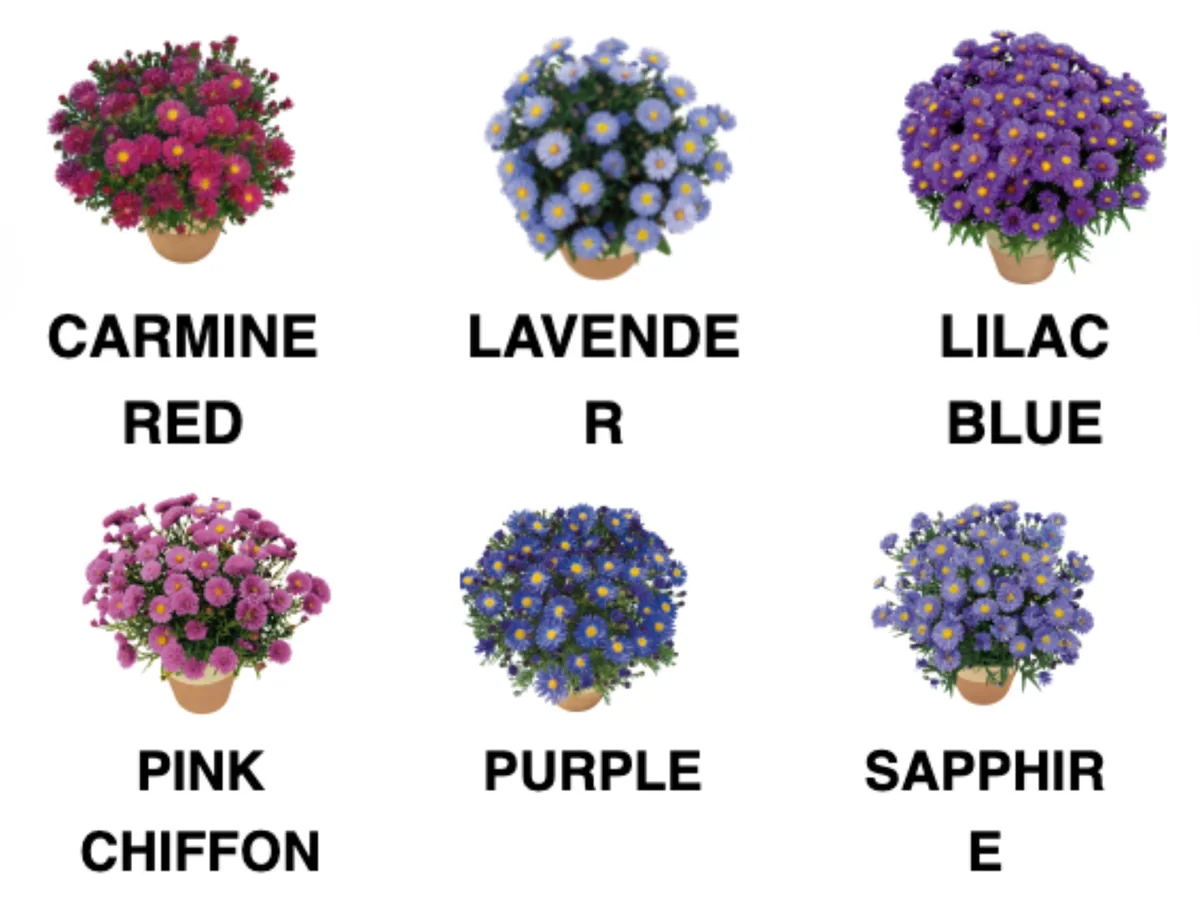
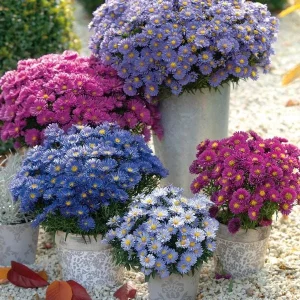
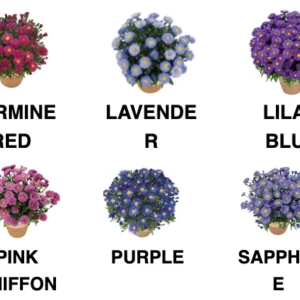
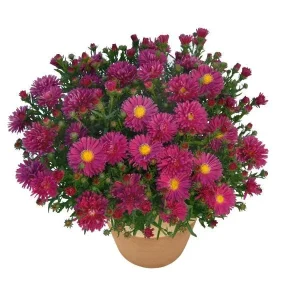
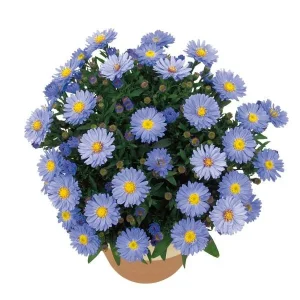
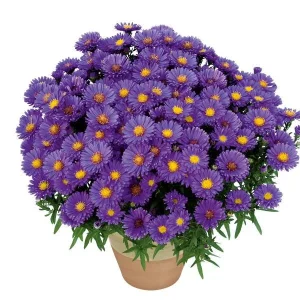
- Vibrant Fall Color: Enjoy a breathtaking display of purple, pink, and lilac blue flowers with gold button eyes, providing much-needed color in the late summer and fall garden when many other plants are fading.
- Attracts Pollinators: This pollinator garden plant is a magnet for butterflies, bees, and other beneficial insects, playing a crucial role in supporting local ecosystems and encouraging biodiversity.
- Deer and Rabbit Resistant: Gardeners often struggle with wildlife damage, but these asters are generally left alone by deer and rabbits, allowing your plants to flourish undisturbed.
- Low Maintenance Perennial: Once established, the New England Aster live plant requires minimal care, making it an excellent choice for both experienced gardeners and beginners seeking an easy-to-grow, long-lasting plant.
- Versatile Garden Use: Its compact growth habit and vibrant blooms make it perfect for borders, cut flower gardens, cottage gardens, large rock gardens, or naturalizing in meadows. It also thrives in containers.
- Supports Native Habitats: As a native wildflower plant, it contributes to the health and sustainability of local plant and animal communities, aligning with ecological gardening practices.
- Encourages Bushiness: Simple pinching techniques before mid-July can help control height and promote a denser, bushier form, leading to even more abundant blooms.
Plant Care & Growing Tips
Caring for your New England Aster live plant is straightforward, ensuring a spectacular display of color each fall. These plants thrive in full sun, requiring at least 6 hours of direct sunlight daily to produce the most abundant blooms. While they are adaptable, they prefer average, medium, well-drained soil. For optimal growth, aim for moist, rich soils. Good air circulation is also beneficial to help prevent foliar diseases, especially in humid climates.
Water your perennial aster regularly, particularly during dry spells, to maintain consistent soil moisture. Avoid overwatering, as this can lead to root rot; ensure the soil drains well. Pinching back the stems several times before mid-July can help control the plant’s height and encourage a bushier growth habit, potentially eliminating the need for staking. Be aware that pinching will delay flowering slightly. Fertilize sparingly in spring with a balanced slow-release fertilizer if your soil is poor, but generally, these native plants do not require heavy feeding. The fall blooming plant is hardy in a wide range of USDA zones, typically 4-8, making it a reliable choice for many regions.
Size & Details
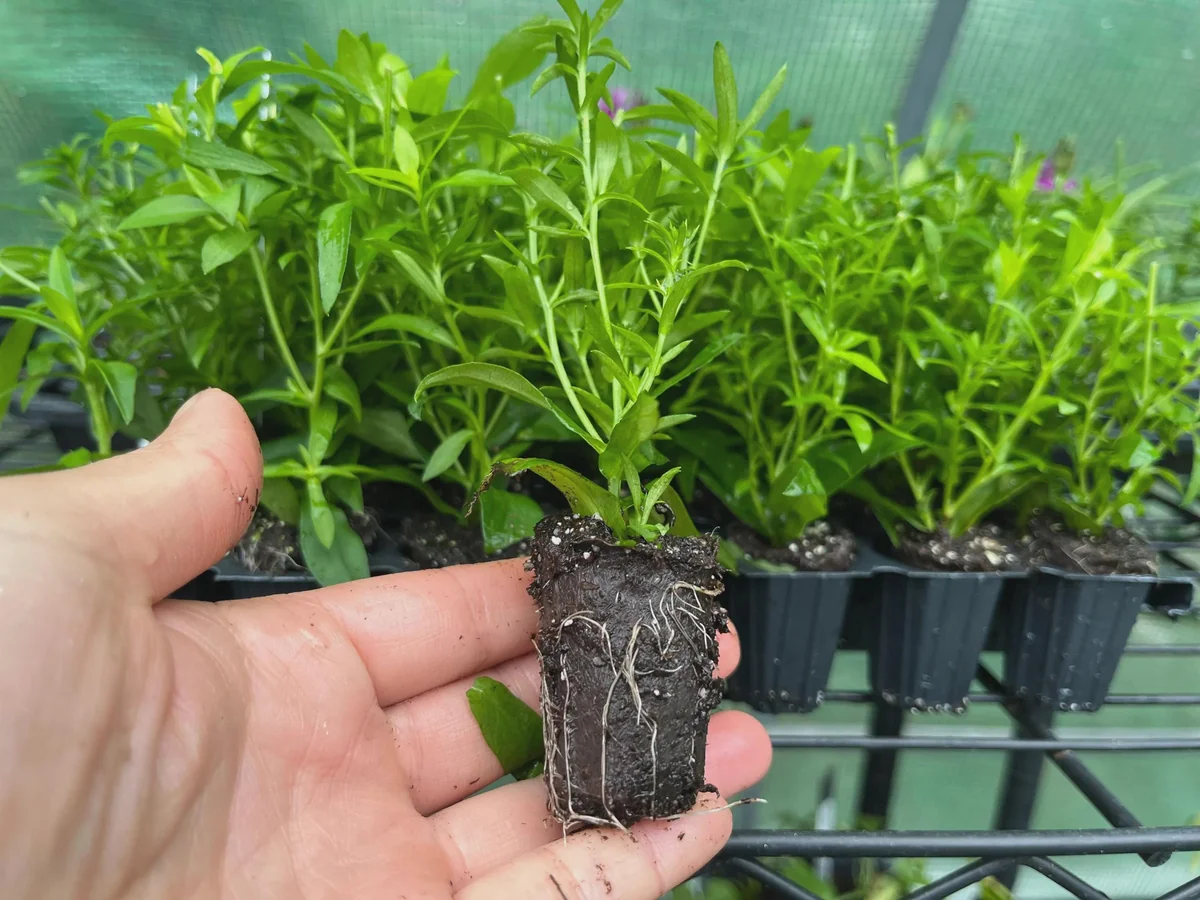
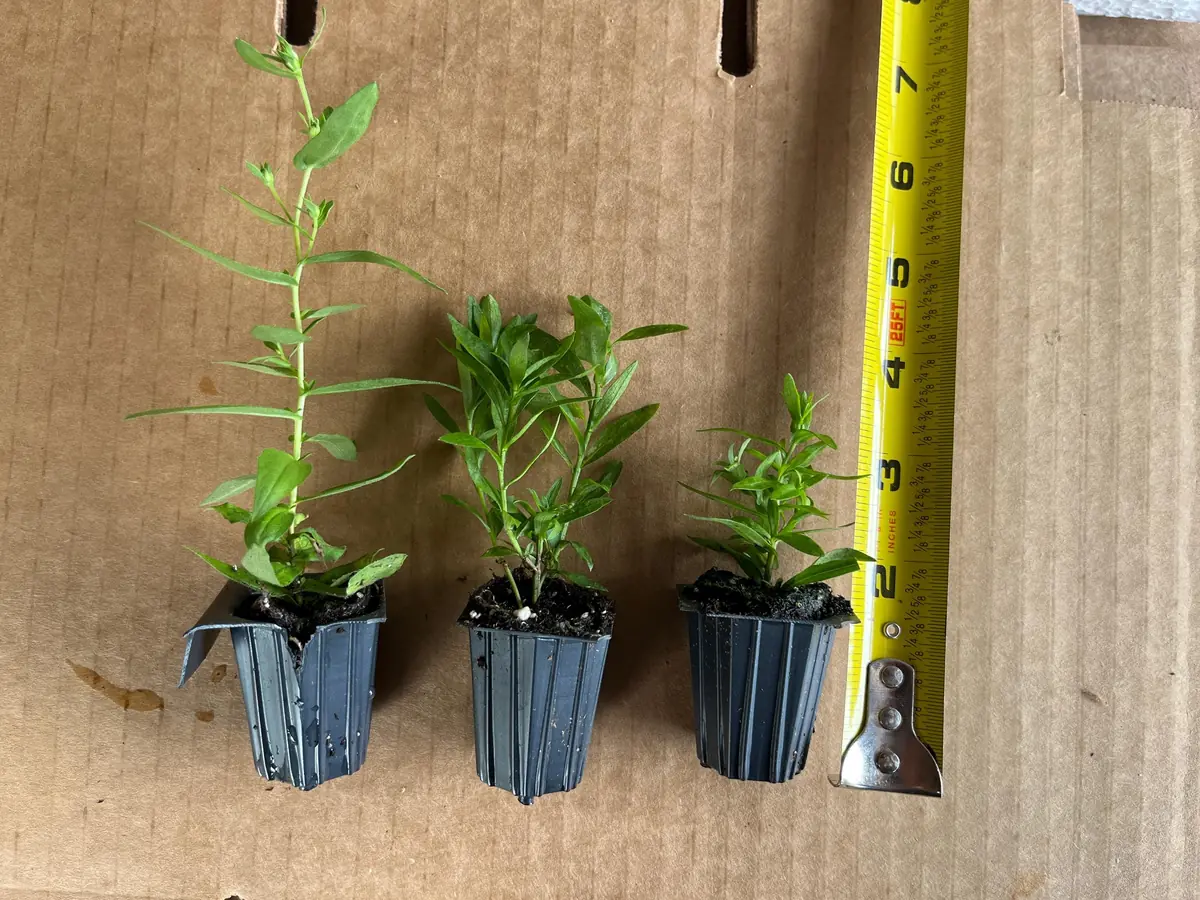
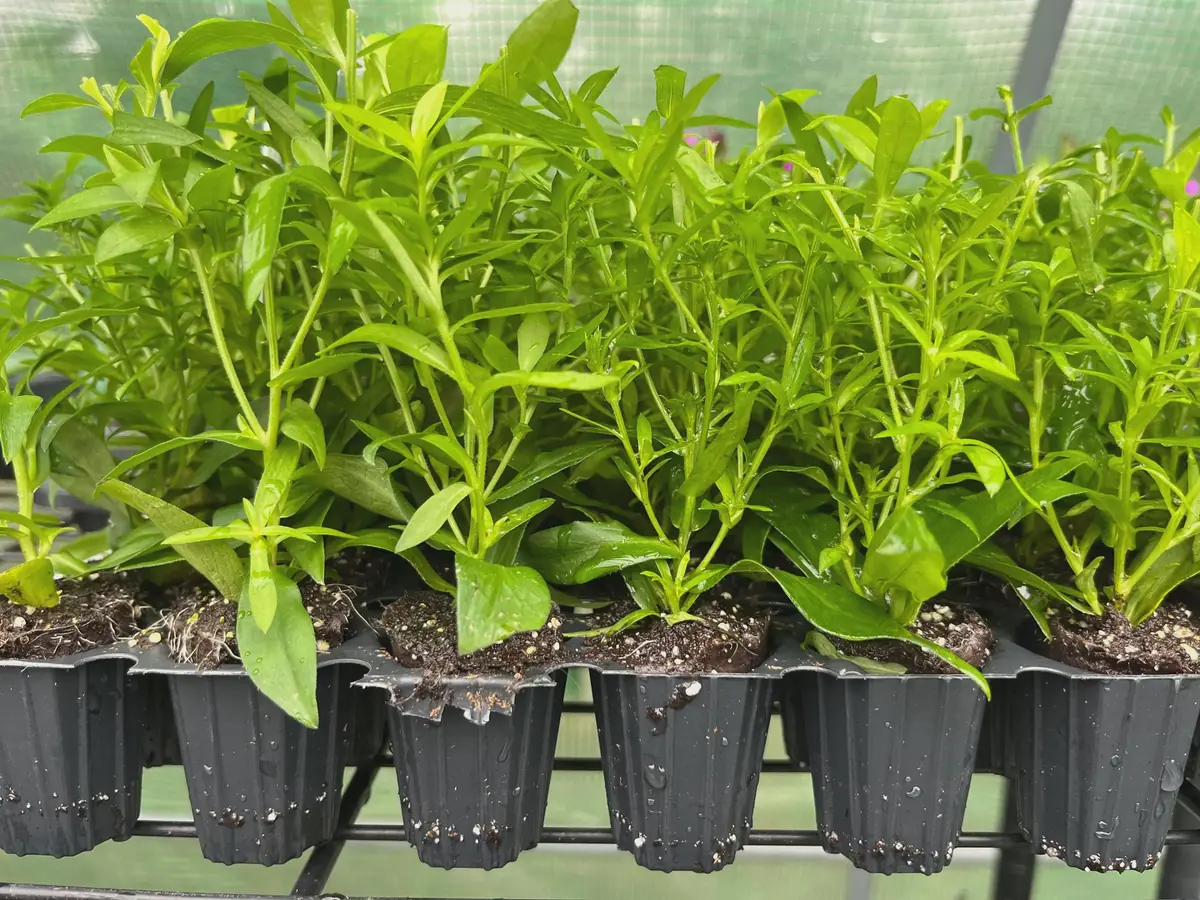
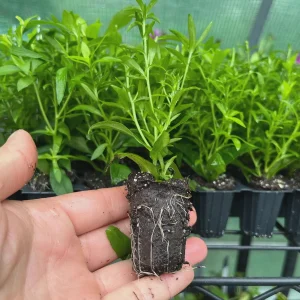
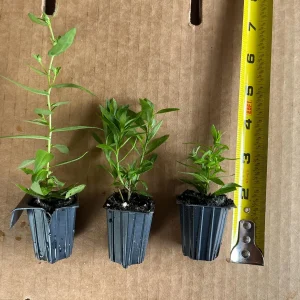
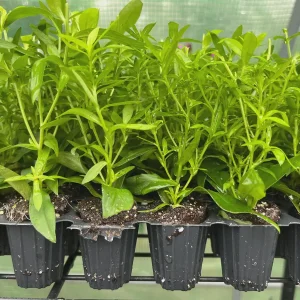
Each New England Aster live plant is shipped as a small plug-size seedling, typically rooted in a 1 inch by 1 inch by 1 1/4 inch container. The plant sizes may vary slightly from one plug to another, reflecting their natural growth. While the images may show mature or blooming plants, you will receive a young, healthy seedling ready for planting. These asters typically grow to a mature height of 18-24 inches, depending on the specific variety and growing conditions, forming a compact, bushy mound. They have a moderate growth rate and will establish quickly, providing beautiful blooms in their first year if planted early enough. Expect a vibrant display of flowers from late summer into fall, offering a crucial nectar source for pollinators during this period. Plant several together for a stunning mass effect in your garden.
Frequently Asked Questions
- Q: How big does this New England Aster live plant get? A: These asters typically grow to a mature height of 18-24 inches tall, forming a compact and bushy plant. Their size can vary slightly depending on the specific variety and growing conditions in your garden.
- Q: Is this an indoor or outdoor plant? A: The New England Aster live plant is an outdoor perennial wildflower. It thrives in garden beds, borders, and naturalized areas, and is not typically grown as an indoor houseplant.
- Q: How much sunlight does it need? A: This perennial aster requires full sun, meaning at least 6 hours of direct sunlight per day, to produce the most abundant and vibrant blooms.
- Q: Is this plant easy to care for? A: Yes, the New England Aster live plant is considered easy to grow and relatively low-maintenance, making it a great choice for various gardening skill levels. Once established, it is quite hardy.
- Q: What condition will it arrive in? A: Your plant will arrive as a healthy, small plug-size seedling, ready for planting. While photos may show mature plants, you will receive a young plant with a strong root system.
- Q: When is the best time to plant this fall blooming plant? A: The best time to plant your New England Aster live plant is in spring or early fall, allowing it enough time to establish its root system before extreme weather.
- Q: Will it attract pollinators to my garden? A: Absolutely! This pollinator garden plant is known for attracting a wide variety of pollinators, including butterflies, bees, and other beneficial insects, making it an excellent addition to any wildlife-friendly garden.
- Q: What type of soil does it prefer? A: This aster prefers average, medium, well-drained soil. It performs best in moist, rich soils, but can tolerate a range of soil types as long as drainage is good.
| Primary color | Carmine Red, Lavender, Lilac Blue, Pink Chiffon, Thunderdome |
|---|---|
| Pack size | 1 Plant, 2 Plants, 4 Plants, 6 Plants |
Related products
-67%
Original price was: $59.97.$19.99Current price is: $19.99.
-20%
Original price was: $31.98.$25.58Current price is: $25.58.
-67%
Original price was: $59.97.$19.99Current price is: $19.99.

-30%
Original price was: $63.98.$44.78Current price is: $44.78.
-30%
Original price was: $79.98.$55.98Current price is: $55.98.
-70%
Original price was: $79.98.$24.00Current price is: $24.00.
PLANTING & CARE

The Comprehensive Guide to Growing Bay Leaf Plants for a Flavorful Garden
Imagine stepping into your garden, greeted by the earthy aroma of fresh bay leaves, their
09
Feb
Feb

How to Make Comfrey Tea: The Ultimate Organic Plant Food
Growing an organic garden can be surprisingly expensive, especially when most store-bought fertilizers come in
02
Feb
Feb

True Comfrey: 7 Essential Tips Before You Plant This Herb
A staple in permaculture practices across the US, True Comfrey easily earns its reputation as
27
Jan
Jan

7 Heart-Shaped Plants for a Lasting Valentine’s Gift
If you’ve ever bought a bouquet of roses for Valentine’s Day, you know they are
26
Jan
Jan

Best Types of Ivy Plant for Houses: How to Choose the Perfect Ones for Your Home
Are you a garden lover looking to introduce some greenery into your home? Maybe you’ve
14
Nov
Nov

When to Harvest Garlic (Especially Fall-Planted Garlic)
TIMING IS EVERYTHING, they say – and for garlic, that truth hits with surprising accuracy.
13
Nov
Nov

11 of the Best Sweet Potato Varieties to Grow for Your Garden
If you’ve ever tried growing sweet potatoes, you know that picking the right variety can
12
Nov
Nov
Pruning Bougainvillea for Winter
Bougainvillea vines are known for their dazzling display of magenta, orange, and fuchsia bracts that
05
Nov
Nov