Ocean Spider Plant (Reversed) Live Plant – 4 inch Potted Houseplant
-50%
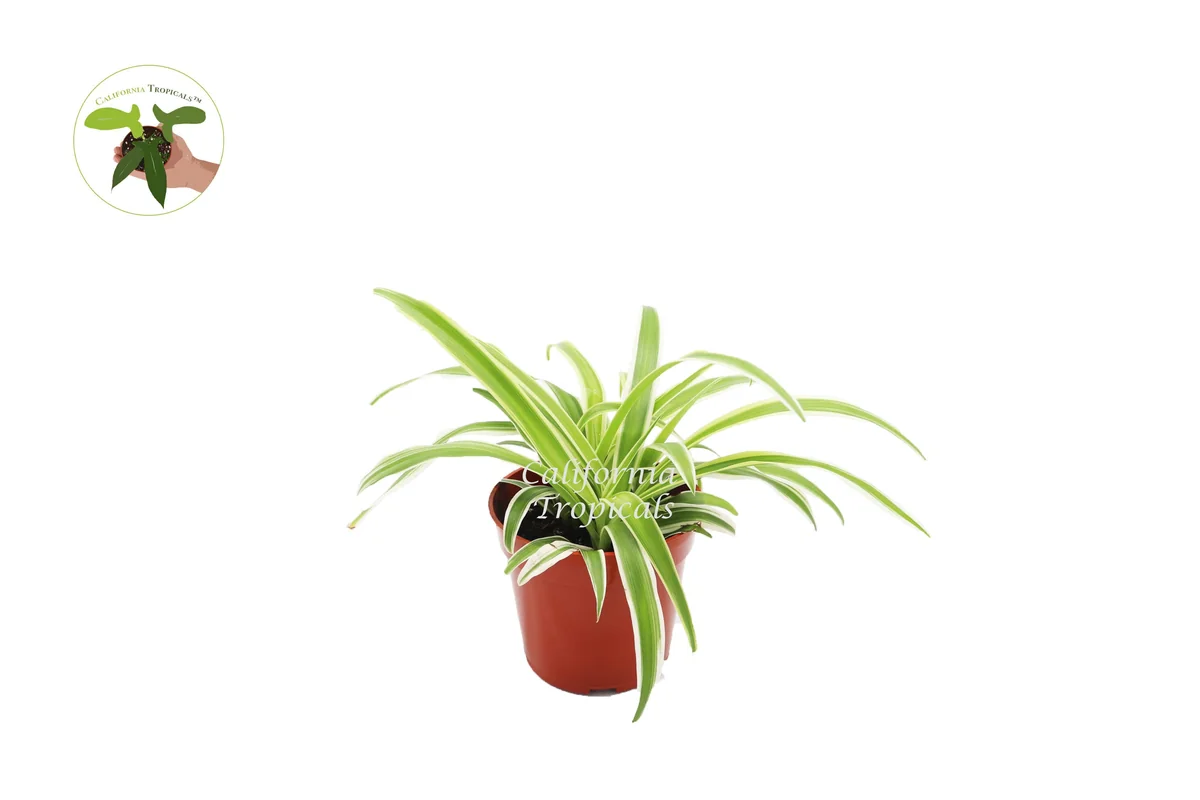
Ocean Spider Plant (Reversed) Live Plant – 4 inch Potted Houseplant
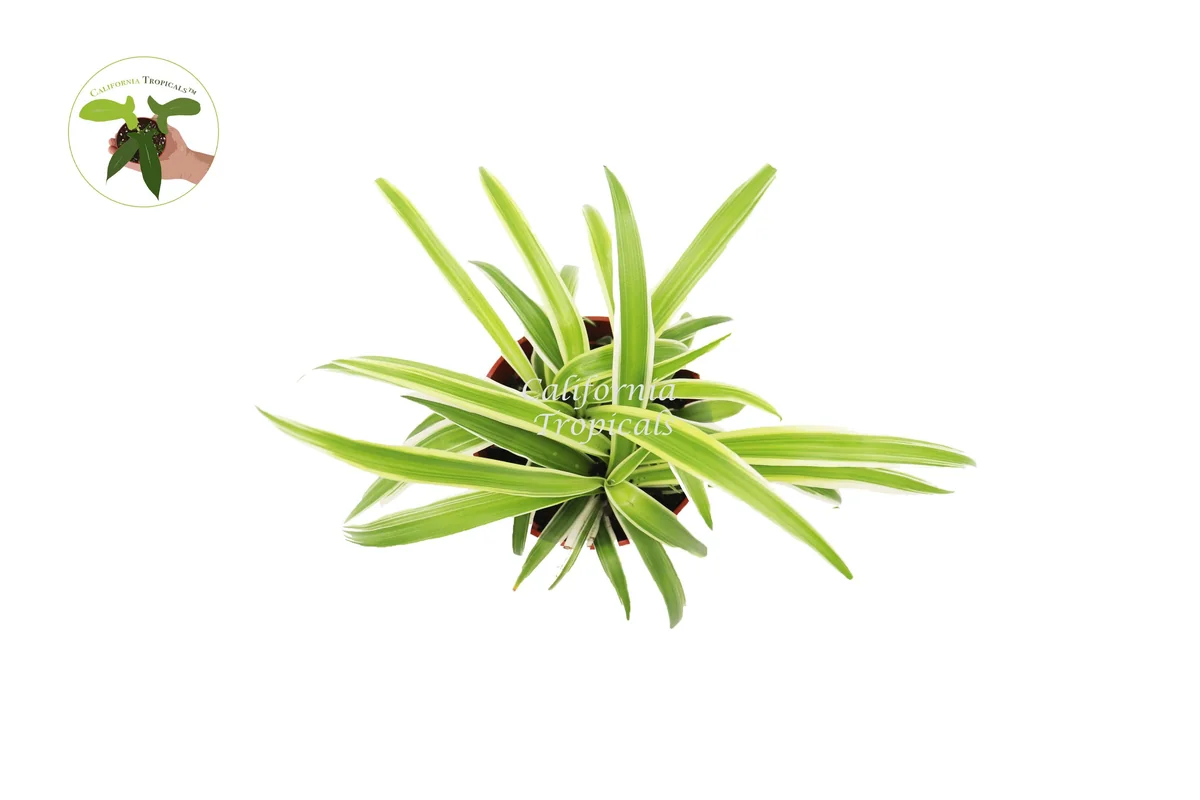
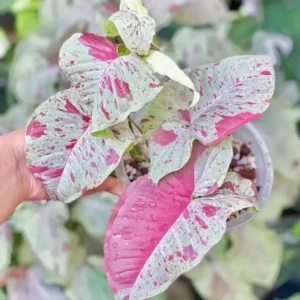
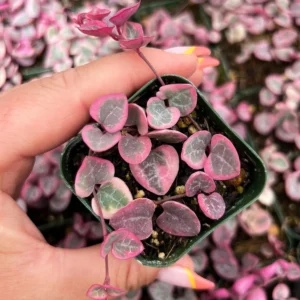
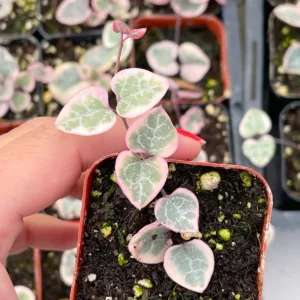
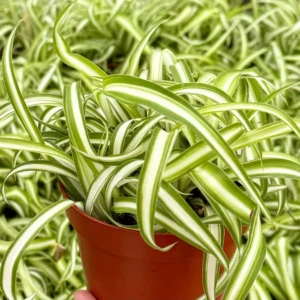
Bring home the captivating ocean spider plant live, a beautiful and low-maintenance addition to any indoor plant collection. This 4-inch potted houseplant features unique reversed variegation, making it a standout feature. Known for its air-purifying qualities and ease of care, it’s perfect for both beginners and experienced plant enthusiasts.
Original price was: $71.96.$35.98Current price is: $35.98.

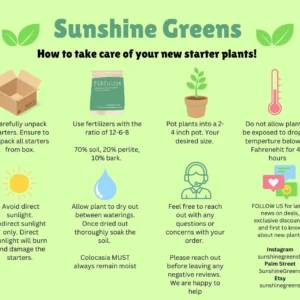
With our Alive & Thrive Guarantee, we’ve got your back for the first 30 days! If you have any concerns about your plants, just reach out to us. Our team is here to help answer your questions and guide you in selecting the best plants for your garden, climate, and unique preferences. We're excited to help you create the garden of your dreams!
Estimated arrival
Mar 30
Apr 04 - Apr 06
Apr 09 - Apr 13
Product Details
-
USDA Hardiness Zone
USDA zones 9-11 (indoors elsewhere) -
Soil type
Well-draining potting mix -
Sunlight Exposure
Bright indirect light -
Expected Planting Period
Year-round indoors
Overview
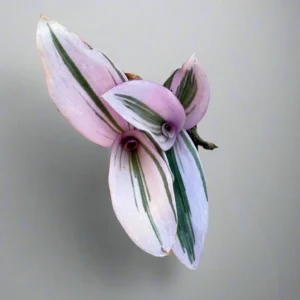
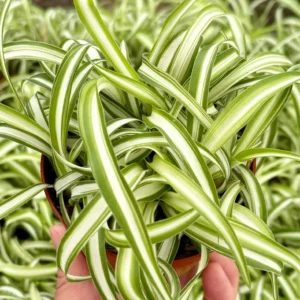
Introduce a touch of elegance and natural beauty to your home with the ocean spider plant live. This unique cultivar of the classic spider plant (Chlorophytum comosum) is celebrated for its striking reversed variegation, where the creamy-white stripe runs along the center of the leaf, flanked by vibrant green margins. Unlike traditional spider plants, the ‘Ocean’ variety offers a distinctive visual appeal that brightens any indoor space. As a live plant, it arrives healthy and ready to thrive in its new environment, making it an excellent choice for adding instant greenery to shelves, desks, or hanging baskets. Known for its resilience and adaptability, the ocean spider plant live is a fantastic choice for new plant parents and seasoned collectors alike.
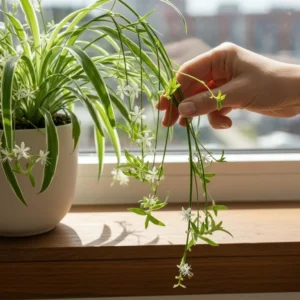
The Chlorophytum comosum ‘Ocean’ is a popular houseplant due to its attractive foliage and ease of propagation. Its arching leaves create a graceful silhouette, and as it matures, it produces plantlets, often called ‘spiderettes,’ on long stems, which can be easily rooted to create new plants. This makes it not only a beautiful decorative element but also a rewarding plant to grow and share. Its compact size when young, typically in a 4-inch pot, makes it versatile for various display options, from office desks to cozy corners.
Key Benefits
The ocean spider plant live offers numerous advantages, making it a beloved choice for indoor gardening. Its decorative appeal is matched by its practical benefits for a healthier living environment.
- Stunning Reversed Variegation: The unique central cream stripe bordered by green creates a captivating visual contrast, adding a distinctive look to your plant collection. This particular variegation pattern sets it apart from other spider plant varieties.
- Exceptional Air Purification: Spider plants are renowned for their ability to filter indoor air, effectively removing common toxins such as formaldehyde, xylene, and carbon monoxide, contributing to a healthier home or office atmosphere.
- Low Maintenance & Easy Care: This plant is incredibly forgiving, making it ideal for beginners or those with busy lifestyles. It tolerates a range of conditions and thrives with minimal fuss, ensuring a rewarding plant ownership experience. Learning about reversed spider plant care is straightforward and rewarding.
- Natural Propagator: Enjoy the delight of watching your plant produce ‘spiderettes’ or plantlets, which can be easily rooted to grow new plants, allowing you to expand your collection or share with friends and family.
- Versatile Decor: Its compact size and arching foliage make it perfect for various indoor settings, including tabletops, shelves, hanging baskets, or as part of a larger plant display. The variegated spider plant indoor brings life to any room.
- Pet-Friendly Option: Unlike many houseplants, spider plants are considered non-toxic to cats and dogs, offering peace of mind for pet owners who want to introduce greenery into their homes.
- Drought Tolerant: While it appreciates consistent moisture, the spider plant can withstand periods of neglect, bouncing back from occasional underwatering with ease.
Plant Care & Growing Tips
Caring for your ocean spider plant live is relatively simple, as these plants are known for their resilience and adaptability. Providing the right conditions will ensure vibrant foliage and robust growth. Understanding easy care houseplants like this one can elevate your indoor gardening success.
Sunlight Requirements: The ‘Ocean’ spider plant thrives in bright, indirect light. Avoid direct, harsh sunlight, which can scorch its leaves and fade the variegation. An east- or north-facing window is often ideal, or a few feet away from a south- or west-facing window where light is filtered. Insufficient light can lead to less vibrant variegation and slower growth. For optimal growth and color, ensure it receives several hours of bright, diffused light daily.
Watering Schedule & Soil Moisture: Water your spider plant thoroughly when the top inch or two of soil feels dry to the touch. Allow excess water to drain completely from the pot to prevent root rot. Overwatering is a common issue, so it’s better to slightly underwater than overwater. In warmer months, you may need to water more frequently, while in winter, reduce watering as the plant’s growth slows. The plant will typically show signs of thirst, such as slightly duller leaves, before permanent damage occurs. This is a key aspect of reversed spider plant care.
Soil Type and Drainage Requirements: A well-draining potting mix is crucial for the health of your spider plant. A standard all-purpose potting mix amended with perlite or coarse sand for extra drainage works well. Ensure your pot has drainage holes to prevent water from accumulating at the bottom. Good drainage is vital to prevent waterlogged roots, which can lead to fungal issues and root rot.
Temperature Range & Humidity: Spider plants prefer average room temperatures between 65-80°F (18-27°C). They can tolerate slightly cooler temperatures but should be protected from drafts and temperatures below 50°F (10°C). Average household humidity is usually sufficient, but they appreciate higher humidity. If your home is very dry, especially in winter, consider misting the leaves occasionally or placing the pot on a pebble tray with water. The USDA hardiness zone for outdoor planting is typically 9-11, though it’s primarily grown as an indoor plant.
Fertilization Schedule & Type: Feed your spider plant with a balanced liquid houseplant fertilizer once a month during the spring and summer growing seasons. Dilute the fertilizer to half strength to avoid over-fertilization, which can lead to brown leaf tips. Reduce or stop fertilizing during fall and winter when the plant is dormant. This supports the vigorous growth of your chlorophytum comosum ocean.
Common Problems & Solutions: Brown leaf tips are a common issue and can be caused by fluoride or chlorine in tap water, low humidity, or inconsistent watering. Using filtered or distilled water, increasing humidity, and maintaining a consistent watering schedule can help. Pests like spider mites or mealybugs are rare but can occur; treat them with insecticidal soap if spotted. Ensure proper air circulation to prevent fungal diseases.
Size & Details
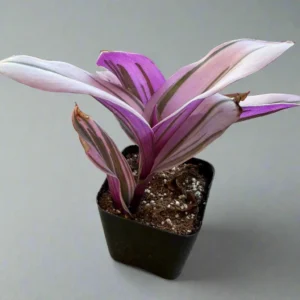
This offering is for one ocean spider plant live, typically shipped in a 4-inch nursery pot. At this stage, the plant usually measures between 4 to 6 inches in height, with a similar spread of foliage. The ‘Ocean’ variety exhibits a moderate growth rate and can eventually grow into a lush, full specimen with leaves trailing up to 12-18 inches long, especially when grown in hanging baskets. It will produce numerous plantlets as it matures, adding to its visual appeal and propagation potential. The plant is shipped in its pot with soil, ensuring minimal transplant shock upon arrival. Expect the plant to establish quickly in its new home, providing immediate greenery and beginning its journey of producing charming spiderettes.
Frequently Asked Questions
- Q: How big does this ocean spider plant live get? A: In a 4-inch pot, it’s typically 4-6 inches tall. As it matures, its leaves can trail up to 12-18 inches long, especially in a hanging basket, and it will produce many ‘spiderettes’.
- Q: Is this an indoor or outdoor plant? A: While it can be grown outdoors in warm climates (USDA zones 9-11), the ocean spider plant live is primarily cultivated as an indoor houseplant due to its preference for consistent temperatures and indirect light.
- Q: How much sunlight does it need? A: It thrives in bright, indirect light. Avoid direct sun, which can burn the leaves and fade the variegation. An east- or north-facing window is usually perfect.
- Q: Is this plant easy to care for? Is it good for beginners? A: Yes, the ocean spider plant live is considered one of the easiest houseplants to care for, making it an excellent choice for beginners and those new to gardening. Its resilience makes easy care houseplants popular.
- Q: What condition will it arrive in? A: The plant will be shipped in its 4-inch nursery pot with soil, ensuring it arrives healthy and ready to be placed in your home. It is carefully packaged to minimize stress during transit.
- Q: Is the chlorophytum comosum ocean pet-safe? A: Yes, spider plants, including the ‘Ocean’ variety, are considered non-toxic to cats and dogs, making them a safe choice for households with pets.
- Q: How often should I water my variegated spider plant indoor? A: Water when the top 1-2 inches of soil feel dry. Allow water to drain completely from the bottom of the pot. Overwatering is more detrimental than slight underwatering.
- Q: What causes brown tips on spider plant leaves? A: Brown tips are often caused by fluoride/chlorine in tap water, low humidity, or inconsistent watering. Using filtered water and increasing humidity can help.
- Q: Can I propagate new plants from this spider plant? A: Absolutely! As the plant matures, it will produce ‘spiderettes’ on long stems. These can be easily removed and rooted in water or soil to create new plants. This is a fun aspect of reversed spider plant care.
- Q: What kind of soil does it prefer? A: A well-draining potting mix is essential. You can use a standard indoor potting mix amended with perlite for better drainage.
Related products
-25%
Original price was: $16.80.$12.60Current price is: $12.60.
-25%
Original price was: $33.90.$25.42Current price is: $25.42.
-35%
Original price was: $29.80.$19.36Current price is: $19.36.
-30%
Original price was: $25.98.$18.18Current price is: $18.18.
-25%
Original price was: $23.00.$17.24Current price is: $17.24.
PLANTING & CARE

The Comprehensive Guide to Growing Bay Leaf Plants for a Flavorful Garden
Imagine stepping into your garden, greeted by the earthy aroma of fresh bay leaves, their
09
Feb
Feb

How to Make Comfrey Tea: The Ultimate Organic Plant Food
Growing an organic garden can be surprisingly expensive, especially when most store-bought fertilizers come in
02
Feb
Feb

True Comfrey: 7 Essential Tips Before You Plant This Herb
A staple in permaculture practices across the US, True Comfrey easily earns its reputation as
27
Jan
Jan

7 Heart-Shaped Plants for a Lasting Valentine’s Gift
If you’ve ever bought a bouquet of roses for Valentine’s Day, you know they are
26
Jan
Jan

Best Types of Ivy Plant for Houses: How to Choose the Perfect Ones for Your Home
Are you a garden lover looking to introduce some greenery into your home? Maybe you’ve
14
Nov
Nov

When to Harvest Garlic (Especially Fall-Planted Garlic)
TIMING IS EVERYTHING, they say – and for garlic, that truth hits with surprising accuracy.
13
Nov
Nov

11 of the Best Sweet Potato Varieties to Grow for Your Garden
If you’ve ever tried growing sweet potatoes, you know that picking the right variety can
12
Nov
Nov
Pruning Bougainvillea for Winter
Bougainvillea vines are known for their dazzling display of magenta, orange, and fuchsia bracts that
05
Nov
Nov