Old Man of the Andes Cactus – Oreocereus Trollii Live Plant – 2-4 inch
-50%
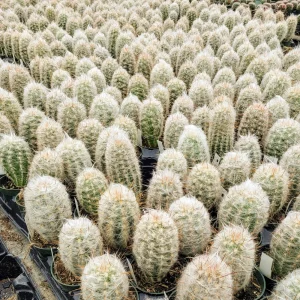
Old Man of the Andes Cactus – Oreocereus Trollii Live Plant – 2-4 inch
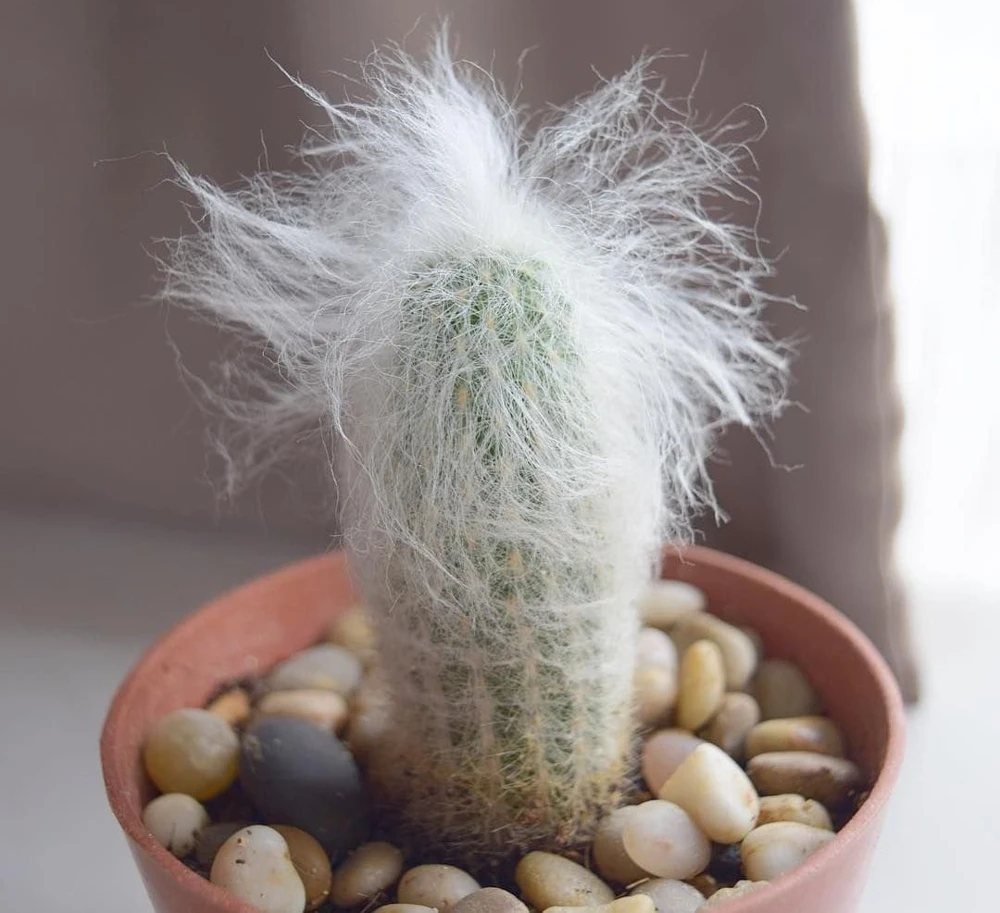
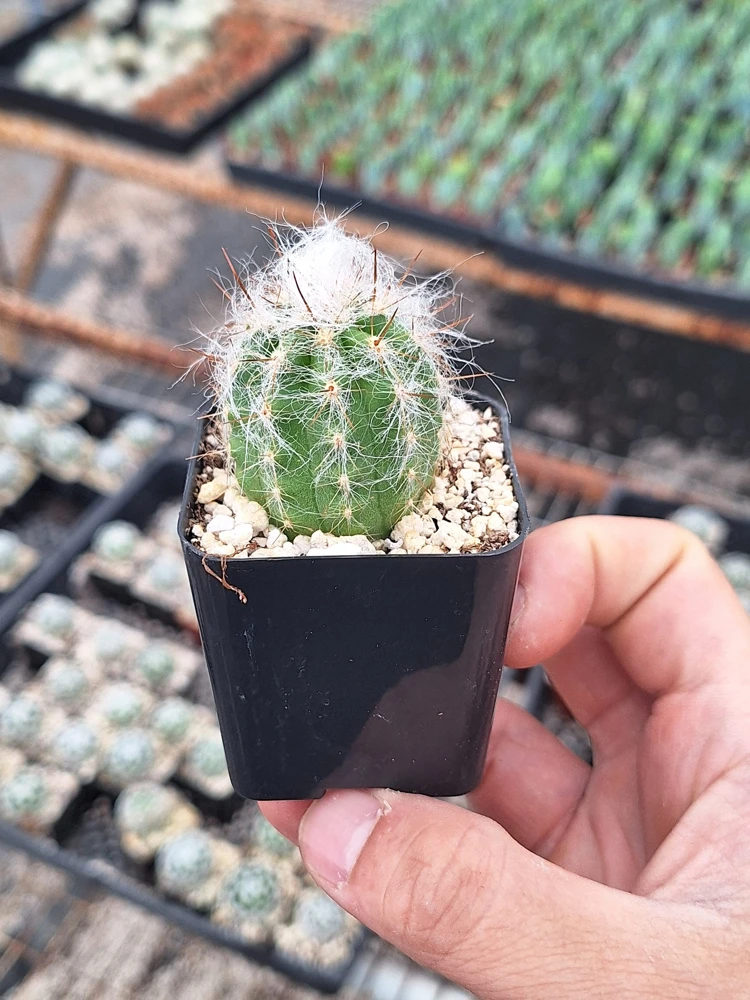
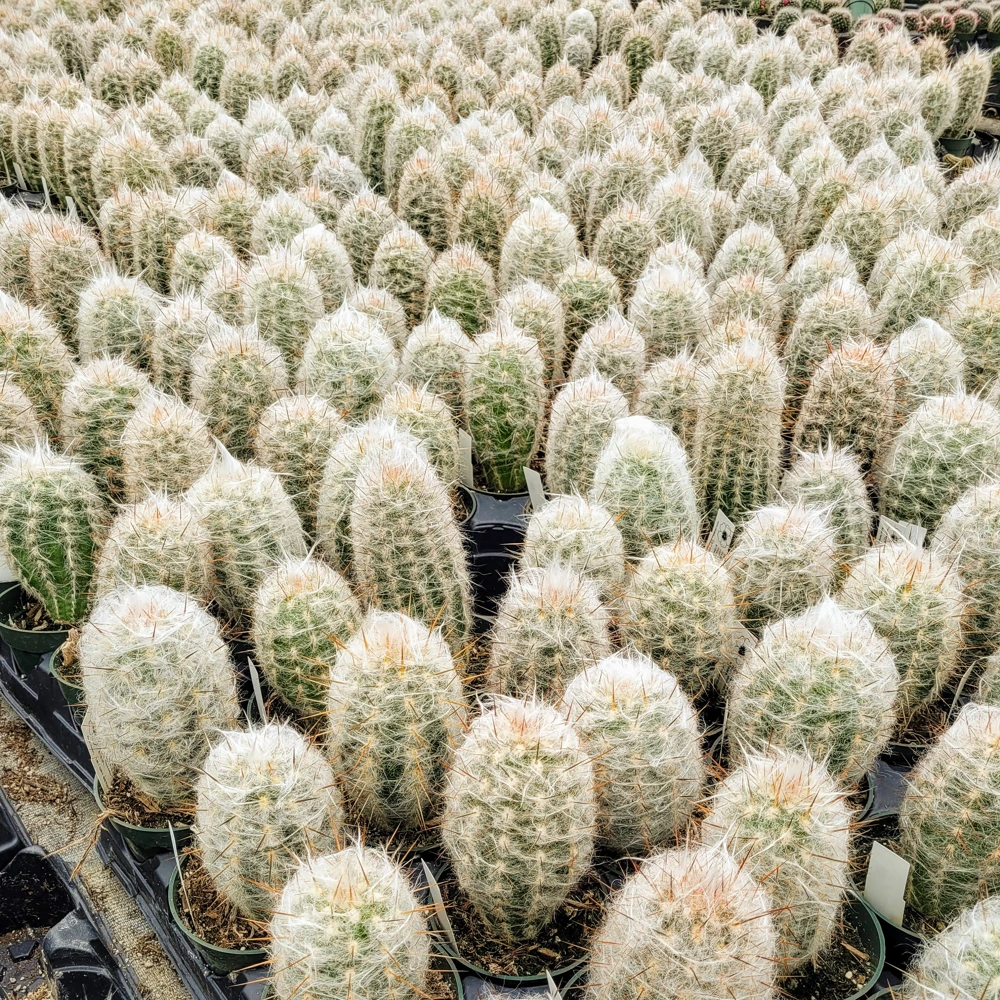
Bring home a distinctive Old Man of the Andes Cactus, also known as Oreocereus Trollii. This unique succulent features a striking white, woolly covering, adding exotic texture to any collection. Ideal for bright, sunny locations, it’s a perfect choice for xeriscaping or as an intriguing potted specimen.
Original price was: $56.00.$28.00Current price is: $28.00.

With our Alive & Thrive Guarantee, we’ve got your back for the first 30 days! If you have any concerns about your plants, just reach out to us. Our team is here to help answer your questions and guide you in selecting the best plants for your garden, climate, and unique preferences. We're excited to help you create the garden of your dreams!
Estimated arrival
Oct 14
Oct 19 - Oct 21
Oct 24 - Oct 28
Product Details
-
USDA Hardiness Zone
USDA zones 9-11 (outdoors) -
Soil type
Well-draining cactus or succulent mix -
Sunlight Exposure
Full sun (6-8+ hours direct light) -
Expected Planting Period
Year-round indoors; spring to summer outdoors
Overview
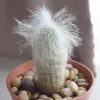
Introduce a touch of the extraordinary to your plant collection with the magnificent Old Man of the Andes Cactus. Scientifically known as Oreocereus Trollii, this captivating succulent is renowned for its dense, white, hair-like spines that cover its columnar body, giving it the appearance of an ‘old man’s beard’. Originating from the high altitudes of the Andes, particularly Bolivia and Argentina, this hardy cactus thrives in arid conditions and is a testament to nature’s unique adaptations. Its striking appearance makes it an instant conversation starter and a favorite among succulent enthusiasts and collectors. The Oreocereus Trollii is a relatively slow-growing plant, developing its characteristic woolly coat over time, which not only provides protection from harsh sun and cold but also contributes to its distinctive aesthetic appeal. Whether you’re an experienced gardener or just starting your succulent journey, this plant offers both beauty and resilience.
This live plant specimen of the Old Man of the Andes Cactus arrives ready to be integrated into your home or garden. Its robust nature and unique visual texture make it an excellent choice for rock gardens, desert landscapes, or as a focal point in a container arrangement. The silvery-white hairs contrast beautifully with its green stem, creating a visual spectacle that is both rugged and elegant. Enjoy the charm and low-maintenance beauty of this exceptional Andean native.
Key Benefits
The Old Man of the Andes Cactus offers a range of benefits that make it a highly desirable addition to any plant enthusiast’s collection. Its unique characteristics provide both aesthetic appeal and practical advantages.
- Striking Visual Appeal: The dense, white, woolly covering on the Oreocereus Trollii gives it an unparalleled, unique texture and appearance, making it a standout specimen in any plant display or garden.
- Low Maintenance: As a desert native, this cactus requires minimal watering and care, making it an ideal choice for busy individuals or those new to plant ownership. It’s a truly drought-tolerant succulent.
- Drought Tolerance: Adapted to arid environments, the Old Man of the Andes Cactus excels in dry conditions, requiring infrequent watering and making it perfect for xeriscaping or water-wise gardens.
- Hardy and Resilient: This cactus is known for its ability to withstand various environmental stresses, including temperature fluctuations and intense sunlight, ensuring a long lifespan with proper care.
- Unique Collector’s Item: Due to its distinctive appearance and relatively slower growth, it’s a prized possession for succulent and cactus collectors looking for something truly special.
- Architectural Interest: Its columnar growth habit and fuzzy texture provide excellent architectural interest, adding height and form to mixed succulent arrangements or as a solo statement piece.
- Adaptable to Various Settings: While it thrives outdoors in suitable climates, it also makes an excellent indoor plant, provided it receives adequate light, enhancing interior spaces with its exotic charm.
Plant Care & Growing Tips
Caring for your Old Man of the Andes Cactus (Oreocereus Trollii) is relatively straightforward, given its hardy nature, but understanding its specific needs will ensure it thrives and develops its iconic woolly coat. Originating from high-altitude desert regions, this cactus requires conditions that mimic its natural habitat. Sunlight is paramount; provide at least 6-8 hours of direct sunlight daily. Indoors, place it in your brightest south-facing window. Outdoors, full sun is ideal, but in extremely hot climates, some afternoon shade can prevent scorching. Good air circulation is also beneficial to prevent fungal issues.
When it comes to watering, less is more. Allow the soil to dry out completely between waterings. During its active growing season (spring and summer), you might water every 2-4 weeks, depending on temperature and humidity. In fall and winter, significantly reduce watering, often to once a month or even less, as the plant enters dormancy. Overwatering is the most common cause of cactus demise, leading to root rot. The ideal soil for the Oreocereus Trollii is a well-draining cactus or succulent mix, often amended with perlite, pumice, or coarse sand to enhance drainage. A terracotta pot is also recommended as it allows for better evaporation of excess moisture.
This cactus prefers moderate temperatures ranging from 60-85°F (15-29°C) during its growing season. It can tolerate cooler temperatures, even light frost, if kept dry, but extreme cold (below 20°F/-6°C) can be damaging. Fertilize sparingly during the growing season with a balanced, low-nitrogen fertilizer diluted to half strength, typically once every 2-3 months. Repotting is generally only needed every few years when the plant outgrows its container. When repotting, use gloves to protect yourself from spines and handle the plant carefully. Proper Cephalocereus senilis care, which shares many similarities with Oreocereus Trollii, emphasizes excellent drainage and ample sunlight for robust growth and the development of its characteristic features. Keep an eye out for common pests like mealybugs, which can be treated with insecticidal soap. Providing the right conditions will ensure your hairy cactus plant flourishes.
Size & Details
This offering includes one live Old Man of the Andes Cactus, available in a 2-inch or 4-inch nursery pot. The specific size you receive will depend on your selection at checkout. These young plants are actively growing and feature the initial development of their characteristic white, woolly covering. As a relatively slow-growing columnar cactus, it will gradually increase in height, eventually reaching several feet tall in optimal conditions over many years, though it remains a manageable size for container growing for an extended period. The dense hairs are a natural protective mechanism, essential for the plant’s survival in its native high-altitude environment. Each plant is carefully selected to ensure a healthy start in its new home. It will be shipped either in its nursery pot or bare root, depending on weather conditions and transit time, to ensure its survival upon arrival. Expect variations in color and shape as each succulent is a unique living specimen. These drought tolerant succulents are perfect for adding a unique touch to your collection.
Frequently Asked Questions
- Q: How big does this Old Man of the Andes Cactus get? A: The Old Man of the Andes Cactus is a slow-growing columnar cactus. In its natural habitat, it can eventually reach several feet in height over many decades. As a potted plant, its size will be more constrained, typically growing a few inches per year, making it suitable for container growing for a long time.
- Q: Is this an indoor or outdoor plant? A: This cactus can be grown both indoors and outdoors. Outdoors, it thrives in USDA zones 9-11, where it can receive full sun. Indoors, it requires a very bright location, such as a south-facing window, to ensure it gets enough light to maintain its health and develop its characteristic woolly hairs.
- Q: How much sunlight does the Oreocereus Trollii need? A: The Oreocereus Trollii requires abundant sunlight to flourish. Aim for at least 6-8 hours of direct sun daily. If grown indoors, supplement with a grow light if natural light is insufficient. Insufficient light can lead to etiolation, where the plant stretches and loses its compact form.
- Q: Is this plant easy to care for? A: Yes, the Old Man of the Andes Cactus is considered relatively easy to care for, especially for those with some experience with succulents. Its primary needs are ample sunlight, infrequent watering, and well-draining soil. Overwatering is the most common mistake to avoid.
- Q: What condition will the Old Man of the Andes Cactus arrive in? A: Your hairy cactus plant will arrive as a healthy, live specimen. Depending on the destination weather and shipping duration, it may be shipped in its nursery pot or bare root to ensure its survival and minimize stress during transit. Some minor imperfections from shipping are normal.
- Q: What is the best soil type for this cactus? A: The best soil for the Old Man of the Andes Cactus is a specialized cactus or succulent potting mix that ensures excellent drainage. You can also create your own by mixing regular potting soil with perlite, pumice, or coarse sand in a 1:1 ratio.
- Q: Will it survive winter in my zone? A: If you live in USDA zones 9-11, the Old Man of the Andes Cactus can generally survive outdoors year-round, provided it is kept dry during colder months. In colder zones, it must be brought indoors before temperatures drop below freezing to protect it from frost.
- Q: How often should I water my drought tolerant succulents? A: Water sparingly. Allow the soil to dry out completely between waterings. During the active growing season (spring/summer), this might be every 2-4 weeks. In fall and winter, significantly reduce watering frequency, often to once a month or less, as the plant enters dormancy.
- Q: What is the significance of the ‘hairs’ on the Old Man of the Andes Cactus? A: The dense white hairs on the Oreocereus Trollii serve several crucial purposes. They protect the plant from intense solar radiation and harsh winds in its native high-altitude environment, and they also help to insulate the plant from both extreme heat and cold.
- Q: Can I propagate this type of cactus? A: Yes, the Old Man of the Andes Cactus can be propagated from offsets (pups) that form at the base of the plant or from stem cuttings. Allow cuttings to callus for several days before planting them in well-draining soil.
| Pot Size | 2" Pot [Sold Out], 4" Pot |
|---|
Related products
-30%
Original price was: $79.98.$55.98Current price is: $55.98.
-30%
Original price was: $79.98.$55.98Current price is: $55.98.
-30%
Original price was: $79.98.$55.98Current price is: $55.98.
-30%
Original price was: $79.98.$55.98Current price is: $55.98.
-30%
Original price was: $79.98.$55.98Current price is: $55.98.
-30%
Original price was: $47.98.$33.58Current price is: $33.58.
-30%
Original price was: $49.98.$34.98Current price is: $34.98.
PLANTING & CARE
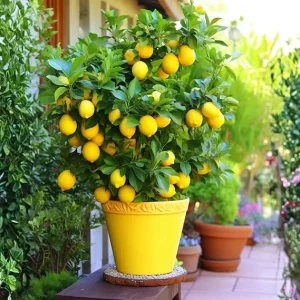
Lemon Tree Growing: Choose, Plant, and Harvest
Learn how to choose, plant, feed, and protect a lemon tree so it fits your
23
Sep
Sep
Dwarf Meyer Lemon Tree Australia: Climate Guide
Learn where dwarf Meyer lemon trees grow, how much cold they tolerate, and whether Australia,
Where to Buy a Dwarf Meyer Lemon Tree: Buyer’s Guide
Find the right dwarf Meyer lemon tree online or locally, compare starter sizes and costs,
Dwarf Meyer Lemon Tree for Sale: Buying Guide
Compare Meyer lemon tree sizes, prices, shipping limits, indoor growing and California options before you
Dwarf Meyer Lemon Tree Guide: Size, Care and Fruit
META: Learn how large a dwarf Meyer lemon tree grows, where it thrives, and how
How to Prune a Dwarf Meyer Lemon Tree
Learn when and how to prune a dwarf Meyer lemon tree, including tools, shaping cuts,
Can You Grow a Dwarf Meyer Lemon Tree in a Pot?
META: Learn how to grow a dwarf Meyer lemon tree in a pot, including container
When Do Dwarf Meyer Lemon Trees Bloom and Fruit?
META: Dwarf Meyer lemon trees usually bloom from winter through spring and may flower again