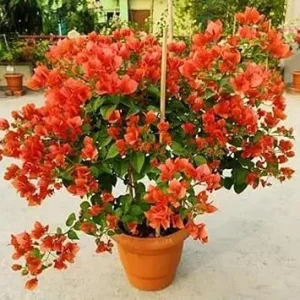
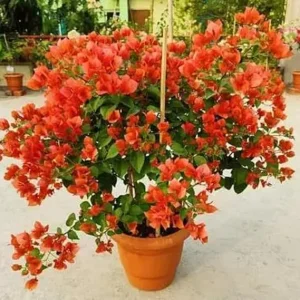
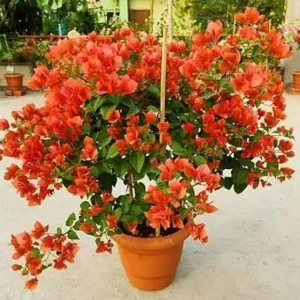
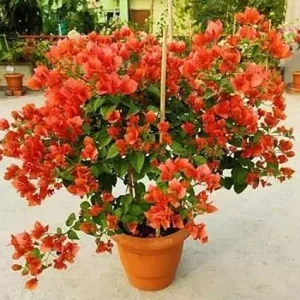
Orange Bougainvillea Live Plant, 6-10 Inches Tall, Vibrant Blooms for Outdoors
-50%
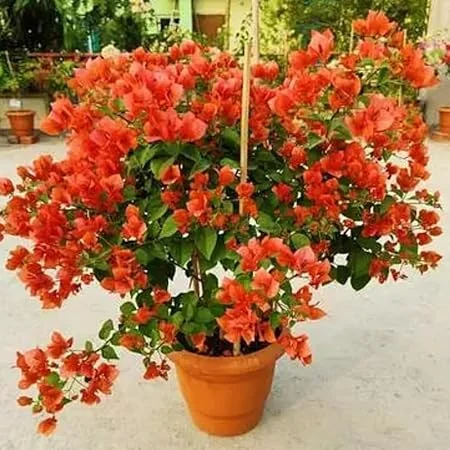
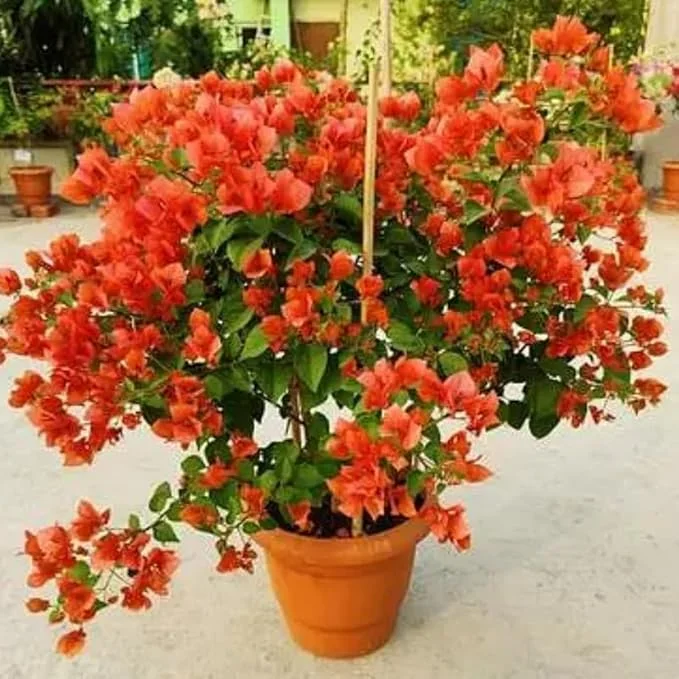
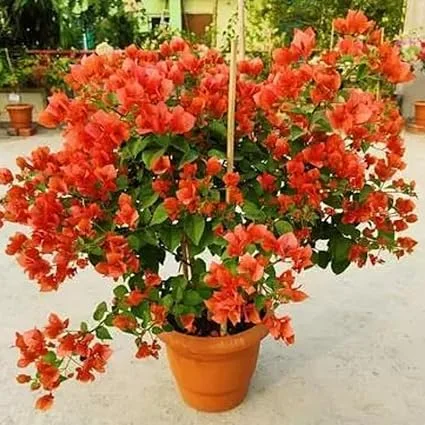
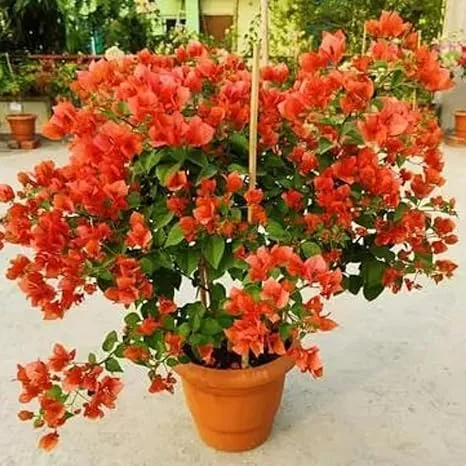
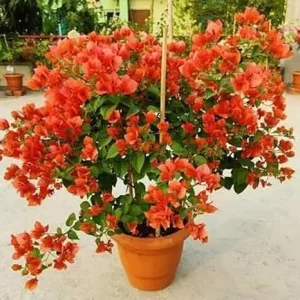
Orange Bougainvillea Live Plant, 6-10 Inches Tall, Vibrant Blooms for Outdoors
Bring tropical beauty to your garden with this vibrant orange bougainvillea live plant. Measuring 6-10 inches tall, it’s ready for planting and will soon dazzle with its brilliant, long-lasting blooms. Perfect for adding a splash of color to patios or landscapes.
Original price was: $105.98.$52.99Current price is: $52.99.

With our Alive & Thrive Guarantee, we’ve got your back for the first 30 days! If you have any concerns about your plants, just reach out to us. Our team is here to help answer your questions and guide you in selecting the best plants for your garden, climate, and unique preferences. We're excited to help you create the garden of your dreams!
Estimated arrival
Mar 23
Mar 28 - Mar 30
Apr 02 - Apr 06
Product Details
-
USDA Hardiness Zone
USDA Zones 9-11 -
Soil type
Well-draining, sandy soil preferred -
Sunlight Exposure
Full sun (6+ hours direct light daily) -
Expected Planting Period
Spring to early summer
Overview
Introduce a burst of tropical sunshine to your outdoor space with this stunning orange bougainvillea live plant. Known for its spectacular, paper-like bracts that resemble flowers, bougainvillea is a favorite among gardeners in warm climates. This particular variety offers a brilliant orange hue, promising to be a focal point wherever it’s planted. Originating from South America, bougainvillea thrives in sunny conditions, producing a continuous display of color throughout much of the year. This tropical flowering plant is ideal for adding dramatic flair to patios, pergolas, trellises, or as a vibrant groundcover. Whether you’re an experienced gardener or just starting, the resilience and beauty of bougainvillea make it a rewarding addition to any landscape.
Our orange bougainvillea live plant arrives ready for planting, typically measuring between 6-10 inches in height. It’s carefully packaged to ensure a healthy journey from our nursery to your garden. Bougainvillea, or Bougainvillea spectabilis, is not only beautiful but also relatively low-maintenance once established, making it a fantastic choice for those seeking high visual impact with reasonable effort. Prepare to be enchanted by its prolific blooming habit and the joy it brings to your outdoor living areas.
Key Benefits
The orange bougainvillea live plant offers a multitude of benefits that make it an exceptional choice for your garden:
- Spectacular Color Display: Enjoy a nearly year-round explosion of vibrant orange ‘flowers’ (bracts) that will instantly brighten any landscape or container. This continuous bloom cycle ensures your garden remains lively and colorful.
- Drought-Tolerant: Once established, bougainvillea is remarkably drought-resistant, requiring less frequent watering than many other flowering plants. This makes it an excellent choice for water-wise gardening.
- Versatile Growth Habit: This plant can be trained to climb, sprawl, or even kept as a bushy shrub, offering flexibility in how you incorporate it into your garden design. It’s perfect for trellises, fences, hanging baskets, or as a vibrant groundcover.
- Low Maintenance: Beyond its initial establishment period, bougainvillea requires minimal care, primarily pruning to maintain shape and encourage new blooms. This ease of bougainvillea care makes it suitable for busy gardeners.
- Attracts Pollinators: While the colorful bracts are the main attraction, the small true flowers within them can attract hummingbirds and other pollinators to your garden, contributing to a healthy ecosystem.
- Heat Loving: Thrives in hot, sunny conditions where many other plants might struggle, making it an ideal choice for full-sun locations in warmer climates. This resilience ensures a healthy and thriving plant even in intense summer heat.
- Long Blooming Season: Unlike many plants with short blooming windows, bougainvillea offers an extended period of bloom, providing consistent beauty for months on end. This prolonged display adds lasting value to your garden.
Plant Care & Growing Tips
Proper growing bougainvillea ensures a healthy and floriferous plant. Bougainvillea thrives in full sun, requiring at least 6 hours of direct sunlight per day to produce its best blooms. In hotter climates, some afternoon shade can be beneficial to prevent scorching, but too much shade will result in fewer flowers. When planting your orange bougainvillea live plant, choose a location with well-draining soil. While the input suggests sandy soil, bougainvillea is adaptable to various soil types as long as they drain well. Heavy, waterlogged soils can lead to root rot. Amend clay soils with organic matter to improve drainage.
Watering is crucial, especially during the establishment phase. Water regularly after planting to help the roots settle. Once established, bougainvillea prefers to dry out slightly between waterings. Overwatering is a common mistake and can lead to lush foliage but few flowers. The ‘moderate watering’ guideline means to water deeply when the top few inches of soil are dry, then allow it to dry out again. Fertilize sparingly; bougainvillea doesn’t need much. Use a balanced fertilizer or one slightly higher in phosphorus to encourage blooms, applied during the growing season. Avoid high-nitrogen fertilizers, which promote leafy growth over flowers. Pruning is essential for shaping and encouraging more blooms. After a flush of flowers, trim back the spent stems to promote new growth and more bracts. Protect from frost; bougainvillea is not cold-hardy and will need protection or to be brought indoors in USDA zones below 9.
Pest and disease issues are generally minimal for bougainvillea. Keep an eye out for aphids or scale insects, which can be treated with insecticidal soap. Ensure good air circulation to prevent fungal problems. With these basic bougainvillea care tips, your plant will flourish and provide endless beauty. Remember, consistent sunlight and proper watering are the keys to a truly vibrant bougainvillea display.
Size & Details
This orange bougainvillea live plant is typically shipped in a nursery pot, standing approximately 6-10 inches tall from the base of the plant to the tip of its tallest stem. The exact size may vary slightly due to natural growth patterns. Bougainvillea is a fast-growing vine or shrub, and its growth rate can be quite vigorous in ideal conditions. When mature, it can reach heights of 10-20 feet or more if left untrimmed, especially when trained on a trellis or wall. Its spread can be equally impressive, making it an excellent choice for covering large areas. The plant is shipped as a young, actively growing specimen, ready to establish quickly in your garden. Expect to see significant growth and the first flush of characteristic vibrant orange bracts within its first growing season, provided it receives adequate sunlight and care. The plant’s woody stems provide a robust structure for its colorful display.
Frequently Asked Questions
- Q: How big does this plant get? A: This orange bougainvillea live plant typically arrives 6-10 inches tall. When mature, it can grow to 10-20 feet or more, depending on growing conditions and whether it’s trained as a vine or shrub.
- Q: What size pot does it come in? A: The plant is typically shipped in a standard nursery pot, suitable for its current size, to ensure a healthy root system upon arrival.
- Q: Is this an indoor or outdoor plant? A: Bougainvillea is primarily an outdoor plant, thriving in full sun and warm climates. In colder zones (below USDA Zone 9), it can be grown in containers and brought indoors during winter or treated as an annual.
- Q: How much sunlight does it need? A: For the best blooming, bougainvillea requires at least 6 hours of direct sunlight per day. More sun generally leads to more prolific and vibrant bougainvillea blooms.
- Q: Is this plant easy to care for? A: Once established, bougainvillea is relatively low-maintenance, especially regarding water needs. Consistent sunlight and occasional pruning are key aspects of good bougainvillea care.
- Q: What condition will it arrive in? A: Your orange bougainvillea live plant will arrive as a healthy, actively growing specimen, carefully packaged to minimize stress during transit. Some minor leaf drop may occur due to shipping shock, but the plant should recover quickly.
- Q: Is it shipped in soil? A: Yes, the plant is shipped rooted in its nursery pot with soil to ensure its health and vitality during shipping.
- Q: How long until it blooms? A: With proper care and sufficient sunlight, your bougainvillea can begin to produce its beautiful orange bracts within its first growing season after planting.
- Q: When is the best time to plant? A: The best time to plant bougainvillea is in spring or early summer after the last frost, allowing it ample time to establish before cooler weather.
- Q: Will it survive winter in my zone? A: Bougainvillea is cold-sensitive. It is perennial in USDA Zones 9-11. In colder zones, it must be protected from frost or grown as an annual.
- Q: What’s the minimum temperature it can tolerate? A: Bougainvillea generally cannot tolerate temperatures below 30-32°F (0°C) without damage. Prolonged exposure to freezing temperatures will likely kill the plant.
Related products
-50%
Original price was: $63.00.$31.50Current price is: $31.50.
-75%
Original price was: $59.98.$15.00Current price is: $15.00.
-83%
Original price was: $44.97.$7.74Current price is: $7.74.
-67%
Original price was: $37.47.$12.49Current price is: $12.49.
PLANTING & CARE

The Comprehensive Guide to Growing Bay Leaf Plants for a Flavorful Garden
Imagine stepping into your garden, greeted by the earthy aroma of fresh bay leaves, their
09
Feb
Feb

How to Make Comfrey Tea: The Ultimate Organic Plant Food
Growing an organic garden can be surprisingly expensive, especially when most store-bought fertilizers come in
02
Feb
Feb

True Comfrey: 7 Essential Tips Before You Plant This Herb
A staple in permaculture practices across the US, True Comfrey easily earns its reputation as
27
Jan
Jan

7 Heart-Shaped Plants for a Lasting Valentine’s Gift
If you’ve ever bought a bouquet of roses for Valentine’s Day, you know they are
26
Jan
Jan

Best Types of Ivy Plant for Houses: How to Choose the Perfect Ones for Your Home
Are you a garden lover looking to introduce some greenery into your home? Maybe you’ve
14
Nov
Nov

When to Harvest Garlic (Especially Fall-Planted Garlic)
TIMING IS EVERYTHING, they say – and for garlic, that truth hits with surprising accuracy.
13
Nov
Nov

11 of the Best Sweet Potato Varieties to Grow for Your Garden
If you’ve ever tried growing sweet potatoes, you know that picking the right variety can
12
Nov
Nov
Pruning Bougainvillea for Winter
Bougainvillea vines are known for their dazzling display of magenta, orange, and fuchsia bracts that
05
Nov
Nov