Orange Habanero Pepper Live Plant – 3 Plants for Spicy Peppers
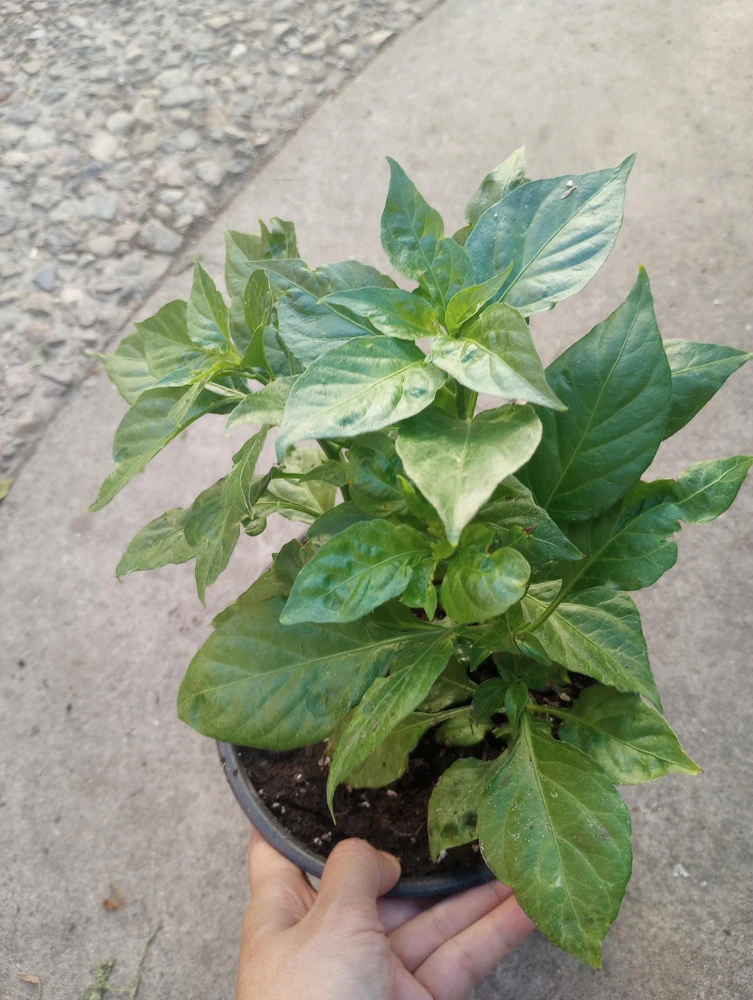
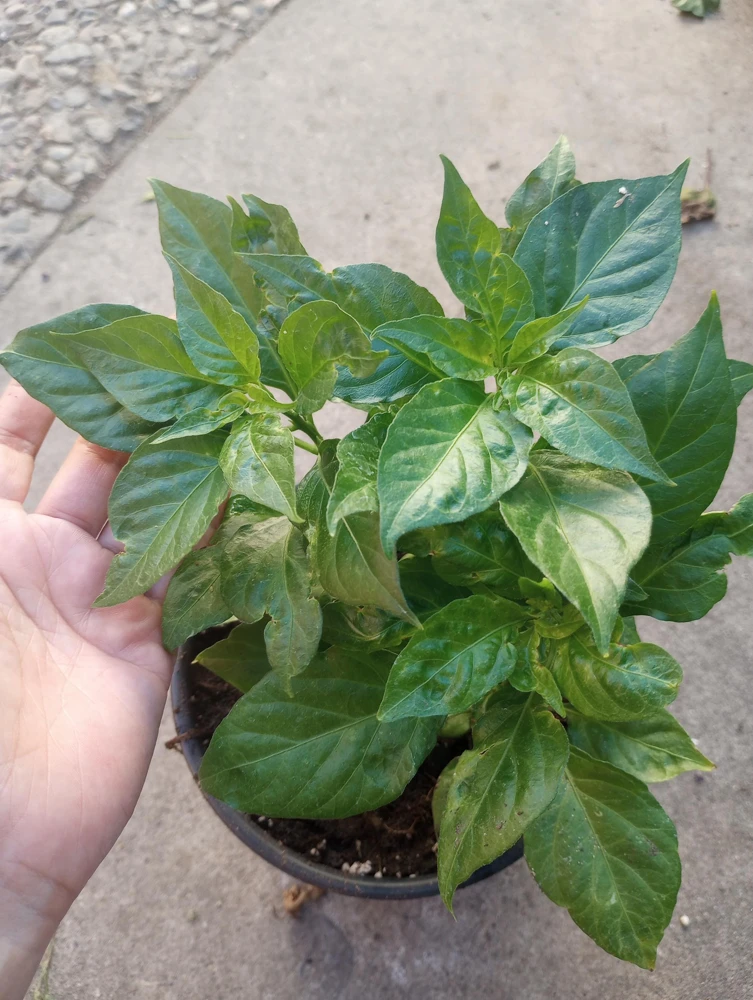
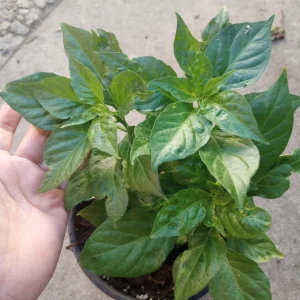
Orange Habanero Pepper Live Plant – 3 Plants for Spicy Peppers
Cultivate your own fiery flavor with this set of 3 Orange Habanero Pepper live plants. Known for their intense heat and fruity undertones, these plants are perfect for gardeners looking to add a spicy kick to their dishes. Enjoy fresh, vibrant peppers straight from your garden.
$39.98

With our Alive & Thrive Guarantee, we’ve got your back for the first 30 days! If you have any concerns about your plants, just reach out to us. Our team is here to help answer your questions and guide you in selecting the best plants for your garden, climate, and unique preferences. We're excited to help you create the garden of your dreams!
Estimated arrival
Oct 08
Oct 13 - Oct 15
Oct 18 - Oct 22
Product Details
-
USDA Hardiness Zone
USDA zones 9-11 (as perennial), otherwise grown as annual -
Soil type
Well-draining, rich potting mix or garden soil -
Sunlight Exposure
Full sun (6-8+ hours direct light daily) -
Expected Planting Period
Spring after last frost (outdoors), year-round (indoors with light)
Overview
Embark on a thrilling culinary adventure with the orange habanero pepper plant. This offering includes 3 Orange Habanero Pepper live plants, ready to thrive in your garden or containers. Habanero peppers are world-renowned for their exceptional heat, typically ranging from 100,000 to 350,000 Scoville Heat Units (SHU), making them a favorite among spice enthusiasts. Beyond the heat, these vibrant orange peppers boast a distinctive fruity and floral flavor profile that enhances a variety of dishes, from salsas and hot sauces to marinades and stir-fries. Growing your own habaneros ensures a fresh supply of these potent chilies, allowing you to control the quality and ripeness for optimal flavor and heat. These robust young plants are carefully nurtured to give you a head start on a bountiful and spicy harvest, turning your garden into a source of exciting flavor.
The Habanero (Capsicum chinense) is a beloved chili pepper that originated in the Amazon region, though it is most famously associated with the Yucatán Peninsula. Its name, ‘habanero,’ translates to ‘from Havana,’ referring to its historical trade route. These particular plants will produce beautiful, glossy orange fruits that stand out against the lush green foliage. They are not only a source of delicious heat but also an attractive addition to any garden space, whether you’re a seasoned gardener or just starting to grow habanero peppers.
Key Benefits
Growing your own habanero peppers offers numerous advantages, from fresh ingredients to the satisfaction of a homegrown harvest. These orange habanero pepper plants are carefully selected to provide you with the best possible growing experience and yield.
- Exceptional Heat and Flavor: Enjoy the characteristic intense heat and unique fruity, tropical flavor of fresh habanero peppers, far superior to store-bought varieties. Perfect for creating your own gourmet hot sauces and spicy dishes.
- Abundant Harvest: Each plant is capable of producing a prolific yield of peppers throughout the growing season, providing you with a continuous supply for all your culinary needs. You’ll be amazed at how many peppers you can grow habanero peppers in your own backyard.
- Rich in Nutrients: Habaneros are not just about heat; they are also packed with vitamins A and C, and other essential nutrients, contributing to a healthy diet. The capsaicin content is also known for potential health benefits.
- Garden Beautification: The bright orange fruits and vibrant green foliage make the orange habanero pepper plant an attractive ornamental addition to your garden beds, patios, or balconies.
- Versatile Culinary Uses: From spicy salsas and marinades to infused oils and dried flakes, these peppers can be used in countless ways to elevate your cooking. Explore new recipes and enjoy the versatility of fresh habaneros.
- Rewarding Growing Experience: Experience the joy and satisfaction of nurturing your own plants from young starts to a bountiful harvest, a truly fulfilling gardening endeavor.
- Capsaicin Rich Peppers: These peppers are known for their high capsaicin content, which is responsible for their heat and can be utilized for various purposes, including pain relief and pest deterrents.
Plant Care & Growing Tips
To ensure your orange habanero pepper plant thrives and produces a generous harvest, providing the right care is crucial. Habaneros are heat-loving plants that require specific conditions to reach their full potential. They perform best in locations that receive at least 6-8 hours of direct sunlight per day. If growing indoors, a south-facing window or supplemental grow lights will be necessary to provide adequate light intensity. Ensure good air circulation around the plants to prevent fungal diseases, especially in humid environments.
When it comes to watering, consistency is key. Keep the soil consistently moist but never waterlogged. Allow the top inch of soil to dry out slightly between waterings, and then water deeply. Overwatering can lead to root rot, while underwatering can stress the plant and reduce fruit production. A well-draining soil mix is essential. For best results, use a rich, well-draining potting mix for container plants, or amend garden soil with compost to improve drainage and fertility. Habaneros prefer a slightly acidic to neutral soil pH, ideally between 6.0 and 7.0. Fertilize your spicy pepper live plant every 2-4 weeks with a balanced fertilizer during the growing season, switching to a fertilizer higher in phosphorus and potassium once flowering begins to encourage fruit development. Protect plants from frost, as they are very sensitive to cold temperatures. For those looking to grow habanero peppers, understanding these essential care points will lead to a successful and flavorful yield. Watch out for common pests like aphids and spider mites, and treat them promptly with organic insecticidal soap if spotted. Providing good habanero plant care will result in a robust and productive plant.
Size & Details
This offering includes 3 Orange Habanero Pepper live plants, each carefully grown to ensure a strong start for your garden. Upon arrival, the plants will be young but well-rooted, typically standing about 4-6 inches tall, ready for transplanting into larger containers or directly into your garden bed. Habanero plants typically grow to a mature height of 2-4 feet tall and 1-2 feet wide, forming bushy plants laden with fruit. They have a moderate growth rate and will start producing flowers and fruits within 60-90 days after transplanting, with a continuous harvest throughout the warm season. Each plant is shipped in a nursery pot with established roots, ensuring a smooth transition to its new home. Expect a continuous yield of capsaicin rich peppers throughout the summer and into early fall, depending on your climate.
Frequently Asked Questions
- Q: How big do these habanero plants get? A: Your orange habanero pepper plant can typically grow to a height of 2-4 feet tall and 1-2 feet wide, forming a bushy and productive plant. The final size can vary based on growing conditions and container size.
- Q: What size pot does it come in? A: The plants are shipped in small nursery pots, usually around 2-3 inches, with their root systems well-established and ready for transplanting into a larger container or garden bed.
- Q: Is this an indoor or outdoor plant? A: Habanero pepper plants thrive outdoors in warm climates with full sun. They can also be grown indoors if provided with sufficient light, such as a sunny window or grow lights, making them a versatile spicy pepper live plant.
- Q: How much sunlight does it need? A: For optimal growth and fruit production, your orange habanero pepper plant requires at least 6-8 hours of direct sunlight per day. More sun generally leads to more peppers.
- Q: Is this plant easy to care for? A: Habanero plants are relatively easy to care for, especially for gardeners familiar with growing tomatoes or other peppers. Consistent watering, adequate sunlight, and proper fertilization are key to successful habanero plant care.
- Q: What condition will it arrive in? A: Your 3 Orange Habanero Pepper live plants will arrive carefully packaged, healthy, and vibrant, with established root systems, ready for planting. We take great care to ensure they reach you in excellent condition.
- Q: Is it shipped in soil? A: Yes, the plants are shipped in their nursery pots with soil to protect the roots and ensure their health during transit. You’ll receive live, potted plants.
- Q: Can I use these habanero peppers in cooking? A: Absolutely! These peppers are perfect for culinary use, adding intense heat and a unique fruity flavor to salsas, sauces, marinades, and any dish where you desire a significant spicy kick. They are excellent capsaicin rich peppers.
- Q: When is the best time to plant? A: The best time to plant your orange habanero pepper plant outdoors is after all danger of frost has passed in spring, when soil temperatures have warmed up. If growing indoors, they can be started any time of year.
- Q: Will it survive winter in my zone? A: Habanero peppers are tropical plants and are typically grown as annuals in most climates. In USDA Zones 9-11, they may survive as perennials if protected from cold, but they are very sensitive to frost.
Related products
-20%
Original price was: $36.00.$28.80Current price is: $28.80.
-20%
Original price was: $60.00.$48.00Current price is: $48.00.
-30%
Original price was: $59.98.$41.98Current price is: $41.98.
-22%
Original price was: $160.99.$125.99Current price is: $125.99.
-20%
Original price was: $35.00.$28.00Current price is: $28.00.
-20%
Original price was: $120.00.$96.00Current price is: $96.00.
-20%
Original price was: $36.00.$28.80Current price is: $28.80.
PLANTING & CARE
Lemon Tree Growing: Choose, Plant, and Harvest
Learn how to choose, plant, feed, and protect a lemon tree so it fits your
23
Sep
Sep
Dwarf Meyer Lemon Tree Australia: Climate Guide
Learn where dwarf Meyer lemon trees grow, how much cold they tolerate, and whether Australia,
Where to Buy a Dwarf Meyer Lemon Tree: Buyer’s Guide
Find the right dwarf Meyer lemon tree online or locally, compare starter sizes and costs,
Dwarf Meyer Lemon Tree for Sale: Buying Guide
Compare Meyer lemon tree sizes, prices, shipping limits, indoor growing and California options before you
Dwarf Meyer Lemon Tree Guide: Size, Care and Fruit
META: Learn how large a dwarf Meyer lemon tree grows, where it thrives, and how
How to Prune a Dwarf Meyer Lemon Tree
Learn when and how to prune a dwarf Meyer lemon tree, including tools, shaping cuts,
Can You Grow a Dwarf Meyer Lemon Tree in a Pot?
META: Learn how to grow a dwarf Meyer lemon tree in a pot, including container
When Do Dwarf Meyer Lemon Trees Bloom and Fruit?
META: Dwarf Meyer lemon trees usually bloom from winter through spring and may flower again