Orange Jasmine Plant in 4" Pot, Fragrant White Flowers
-40%
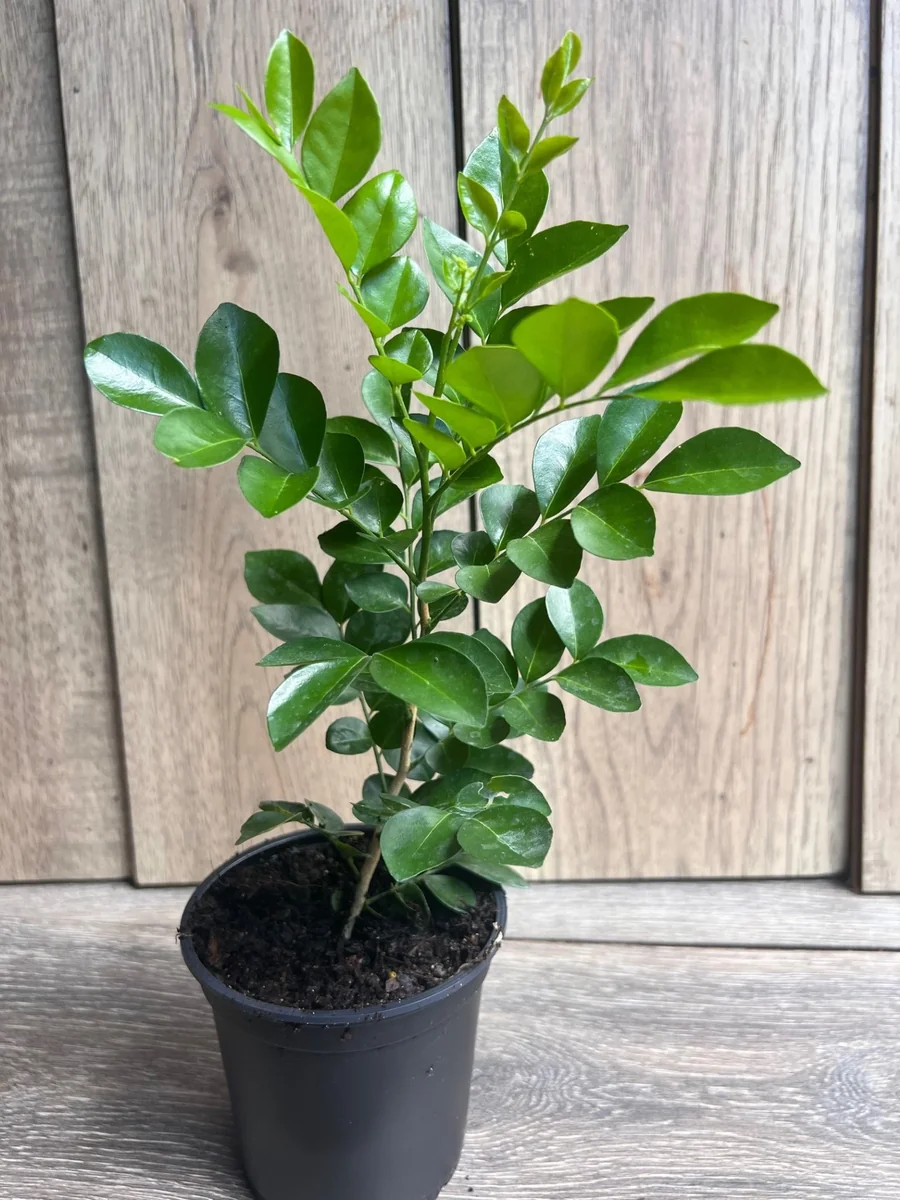
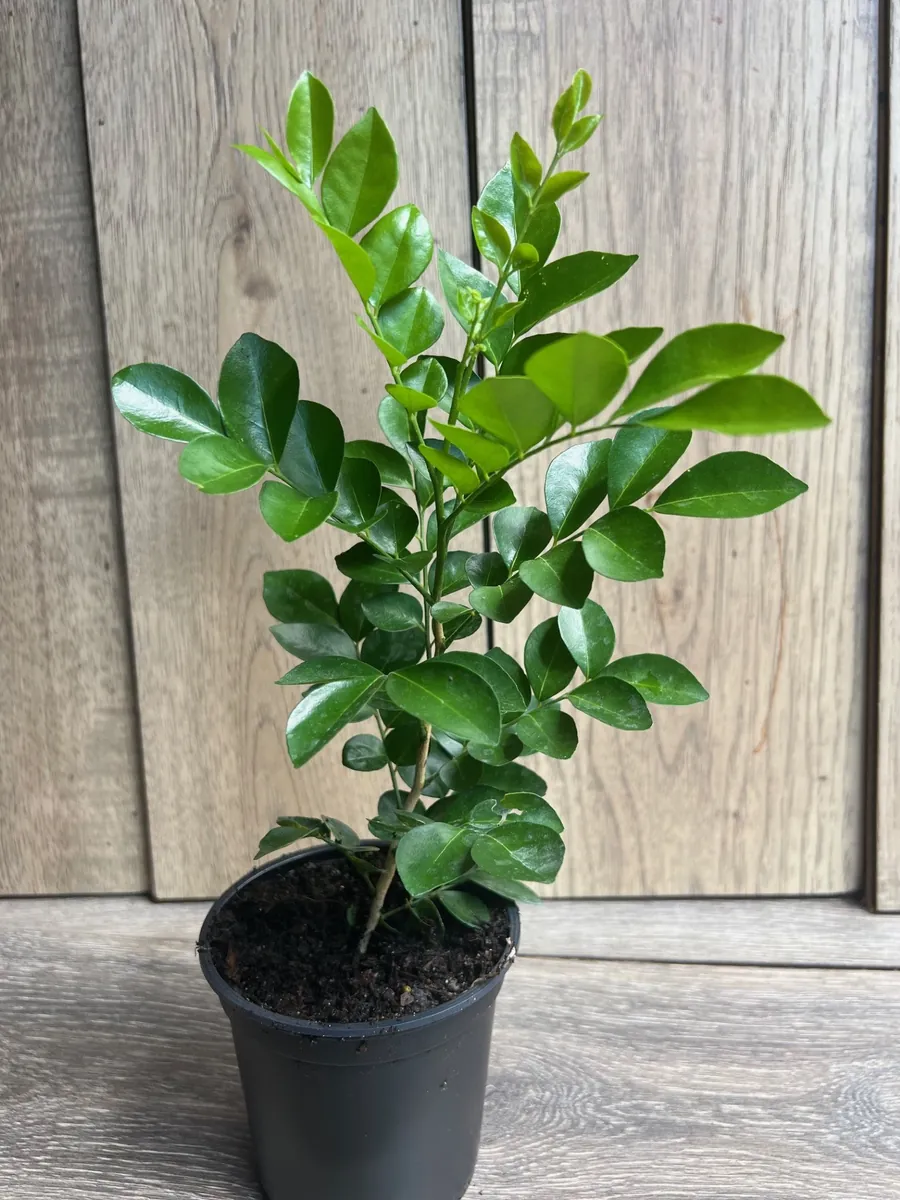
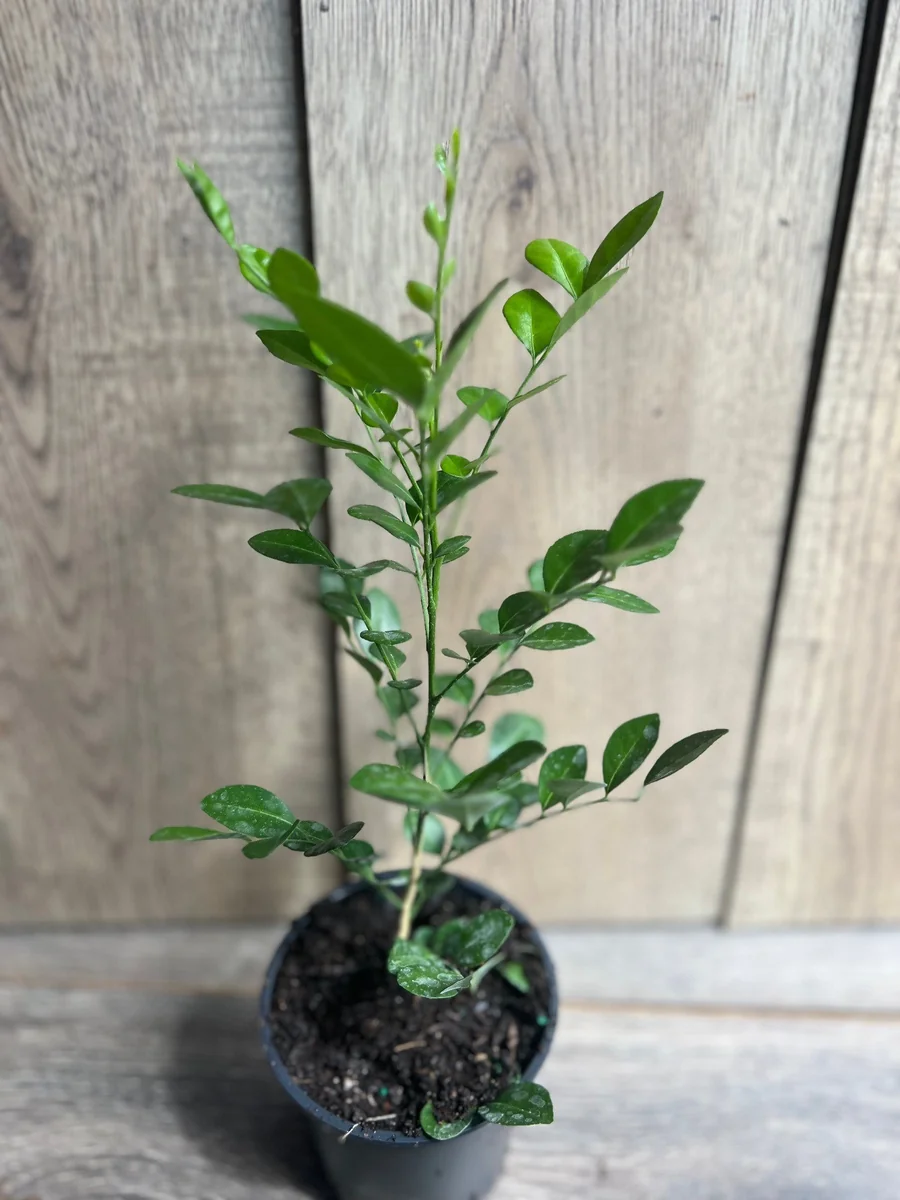
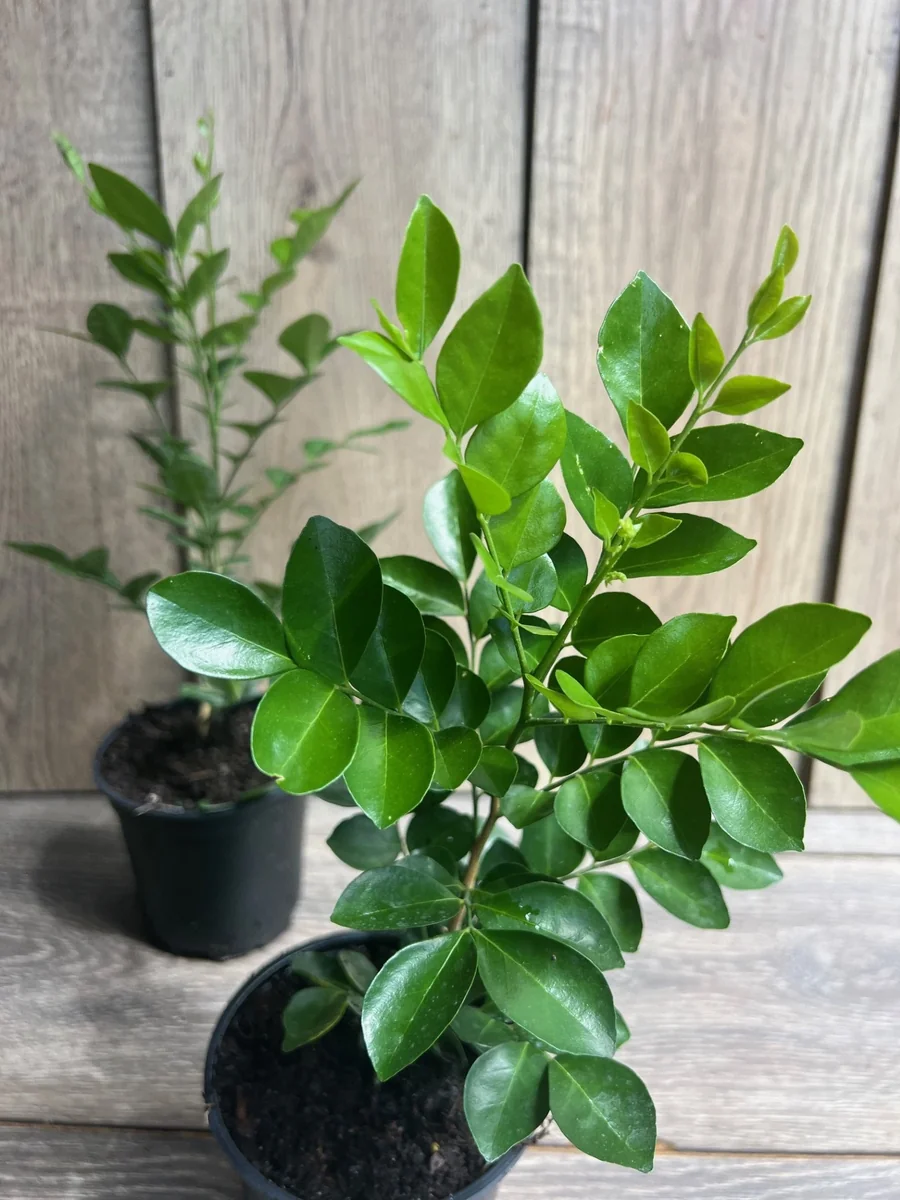
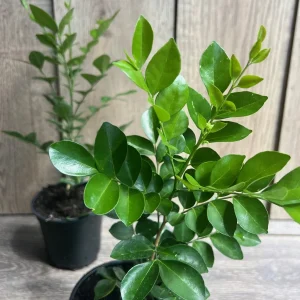
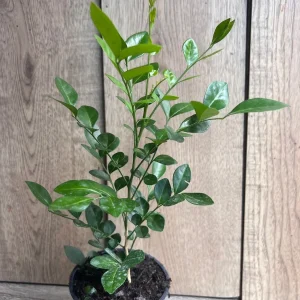
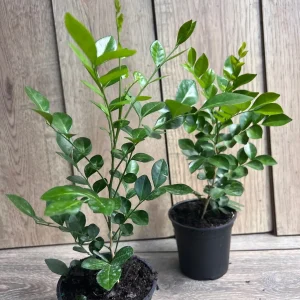
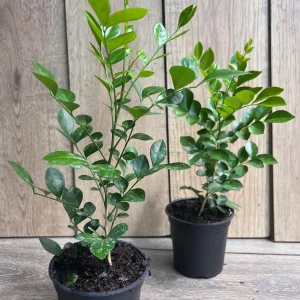
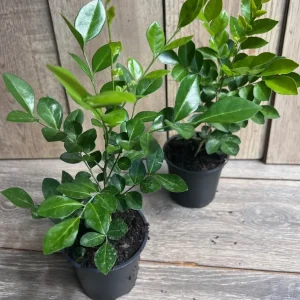
Orange Jasmine Plant in 4" Pot, Fragrant White Flowers
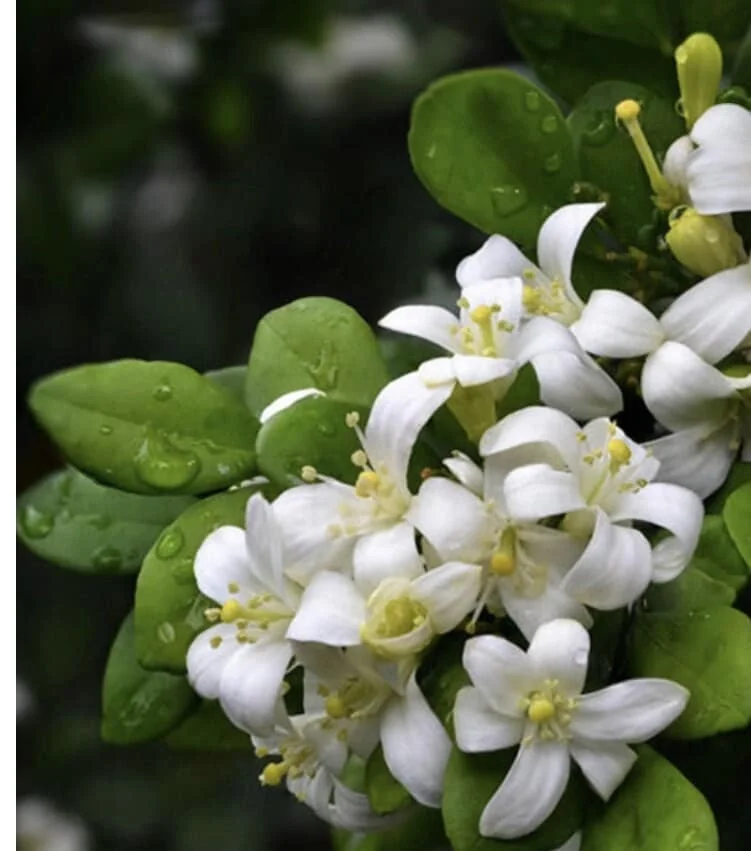
Bring home a delightful orange jasmine live plant in a 4-inch pot, known for its intoxicatingly fragrant white flowers that bloom year-round. This tropical evergreen shrub is perfect for adding natural beauty and a sweet aroma to your indoor spaces or outdoor patio.
Original price was: $57.12.$34.28Current price is: $34.28.

With our Alive & Thrive Guarantee, we’ve got your back for the first 30 days! If you have any concerns about your plants, just reach out to us. Our team is here to help answer your questions and guide you in selecting the best plants for your garden, climate, and unique preferences. We're excited to help you create the garden of your dreams!
Estimated arrival
Oct 08
Oct 13 - Oct 15
Oct 18 - Oct 22


Product Details
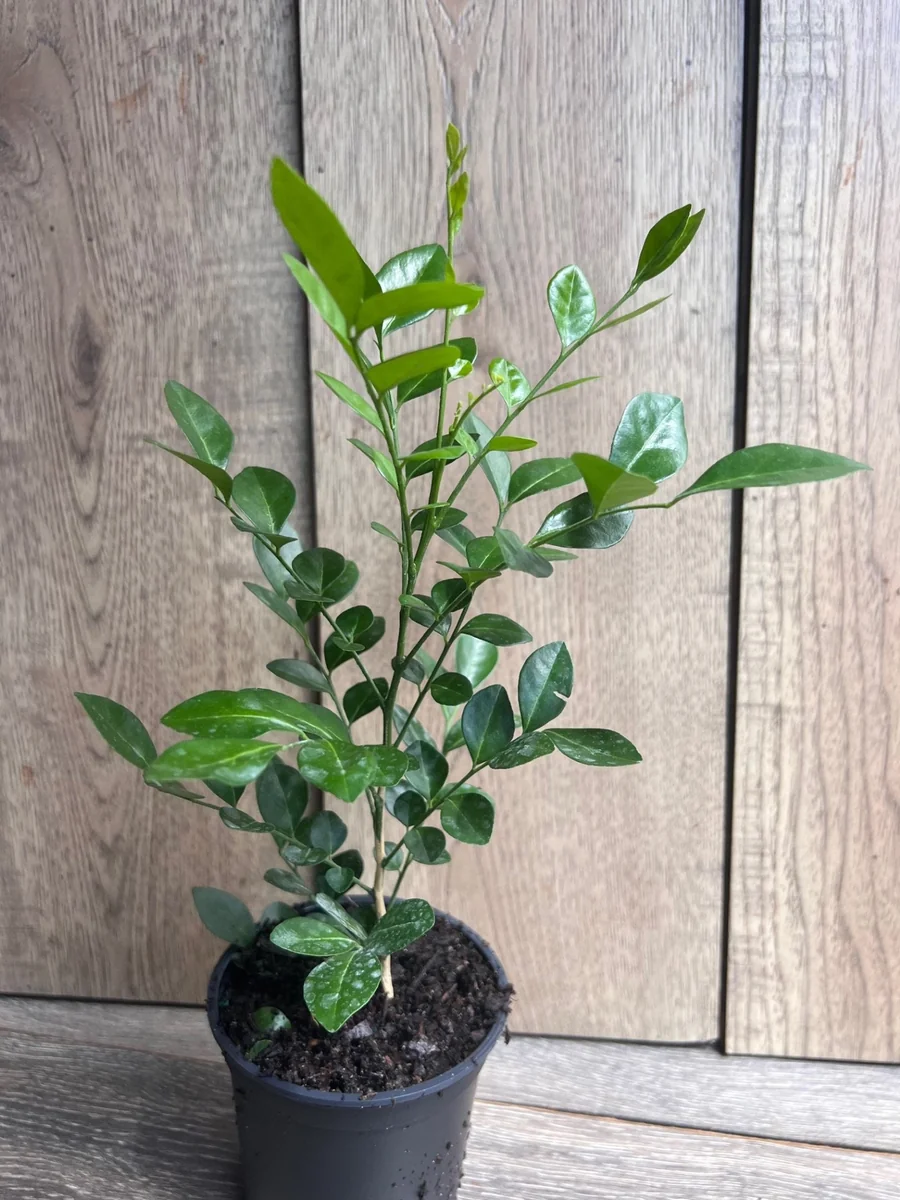
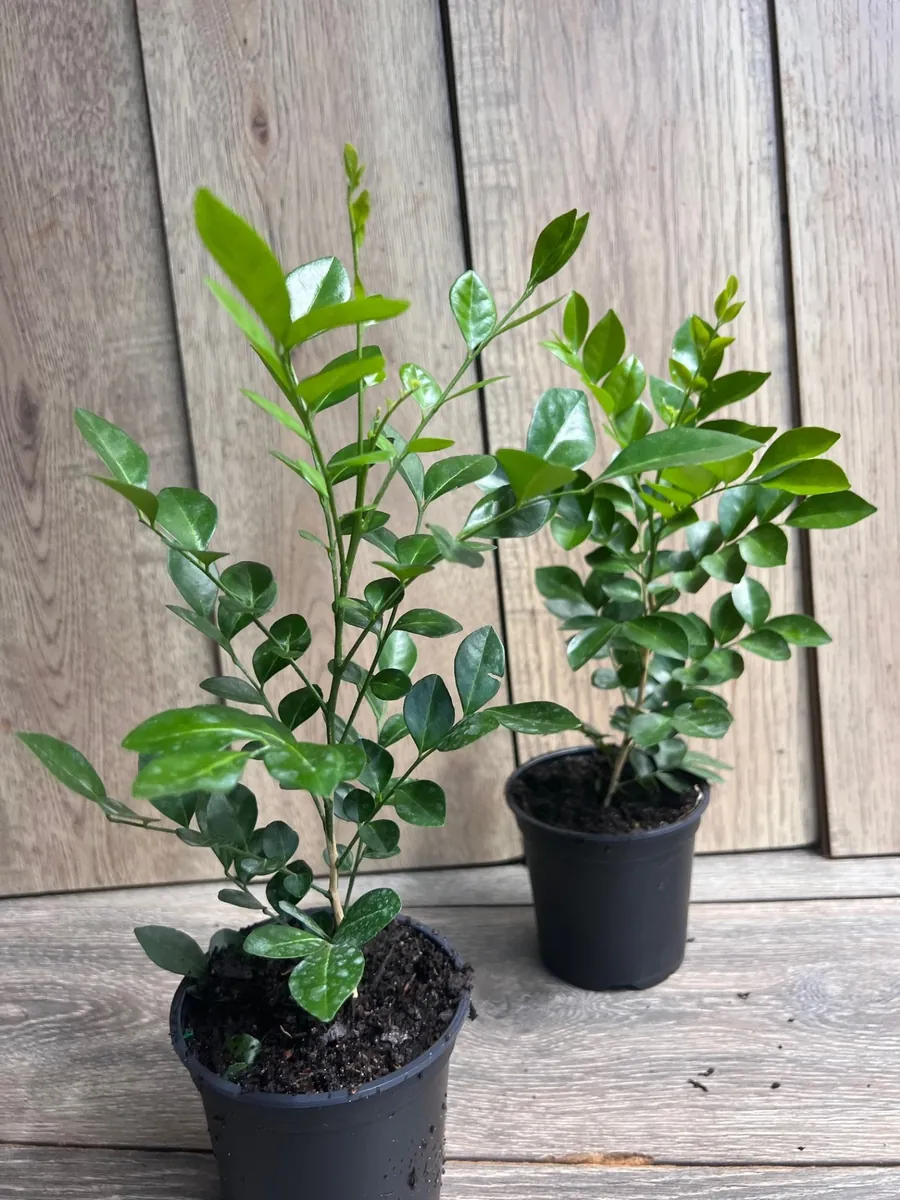
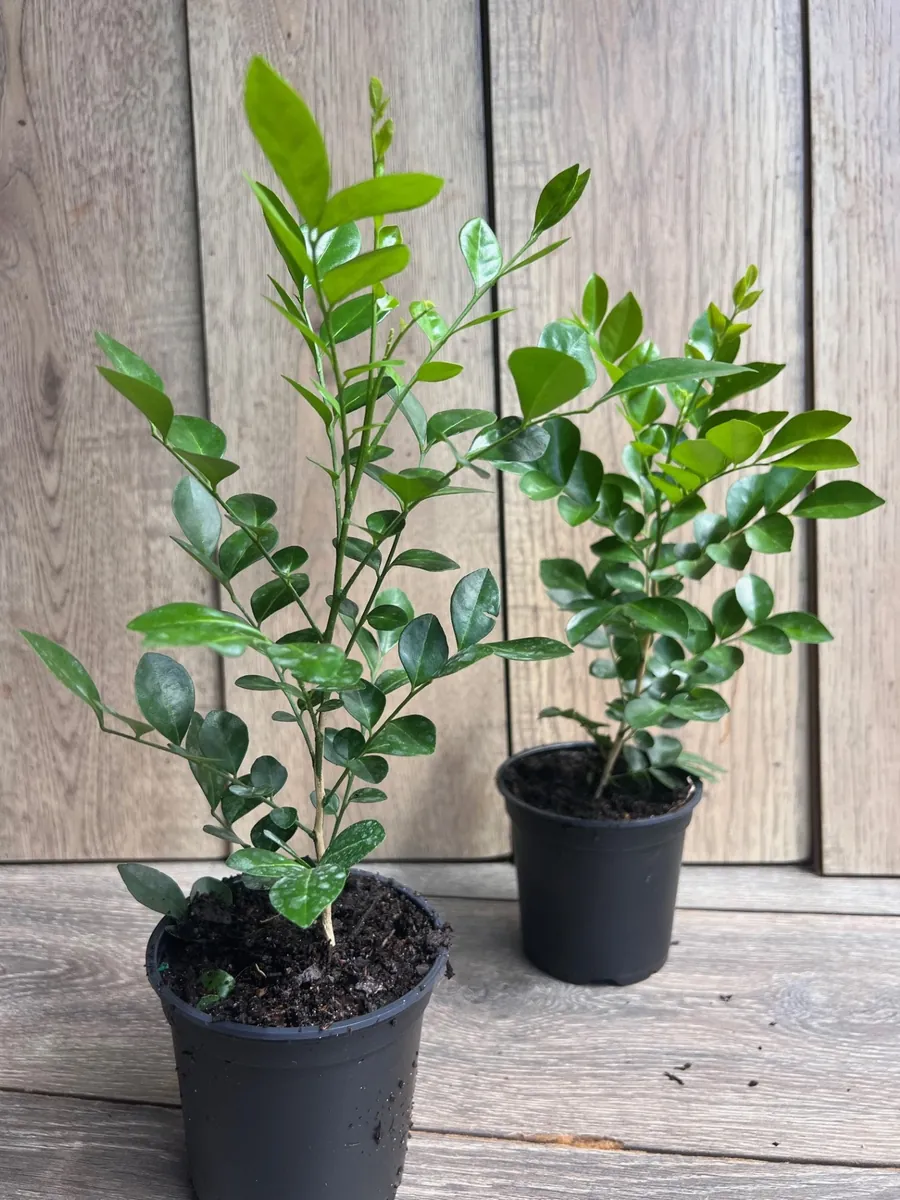
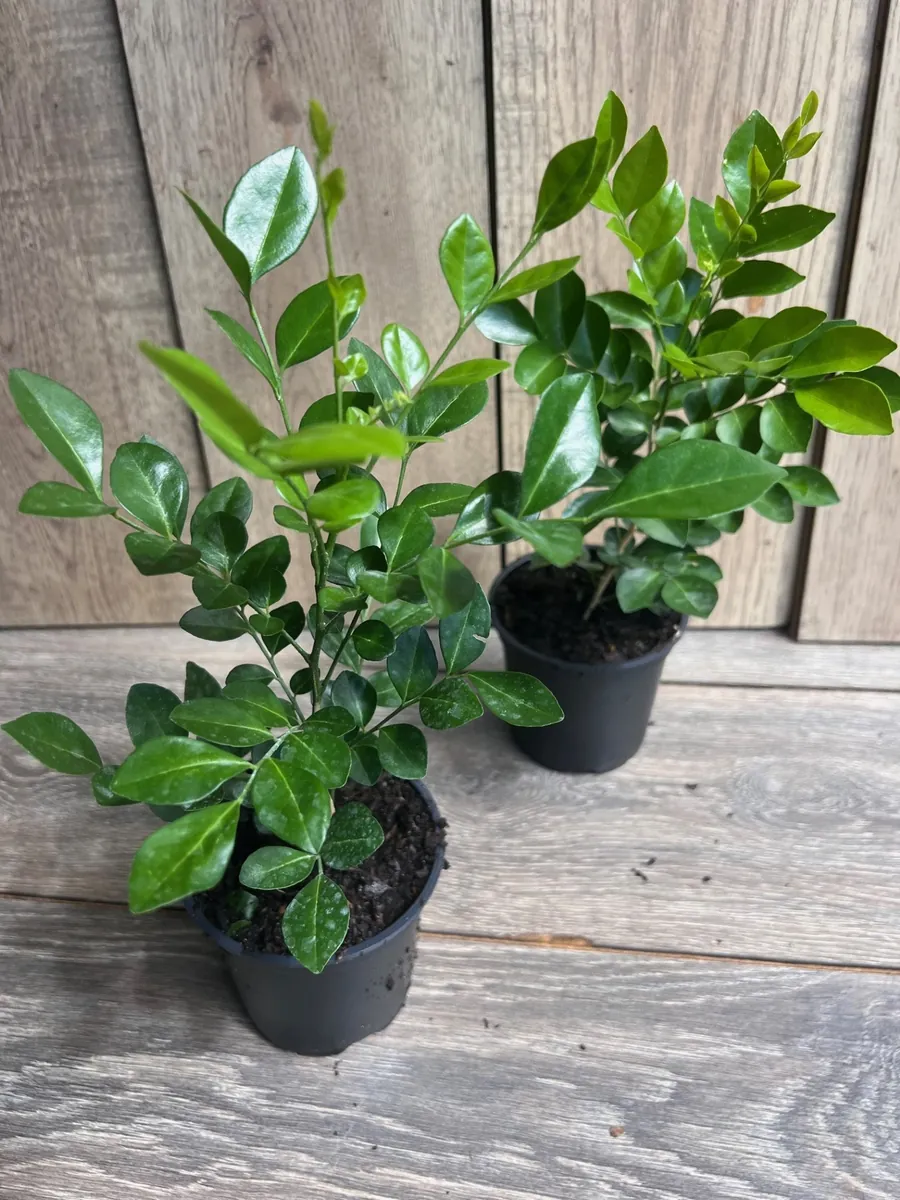
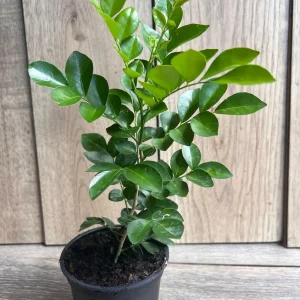
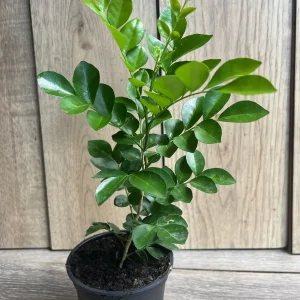
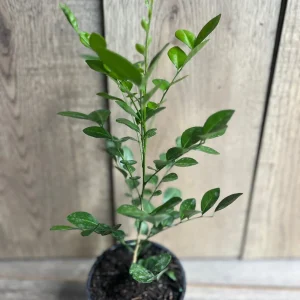
Note : You will receive Orange Jasmine in 4" Pot similar to the pictures
The orange jasmine (Murraya paniculata) is also known as the mock orange jasmine, orange jessamine, chalcas, or satinwood. This lovely tropical evergreen is an upright and rounded, but compact shrub of the Rutaceae family.
Other than making sure that you plant it in suitable conditions, and keeping your orange jasmine watered and fertilized, the element of plant care that requires the most attention is pruning. Orange jasmine can be trained into a small tree and used as a hedge by pruning often when it is young since it grows rapidly.
In areas below USDA plant hardiness zone 10, you should only grow the plant in a container so you can move it outside during the summer and take it back indoors to overwinter.
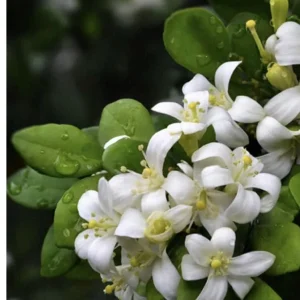
Orange jasmine flowers are wonderfully fragrant and smell like orange blossoms. The flowers tend to smell most strongly in the evenings.
The flowers, which occur in terminal clusters, can be present all year round. Each flower measures about ⅞ inch (2.2cm )across and has 5, or sometimes 4, cream-white petals.
Small fleshy red fruits are produced after flowering, with each berry measuring up to about half an inch (13mm) in size
Light
Orange jasmine plants require protection from hot, direct sunlight. Locate the plant where it receives morning sunlight and afternoon shade, or where it will get
Soil
Plant orange jasmine in well-drained soil that is free of nematodes (roundworms). Well-drained soil is critical, as orange jasmine doesn’t do well in waterlogged soil. If your soil lacks drainage, improve soil conditions by adding organic material such as compost, chopped bark, or leaf mulch. The shrub does best in moderately acidic, neutral, or moderately alkaline soil with a pH between 6.6 and 7.5.
Water
Water orange jasmine plants deeply whenever the top two inches of soil feels dry to the touch. As a general rule, one inch of water per week is about right. However, more frequent irrigation may be needed if you live in a hot climate or if the plant is in a container. Never allow it to stand in muddy soil or water.
Temperature and Humidity
As tropical plants, orange jasmine does best in humidity above 50 percent and must have temperatures above 40 degrees Fahrenheit, as they are not frost-tolerant. The plant can tolerate lower levels of humidity.
Fertilizer
Feed orange jasmine plants once every three to four weeks throughout the growing season (spring through fall), using a fertilizer designed for evergreen plants. Alternatively, if the plant is in a container, apply a balanced, water-soluble fertilizer formulated for evergreen shrubs. For the amount to use, follow the product label instructions.
Related products
-30%
Original price was: $129.98.$90.98Current price is: $90.98.
-30%
Original price was: $79.98.$55.98Current price is: $55.98.
-5%
Original price was: $91.98.$87.38Current price is: $87.38.
-36%
Original price was: $39.00.$25.00Current price is: $25.00.
PLANTING & CARE
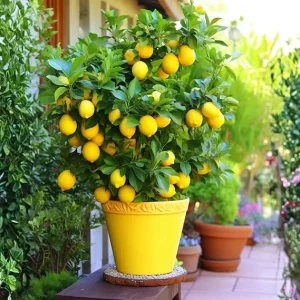
Lemon Tree Growing: Choose, Plant, and Harvest
Learn how to choose, plant, feed, and protect a lemon tree so it fits your
23
Sep
Sep
Dwarf Meyer Lemon Tree Australia: Climate Guide
Learn where dwarf Meyer lemon trees grow, how much cold they tolerate, and whether Australia,
Where to Buy a Dwarf Meyer Lemon Tree: Buyer’s Guide
Find the right dwarf Meyer lemon tree online or locally, compare starter sizes and costs,
Dwarf Meyer Lemon Tree for Sale: Buying Guide
Compare Meyer lemon tree sizes, prices, shipping limits, indoor growing and California options before you
Dwarf Meyer Lemon Tree Guide: Size, Care and Fruit
META: Learn how large a dwarf Meyer lemon tree grows, where it thrives, and how
How to Prune a Dwarf Meyer Lemon Tree
Learn when and how to prune a dwarf Meyer lemon tree, including tools, shaping cuts,
Can You Grow a Dwarf Meyer Lemon Tree in a Pot?
META: Learn how to grow a dwarf Meyer lemon tree in a pot, including container
When Do Dwarf Meyer Lemon Trees Bloom and Fruit?
META: Dwarf Meyer lemon trees usually bloom from winter through spring and may flower again