Orange Milkweed Live Plants – 2 Pack, 3-6″ Tall Asclepias perennis for Pollinators
-50%






Orange Milkweed Live Plants – 2 Pack, 3-6″ Tall Asclepias perennis for Pollinators
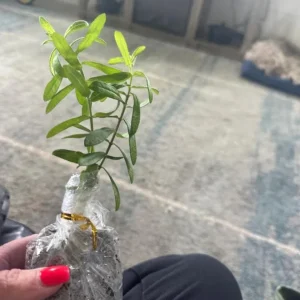
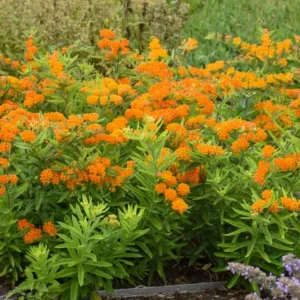
Bring life and color to your garden with this set of two orange milkweed live plant starters. Known for their vibrant flowers, these asclepias perennis care plants are essential for attracting monarch butterflies and other beneficial pollinators, making them a perfect butterfly garden plant. Each plant is 3-6 inches tall and shipped bare root, ready for planting outdoors.
Original price was: $47.58.$23.79Current price is: $23.79.

With our Alive & Thrive Guarantee, we’ve got your back for the first 30 days! If you have any concerns about your plants, just reach out to us. Our team is here to help answer your questions and guide you in selecting the best plants for your garden, climate, and unique preferences. We're excited to help you create the garden of your dreams!
Estimated arrival
Apr 08
Apr 13 - Apr 15
Apr 18 - Apr 22

Product Details
-
USDA Hardiness Zone
USDA Zones 6–9 -
Soil type
Moist, well-drained soils -
Sunlight Exposure
Full sun to partial shade -
Expected Planting Period
Spring to early summer
Overview
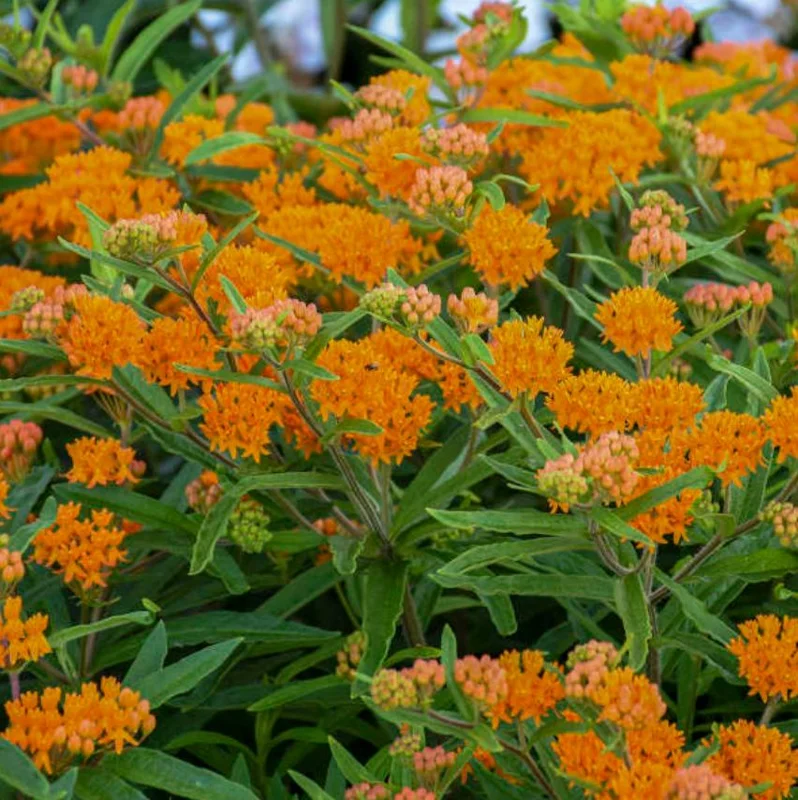
Introduce a splash of vibrant color and ecological value to your garden with our orange milkweed live plant set. This offering includes two healthy starter plants of Asclepias perennis, commonly known as Orange Milkweed or orange swamp milkweed. Admired for its striking orange flowers and lush green foliage, this perennial is not just beautiful but also serves as a crucial food source and habitat for monarch butterfly caterpillars. As a nectar-rich plant, it’s a magnet for various pollinators, making it an indispensable addition to any pollinator-friendly landscape. These young starter plants, approximately 3-6 inches tall, arrive bare root, carefully prepared for successful transplanting into your outdoor garden, container, or specialized butterfly garden plant area.
Key Benefits
Adding orange milkweed live plant to your outdoor space offers a multitude of advantages, from supporting local ecosystems to enhancing your garden’s aesthetic appeal:
- Pollinator Magnet: The vibrant orange flowers are highly attractive to a wide range of pollinators, including bees, hummingbirds, and especially monarch butterflies, making your garden a lively hub of activity.
- Monarch Butterfly Host Plant: This specific variety of milkweed is a vital food source for monarch caterpillars, playing a critical role in the monarch butterfly life cycle and conservation efforts. It’s an essential monarch butterfly host plant.
- Drought-Tolerant: Once established, Orange Milkweed exhibits excellent drought tolerance, requiring less frequent watering and making it a sustainable choice for various climates.
- Low Maintenance: This perennial is known for its non-invasive nature and requires minimal care, making it suitable for both novice and experienced gardeners. Regular asclepias perennis care is straightforward.
- Versatile Landscaping: Ideal for borders, naturalized areas, water gardens, and containers, it adds both beauty and ecological function to diverse garden designs.
- Eco-Friendly Choice: By planting native milkweed, you contribute to local biodiversity and support the health of pollinator populations in your region.
Plant Care & Growing Tips
Caring for your orange milkweed live plant is relatively simple, ensuring a thriving addition to your garden. These plants prefer full sun to partial shade for optimal flowering and growth. Aim for at least 6 hours of direct sunlight daily. When establishing, keep the soil consistently moist, but once mature, Orange Milkweed is notably drought-tolerant, though occasional watering during dry spells will be beneficial. It thrives in moist, well-drained soils, making it suitable for various garden settings, including areas near ponds or streams. Regarding fertilization, it’s generally not required; over-fertilizing can sometimes reduce flower production. Applying an organic mulch around the base helps retain soil moisture and suppress weeds, contributing to easier asclepias perennis care. You can encourage more blooms by deadheading spent flowers. Leaving some seed pods can provide food for wildlife or allow for seed collection for future propagation. This perennial is frost hardy to USDA Zones 6–9. In colder zones, it’s advisable to protect young plants during extreme cold to ensure their survival. Proper spacing of 18–24 inches apart allows for healthy growth and good air circulation, preventing fungal issues. Consider this monarch butterfly host plant for its ease of care and ecological benefits.
Size & Details
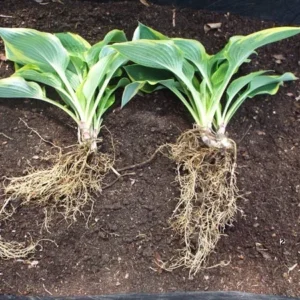
This offering includes a set of two healthy orange milkweed live plant starter plants. Each plant measures approximately 3–6 inches tall at the time of shipment, providing a robust foundation for growth. They are shipped bare root, with the roots carefully wrapped in a soil medium to ensure moisture retention during transit, without a pot. It’s important to note that these are young starter plants and not fully mature flowering plants; photos depicting mature plants illustrate their full growth potential. Blooming typically commences mid-summer and is influenced by the plant’s age, the amount of sunlight it receives, and overall growing conditions. This perennial plant typically reaches a mature height of up to 3 feet. It’s an excellent choice for a butterfly garden plant and can be easily incorporated into containers or garden beds.
Frequently Asked Questions
- Q: How big does this plant get? A: The orange milkweed live plant typically grows up to 3 feet tall at maturity, creating a vibrant focal point in your garden.
- Q: What size pot does it come in? A: These are starter plants shipped bare root, approximately 3-6 inches tall, with their roots wrapped for moisture, not in a pot.
- Q: Is this an indoor or outdoor plant? A: Orange Milkweed is primarily an outdoor perennial plant, thriving in garden beds, borders, and naturalized areas.
- Q: How much sunlight does it need? A: For best flowering, your asclepias perennis care routine should include full sun to partial shade, ideally at least 6 hours of direct sunlight per day.
- Q: Is this plant easy to care for? A: Yes, Orange Milkweed is considered a low-maintenance and non-invasive perennial, making it an excellent choice for gardeners of all experience levels.
- Q: What condition will it arrive in? A: Your plants will arrive as healthy, bare-root starter plants, carefully packaged with roots wrapped to maintain moisture during shipping.
- Q: Is it good for beginners? A: Absolutely! Its drought tolerance and minimal care requirements make it an ideal butterfly garden plant for beginner gardeners.
- Q: How long until it blooms? A: Blooming typically begins mid-summer, depending on the plant’s age, sunlight exposure, and specific growing conditions.
- Q: When is the best time to plant? A: The best time to plant these bare-root starters is typically in spring or early summer, allowing them ample time to establish.
- Q: Will it survive winter in my zone? A: Orange Milkweed is frost hardy to USDA Zones 6–9. In colder zones, young plants may require protection during extreme cold. This monarch butterfly host plant is resilient within its hardiness zones.
Related products
-75%
Original price was: $59.98.$15.00Current price is: $15.00.
-83%
Original price was: $44.97.$7.74Current price is: $7.74.
-81%

Original price was: $68.97.$12.94Current price is: $12.94.
-82%
Original price was: $50.97.$9.04Current price is: $9.04.
-10%
Original price was: $16.99.$15.29Current price is: $15.29.
-20%
Original price was: $98.00.$78.40Current price is: $78.40.
PLANTING & CARE

Growing Glencoe Raspberry: A Complete Guide for Gardeners
If you’re looking to add something unique to your garden, look no further than the
31
Mar
Mar

The Comprehensive Guide to Growing Bay Leaf Plants for a Flavorful Garden
Imagine stepping into your garden, greeted by the earthy aroma of fresh bay leaves, their
09
Feb
Feb

How to Make Comfrey Tea: The Ultimate Organic Plant Food
Growing an organic garden can be surprisingly expensive, especially when most store-bought fertilizers come in
02
Feb
Feb

True Comfrey: 7 Essential Tips Before You Plant This Herb
A staple in permaculture practices across the US, True Comfrey easily earns its reputation as
27
Jan
Jan

7 Heart-Shaped Plants for a Lasting Valentine’s Gift
If you’ve ever bought a bouquet of roses for Valentine’s Day, you know they are
26
Jan
Jan

Best Types of Ivy Plant for Houses: How to Choose the Perfect Ones for Your Home
Are you a garden lover looking to introduce some greenery into your home? Maybe you’ve
14
Nov
Nov

When to Harvest Garlic (Especially Fall-Planted Garlic)
TIMING IS EVERYTHING, they say – and for garlic, that truth hits with surprising accuracy.
13
Nov
Nov

11 of the Best Sweet Potato Varieties to Grow for Your Garden
If you’ve ever tried growing sweet potatoes, you know that picking the right variety can
12
Nov
Nov