Orange Milkweed Live Starter Plant (2-Pack) – 4-8″ Tall – Attracts Monarch Butterflies
-67%
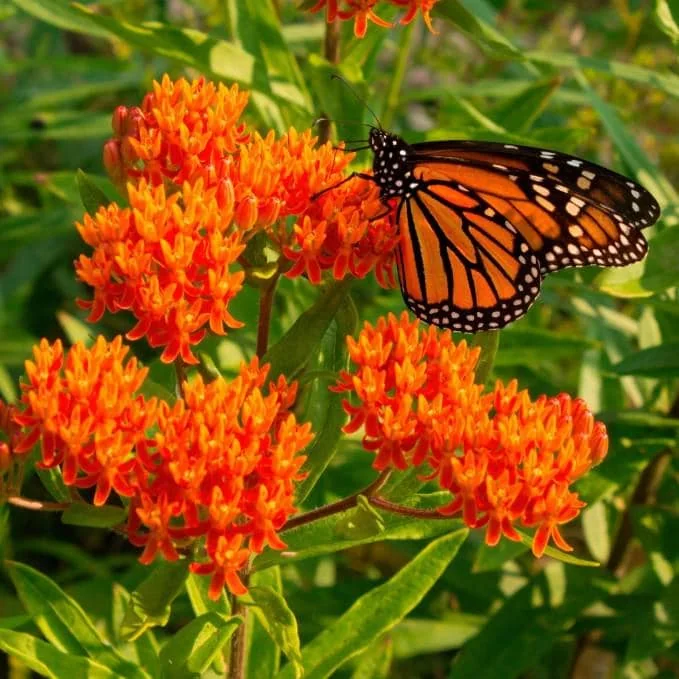
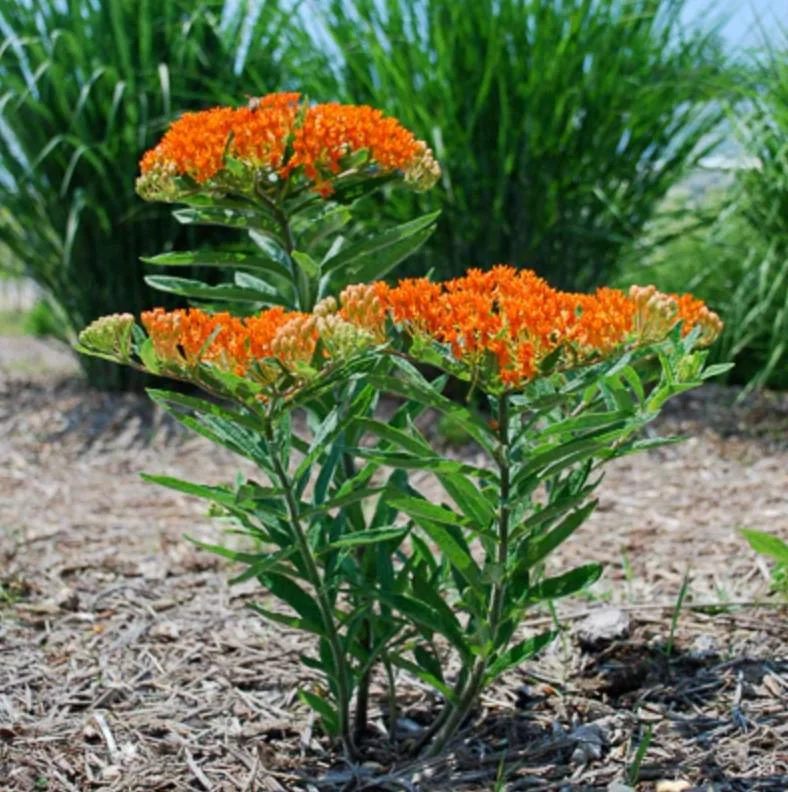
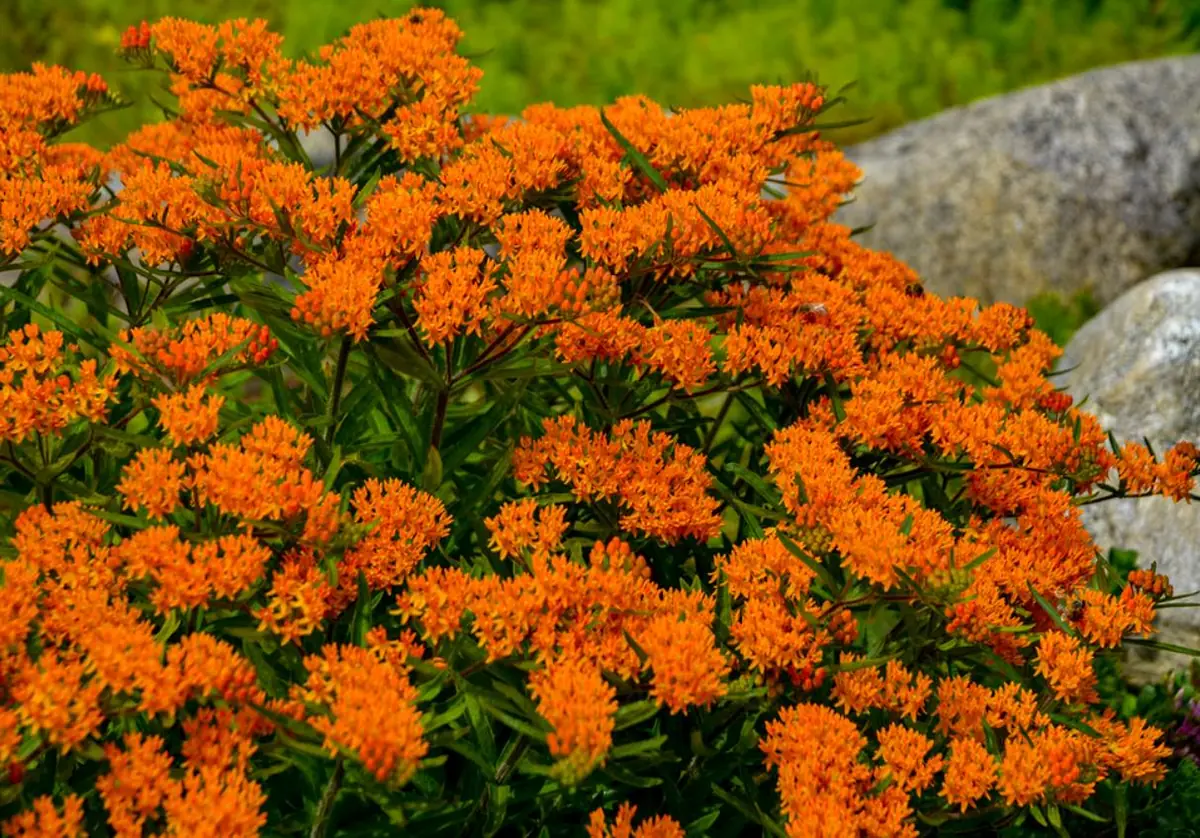
Orange Milkweed Live Starter Plant (2-Pack) – 4-8″ Tall – Attracts Monarch Butterflies
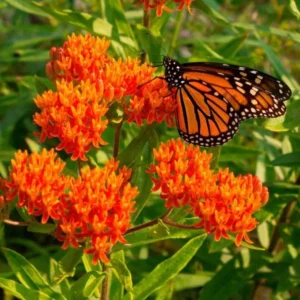
Bring life and color to your garden with this 2-pack of orange milkweed live plant starters. These 4-8 inch tall perennials are essential for attracting monarch butterflies, providing a critical food source and habitat. Easy to grow and beautiful, they thrive in various conditions.
Original price was: $59.97.$19.99Current price is: $19.99.

With our Alive & Thrive Guarantee, we’ve got your back for the first 30 days! If you have any concerns about your plants, just reach out to us. Our team is here to help answer your questions and guide you in selecting the best plants for your garden, climate, and unique preferences. We're excited to help you create the garden of your dreams!
Estimated arrival
Apr 02
Apr 07 - Apr 09
Apr 12 - Apr 16
Product Details
-
USDA Hardiness Zone
USDA zones 3–9 -
Soil type
Well-drained soil; tolerates sandy, loamy, or clay types -
Sunlight Exposure
Full sun (at least 6–8 hours daily) -
Expected Planting Period
Spring or early fall
Overview
Introduce the captivating beauty of nature to your garden with our orange milkweed live plant starter pack. This offering includes two vibrant, young plants, each standing 4-8 inches tall, ready to establish themselves and flourish in your outdoor space. Known scientifically as Asclepias, milkweed varieties are celebrated for their crucial ecological role, particularly as the sole host plant for monarch butterfly caterpillars. Our orange milkweed, often referred to as butterfly weed or swamp milkweed plant, will transform your garden into a bustling haven for pollinators, providing both aesthetic appeal and vital environmental support. These hardy perennials are a must-have for anyone looking to create a thriving native plant landscape or a dedicated monarch butterfly plant habitat.
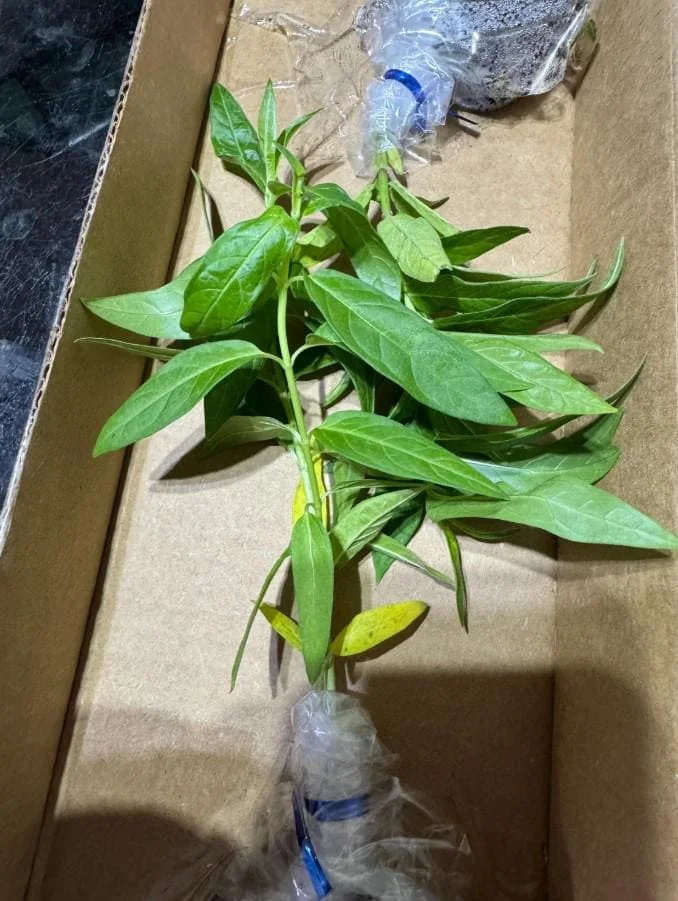
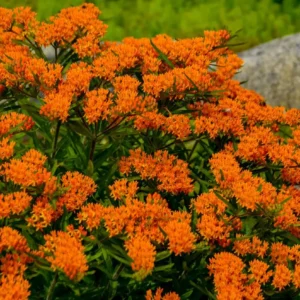
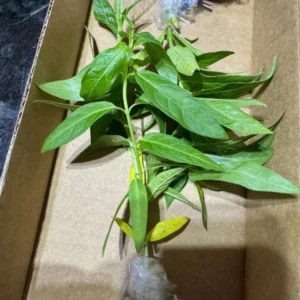
These live starter plants are carefully cultivated to ensure a strong beginning, arriving in a pot ready for transplanting. While the initial photos showcase mature plants, you will receive robust starter plants, eager to grow into their full potential. With their striking orange blooms and ability to attract beneficial insects, these milkweed plants will become a focal point in your garden from spring through fall.
Key Benefits
Adding orange milkweed to your garden offers a multitude of advantages, from supporting wildlife to enhancing your outdoor aesthetics. These plants are not only beautiful but also incredibly beneficial for the ecosystem.
- Attracts Monarch Butterflies: The primary benefit of planting orange milkweed live plant is its vital role as a host plant for monarch butterflies. Female monarchs lay their eggs exclusively on milkweed, and the leaves provide the sole food source for their caterpillars, ensuring the survival of this iconic species.
- Supports Pollinators: Beyond monarchs, the nectar-rich orange flowers attract a wide array of other pollinators, including bees, hummingbirds, and various beneficial insects, contributing to a healthier and more diverse garden ecosystem.
- Drought-Tolerant: Once established, many milkweed species, including the orange variety, are remarkably drought-tolerant, making them a sustainable choice for water-wise gardening.
- Low Maintenance: These hardy perennials require minimal care after establishment, thriving with little intervention, which makes them perfect for busy gardeners or those new to native plants.
- Vibrant Blooms: The bright orange flowers provide a stunning visual display from early summer to fall, adding a splash of cheerful color to any garden or landscape.
- Native to North America: As a native species, milkweed is well-adapted to local climates and soil conditions, promoting biodiversity and ecological balance.
- Erosion Control: Their deep root systems can help stabilize soil, making them useful in areas prone to erosion.
Plant Care & Growing Tips
Caring for your orange milkweed live plant is straightforward, making it an excellent choice for gardeners of all experience levels. These resilient plants are native to North America and are designed to thrive in a range of conditions, especially when given the right start.
Sunlight Requirements: Orange milkweed, often identified as asclepias tuberosa, performs best in full sun, meaning at least 6-8 hours of direct sunlight per day. While some species can tolerate partial shade, abundant sunshine is key for prolific blooming and strong growth. When planting, choose a location in your garden that receives ample sun throughout the day to ensure your plants flourish.
Watering & Soil: Water regularly after planting until the plants are well-established. Once mature, orange milkweed is quite drought-tolerant, especially species like A. tuberosa. Reduce watering frequency, allowing the soil to dry out between waterings. They prefer well-drained soil and can tolerate a variety of soil types, including sandy, loamy, or even clay. An ideal pH range is slightly acidic to neutral (6.0–7.0). Good drainage is crucial to prevent root rot, so avoid overly wet or poorly draining areas. No specific fertilization is typically required for these native plants, as they are adapted to thrive in average soil conditions.
Climate & Planting: These plants are cold-hardy and generally thrive in USDA zones 3–9, depending on the specific cultivar. They are best planted in spring after the last frost or in early fall. When planting multiple plants, ensure a spacing of 18–24 inches apart to allow for mature spread and good airflow, which helps prevent disease. While cold stratification improves germination rates for seeds, these are live starter plants, ready to be transplanted directly into your garden. Monitor for common garden pests, though milkweed is generally robust. If you notice any issues, organic pest control methods are recommended to protect the butterflies and other beneficial insects.
Size & Details
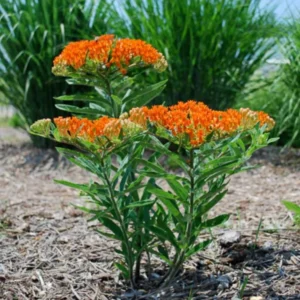
You will receive a set of two orange milkweed live plant starter plants, each measuring approximately 4-8 inches in height. These young plants are shipped in a pot, ensuring their root systems are intact and ready for successful transplanting into your garden. Orange milkweed, or perennial milkweed, typically grows to a mature height of 2-3 feet tall and spreads about 1-2 feet wide, forming a sturdy, upright clump. The growth rate is moderate, with plants establishing well in their first season and producing abundant blooms in subsequent years. Expect vibrant orange flower clusters to appear from early summer through fall, providing a continuous food source for pollinators. These plants are cultivated from a variety of common Asclepias cultivars, ensuring hardiness and adaptability to a wide range of garden environments.
Frequently Asked Questions
- Q: How big will the orange milkweed live plant get? A: Each starter plant is 4-8 inches tall upon arrival. When mature, orange milkweed typically reaches a height of 2-3 feet and spreads 1-2 feet wide, forming an attractive perennial clump.
- Q: Is this an indoor or outdoor plant? A: Orange milkweed is primarily an outdoor plant, best suited for pollinator gardens, butterfly habitats, and native plant landscapes. It thrives in full sun conditions.
- Q: How much sunlight does asclepias tuberosa need? A: For optimal growth and flowering, orange milkweed requires full sun, which means at least 6-8 hours of direct sunlight per day.
- Q: Is this plant easy to care for? A: Yes, once established, orange milkweed is a low-maintenance and drought-tolerant perennial, making it an excellent choice for both beginner and experienced gardeners.
- Q: What condition will the plants arrive in? A: You will receive two healthy swamp milkweed plant starters, each 4-8 inches tall, carefully packed in a single pot to ensure their safe arrival and minimize plastic waste. They are ready for transplanting.
- Q: When is the best time to plant orange milkweed? A: The best time to plant these live starter plants is in the spring after the last frost or in early fall, allowing them time to establish before extreme temperatures.
- Q: Will monarch butterfly plant survive winter in my zone? A: Orange milkweed is a cold-hardy perennial, generally thriving in USDA zones 3–9. It will die back to the ground in winter and regrow from its roots in spring.
- Q: Do these plants attract other pollinators besides monarch butterflies? A: Absolutely! While crucial for monarchs, the nectar-rich flowers of this perennial milkweed also attract a variety of other beneficial pollinators, including bees, hummingbirds, and other butterflies.
- Q: What type of soil does orange milkweed prefer? A: Orange milkweed prefers well-drained soil and can tolerate sandy, loamy, or even clay types. A slightly acidic to neutral pH (6.0–7.0) is ideal.
Related products
-83%
Original price was: $44.97.$7.74Current price is: $7.74.
-83%
Original price was: $44.97.$7.74Current price is: $7.74.
-67%
Original price was: $37.47.$12.49Current price is: $12.49.
-10%
Original price was: $149.99.$134.99Current price is: $134.99.
-65%
Original price was: $37.47.$12.99Current price is: $12.99.
-80%

Original price was: $113.97.$22.69Current price is: $22.69.
PLANTING & CARE
Growing Glencoe Raspberry: A Complete Guide for Gardeners
If you’re looking to add something unique to your garden, look no further than the
31
Mar
Mar

The Comprehensive Guide to Growing Bay Leaf Plants for a Flavorful Garden
Imagine stepping into your garden, greeted by the earthy aroma of fresh bay leaves, their
09
Feb
Feb

How to Make Comfrey Tea: The Ultimate Organic Plant Food
Growing an organic garden can be surprisingly expensive, especially when most store-bought fertilizers come in
02
Feb
Feb

True Comfrey: 7 Essential Tips Before You Plant This Herb
A staple in permaculture practices across the US, True Comfrey easily earns its reputation as
27
Jan
Jan

7 Heart-Shaped Plants for a Lasting Valentine’s Gift
If you’ve ever bought a bouquet of roses for Valentine’s Day, you know they are
26
Jan
Jan

Best Types of Ivy Plant for Houses: How to Choose the Perfect Ones for Your Home
Are you a garden lover looking to introduce some greenery into your home? Maybe you’ve
14
Nov
Nov

When to Harvest Garlic (Especially Fall-Planted Garlic)
TIMING IS EVERYTHING, they say – and for garlic, that truth hits with surprising accuracy.
13
Nov
Nov

11 of the Best Sweet Potato Varieties to Grow for Your Garden
If you’ve ever tried growing sweet potatoes, you know that picking the right variety can
12
Nov
Nov