Orange Trumpet Vine Live Plant 4′ Tall – Attracts Hummingbirds, Outdoor Climber
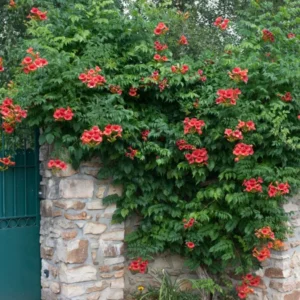
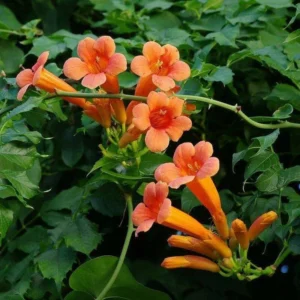
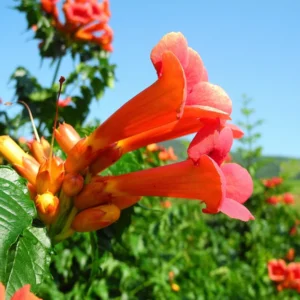
Orange Trumpet Vine Live Plant 4′ Tall – Attracts Hummingbirds, Outdoor Climber
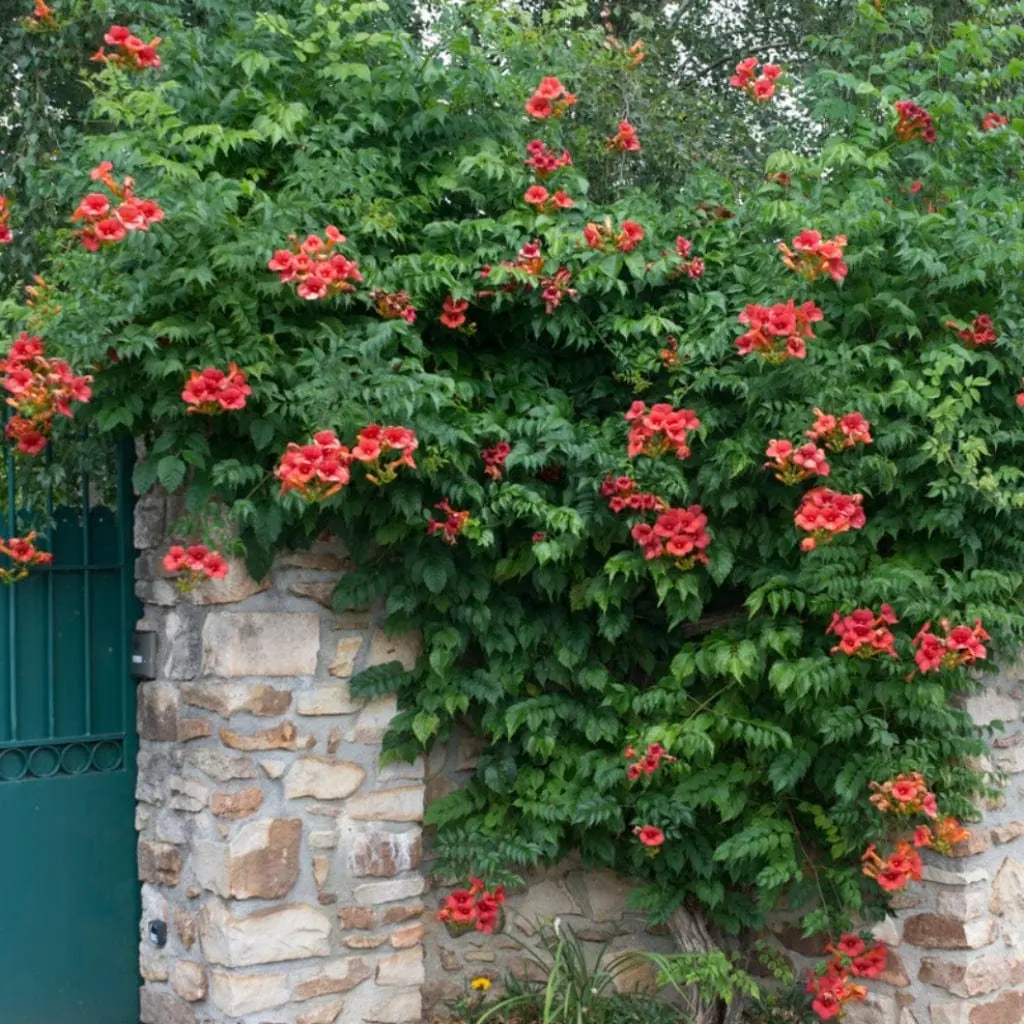
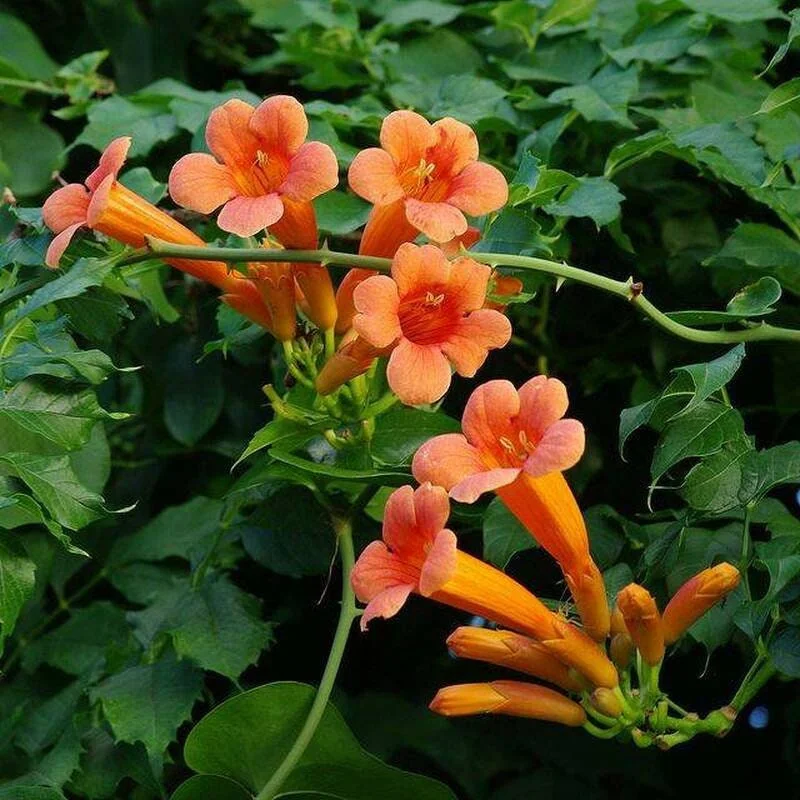
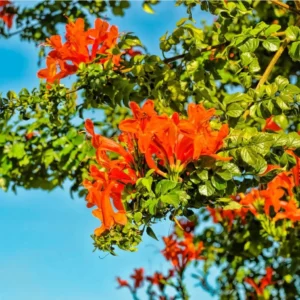
Enhance your garden with a vibrant orange trumpet vine live plant, standing 4 feet tall. This robust climbing vine produces showy, orange to reddish-orange flowers that are a magnet for hummingbirds. Ideal for fences, trellises, or as groundcover, adding a touch of natural beauty and wildlife to your outdoor space.
From $55.00

With our Alive & Thrive Guarantee, we’ve got your back for the first 30 days! If you have any concerns about your plants, just reach out to us. Our team is here to help answer your questions and guide you in selecting the best plants for your garden, climate, and unique preferences. We're excited to help you create the garden of your dreams!
Estimated arrival
Mar 31
Apr 05 - Apr 07
Apr 10 - Apr 14
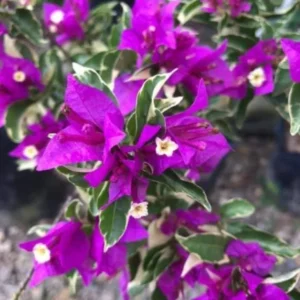
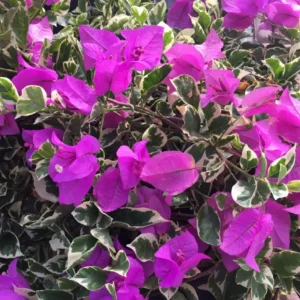
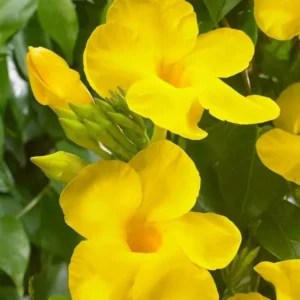
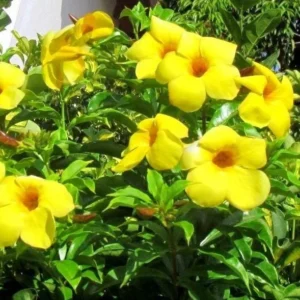
Product Details
-
USDA Hardiness Zone
USDA zones 4-9 -
Soil type
Well-draining soil -
Sunlight Exposure
Full sun -
Expected Planting Period
Spring to early summer
Overview
Introduce a burst of color and a lively buzz to your garden with our magnificent orange trumpet vine live plant. This popular woody climbing vine, scientifically known as Campsis radicans, is celebrated for its striking trumpet-shaped flowers and aggressive growth habit. Originating from eastern North America, this plant is a favorite among gardeners looking to attract pollinators, especially hummingbirds, to their outdoor spaces. Our 4-foot tall specimen arrives ready to establish itself, promising a spectacular display of blooms. The orange trumpet vine live plant is not just a visual delight; it’s an ecological asset, providing nectar for various pollinators throughout the summer. While known for its vigor, strategic placement and maintenance can harness its beauty without letting it dominate your landscape. It’s an excellent choice for creating a natural screen or covering unsightly structures with vibrant foliage and brilliant flowers.
The Trumpet Vine, often affectionately called hummingbird vine, is a deciduous plant that will typically lose its leaves in colder months, preparing for new growth in spring. Its adaptability and resilience make it a rewarding addition for gardeners of all experience levels. The plant’s ability to climb using aerial rootlets allows it to ascend walls, fences, and trellises with ease, transforming vertical spaces into a tapestry of green and orange. Despite its robust nature, understanding its growth patterns and providing appropriate support will ensure it thrives harmoniously within your garden design. This orange trumpet vine live plant is a testament to nature’s beauty and its power to attract and sustain local wildlife.
Key Benefits
The orange trumpet vine live plant offers numerous advantages for any garden, combining aesthetic appeal with ecological benefits and robust growth characteristics:
- Attracts Pollinators: The large, vibrant, trumpet-shaped flowers are an irresistible draw for hummingbirds, bees, and other beneficial pollinators, making your garden a hub of activity and supporting local ecosystems. It’s truly a hummingbird vine magnet.
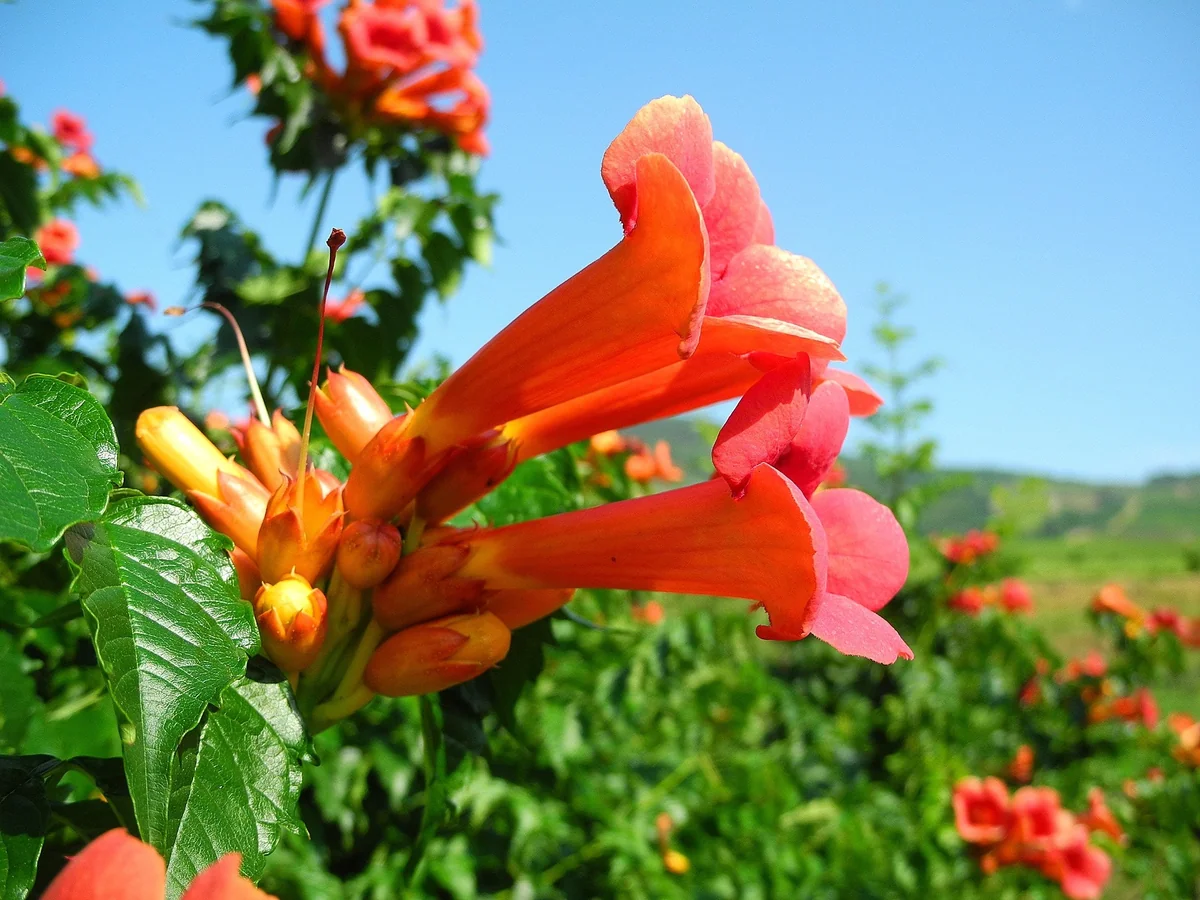
- Stunning Visual Impact: With its showy orange to reddish-orange blooms appearing throughout the summer, this vine provides a spectacular and long-lasting display of color, enhancing the beauty of any landscape.
- Versatile Growth Habit: This climbing vine can be trained to cover arbors, pergolas, fences, and walls, or even used as an effective groundcover, offering flexible solutions for various garden designs.
- Rapid Growth & Coverage: Known for its aggressive growth, the orange trumpet vine live plant quickly establishes itself and provides dense coverage, ideal for privacy screens or disguising unattractive features.
- Drought Tolerant: Once established, trumpet vine care is relatively low-maintenance as it shows good drought tolerance, making it suitable for gardens in areas with less frequent rainfall.
- Erosion Control: Its extensive root system and spreading habit make it an excellent choice for erosion control on slopes or challenging terrains, helping to stabilize soil.
- Low Maintenance: Beyond initial training and occasional pruning to manage its spread, this vine requires minimal fuss, thriving with basic care and attention.
Plant Care & Growing Tips
Caring for your orange trumpet vine live plant is relatively straightforward, though its vigorous nature requires some intentional management. This plant thrives in full sun, meaning it needs at least 6 hours of direct sunlight per day to produce the most abundant blooms. While it can tolerate partial shade, flowering will be less prolific. When planting, choose a location where its climbing habit can be accommodated, such as near a sturdy fence, trellis, or wall. Be mindful that its aerial rootlets, similar to English Ivy, can potentially damage wood, stone, or brick over time, so consider placing it near concrete or an area where its suckers can be easily mowed down to prevent unwanted spread. This proactive approach is key to effective trumpet vine care.
For watering, the Trumpet Vine is fairly drought-tolerant once established. During its first growing season, ensure consistent moisture to help it develop a strong root system. After that, water deeply during prolonged dry spells, but allow the soil to dry out between waterings. It adapts to a wide range of soil types but prefers well-draining soil. Avoid overly rich soil, as this can encourage more foliage growth at the expense of flowers. Fertilization is generally not necessary; if your soil is poor, a balanced, slow-release fertilizer in spring can be applied sparingly. The campis radicans plant is hardy and can withstand various conditions, but protection from extreme winter winds in colder zones might be beneficial for young plants. Pruning is essential for managing this vigorous climber. Prune in late winter or early spring to control its size, remove dead or damaged wood, and encourage more flowering on new growth. This helps maintain a desirable shape and prevents it from becoming overgrown.
Pest and disease issues are generally minimal for the trumpet creeper outdoor plant. Keep an eye out for common garden pests like aphids or spider mites, though they rarely cause significant problems. Good air circulation and appropriate watering practices can help prevent fungal issues. Remember that while the flowers are attractive to hummingbirds, the plant itself should be considered poisonous if ingested, so plant it with care if you have pets or small children who might be tempted to taste it. By following these trumpet vine care guidelines, your plant will establish beautifully and provide years of vibrant color and wildlife attraction.
Size & Details
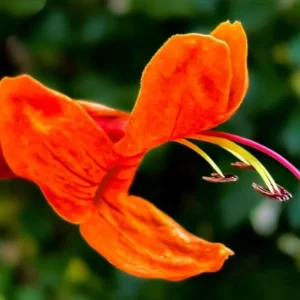
This offering is for one orange trumpet vine live plant, approximately 4 feet in height when shipped, typically grown in a nursery pot. As a fast-growing, deciduous woody vine, it possesses a remarkable ability to reach impressive lengths, often growing up to 35 feet or more, depending on the support structure and growing conditions. The plant is shipped in a dormant or semi-dormant state, especially outside of peak growing season, meaning it may have lost some or all of its leaves, which is natural and healthy for its transport and establishment. The vibrant orange to reddish-orange flowers, which can measure 3-5 inches long, appear clustered at the ends of branches throughout the summer, followed by long seed pods up to 7 inches in length. This aggressive climber uses aerial rootlets to cling to surfaces, and its pinnately compound leaves can grow up to 12 inches long, providing dense foliage.
The campis radicans plant is known for its robust nature and capability to colonize areas effectively. When planted with intention, it can quickly establish itself and become a prominent feature in your garden. It is generally hardy across a broad range of USDA zones, typically thriving in zones 4-9. Expect vigorous growth once the plant has settled into its new environment, with its showy blooms attracting hummingbirds for many seasons to come. The plant’s mature spread can be significant, so adequate space or regular pruning is recommended to manage its size and shape effectively. This trumpet creeper outdoor specimen is ready to be a dynamic addition to your landscape.
Frequently Asked Questions
- Q: How big will my orange trumpet vine live plant get? A: This plant is a vigorous climber and can reach heights of 20-35 feet or more when provided with adequate support. Its spread can also be quite extensive, requiring regular pruning to maintain desired size.
- Q: Is this vine easy to care for, especially for beginners? A: Yes, the Trumpet Vine is considered a relatively low-maintenance plant once established. It’s hardy and tolerant of various conditions, making trumpet vine care manageable for gardeners of all skill levels, though its aggressive growth does require attention.
- Q: How much sunlight does the campis radicans plant need? A: For the best flowering performance, this vine requires full sun, meaning at least 6 hours of direct sunlight per day. It can tolerate partial shade, but flowering may be reduced.
- Q: What condition will the plant arrive in? A: Your 4-foot orange trumpet vine live plant will arrive in a nursery pot. Depending on the season, it may be dormant and have lost its leaves, which is a normal and healthy state for deciduous plants during shipping.
- Q: Will it attract hummingbirds to my garden? A: Absolutely! The trumpet-shaped flowers of this vine are a primary food source for hummingbirds, making it an excellent choice if you’re looking to attract these beautiful birds to your garden. It’s often referred to as a hummingbird vine for this reason.
- Q: When is the best time to plant this trumpet creeper outdoor vine? A: The best time to plant is typically in spring or early summer after the last frost, allowing the plant ample time to establish its root system before winter.
- Q: Is the orange trumpet vine live plant poisonous? A: Yes, all parts of the Trumpet Vine should be considered poisonous if ingested. It’s advisable to plant it in areas where children or pets are unlikely to consume it.
- Q: Can I grow this vine in a container? A: While it’s possible to grow Trumpet Vine in a very large container, its aggressive root system and vigorous growth habit mean it will quickly outgrow most pots and perform best when planted directly in the ground.
- Q: How often should I water my trumpet vine care plant? A: Once established, the Trumpet Vine is fairly drought-tolerant. During its first year, water regularly to keep the soil consistently moist. After that, water deeply during extended dry periods, allowing the soil to dry out between waterings.
- Q: What kind of soil does it prefer? A: This vine is adaptable to a variety of soil types but thrives in well-draining soil. It can tolerate average garden soil and doesn’t require overly rich conditions.
| Trumpet Vine | 1, 2, 3, 4 |
|---|
Related products
-67%
Original price was: $50.97.$16.99Current price is: $16.99.
-60%
Original price was: $28.47.$11.49Current price is: $11.49.
-45%


Original price was: $170.00.$93.50Current price is: $93.50.
-50%

Original price was: $59.00.$29.50Current price is: $29.50.
-30%
Original price was: $39.99.$27.99Current price is: $27.99.
-67%

Original price was: $59.97.$19.99Current price is: $19.99.
-67%
Original price was: $62.22.$20.74Current price is: $20.74.
-67%

Original price was: $59.97.$19.99Current price is: $19.99.
PLANTING & CARE

Growing Glencoe Raspberry: A Complete Guide for Gardeners
If you’re looking to add something unique to your garden, look no further than the
31
Mar
Mar

The Comprehensive Guide to Growing Bay Leaf Plants for a Flavorful Garden
Imagine stepping into your garden, greeted by the earthy aroma of fresh bay leaves, their
09
Feb
Feb

How to Make Comfrey Tea: The Ultimate Organic Plant Food
Growing an organic garden can be surprisingly expensive, especially when most store-bought fertilizers come in
02
Feb
Feb

True Comfrey: 7 Essential Tips Before You Plant This Herb
A staple in permaculture practices across the US, True Comfrey easily earns its reputation as
27
Jan
Jan

7 Heart-Shaped Plants for a Lasting Valentine’s Gift
If you’ve ever bought a bouquet of roses for Valentine’s Day, you know they are
26
Jan
Jan

Best Types of Ivy Plant for Houses: How to Choose the Perfect Ones for Your Home
Are you a garden lover looking to introduce some greenery into your home? Maybe you’ve
14
Nov
Nov

When to Harvest Garlic (Especially Fall-Planted Garlic)
TIMING IS EVERYTHING, they say – and for garlic, that truth hits with surprising accuracy.
13
Nov
Nov

11 of the Best Sweet Potato Varieties to Grow for Your Garden
If you’ve ever tried growing sweet potatoes, you know that picking the right variety can
12
Nov
Nov