Organic Lemongrass Plant Crown Bare Root – West Indian Cymbopogon citratus Culinary Herb
Organic Lemongrass Plant Crown Bare Root – West Indian Cymbopogon citratus Culinary Herb
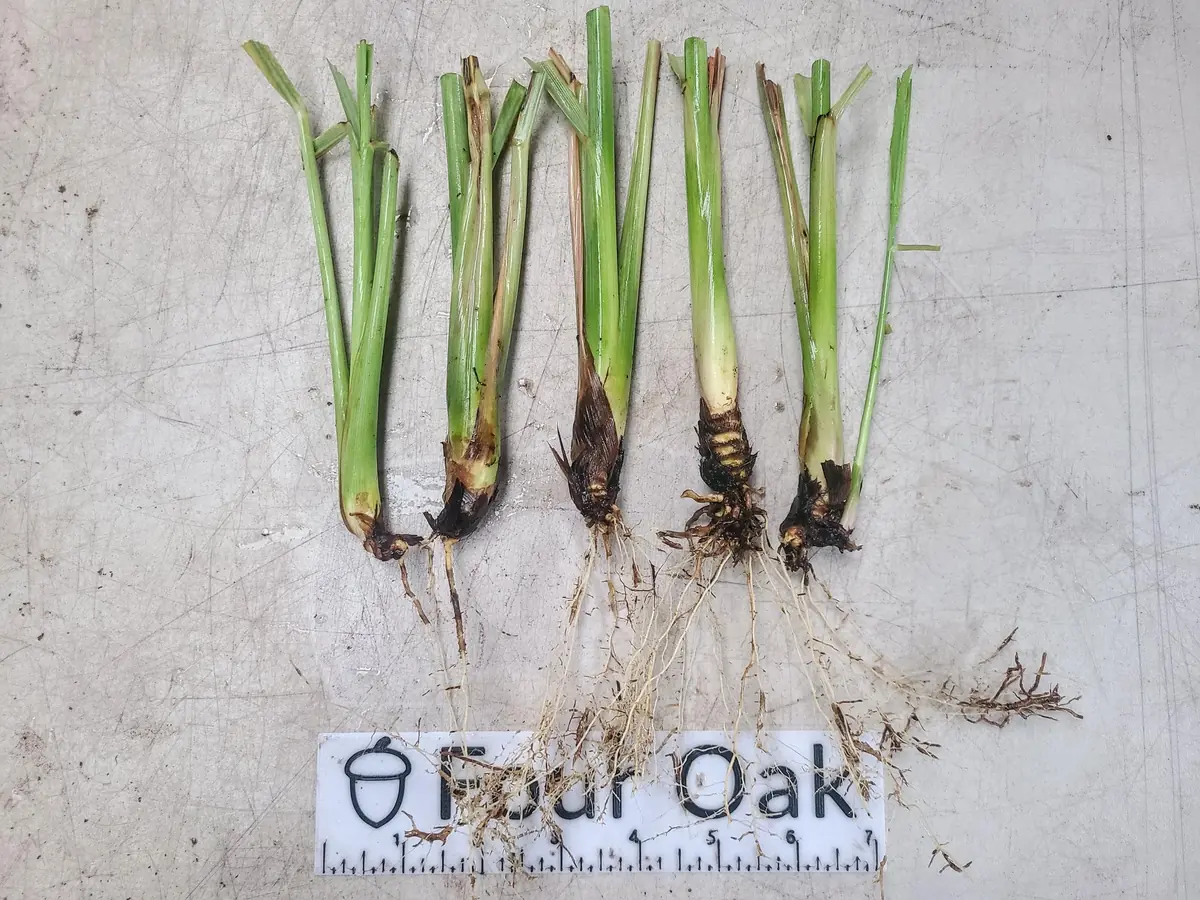
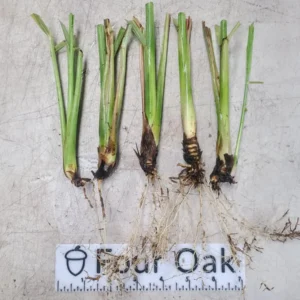
Receive organic lemongrass plant bare root crowns, ready for potting. This versatile culinary herb plant, also known as Cymbopogon citratus, is famously used in Thai and other Asian cuisines. Easy to grow and adds a fresh, citrusy flavor to your dishes.
From $39.56

With our Alive & Thrive Guarantee, we’ve got your back for the first 30 days! If you have any concerns about your plants, just reach out to us. Our team is here to help answer your questions and guide you in selecting the best plants for your garden, climate, and unique preferences. We're excited to help you create the garden of your dreams!
Estimated arrival
Apr 03
Apr 08 - Apr 10
Apr 13 - Apr 17
Product Details
-
USDA Hardiness Zone
USDA zones 9-11 (perennial), Zones 3-8 (annual or overwintered indoors) -
Soil type
Well-draining, rich, fertile soil -
Sunlight Exposure
Full sun (6-8+ hours direct light) -
Expected Planting Period
Spring after last frost
Overview
Cultivate your own aromatic and flavorful herbs with this organic lemongrass plant, provided as bare root crowns. Known scientifically as Cymbopogon citratus, this perennial grass is a staple in many kitchens, particularly in Thai and other Asian cuisines. These healthy bare roots are ready to be potted upon arrival, offering an accessible way to grow fresh, fragrant lemongrass at home. Whether you’re an experienced gardener or just starting, growing your own West Indian lemongrass provides a rewarding experience and a continuous supply of this essential ingredient. Its distinctive citrusy scent and flavor are unparalleled, making it a must-have for culinary enthusiasts.
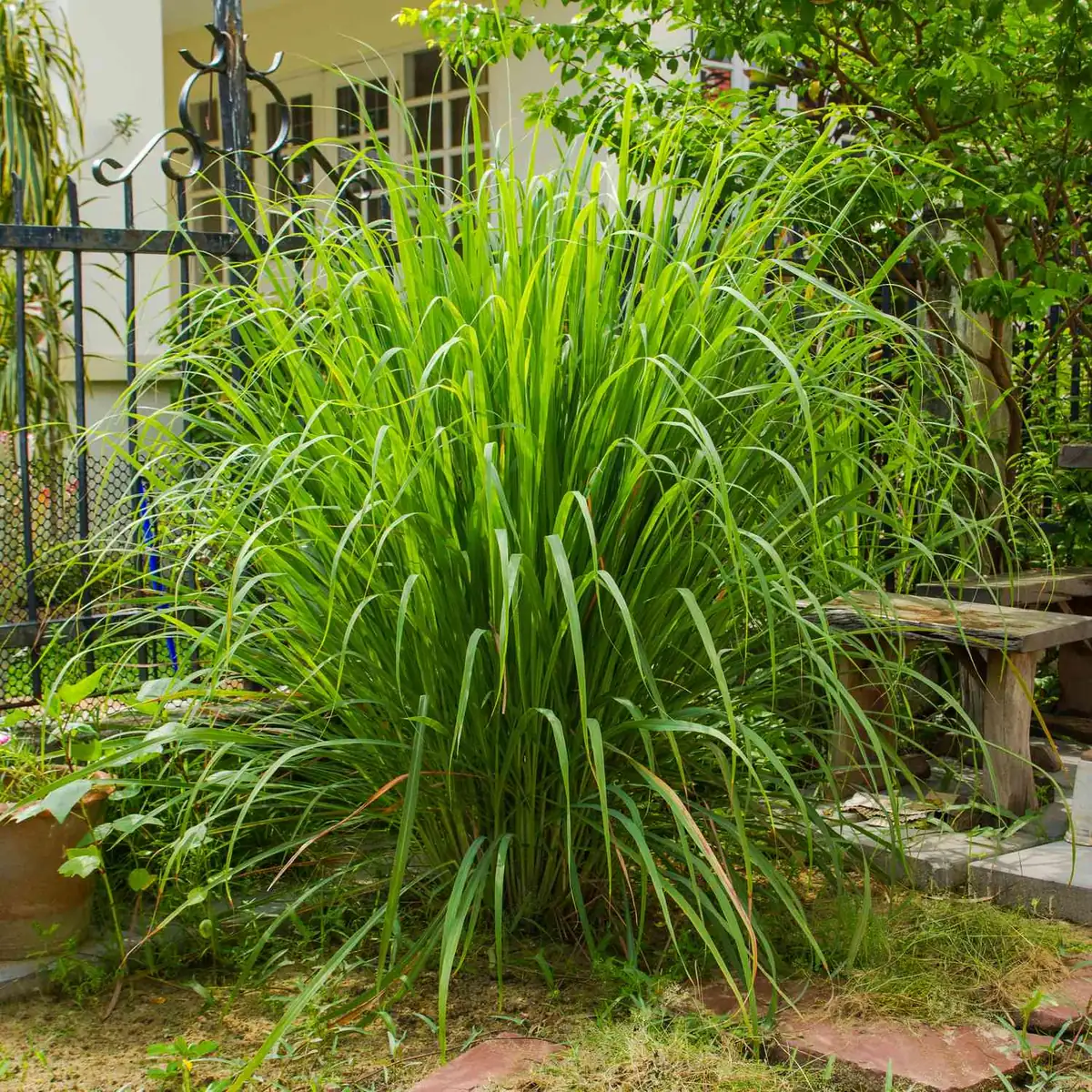
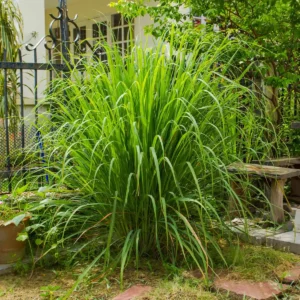
This offering includes vigorous bare root crowns of Cymbopogon citratus, ensuring a strong start for your new plant. Lemongrass is celebrated not only for its culinary applications but also for its ornamental appeal, with its tall, graceful stalks adding a touch of exotic beauty to any garden or container. Growing an organic lemongrass plant means you can enjoy fresh, pesticide-free herbs, enhancing both your cooking and your garden’s aesthetic.
Key Benefits
Growing your own organic lemongrass plant offers a multitude of advantages, from culinary delights to garden aesthetics. Discover the impressive benefits these plants bring:
- Culinary Versatility: The primary benefit of growing Cymbopogon citratus is its extensive use in cooking. It imparts a unique lemony, slightly spicy flavor to soups, curries, teas, and marinades, making it indispensable for authentic Asian dishes.
- Aromatic Appeal: Beyond taste, lemongrass is highly valued for its refreshing citrusy aroma. Crushing the stalks releases a delightful fragrance that can uplift your senses and even act as a natural insect repellent in the garden.
- Easy to Grow: As a bare root offering, these bare root lemongrass crowns are straightforward to plant and establish. They are resilient and, with proper care, will quickly grow into robust plants, suitable even for beginner gardeners.
- Organic & Healthy: By growing your own organic lemongrass plant, you ensure that your harvest is free from pesticides and synthetic fertilizers, providing a healthier and more natural ingredient for your meals and teas.
- Decorative Foliage: The tall, slender, arching leaves of lemongrass create an attractive, grassy texture in garden beds or containers, adding a tropical flair to your outdoor or indoor space. It can serve as an excellent ornamental grass.
- Continuous Harvest: Once established, lemongrass can be harvested continuously throughout the growing season, providing a steady supply of fresh stalks for all your culinary needs. This makes it a highly productive culinary herb plant.
- Traditional Uses: Beyond modern cuisine, West Indian lemongrass has been traditionally used in various cultures for its purported medicinal properties, including aiding digestion and acting as a mild sedative in herbal teas.
Plant Care & Growing Tips
Caring for your organic lemongrass plant from bare root crowns is a rewarding experience that yields fresh, aromatic herbs. Lemongrass (Cymbopogon citratus) thrives in warm climates and prefers specific conditions to flourish. Upon receiving your bare root lemongrass crowns, plant them in well-draining soil in a sunny location. Choose a spot that receives at least 6-8 hours of direct sunlight per day. If growing indoors, place it near a south-facing window or under grow lights.
Lemongrass is a thirsty plant, especially during warm weather. Water regularly to keep the soil consistently moist but never waterlogged. Good drainage is crucial to prevent root rot. For optimal growth, enrich your soil with compost or a balanced organic fertilizer. In colder regions, treat lemongrass as an annual or bring it indoors before the first frost. It can be grown in containers, which allows for easy relocation. Overwintering indoors typically involves reducing watering and providing a bright, cool spot. Watch out for common pests like spider mites, especially in dry indoor environments; regular misting can help.
The ideal temperature range for West Indian lemongrass is between 68-95°F (20-35°C). While it can tolerate brief dips, prolonged exposure to temperatures below 40°F (4°C) can be detrimental. In USDA zones 9 and above, it can often be grown as a perennial outdoors. For zones 8 and below, container growing is recommended so it can be moved indoors during winter. Ensuring adequate warmth and consistent moisture will lead to a robust and productive culinary herb plant.
Size & Details
This offering includes bare root crowns of Cymbopogon citratus, specifically the organic lemongrass plant variety. Each crown is a healthy section of the plant’s base, carefully prepared for planting, with visible roots ready to establish quickly. Upon planting, these crowns will begin to sprout new foliage. Lemongrass typically grows into a clump forming grass, reaching heights of 3 to 5 feet (90-150 cm) and a spread of 2 to 3 feet (60-90 cm) in a single growing season under ideal conditions.
The plant has a moderate to fast growth rate, especially in warm, sunny environments with consistent moisture. It is generally harvested for its lower stalk, which is the most flavorful part. While it doesn’t produce showy flowers, its tall, graceful foliage provides an attractive architectural element. These bare root lemongrass crowns are an efficient way to start your own supply of this popular culinary herb plant, allowing you to enjoy fresh harvests within a few months of planting.
Frequently Asked Questions
- Q: How big does this plant get? A: An organic lemongrass plant can typically grow 3 to 5 feet tall and 2 to 3 feet wide in a single growing season under optimal conditions, forming a dense clump of grassy foliage.
- Q: Is this an indoor or outdoor plant? A: While Cymbopogon citratus thrives outdoors in warm climates (USDA zones 9+), it can also be grown indoors in containers, especially in colder regions, as a beautiful and fragrant houseplant.
- Q: How much sunlight does it need? A: Lemongrass requires full sun, meaning at least 6-8 hours of direct sunlight daily, to grow vigorously and produce the most flavorful stalks.
- Q: Is this plant easy to care for? A: Yes, bare root lemongrass is relatively easy to care for. It primarily needs consistent warmth, ample sunlight, and regular watering to keep the soil moist but not waterlogged.
- Q: Can I use this lemongrass in cooking? A: Absolutely! This organic lemongrass plant is the same variety (West Indian lemongrass) famously used in Thai, Vietnamese, and other Asian cuisines for its distinct citrusy flavor in soups, curries, and teas.
- Q: What condition will it arrive in? A: You will receive healthy bare root crowns, which are dormant root sections without soil or foliage, perfectly prepared for planting and quick establishment.
- Q: When is the best time to plant bare root lemongrass? A: The best time to plant bare root lemongrass is in spring after the last frost, when soil temperatures have warmed up, to give it a full growing season.
- Q: What type of soil does it prefer? A: Lemongrass prefers rich, fertile, well-draining soil. Amending your soil with compost before planting will provide essential nutrients and improve drainage.
- Q: How often should I water my lemongrass? A: Water your culinary herb plant regularly to keep the soil consistently moist, especially during hot, dry periods. Reduce watering in cooler months or if grown indoors.
- Q: Will it survive winter in my zone? A: In USDA zones 9 and above, lemongrass can often be a perennial. In colder zones, it must be brought indoors or treated as an annual, as it is not frost-tolerant.
| Number of bare root plants | 1 Bare-Root Plant, 2 Bare-Root Plants |
|---|
Related products
-10%
Original price was: $23.99.$21.59Current price is: $21.59.
-30%
Original price was: $59.98.$41.98Current price is: $41.98.
-48%
Original price was: $39.99.$20.99Current price is: $20.99.
-67%
Original price was: $75.72.$25.24Current price is: $25.24.
-10%
Original price was: $65.00.$58.50Current price is: $58.50.
-50%
Original price was: $15.96.$7.98Current price is: $7.98.
-30%
Original price was: $59.98.$41.98Current price is: $41.98.
-20%
Original price was: $35.00.$28.00Current price is: $28.00.
PLANTING & CARE
Growing Glencoe Raspberry: A Complete Guide for Gardeners
If you’re looking to add something unique to your garden, look no further than the
31
Mar
Mar

The Comprehensive Guide to Growing Bay Leaf Plants for a Flavorful Garden
Imagine stepping into your garden, greeted by the earthy aroma of fresh bay leaves, their
09
Feb
Feb

How to Make Comfrey Tea: The Ultimate Organic Plant Food
Growing an organic garden can be surprisingly expensive, especially when most store-bought fertilizers come in
02
Feb
Feb

True Comfrey: 7 Essential Tips Before You Plant This Herb
A staple in permaculture practices across the US, True Comfrey easily earns its reputation as
27
Jan
Jan

7 Heart-Shaped Plants for a Lasting Valentine’s Gift
If you’ve ever bought a bouquet of roses for Valentine’s Day, you know they are
26
Jan
Jan

Best Types of Ivy Plant for Houses: How to Choose the Perfect Ones for Your Home
Are you a garden lover looking to introduce some greenery into your home? Maybe you’ve
14
Nov
Nov

When to Harvest Garlic (Especially Fall-Planted Garlic)
TIMING IS EVERYTHING, they say – and for garlic, that truth hits with surprising accuracy.
13
Nov
Nov

11 of the Best Sweet Potato Varieties to Grow for Your Garden
If you’ve ever tried growing sweet potatoes, you know that picking the right variety can
12
Nov
Nov