Organic Luffa Gourd Seeds – Loofah Sponge Seeds – Non-GMO Vegetable Seeds for Outdoor Growing

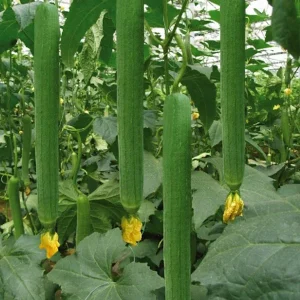


Organic Luffa Gourd Seeds – Loofah Sponge Seeds – Non-GMO Vegetable Seeds for Outdoor Growing
Cultivate your own natural bath and kitchen sponges with these luffa gourd seeds. These organic vegetable seeds produce vigorous vines, perfect for outdoor growing in warm climates, offering a sustainable alternative for household sponges.
From $11.40

With our Alive & Thrive Guarantee, we’ve got your back for the first 30 days! If you have any concerns about your plants, just reach out to us. Our team is here to help answer your questions and guide you in selecting the best plants for your garden, climate, and unique preferences. We're excited to help you create the garden of your dreams!
Estimated arrival
Mar 31
Apr 05 - Apr 07
Apr 10 - Apr 14
Product Details
-
USDA Hardiness Zone
8 (10 to 20 °F) and warmer -
Soil type
Loam, Peat, Sand; well-draining soil -
Sunlight Exposure
Full Sun -
Expected Planting Period
Spring, Summer (after last frost)
Overview
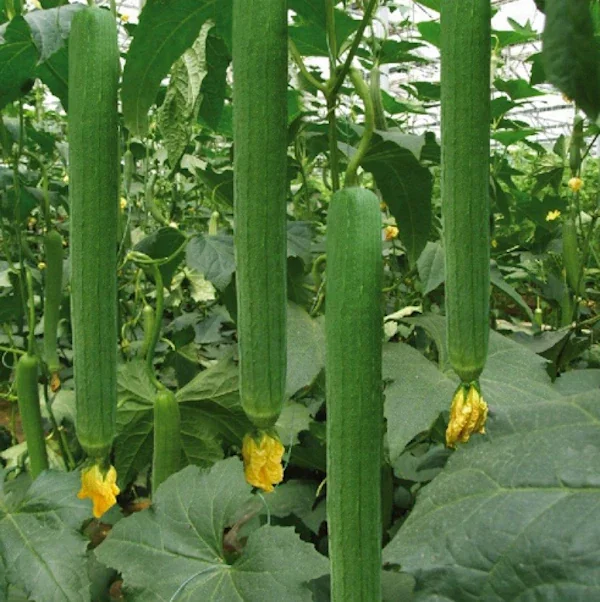
Embark on a rewarding gardening journey with our premium luffa gourd seeds. These exceptional seeds allow you to cultivate the versatile Luffa aegyptiaca plant, renowned for its edible young gourds and, more famously, for the fibrous sponges produced by its mature fruit. Imagine harvesting your very own natural loofah sponges, a sustainable and eco-friendly alternative to synthetic options. Our luffa gourd seeds are carefully selected for viability and freshness, ensuring a strong start for your garden. The plant is a vigorous climbing vine, producing abundant green gourds that can reach impressive lengths. Whether you’re a seasoned gardener or just starting, growing these gourds offers both a practical harvest and an interesting botanical experience.
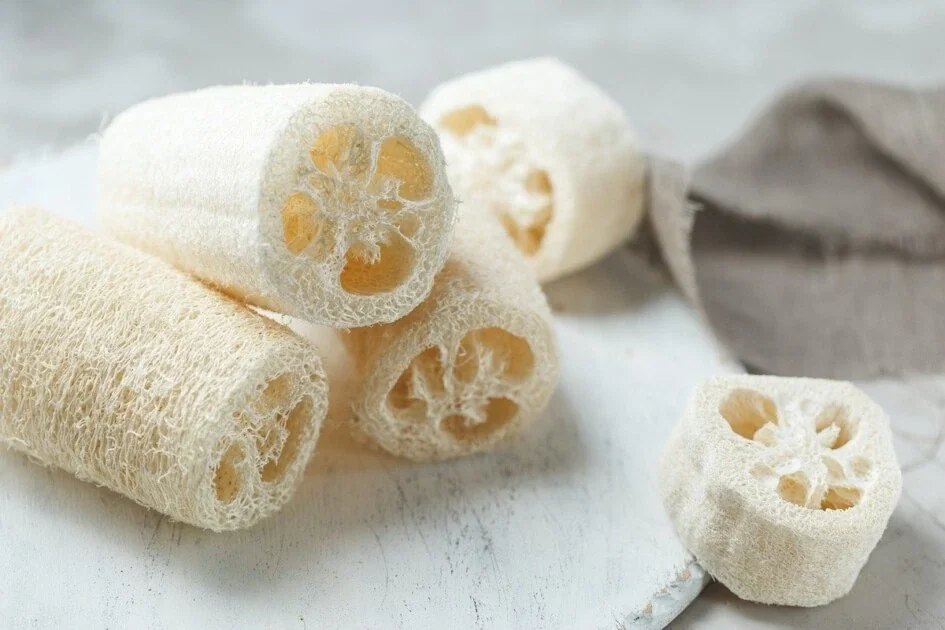
Known by various names such as ‘Loofah Sponge Gourd’ or ‘Dishcloth Gourd’, this plant (Species: Gourd luffa loofah aegyptiaca cylindra cylindrica) is a true marvel of nature. The young fruits are a popular ingredient in many Asian cuisines, offering a mild, slightly sweet flavor. However, it’s the mature, dried fruit that truly stands out, transforming into the beloved natural scrubbing tool. These organic vegetable seeds are non-GMO, providing you with a pure and natural product from planting to harvest. Get ready to transform your garden into a source of both culinary delight and practical household items with these incredible seeds.
Key Benefits
Growing your own luffa gourds from luffa gourd seeds offers a multitude of benefits, both for your garden and your lifestyle. Here are some compelling reasons to add these unique seeds to your planting list:
- Sustainable Sponge Production: Cultivate your own natural, biodegradable loofah sponges for bathing, dishwashing, and household cleaning, reducing reliance on plastic and synthetic alternatives. This is a fantastic way to embrace a more eco-conscious lifestyle.
- Organic and Non-GMO: Our luffa gourd seeds are organic and non-GMO, ensuring you grow healthy, natural plants free from genetic modification, providing peace of mind about what you’re cultivating.
- Edible Young Gourds: Harvest the young luffa gourds for culinary use. They have a delicate flavor and can be stir-fried, added to soups, or prepared like zucchini, offering a unique addition to your home-grown produce.
- Vigorous Growth and Abundant Harvest: These vines are known for their fast-growing nature and prolific fruit production, meaning a single planting of loofah sponge seeds can yield a generous supply of gourds for various uses.
- Beautiful Garden Addition: The lush foliage and interesting gourds make the luffa vine an attractive addition to trellises, fences, or arbors, providing both aesthetic appeal and practical benefits.
- Educational for All Ages: Growing luffa gourds is a fascinating project for families and children, offering a hands-on lesson in botany, sustainability, and the origins of everyday items.
- Drought-Tolerant Once Established: While they appreciate consistent moisture, mature luffa plants can exhibit some drought tolerance, making them relatively resilient once established in your garden.
Plant Care & Growing Tips
Successfully growing luffa gourds from luffa gourd seeds requires attention to specific conditions to ensure a bountiful harvest. Luffa vines are warm-season plants that thrive in conditions similar to cucumbers or melons. They require a long growing season, typically 150-200 frost-free days, making them ideal for sub-tropical and tropical climates, or areas with long, hot summers. For cooler climates, starting seeds indoors 4-6 weeks before the last frost is highly recommended to give them a head start.
Sunlight requirements: Luffa plants demand full sun, meaning at least 6-8 hours of direct sunlight per day. Choose a south-facing location in your garden that receives ample sun throughout the day. Providing a sturdy trellis, fence, or arbor is crucial, as these vigorous vines can grow quite long and heavy with fruit. Vertical growth not only saves space but also helps promote air circulation and keeps the gourds off the ground, preventing rot and encouraging straight growth. The ideal USDA Hardiness Zone for consistent outdoor growth is 8 (10 to 20 °F) and warmer, though they can be grown as annuals in colder zones with proper care and timing.
Watering and Soil: Luffa gourds prefer consistently moist, but not waterlogged, soil. Water deeply and regularly, especially during dry spells and when the plants are flowering and fruiting. Light watering is generally sufficient once established, but watch for signs of wilting. The best soil type is a rich, well-draining loam, amended with plenty of organic matter. A neutral soil pH is ideal. Fertilize with a balanced organic fertilizer every few weeks once the vines start to flower to support their rapid growth and fruit development. Watch out for common garden pests, and address them with organic pest control methods to keep your organic vegetable seeds growing strong. Proper care will help you successfully grow your own loofah sponges.
Size & Details
Our luffa gourd seeds are sourced from fresh, new season crops, ensuring high germination rates. Each packet contains a quantity of seeds (e.g., 12 or 20 seeds, depending on selection), providing ample opportunity for a successful harvest. These are loofah sponge seeds of the Luffa aegyptiaca species, known for producing cylindrical gourds. The vines are fast-growing and can reach lengths of 10-20 feet or more, requiring significant vertical support. The gourds themselves can grow to be 1-2 feet long when mature, ideal for natural sponge production. Young gourds for eating can be harvested when they are 4-8 inches long and tender. The plants are evergreen in tropical climates but are typically grown as annuals in temperate zones, completing their life cycle within one growing season. Expect to see fruit development within 90-120 days after germination, with sponges ready for harvest after the gourds have fully matured and dried on the vine.
Frequently Asked Questions
- Q: How many luffa gourd seeds come in a packet? A: The quantity of seeds varies per selection, typically offered in packets of 12 or 20 seeds. Please choose your desired quantity at the time of purchase to ensure you have enough for your garden.
- Q: Is this an indoor or outdoor plant? A: Luffa gourds are primarily outdoor plants due to their vigorous vining habit and need for full sun. They can be started indoors in cooler climates to extend the growing season but must be transplanted outdoors after the last frost.
- Q: How much sunlight do loofah sponge seeds need to grow? A: Luffa vines require full sun, meaning at least 6-8 hours of direct sunlight daily, especially in a south-facing location. Adequate sunlight is crucial for fruit development.
- Q: Is this plant easy to care for? A: While they require a long growing season and consistent watering, luffa gourds are relatively straightforward to grow for gardeners in warm climates. Providing strong support for the vines is the most critical aspect of care.
- Q: What condition will the luffa gourd seeds arrive in? A: Your seeds will arrive fresh for the new season, ensuring optimal viability. They are carefully packaged to maintain their quality during transit.
- Q: Can I use these gourds for eating? A: Yes, the young luffa gourds (typically 4-8 inches long) are edible and delicious when cooked. They are a common ingredient in many Asian dishes and can be prepared similarly to zucchini.
- Q: When is the best time to plant these organic vegetable seeds? A: Plant these seeds directly outdoors after all danger of frost has passed and soil temperatures have warmed. In cooler regions, start seeds indoors 4-6 weeks before the last expected frost date.
- Q: Will these luffa plants survive winter in my zone? A: Luffa gourds are annuals in most temperate climates and will not survive winter frost. They are best grown in USDA zones 8 and above, or as annuals that are replanted each spring.
- Q: What type of soil is best for growing luffa aegyptiaca seeds? A: Luffa thrives in rich, well-draining loamy soil with a neutral pH. Amending your garden soil with compost or other organic matter will greatly benefit growth and yield.
- Q: How do I grow your own loofah sponges from these seeds? A: Allow the gourds to mature fully on the vine, turning yellow or brown and feeling light. Once dry, peel the skin, remove the seeds, and rinse the fibrous interior to reveal your natural loofah sponge.
| Luffa Gourd Seeds - Hột Mướp | 12 Seeds, 20 Seeds |
|---|
Related products
-48%
Original price was: $28.99.$14.99Current price is: $14.99.
-50%
Original price was: $17.00.$8.50Current price is: $8.50.
-48%
Original price was: $28.99.$14.99Current price is: $14.99.
-50%

Original price was: $15.00.$7.50Current price is: $7.50.
-48%
Original price was: $28.99.$14.99Current price is: $14.99.
-50%

Original price was: $15.96.$7.98Current price is: $7.98.
PLANTING & CARE

Growing Glencoe Raspberry: A Complete Guide for Gardeners
If you’re looking to add something unique to your garden, look no further than the
31
Mar
Mar

The Comprehensive Guide to Growing Bay Leaf Plants for a Flavorful Garden
Imagine stepping into your garden, greeted by the earthy aroma of fresh bay leaves, their
09
Feb
Feb

How to Make Comfrey Tea: The Ultimate Organic Plant Food
Growing an organic garden can be surprisingly expensive, especially when most store-bought fertilizers come in
02
Feb
Feb

True Comfrey: 7 Essential Tips Before You Plant This Herb
A staple in permaculture practices across the US, True Comfrey easily earns its reputation as
27
Jan
Jan

7 Heart-Shaped Plants for a Lasting Valentine’s Gift
If you’ve ever bought a bouquet of roses for Valentine’s Day, you know they are
26
Jan
Jan

Best Types of Ivy Plant for Houses: How to Choose the Perfect Ones for Your Home
Are you a garden lover looking to introduce some greenery into your home? Maybe you’ve
14
Nov
Nov

When to Harvest Garlic (Especially Fall-Planted Garlic)
TIMING IS EVERYTHING, they say – and for garlic, that truth hits with surprising accuracy.
13
Nov
Nov

11 of the Best Sweet Potato Varieties to Grow for Your Garden
If you’ve ever tried growing sweet potatoes, you know that picking the right variety can
12
Nov
Nov