Organic Mary Washington Asparagus Seeds – 100+ Count – Vegetable Garden
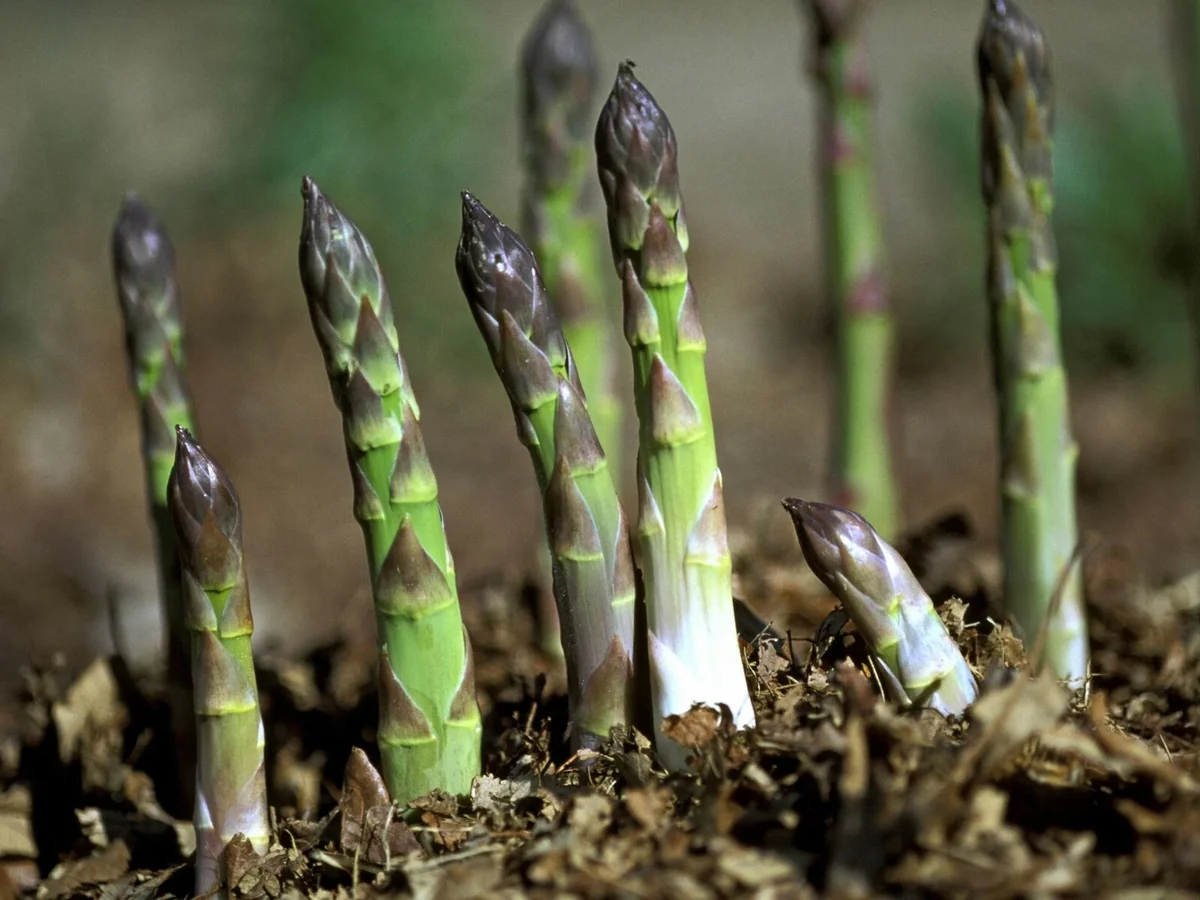

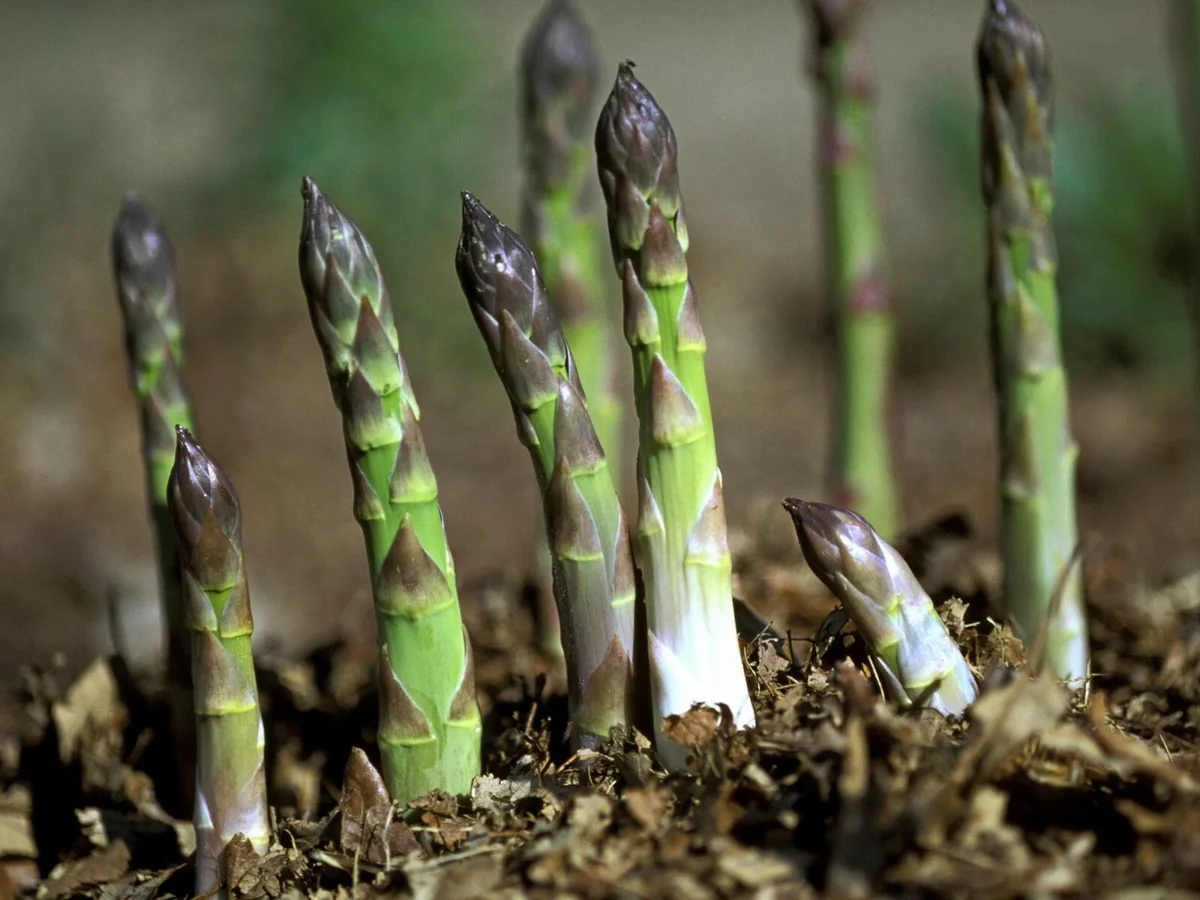
Organic Mary Washington Asparagus Seeds – 100+ Count – Vegetable Garden
Cultivate a bountiful harvest with Mary Washington asparagus seeds. These organic asparagus seeds are perfect for establishing a long-lasting, productive patch of this classic perennial vegetable in your garden.
From $3.96

With our Alive & Thrive Guarantee, we’ve got your back for the first 30 days! If you have any concerns about your plants, just reach out to us. Our team is here to help answer your questions and guide you in selecting the best plants for your garden, climate, and unique preferences. We're excited to help you create the garden of your dreams!
Estimated arrival
Mar 31
Apr 05 - Apr 07
Apr 10 - Apr 14


Product Details
-
USDA Hardiness Zone
USDA zones 3-8 -
Soil type
Well-draining, sandy loam soil -
Sunlight Exposure
Full sun -
Expected Planting Period
Spring to early summer
Overview
Embark on a rewarding gardening journey with our premium Mary Washington asparagus seeds. This beloved heirloom variety is renowned for its tender, flavorful spears and robust growth, making it a top choice for home gardeners and commercial growers alike. Asparagus is a perennial vegetable, meaning once established, it will return year after year, providing delicious harvests for decades. Our organic asparagus seeds ensure you’re starting with the purest genetic material, free from synthetic pesticides and fertilizers, aligning with sustainable gardening practices. The Mary Washington variety is particularly appreciated for its excellent yield and resistance to rust, a common asparagus disease, promising a more successful and less problematic growing experience. Imagine the satisfaction of harvesting your own fresh, green asparagus spears right from your backyard, a true culinary delight that elevates any meal. These seeds offer a cost-effective and deeply satisfying way to create a permanent and productive part of your vegetable patch.
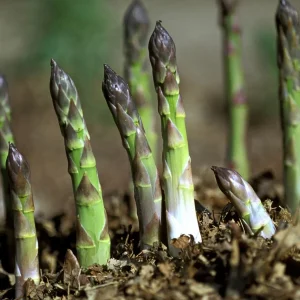
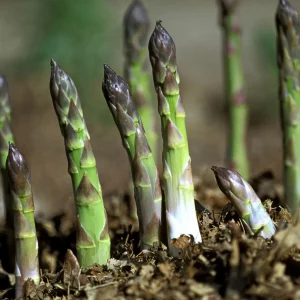
Known for its thick, straight, green spears, the Mary Washington asparagus seeds produce a classic American favorite. This variety is an excellent choice for those looking to establish a long-term asparagus bed, offering reliable performance and consistent quality. Growing asparagus from seed allows for greater genetic diversity and can result in more resilient plants adapted to your specific garden conditions. It’s a patient gardener’s reward, as asparagus takes a few years to establish before full harvest, but the wait is undeniably worth it for the gourmet taste and continuous yields.
Key Benefits
Discover the numerous advantages of planting these exceptional asparagus seeds:
- Long-Term Harvests: Once established, asparagus plants can produce fresh spears for 15-20 years or more, offering an incredible return on your initial gardening effort. This makes Mary Washington asparagus seeds a fantastic investment for any gardener.
- Superior Flavor and Texture: Homegrown asparagus, especially the Mary Washington variety, boasts a crisp texture and a sweet, earthy flavor that far surpasses store-bought alternatives.
- Nutrient-Rich Vegetable: Asparagus is packed with vitamins (A, C, E, K, B6), folate, iron, and potassium, contributing to a healthy diet. Growing your own organic asparagus seeds ensures a clean, wholesome food source.
- Disease Resistance: The Mary Washington variety is known for its good resistance to asparagus rust, a common fungal disease, leading to healthier plants and more consistent yields.
- Sustainable Gardening: By choosing to grow asparagus from seed, you are engaging in sustainable practices, reducing your carbon footprint, and enjoying fresh produce without a long supply chain.
- Versatile Culinary Use: Asparagus spears are incredibly versatile in the kitchen, perfect for steaming, roasting, grilling, or adding to stir-fries and salads.
- Enhanced Garden Biodiversity: Integrating perennial vegetables like asparagus enriches your garden’s ecosystem and provides continuous habitat and food sources.
Plant Care & Growing Tips
Growing Mary Washington asparagus seeds requires patience but is incredibly rewarding. Start seeds indoors 10-12 weeks before the last frost date, or direct sow in late spring after all danger of frost has passed. Plant seeds about 1 inch deep and 2-3 inches apart in well-draining soil. Maintain consistent moisture, but avoid waterlogging, which can lead to rot. Germination typically occurs within 2-8 weeks. Once seedlings are about 4-6 inches tall, thin them to 6 inches apart. For optimal growth, asparagus plants thrive in a location that receives full sun, meaning at least 6-8 hours of direct sunlight per day. A medium watering schedule is generally appropriate, ensuring the soil remains moist but not saturated.
Asparagus prefers well-draining, sandy loam soil with a pH between 6.5 and 7.0. Amend heavy clay soils with compost or sand to improve drainage. For best results, prepare your asparagus bed thoroughly by incorporating plenty of organic matter before planting. Fertilize lightly with a balanced, organic fertilizer after planting and again in early spring each year. Protect young plants from weeds, which can compete for nutrients and water. In colder climates, mulch heavily in late fall to protect the crowns over winter. Asparagus is a hardy perennial, typically thriving in USDA zones 3-8, and with proper care, your plants grown from non-GMO asparagus seeds will produce for many years. Be mindful of pests like asparagus beetles; regular inspection and organic pest control methods can keep them at bay. Understanding how to grow asparagus from seed effectively will lead to a thriving and productive asparagus patch.
Size & Details
Each packet contains 100+ high-quality Mary Washington asparagus seeds, providing ample opportunity to establish a substantial asparagus bed. These seeds are ready for planting in the current season, ensuring fresh viability. Asparagus plants typically grow to a height of 3-5 feet with a spread of 2-3 feet when mature. The spears themselves can be harvested when they are 6-10 inches tall and about half an inch thick. While the first year focuses on root establishment, and only light harvesting is recommended in the second year, full production usually begins in the third year. The seeds ship in a protective packet, ensuring their integrity upon arrival. With these perennial vegetable seeds, you are investing in a long-term food source for your garden.
Frequently Asked Questions
- Q: How big do these asparagus plants get? A: Once mature, Mary Washington asparagus plants typically reach a height of 3-5 feet with a spread of 2-3 feet. The edible spears are harvested when they are 6-10 inches tall.
- Q: How much sunlight does Mary Washington asparagus need? A: Asparagus thrives in full sun, requiring at least 6-8 hours of direct sunlight per day for optimal growth and spear production.
- Q: Is this plant easy to care for? Is it good for beginners? A: Asparagus requires some initial effort and patience for establishment, but once mature, it is relatively low-maintenance. It’s a good choice for beginners willing to commit to its perennial nature.
- Q: What condition will the seeds arrive in? A: The Mary Washington asparagus seeds will arrive fresh and viable, packaged in a protective seed packet to ensure their quality.
- Q: When is the best time to plant Mary Washington asparagus seeds? A: The best time to plant non-GMO asparagus seeds is indoors 10-12 weeks before the last frost, or direct sow in late spring after the danger of frost has passed.
- Q: Will Mary Washington asparagus survive winter? A: Yes, Mary Washington is a hardy perennial and is well-suited for winter survival in USDA zones 3-8. Mulching in colder regions can provide extra protection.
- Q: What is the typical yield from 100+ organic asparagus seeds? A: With proper care and establishment over 2-3 years, 100+ seeds can yield a substantial asparagus patch, providing abundant harvests for many years, depending on germination rates and plant survival.
- Q: Can I grow this variety in containers? A: While possible, asparagus prefers deep soil for its extensive root system. Large, deep containers (at least 20 inches deep and wide) are necessary to successfully grow asparagus from seed in pots.
- Q: How long until I can harvest the asparagus? A: Asparagus takes time to establish. You should not harvest in the first year, and only lightly in the second year. Full harvests of perennial vegetable seeds typically begin in the third year after planting.
- Q: Are these seeds heirloom? A: Yes, Mary Washington is a classic heirloom variety, known for its reliable performance and delicious taste.
| Style | 100 Seeds, 200 Seeds |
|---|
Related products
-48%
Original price was: $28.99.$14.99Current price is: $14.99.
-48%
Original price was: $28.99.$14.99Current price is: $14.99.
-50%

Original price was: $15.96.$7.98Current price is: $7.98.
-50%
Original price was: $59.96.$29.98Current price is: $29.98.
-50%
Original price was: $15.00.$7.50Current price is: $7.50.
-50%
Original price was: $15.96.$7.98Current price is: $7.98.
-50%
Original price was: $181.98.$90.99Current price is: $90.99.
-48%
Original price was: $28.99.$14.99Current price is: $14.99.
PLANTING & CARE
Growing Glencoe Raspberry: A Complete Guide for Gardeners
If you’re looking to add something unique to your garden, look no further than the
31
Mar
Mar

The Comprehensive Guide to Growing Bay Leaf Plants for a Flavorful Garden
Imagine stepping into your garden, greeted by the earthy aroma of fresh bay leaves, their
09
Feb
Feb

How to Make Comfrey Tea: The Ultimate Organic Plant Food
Growing an organic garden can be surprisingly expensive, especially when most store-bought fertilizers come in
02
Feb
Feb

True Comfrey: 7 Essential Tips Before You Plant This Herb
A staple in permaculture practices across the US, True Comfrey easily earns its reputation as
27
Jan
Jan

7 Heart-Shaped Plants for a Lasting Valentine’s Gift
If you’ve ever bought a bouquet of roses for Valentine’s Day, you know they are
26
Jan
Jan

Best Types of Ivy Plant for Houses: How to Choose the Perfect Ones for Your Home
Are you a garden lover looking to introduce some greenery into your home? Maybe you’ve
14
Nov
Nov

When to Harvest Garlic (Especially Fall-Planted Garlic)
TIMING IS EVERYTHING, they say – and for garlic, that truth hits with surprising accuracy.
13
Nov
Nov

11 of the Best Sweet Potato Varieties to Grow for Your Garden
If you’ve ever tried growing sweet potatoes, you know that picking the right variety can
12
Nov
Nov