Organic Peppermint Seeds – Herb Gardening – Heirloom, Non-GMO, Open Pollinated
-50%
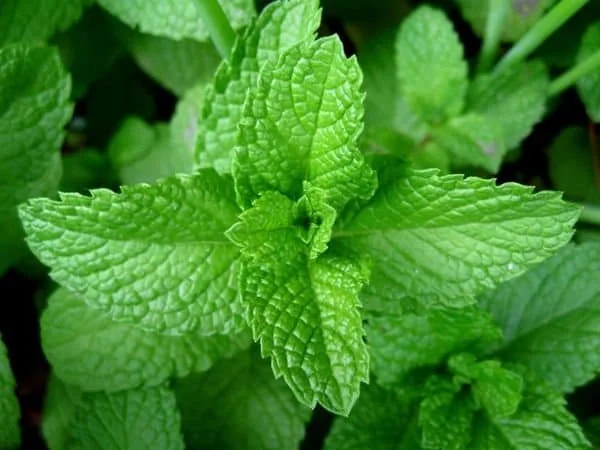
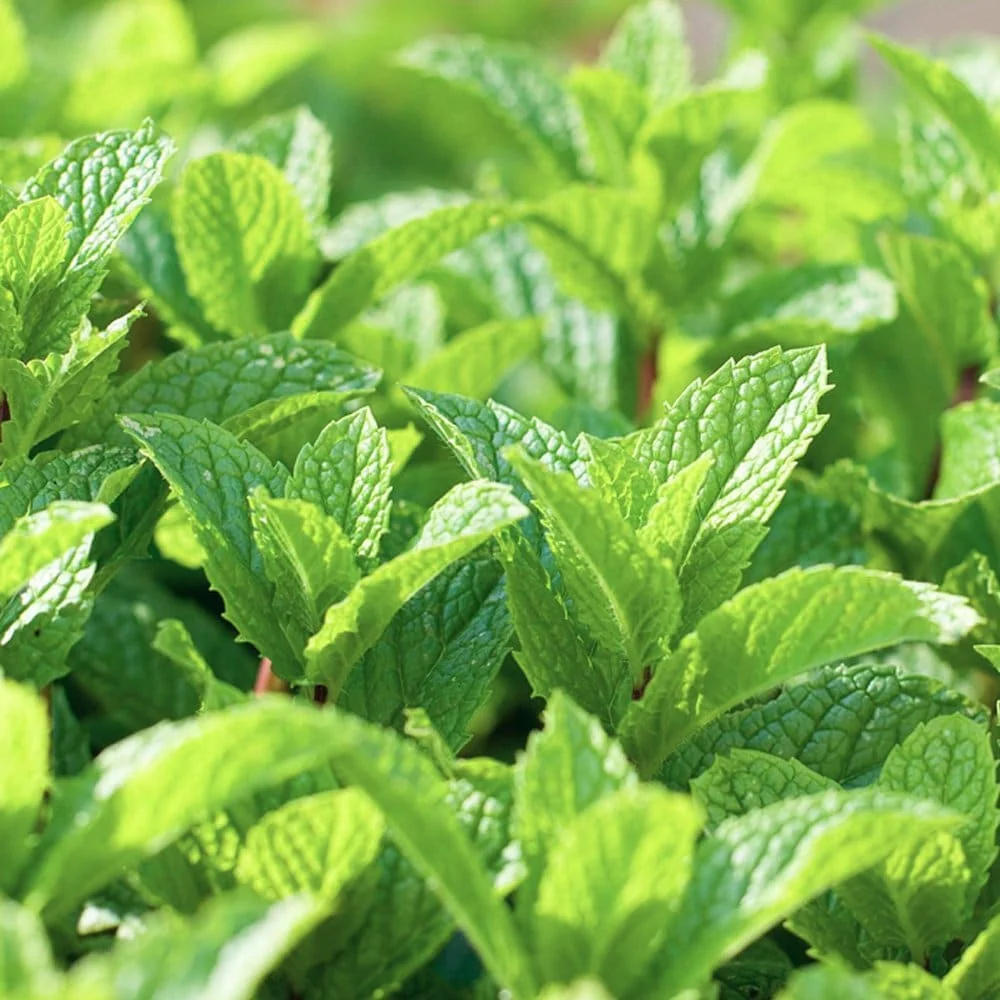
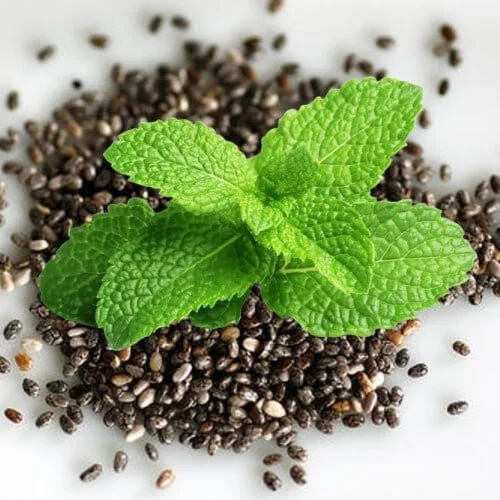
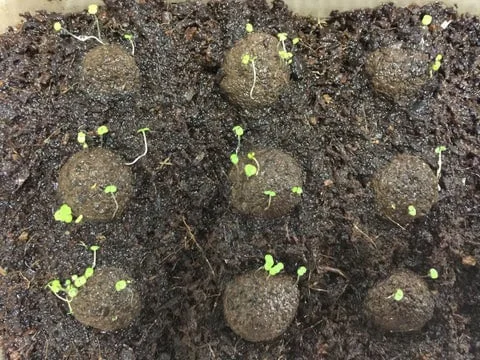
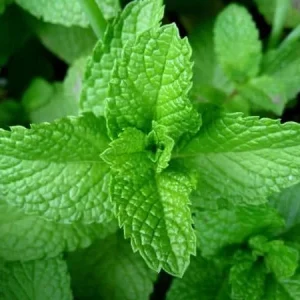
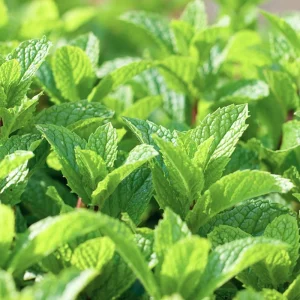
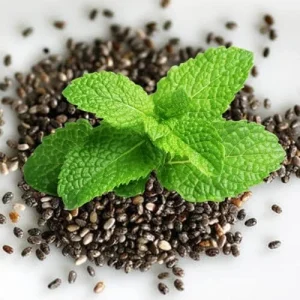
Organic Peppermint Seeds – Herb Gardening – Heirloom, Non-GMO, Open Pollinated
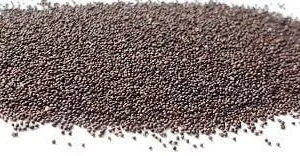
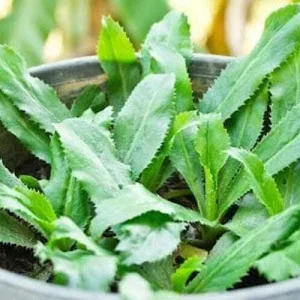
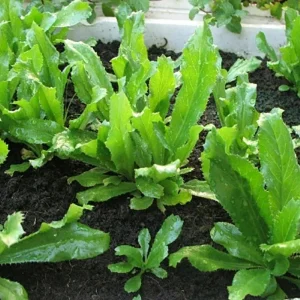
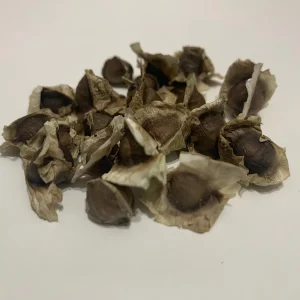
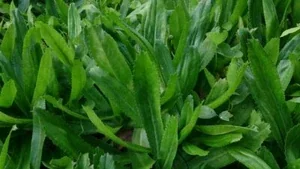
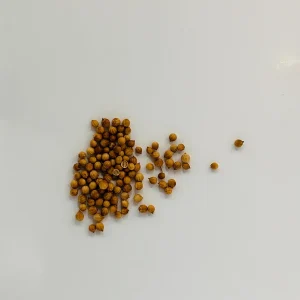
Cultivate your own aromatic garden with these organic peppermint seeds. Certified organic and heirloom, these seeds are perfect for peppermint herb gardening, offering a high germination rate and vigorous growth for both culinary and ornamental use.
From Original price was: $8.00.$4.00Current price is: $4.00.

With our Alive & Thrive Guarantee, we’ve got your back for the first 30 days! If you have any concerns about your plants, just reach out to us. Our team is here to help answer your questions and guide you in selecting the best plants for your garden, climate, and unique preferences. We're excited to help you create the garden of your dreams!
Estimated arrival
Apr 04
Apr 09 - Apr 11
Apr 14 - Apr 18

Product Details
-
USDA Hardiness Zone
3-7 (Perennial), annual in other zones -
Soil type
Rich, moist, well-draining soil -
Sunlight Exposure
Full sun to partial shade -
Expected Planting Period
Early spring to late spring
Overview
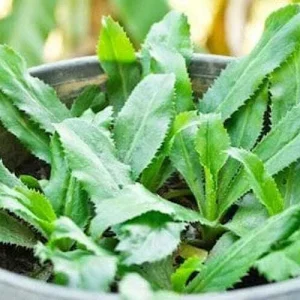
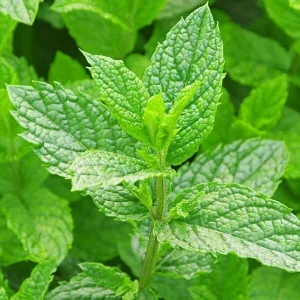
Embark on a rewarding gardening journey with our premium organic peppermint seeds. These certified organic, heirloom, and non-GMO seeds provide an excellent foundation for growing your own fresh peppermint. Known scientifically as Mentha sp., peppermint is a cool perennial herb, cherished for its invigorating aroma and versatile uses. Originating from the Middle East and Europe, this hybrid mint is a cross between spearmint and watermint, resulting in a distinctly pungent plant with a fresh, slightly peppery scent. Often referred to as ‘Candy mint,’ peppermint is a favorite in the U.S., especially for its flavor in candies. Whether you’re an experienced gardener or just starting, these peppermint herb gardening seeds offer a reliable and satisfying way to cultivate this beloved plant, ensuring you have a fresh supply for teas, culinary dishes, or aromatic purposes.
Our heirloom peppermint seeds are open-pollinated, meaning they will produce true-to-type plants, allowing you to save seeds for future seasons. They boast a high germination rate, giving you confidence in a successful crop. Peppermint plants are perennials, returning year after year in suitable climates, making them a sustainable addition to your garden. They thrive in USDA Hardiness Zones 3-7 but can also be grown as annuals in other zones, offering flexibility for gardeners across various regions. Growing peppermint from seed is an enjoyable and economical way to establish a thriving herb patch.
Key Benefits
Growing your own peppermint from these high-quality seeds offers numerous advantages, from enhancing your culinary endeavors to providing natural remedies and adding beauty to your garden. Our organic peppermint seeds ensure a pure and natural harvest.
- Culinary Versatility: Fresh peppermint leaves are perfect for brewing refreshing teas, garnishing desserts, flavoring beverages, and adding a unique zest to savory dishes. The vibrant flavor is unmatched.
- Aromatic Delight: The strong, fresh scent of peppermint can invigorate your senses and act as a natural air freshener. Placing plants near pathways or windows allows you to enjoy their fragrance.
- Natural Remedies: Peppermint has been traditionally used for its soothing properties, particularly for digestive comfort and as a mild decongestant. Having fresh leaves readily available is a true asset.
- Perennial Growth: Once established, peppermint plants will return each year in appropriate zones, providing a continuous supply of fresh leaves with minimal effort, making peppermint herb gardening a sustainable choice.
- Easy to Grow: Peppermint seeds are relatively easy to germinate and grow, making them suitable for gardeners of all experience levels. With proper care, you can expect a robust and healthy plant.
- Certified Organic: Our seeds are certified organic, ensuring they are free from synthetic pesticides and fertilizers, promoting a healthier garden and a purer harvest for you and your family.
- Heirloom Quality: These heirloom peppermint seeds are open-pollinated, preserving the genetic integrity of the plant and allowing for seed saving, connecting you to generations of gardeners.
Plant Care & Growing Tips
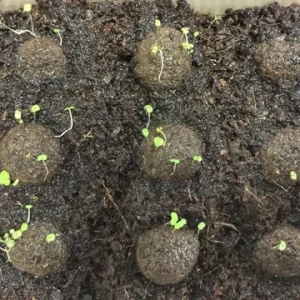
Peppermint is a relatively easy herb to grow, but understanding its specific needs will ensure a bountiful harvest. When you grow peppermint from seed, starting with good conditions is key. Peppermint thrives in rich, moist, well-draining soil. While it can tolerate partial shade, it prefers full sun to partial shade, ideally receiving at least 4-6 hours of direct sunlight per day. In hotter climates, some afternoon shade can prevent scorching. The soil should be kept consistently moist but not waterlogged, as excessive wetness can lead to root rot. A good indicator is to water when the top inch of soil feels dry to the touch.
Peppermint is a vigorous grower and can spread rapidly, so it’s often recommended to plant it in containers or with root barriers if grown directly in the ground to prevent it from taking over other plants. For optimal growth, incorporate organic compost into the soil before planting. Fertilize sparingly; peppermint generally doesn’t require heavy feeding. A balanced liquid fertilizer diluted to half strength can be applied every 4-6 weeks during the growing season. Protect plants from extreme cold in zones outside of its perennial range by growing them in pots that can be brought indoors or by providing heavy mulch. Watch out for common pests like spider mites or aphids, which can usually be controlled with organic insecticidal soap. Proper spacing and good air circulation are also important for healthy peppermint herb gardening.
Size & Details
These organic peppermint seeds will develop into robust perennial plants that typically reach a height of 18-24 inches (45-60 cm) and spread up to 24 inches (60 cm) wide, forming a dense patch. The seeds are packaged to ensure viability and a high germination rate. Peppermint plants mature quickly, with leaves ready for harvest in approximately 77-84 days from planting. As a perennial, it will return each year from its rootstock. These seeds are ideal for starting your own patch of fragrant mint. The plants will arrive as seeds, ready for you to sow in your desired location, whether it’s a garden bed or a container. Expect vigorous growth and a continuous supply of fresh leaves once established, providing a fulfilling experience for those who grow peppermint from seed.
Frequently Asked Questions
- Q: How big do peppermint plants get from these seeds? A: Peppermint plants typically grow to a height of 18-24 inches (45-60 cm) and can spread up to 24 inches (60 cm) wide, forming a lush patch. Their vigorous growth makes them an excellent choice for ground cover or container planting.
- Q: Is this an indoor or outdoor plant? A: Peppermint can be grown both indoors and outdoors. It thrives outdoors as a perennial in USDA Zones 3-7 and can be grown as an annual in other zones. Indoors, it needs a bright location with good air circulation.
- Q: How much sunlight does peppermint need? A: Peppermint prefers full sun to partial shade, ideally receiving 4-6 hours of direct sunlight per day. In very hot climates, some afternoon shade is beneficial to prevent leaf scorching.
- Q: Is growing organic peppermint seeds difficult for beginners? A: No, organic peppermint seeds are relatively easy to grow. With consistent moisture, good drainage, and adequate sunlight, even beginner gardeners can successfully cultivate a thriving peppermint patch.
- Q: When is the best time to plant these heirloom peppermint seeds? A: The best time to plant peppermint seeds is in early spring after the last frost, or indoors 6-8 weeks before the last expected frost. This allows the plants to establish before the heat of summer.
- Q: Can I use the peppermint from these seeds for culinary purposes? A: Absolutely! Since these are organic peppermint seeds, the resulting plants are perfect for culinary use, including teas, desserts, and flavoring various dishes.
- Q: What kind of soil is best for peppermint herb gardening? A: Peppermint thrives in rich, moist, well-draining soil. Adding organic compost can significantly improve soil quality and promote healthier growth.
- Q: How long does it take for peppermint to mature from seed? A: Peppermint plants typically reach maturity and are ready for harvest in about 77-84 days after planting the seeds. You can often start harvesting leaves earlier for fresh use.
- Q: Will my peppermint plants survive winter in my garden? A: In USDA Hardiness Zones 3-7, peppermint plants are perennial and will die back in winter, returning in spring. In colder zones, they can be grown as annuals or brought indoors for winter protection.
- Q: Are these seeds suitable for grow peppermint from seed projects in containers? A: Yes, growing peppermint in containers is highly recommended, especially due to its vigorous spreading habit. This helps manage its growth and keeps it from outcompeting other plants in your garden.
| Seeds | 1000+, 10K+, 20K+, 250+, 2500+, 500+, 5000+ |
|---|
Related products
-50%
From Original price was: $64.00.$32.00Current price is: $32.00.

-50%
Original price was: $32.00.$16.00Current price is: $16.00.
-50%
Original price was: $32.00.$16.00Current price is: $16.00.
-50%
Original price was: $32.00.$16.00Current price is: $16.00.
PLANTING & CARE

Growing Glencoe Raspberry: A Complete Guide for Gardeners
If you’re looking to add something unique to your garden, look no further than the
31
Mar
Mar

The Comprehensive Guide to Growing Bay Leaf Plants for a Flavorful Garden
Imagine stepping into your garden, greeted by the earthy aroma of fresh bay leaves, their
09
Feb
Feb

How to Make Comfrey Tea: The Ultimate Organic Plant Food
Growing an organic garden can be surprisingly expensive, especially when most store-bought fertilizers come in
02
Feb
Feb

True Comfrey: 7 Essential Tips Before You Plant This Herb
A staple in permaculture practices across the US, True Comfrey easily earns its reputation as
27
Jan
Jan

7 Heart-Shaped Plants for a Lasting Valentine’s Gift
If you’ve ever bought a bouquet of roses for Valentine’s Day, you know they are
26
Jan
Jan

Best Types of Ivy Plant for Houses: How to Choose the Perfect Ones for Your Home
Are you a garden lover looking to introduce some greenery into your home? Maybe you’ve
14
Nov
Nov

When to Harvest Garlic (Especially Fall-Planted Garlic)
TIMING IS EVERYTHING, they say – and for garlic, that truth hits with surprising accuracy.
13
Nov
Nov

11 of the Best Sweet Potato Varieties to Grow for Your Garden
If you’ve ever tried growing sweet potatoes, you know that picking the right variety can
12
Nov
Nov