Organic Red Jerusalem Artichoke Tubers – Fuseau Variety – Winter Hardy
-50%
Organic Red Jerusalem Artichoke Tubers – Fuseau Variety – Winter Hardy
Cultivate delicious and nutritious organic red Jerusalem artichoke tubers in your garden. This winter hardy Fuseau variety is easy to grow, offering sweet, nutty roots perfect for salads or cooking. Enjoy an abundant harvest from these versatile sunchokes.
From Original price was: $15.96.$7.98Current price is: $7.98.

With our Alive & Thrive Guarantee, we’ve got your back for the first 30 days! If you have any concerns about your plants, just reach out to us. Our team is here to help answer your questions and guide you in selecting the best plants for your garden, climate, and unique preferences. We're excited to help you create the garden of your dreams!
Estimated arrival
Mar 31
Apr 05 - Apr 07
Apr 10 - Apr 14


Product Details
-
USDA Hardiness Zone
unknown -
Soil type
loose, well-draining soil -
Sunlight Exposure
full sun -
Expected Planting Period
early spring
Overview
Discover the joy of growing your own organic red Jerusalem artichoke tubers, also known as sunchokes or sunroots. These fascinating root vegetables, from the Fuseau variety, are renowned for their robust growth and delicious, crisp texture. Native to eastern North America, Jerusalem artichokes are a sustainable and hardy addition to any garden, providing a bountiful harvest of nutritious tubers. Unlike their name suggests, they are not related to traditional artichokes but are a species of sunflower (Helianthus tuberosus). The red variety offers a distinct color and often a slightly sweeter flavor profile compared to white or pale types. They are incredibly versatile in the kitchen, serving as an excellent potato substitute or a delightful addition to salads and roasts. Plant these tubers and enjoy a unique, earthy flavor straight from your garden.
These winter hardy sunchokes are perfect for gardeners looking for a low-maintenance, high-yield crop that thrives in various conditions. Their ability to naturalize quickly makes them an ideal choice for creating screens or windbreaks, adding both beauty and utility to your landscape. With proper care, these tubers will multiply, ensuring a continuous supply for years to come. Experience the satisfaction of harvesting your own organic produce with these remarkable red Jerusalem artichoke tubers.
Key Benefits
The organic red Jerusalem artichoke tubers offer numerous advantages for both gardeners and home cooks:
-
Exceptional Flavor Profile: Enjoy a unique sweet, nutty flavor with a crisp texture when raw, making them perfect for salads. Cooked, they offer a similar consistency to potatoes but with a more distinct taste.
-
High Nutritional Value: Rich in approximately 10% protein and surprisingly low in starch, these tubers are a healthy alternative to traditional root vegetables. They are also a good source of fiber.
-
Winter Hardy & Resilient: The Fuseau variety is exceptionally winter hardy, capable of surviving cold temperatures and providing a reliable harvest even in challenging climates. This makes them a great choice for sustainable gardening.
-
Easy to Grow: Grow Jerusalem artichoke with minimal effort. They are not particular about soil type and can thrive in full sun, making them suitable for beginner gardeners or those seeking low-maintenance crops.
-
Versatile Culinary Use: From roasted and mashed to thinly sliced in salads, these tubers are incredibly versatile. They can be used as a potato substitute or to add a unique flavor to various dishes.
-
Garden Screen or Windbreak: The tall growth habit of the plant allows them to be planted densely, forming an effective and attractive garden screen or windbreak, adding structure to your landscape.
-
Organic & Sustainable: Cultivating organic red Jerusalem artichoke tubers means you’re growing a chemical-free food source that contributes to a healthier ecosystem and sustainable living.
Plant Care & Growing Tips
Successfully growing organic red Jerusalem artichoke tubers is straightforward, as they are a very forgiving and resilient crop. They prefer a site with full sun exposure, meaning at least 6-8 hours of direct sunlight per day. While they will tolerate a variety of soil conditions, optimal growth and easier harvesting occur in loose, well-drained soil. Before planting, amend your garden beds with aged compost or sand to improve soil structure and drainage. The ideal soil pH for sunchokes ranges from 5.8 to 6.2. It’s often best to plant them in a dedicated bed, as they can spread rapidly once established and may require some management to prevent them from taking over.
Planting time for Fuseau sunchoke tubers is typically early spring, about 2 to 3 weeks before the average last frost date, once the soil temperature has warmed to at least 50°F. In warmer winter regions, planting can even occur during winter. Plant tubers 2 to 6 inches deep and space them 12 to 18 inches apart, with rows 36 inches apart. Sunchokes require 110 to 150 days to reach maturity for harvest. They thrive in temperatures between 65° to 90°F. While established plants can survive periods of drought, they perform best with a consistent, even supply of water. Fortunately, sunchokes require no additional feeding; they grow vigorously in soil rich in organic matter. For companion planting, consider corn, rhubarb, and peanuts, but avoid planting them near tomatoes. Understanding proper Jerusalem artichoke plant care ensures a healthy and abundant harvest.
Size & Details
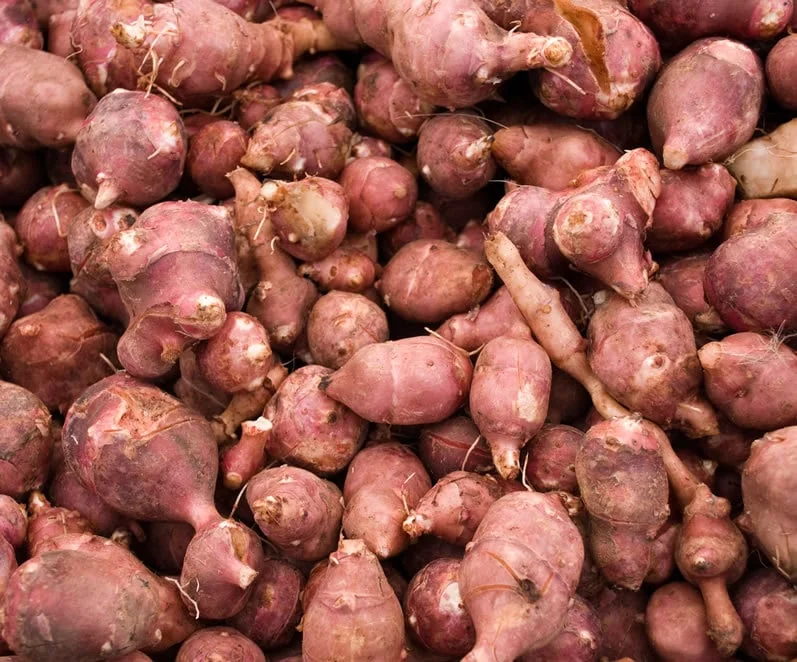
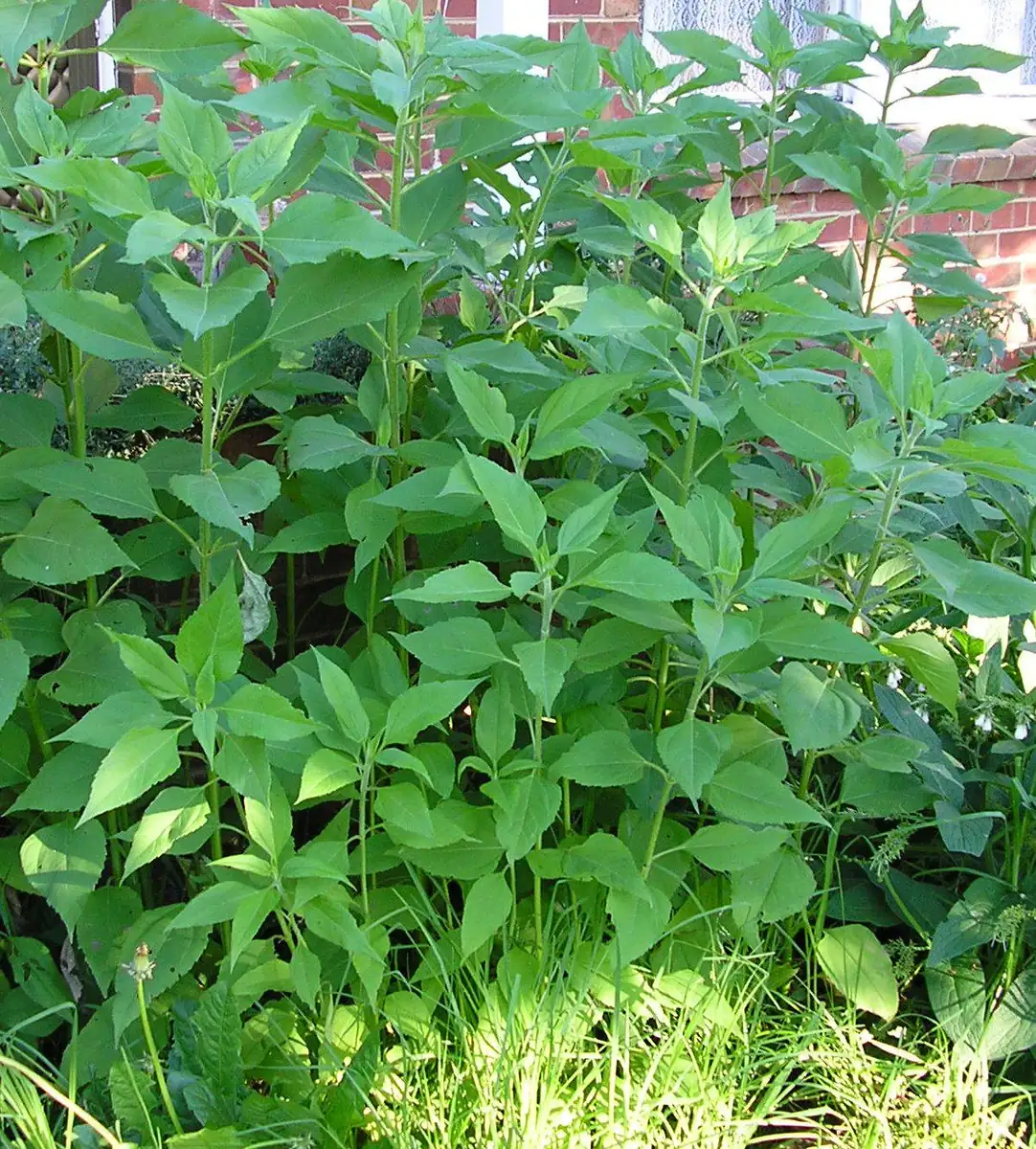
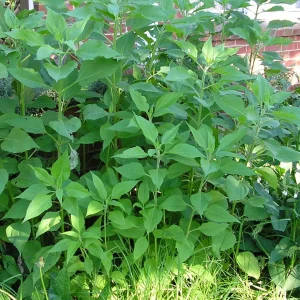
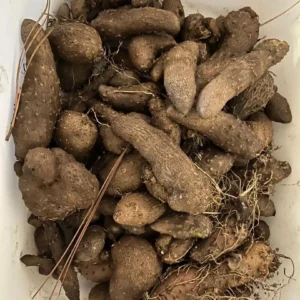
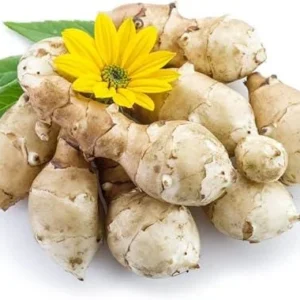
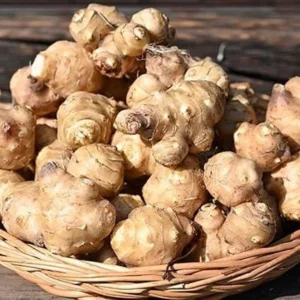
These organic red Jerusalem artichoke tubers are supplied as dormant, ready-to-plant tubers, ensuring a strong start for your garden. Each tuber is selected for its viability and potential for vigorous growth. The plants themselves can reach impressive heights, typically growing 5 to 10 feet tall, forming a dense, sunflower-like foliage that can serve as an attractive backdrop or privacy screen. The tubers themselves are elongated and uneven, often resembling ginger root, measuring approximately 3 to 5 inches long and 1.2 to 2 inches thick. Their color ranges from pale brown to white, red, or purple, with this specific offering being the distinct red variety.
Expect a mature harvest within 110 to 150 days from planting. Once established, these winter hardy sunchokes will continue to produce year after year with minimal intervention, making them a sustainable and long-term investment for your edible garden. The tubers are best harvested after the first hard frost, which helps to sweeten their flavor. They ship ready to be planted directly into your garden or containers, providing a fresh, homegrown vegetable for your culinary adventures.
Frequently Asked Questions
-
Q: How big do these Jerusalem artichoke plants get? A: The plants can grow quite tall, typically reaching heights of 5 to 10 feet, making them excellent for creating garden screens or windbreaks. They produce sunflower-like blooms in late summer.
-
Q: When is the best time to plant the organic red Jerusalem artichoke tubers? A: The optimal time to plant is in early spring, about 2 to 3 weeks before your average last frost date, when the soil has warmed to at least 50°F. In mild winter climates, they can also be planted in winter.
-
Q: Is this an indoor or outdoor plant? A: Organic red Jerusalem artichoke tubers are primarily grown outdoors in garden beds. While you could start them in large containers, they thrive best when allowed to spread in the ground.
-
Q: How much sunlight does the Fuseau sunchoke need? A: They require full sun, meaning at least 6 to 8 hours of direct sunlight per day, to produce the best tuber yields. They are quite adaptable but perform best with ample light.
-
Q: Is this plant easy to care for? A: Yes, Jerusalem artichokes are known for being very easy to grow and are considered low-maintenance. They are resilient, tolerate various soil types, and are quite drought-tolerant once established, making Jerusalem artichoke plant care straightforward.
-
Q: What condition will the tubers arrive in? A: The tubers will arrive dormant and ready for planting. They are carefully packed to ensure they remain healthy during transit, ready to sprout once planted in suitable conditions.
-
Q: How long until I can harvest the sunchokes? A: You can typically expect to harvest tubers within 110 to 150 days after planting. For the best flavor, it’s often recommended to harvest after the first hard frost, which helps sweeten the tubers.
-
Q: Will these winter hardy sunchokes survive cold winters? A: Yes, the Fuseau variety is particularly winter hardy and can withstand cold temperatures, often surviving and multiplying even in regions with harsh winters. They are known for their resilience.
-
Q: Can I use these tubers in cooking? A: Absolutely! Organic red Jerusalem artichoke tubers are highly prized for their culinary versatility. They can be roasted, mashed, fried, or sliced thin and eaten raw in salads, offering a sweet, nutty flavor.
-
Q: What kind of soil do they prefer? A: While adaptable, sunchokes prefer loose, well-drained soil. Amending with compost or sand before planting can improve drainage and make harvesting easier. They thrive in soil rich in organic matter.
| How many tubers? | 1 Tuber, 3 Tubers, 5 Tubers |
|---|
Related products
-20%
Original price was: $36.00.$28.80Current price is: $28.80.
-20%
Original price was: $48.00.$38.40Current price is: $38.40.
-25%
Original price was: $39.99.$29.90Current price is: $29.90.
-10%
Original price was: $29.99.$26.99Current price is: $26.99.
-50%
Original price was: $63.96.$31.98Current price is: $31.98.
PLANTING & CARE

The Comprehensive Guide to Growing Bay Leaf Plants for a Flavorful Garden
Imagine stepping into your garden, greeted by the earthy aroma of fresh bay leaves, their
09
Feb
Feb

How to Make Comfrey Tea: The Ultimate Organic Plant Food
Growing an organic garden can be surprisingly expensive, especially when most store-bought fertilizers come in
02
Feb
Feb

True Comfrey: 7 Essential Tips Before You Plant This Herb
A staple in permaculture practices across the US, True Comfrey easily earns its reputation as
27
Jan
Jan

7 Heart-Shaped Plants for a Lasting Valentine’s Gift
If you’ve ever bought a bouquet of roses for Valentine’s Day, you know they are
26
Jan
Jan

Best Types of Ivy Plant for Houses: How to Choose the Perfect Ones for Your Home
Are you a garden lover looking to introduce some greenery into your home? Maybe you’ve
14
Nov
Nov

When to Harvest Garlic (Especially Fall-Planted Garlic)
TIMING IS EVERYTHING, they say – and for garlic, that truth hits with surprising accuracy.
13
Nov
Nov

11 of the Best Sweet Potato Varieties to Grow for Your Garden
If you’ve ever tried growing sweet potatoes, you know that picking the right variety can
12
Nov
Nov
Pruning Bougainvillea for Winter
Bougainvillea vines are known for their dazzling display of magenta, orange, and fuchsia bracts that
05
Nov
Nov