Organic Rosemary Live Plant – 3 Inch Pot – Culinary Herb for Indoor/Outdoor
-50%
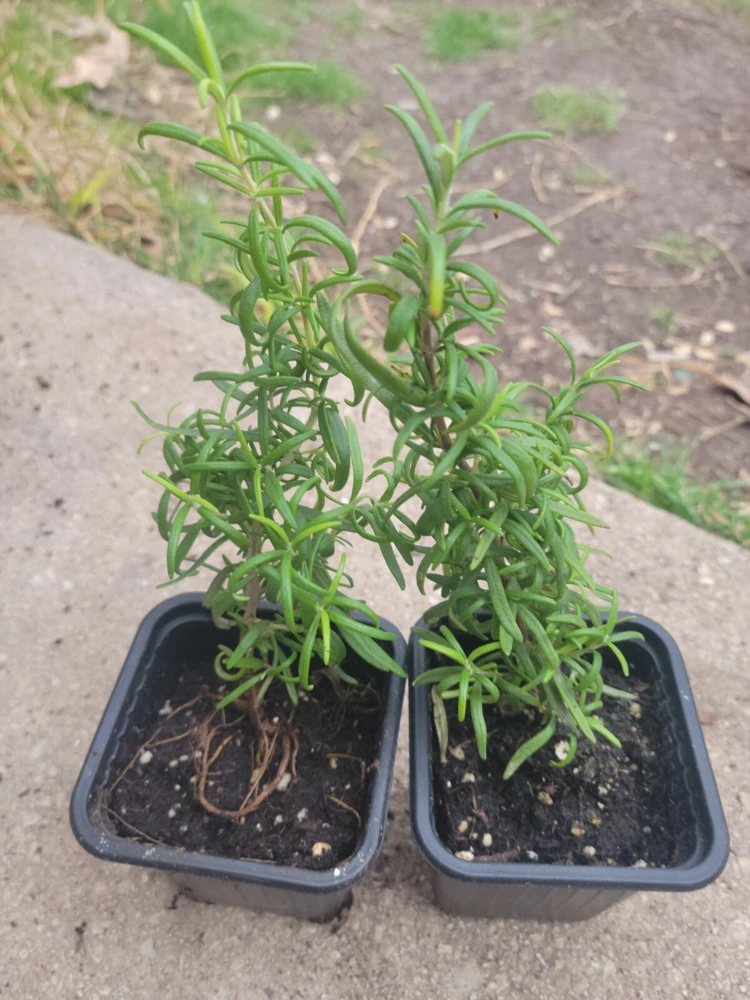
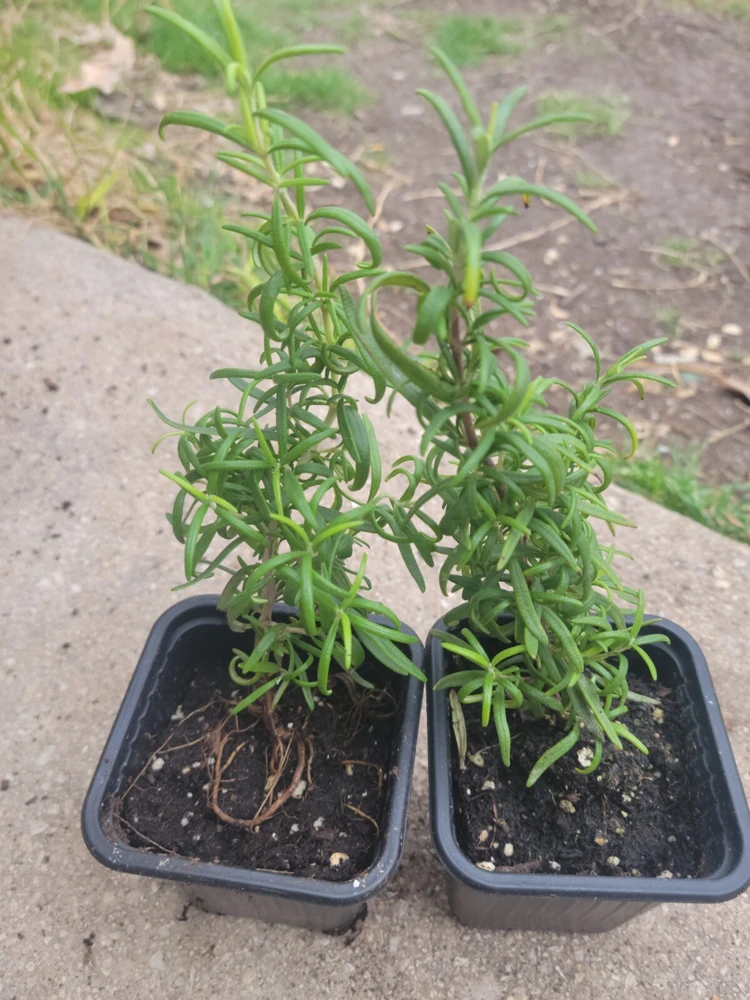
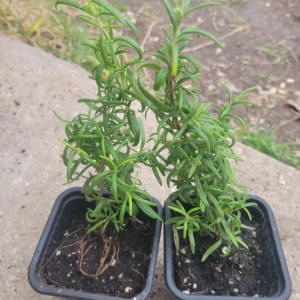
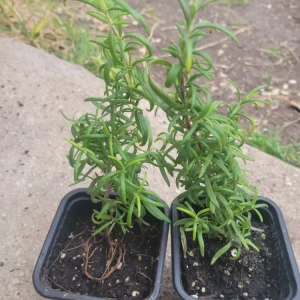
Organic Rosemary Live Plant – 3 Inch Pot – Culinary Herb for Indoor/Outdoor
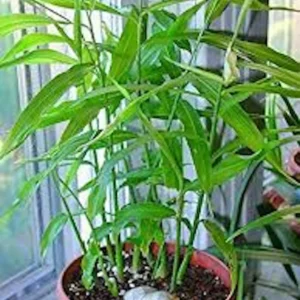
Bring the fresh aroma and flavor of a organic rosemary live plant into your home or garden. This vibrant rosemary herb plant comes ready to thrive in a 3-inch pot, perfect for culinary use or as an aromatic decorative plant. Enjoy the benefits of fresh rosemary plant for cooking and more.
Original price was: $100.00.$50.00Current price is: $50.00.

With our Alive & Thrive Guarantee, we’ve got your back for the first 30 days! If you have any concerns about your plants, just reach out to us. Our team is here to help answer your questions and guide you in selecting the best plants for your garden, climate, and unique preferences. We're excited to help you create the garden of your dreams!
Estimated arrival
Oct 08
Oct 13 - Oct 15
Oct 18 - Oct 22
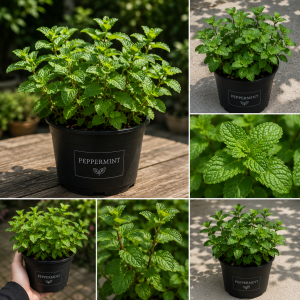
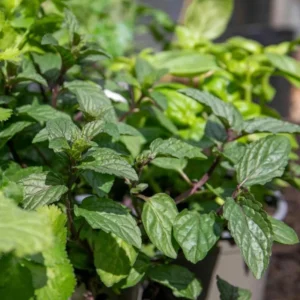
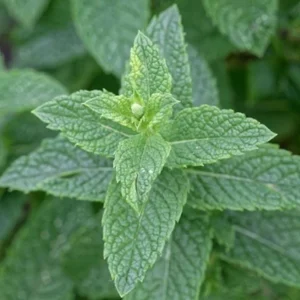
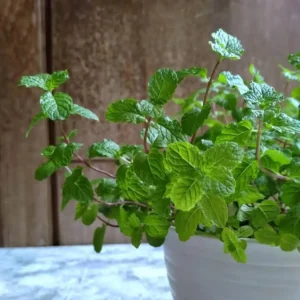
Product Details
-
USDA Hardiness Zone
4-9 -
Soil type
Loamy, well-draining soil -
Sunlight Exposure
Full Sun, Partial Shade -
Expected Planting Period
Year-round indoors; Spring to early summer outdoors
Overview
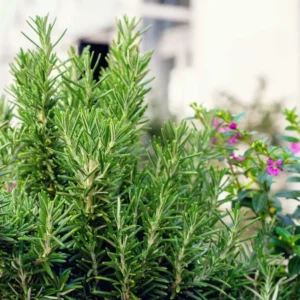
Cultivate your own aromatic garden with this beautiful organic rosemary live plant. Sourced from high-quality, certified organic stock, this plant provides both aesthetic appeal and culinary utility. Rosemary (Rosmarinus officinalis) is a beloved evergreen herb renowned for its distinctive fragrance and robust flavor, making it a staple in kitchens worldwide. This particular plant is grown organically, ensuring you receive a healthy, chemical-free specimen ready to thrive in your home or garden. It arrives securely packaged in a 3-inch nursery pot, perfectly sized for immediate integration into your herb collection or as a charming standalone plant. Whether you’re a seasoned gardener or just starting, this rosemary herb plant is an excellent choice for adding natural beauty and delicious flavor to your life. Its evergreen foliage provides year-round interest, and its resilience makes it a rewarding plant to nurture.
Key Benefits
Adding a organic rosemary live plant to your home offers a multitude of advantages beyond its delightful scent and taste. This versatile herb enriches your environment and culinary endeavors in several ways:
- Culinary Excellence: Enjoy the robust, piney flavor of fresh rosemary in your cooking. Perfect for seasoning meats, vegetables, bread, and soups, providing a gourmet touch to everyday meals. Having a fresh rosemary plant on hand means instant access to high-quality ingredients.
- Aromatic & Decorative: The plant’s evergreen, needle-like leaves and occasional delicate blue flowers add a touch of Mediterranean charm to any space. Its strong, invigorating aroma acts as a natural air freshener.
- Easy to Grow: Rosemary is known for its hardiness and adaptability. It’s a relatively low-maintenance plant, making it suitable for both beginner and experienced gardeners looking for a rewarding herb to grow.
- Drought Tolerant: Once established, rosemary is quite drought-tolerant, requiring less frequent watering compared to many other plants, making it an efficient choice for sustainable gardening.
- Pollinator Friendly: When it blooms, rosemary flowers attract bees and other beneficial pollinators, contributing to the health of your local ecosystem if planted outdoors.
- Potential Health Benefits: Traditionally, rosemary has been associated with various health benefits, including improving memory and digestion, and its essential oils are often used in aromatherapy.
- Organic Certification: This plant is organically certified, guaranteeing it has been grown without synthetic pesticides or fertilizers, providing you with a pure and natural herb.
Plant Care & Growing Tips
Caring for your organic rosemary live plant is straightforward, and with the right conditions, it will flourish and provide you with fresh herbs for a long time. Rosemary thrives in conditions that mimic its native Mediterranean climate.
Sunlight requirements: Rosemary absolutely loves sunlight. It requires at least 6-8 hours of direct full sun per day to grow vigorously and develop its characteristic strong flavor. If growing indoors, place it in your brightest south-facing window. If outdoor, ensure it’s in an unshaded spot. Partial shade is acceptable in extremely hot climates during the peak afternoon sun, but generally, more sun is better.
Watering schedule and soil moisture preferences: This herb prefers well-draining soil and does not like to be waterlogged. Water thoroughly when the top inch or two of soil feels dry to the touch. Allow the soil to dry out almost completely between waterings to prevent root rot. Overwatering is a common killer of rosemary plants. Reduce watering frequency in winter when the plant’s growth slows down.
Soil type and drainage requirements: Rosemary prefers a slightly sandy, loamy soil with excellent drainage. A mix formulated for cacti or succulents can work well, or you can amend regular potting soil with perlite or sand to improve drainage. The ideal soil pH is neutral (around 7.0).
Temperature range and USDA hardiness zone: Rosemary is generally hardy in USDA Zones 7-10, though some varieties can tolerate Zone 6. Our plant is suitable for Zones 4-9. It prefers temperatures between 55-80°F (13-27°C). If you are in a colder zone (below USDA Zone 7), it’s best to grow rosemary herb plant in a container and bring it indoors during winter. Protect it from hard freezes.
Fertilization schedule and type: Rosemary is not a heavy feeder and generally does not require much fertilizer. If grown in good quality soil, it might not need any. If you notice slow growth or pale leaves, you can apply a balanced, organic liquid fertilizer at half strength once a month during the growing season (spring and summer). Avoid over-fertilizing, as this can lead to leggy growth and reduced flavor. For optimal growing rosemary, less is often more.
Common problems and solutions: The most common issues with rosemary are related to improper watering. Yellowing leaves and soft stems often indicate overwatering, while crispy, brown leaves can signal underwatering. Ensure good air circulation to prevent fungal diseases. Keep an eye out for pests like aphids or spider mites, which can be treated with organic insecticidal soap.
Size & Details
This organic rosemary live plant arrives as a healthy, established specimen, ready to be planted or kept in its nursery pot. The plant stands approximately 3 inches tall from the soil line and has a width of about 2.5 inches. It is shipped in a sturdy 3-inch nursery pot, providing ample space for its root system to thrive. Rosemary has a moderate growth rate and, depending on conditions and variety, can grow into a substantial shrub over time, reaching heights of 2 to 6 feet and similar widths when mature outdoors. Indoors, its growth will be more contained but can still be pruned to maintain desired size and shape. This plant is a young, vigorous start, ensuring a strong foundation for your fresh rosemary plant endeavors.
Frequently Asked Questions
- Q: How big does this plant get? A: This organic rosemary live plant arrives in a 3-inch pot, typically standing around 3 inches tall. While it’s a young plant, rosemary can grow significantly, reaching 2-6 feet tall and wide when mature outdoors. Its size can be managed with regular pruning.
- Q: Is this an indoor or outdoor plant? A: Rosemary can be grown both indoors and outdoors. It thrives outdoors in full sun in USDA Zones 7-10. In colder zones (4-6), it’s best grown in a pot and brought indoors during winter.
- Q: How much sunlight does it need? A: Rosemary requires a minimum of 6-8 hours of direct full sunlight daily. If growing indoors, place it in your brightest window, preferably south-facing, to ensure adequate light for healthy growth and flavor development.
- Q: Is this plant easy to care for? A: Yes, rosemary is considered a relatively easy-care plant once its basic needs for sunlight and well-draining soil are met. It’s quite drought-tolerant and doesn’t require frequent fertilization, making rosemary plant care straightforward.
- Q: What condition will it arrive in? A: Your rosemary herb plant will arrive carefully packaged in its 3-inch nursery pot, with soil intact, ensuring it reaches you in a healthy and vibrant condition, ready for its new home.
- Q: Can I use this rosemary in cooking? A: Absolutely! This is an organic rosemary live plant, meaning it’s grown without synthetic pesticides or fertilizers, making it ideal for culinary use. Harvest sprigs as needed to enhance your dishes.
- Q: When is the best time to plant rosemary? A: If planting outdoors, spring after the last frost is ideal. However, potted rosemary can be planted or brought indoors at any time of year, provided it receives sufficient light and proper watering.
- Q: What’s the minimum temperature this plant can tolerate? A: While some varieties are hardier, generally, rosemary prefers temperatures above 20°F (-6°C). If temperatures are expected to drop below freezing for extended periods, it’s advisable to protect outdoor plants or bring potted ones indoors. Our plant is suitable for USDA Hardiness Zones 4-9.
- Q: How often should I water my rosemary plant? A: Water your rosemary thoroughly when the top 1-2 inches of soil feel dry to the touch. It’s crucial to allow the soil to dry out between waterings to prevent root rot, as rosemary prefers slightly drier conditions. This is key for successful growing rosemary.
- Q: Is rosemary considered pet-safe? A: According to the ASPCA, rosemary is generally considered non-toxic to dogs, cats, and horses. However, consuming large quantities of any plant can cause mild digestive upset, so moderation is key.
Related products
-49%
Original price was: $60.99.$30.99Current price is: $30.99.
-48%
Original price was: $39.99.$20.99Current price is: $20.99.
-50%
Original price was: $59.96.$29.98Current price is: $29.98.
-10%
Original price was: $75.00.$67.50Current price is: $67.50.
-67%
From Original price was: $35.22.$11.74Current price is: $11.74.
-67%
From Original price was: $35.22.$11.74Current price is: $11.74.
-50%
Original price was: $53.98.$26.99Current price is: $26.99.
-30%
Original price was: $59.98.$41.98Current price is: $41.98.
PLANTING & CARE
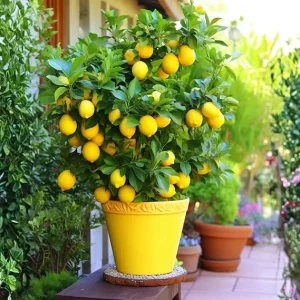
Lemon Tree Growing: Choose, Plant, and Harvest
Learn how to choose, plant, feed, and protect a lemon tree so it fits your
23
Sep
Sep
Dwarf Meyer Lemon Tree Australia: Climate Guide
Learn where dwarf Meyer lemon trees grow, how much cold they tolerate, and whether Australia,
Where to Buy a Dwarf Meyer Lemon Tree: Buyer’s Guide
Find the right dwarf Meyer lemon tree online or locally, compare starter sizes and costs,
Dwarf Meyer Lemon Tree for Sale: Buying Guide
Compare Meyer lemon tree sizes, prices, shipping limits, indoor growing and California options before you
Dwarf Meyer Lemon Tree Guide: Size, Care and Fruit
META: Learn how large a dwarf Meyer lemon tree grows, where it thrives, and how
How to Prune a Dwarf Meyer Lemon Tree
Learn when and how to prune a dwarf Meyer lemon tree, including tools, shaping cuts,
Can You Grow a Dwarf Meyer Lemon Tree in a Pot?
META: Learn how to grow a dwarf Meyer lemon tree in a pot, including container
When Do Dwarf Meyer Lemon Trees Bloom and Fruit?
META: Dwarf Meyer lemon trees usually bloom from winter through spring and may flower again