Organic Rosemary Live Plant 5-8 Inch – Potted Culinary Herb for Indoor/Outdoor
-33%
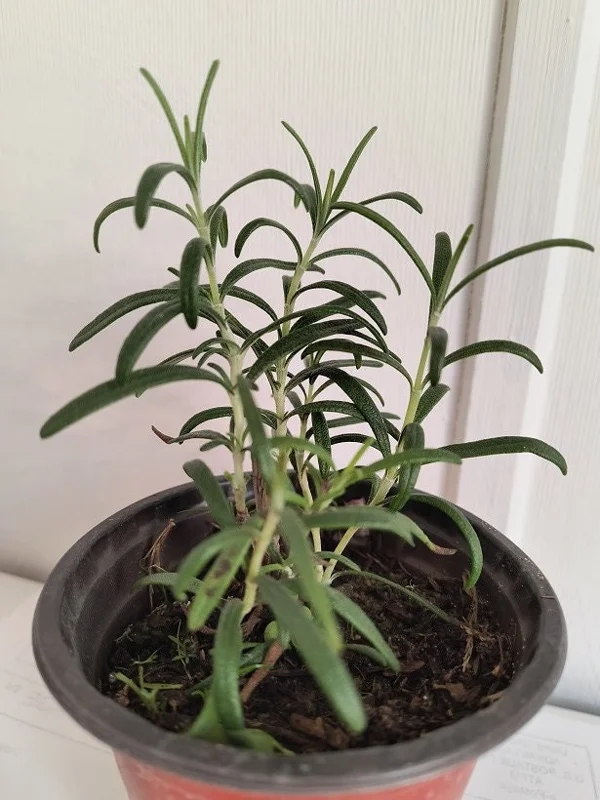
Organic Rosemary Live Plant 5-8 Inch – Potted Culinary Herb for Indoor/Outdoor
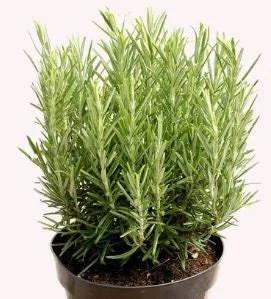
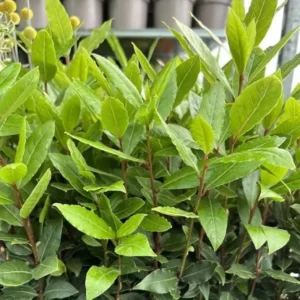
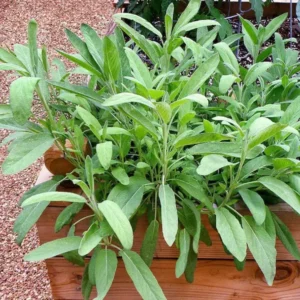
Cultivate your own fresh herbs with our organic rosemary live plant. These healthy 5-8 inch plants are perfect for adding aromatic flavor to your dishes or enhancing your garden. Known for its distinct fragrance and culinary versatility, rosemary is a valuable addition to any home.
Original price was: $29.96.$19.99Current price is: $19.99.

With our Alive & Thrive Guarantee, we’ve got your back for the first 30 days! If you have any concerns about your plants, just reach out to us. Our team is here to help answer your questions and guide you in selecting the best plants for your garden, climate, and unique preferences. We're excited to help you create the garden of your dreams!
Estimated arrival
Mar 31
Apr 05 - Apr 07
Apr 10 - Apr 14

Product Details
-
USDA Hardiness Zone
USDA zones 7-10 (outdoors); all zones (indoors) -
Soil type
Well-draining, sandy loam -
Sunlight Exposure
Full sun (6-8+ hours direct light) -
Expected Planting Period
Year-round indoors; spring to early summer outdoors
Overview
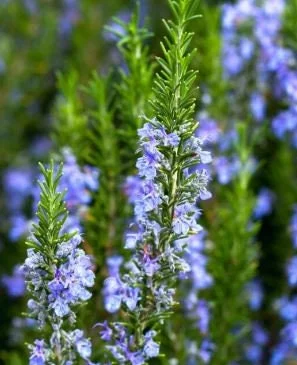
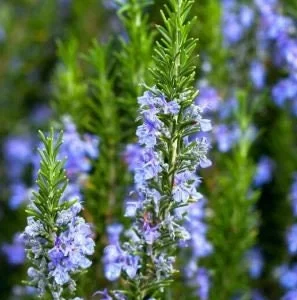
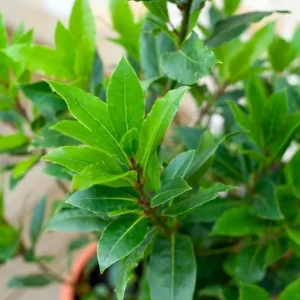
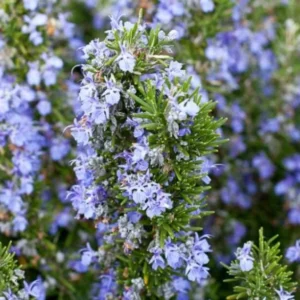
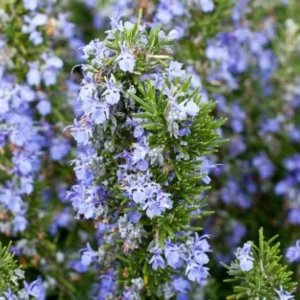
Discover the joy of growing your own herbs with our premium organic rosemary live plant. This robust and fragrant herb, scientifically known as Salvia rosmarinus, is a cherished addition to any home garden or kitchen. Originally from the Mediterranean region, rosemary has been valued for centuries for its distinctive pine-like aroma and potent flavor. Our plants are cultivated organically, ensuring you receive a healthy, chemical-free specimen ready to thrive. Whether you’re a seasoned gardener or a beginner, this versatile plant offers both aesthetic appeal and practical benefits. Its evergreen needles and occasional delicate blue flowers make it an attractive ornamental, while its culinary uses are virtually endless. Embrace the fresh, vibrant taste and aroma that only a homegrown organic rosemary live plant can provide.
Rosemary is more than just a culinary herb; it’s a symbol of remembrance and has been used in traditional remedies for its potential health benefits. Growing your own ensures a constant supply of fresh sprigs, perfect for enhancing roasts, stews, breads, and even cocktails. These 5-8 inch potted plants are at an ideal stage for transplanting into larger containers or directly into your garden, allowing them to establish quickly and flourish. Experience the satisfaction of harvesting your own fresh rosemary, elevating your cooking and invigorating your senses with its invigorating fragrance.
Key Benefits
Our organic rosemary live plant offers a multitude of benefits for both your garden and your kitchen:
- Exceptional Culinary Flavor: Enjoy the freshest, most aromatic rosemary for all your cooking needs. Its strong, pungent flavor is ideal for seasoning meats, vegetables, and creating infused oils. Having fresh sprigs readily available enhances the taste profile of countless dishes.
- Aromatic Garden Addition: The distinctive scent of rosemary is known to be uplifting and can deter certain garden pests. Planting it near outdoor seating areas provides a pleasant, natural fragrance that can be enjoyed throughout the year.
- Low Maintenance and Drought Tolerant: Once established, rosemary is relatively easy to care for and can withstand periods of drought, making it suitable for busy gardeners or those in drier climates. It thrives on neglect rather than overwatering.
- Year-Round Greenery: As an evergreen shrub, rosemary provides beautiful green foliage throughout all seasons, even in colder months, adding structure and life to your garden when other plants may be dormant.
- Potential Health Benefits: Rosemary has been traditionally used for its antioxidant and anti-inflammatory properties. Incorporating it into your diet may offer various wellness advantages, contributing to a healthier lifestyle.
- Versatile Growing Options: Suitable for both indoor and outdoor cultivation, these plants can be grown in pots on a sunny windowsill, in herb gardens, or as part of larger landscape designs. This flexibility makes rosemary plant care adaptable to various living situations.
- Attracts Pollinators: The small, delicate flowers of rosemary are attractive to bees and other beneficial pollinators, contributing to the biodiversity and health of your garden ecosystem.
Plant Care & Growing Tips
Proper rosemary plant care is essential for a thriving, productive herb. Rosemary prefers full sun, meaning at least 6-8 hours of direct sunlight per day. If growing indoors, place it in your brightest south-facing window or supplement with a grow light. Adequate light is crucial for robust growth and intense flavor. Inadequate light can lead to leggy growth and reduced aromatic qualities. Outdoor plants should be placed in a sunny, well-ventilated spot to prevent fungal issues.
When it comes to watering, less is often more for rosemary. It is drought-tolerant and susceptible to root rot if overwatered. Allow the top inch or two of soil to dry out completely before watering again. When you do water, do so deeply until water drains from the bottom of the pot. Ensure excellent drainage. A well-draining soil mix, preferably one formulated for herbs or succulents, is ideal. Amending garden soil with sand or grit can improve drainage for outdoor plants. For potted plants, a terracotta pot can help wick away excess moisture.
Rosemary thrives in warm, dry conditions and is generally hardy in USDA zones 7-10. In colder climates, it’s best to grow rosemary in containers that can be moved indoors before the first frost. Protect outdoor plants with mulch in winter. Fertilize sparingly, if at all. Rosemary prefers lean soil, and too much fertilizer can reduce its aromatic potency. A light feeding with a balanced liquid fertilizer in spring is usually sufficient. Pruning is beneficial for maintaining shape and encouraging bushier growth, as well as providing you with plenty of fresh sprigs for your culinary rosemary needs. Regular harvesting also acts as a form of pruning, promoting more vigorous growth. Watch out for pests like aphids or spider mites, especially on indoor plants, and treat with organic insecticidal soap if necessary.
Size & Details
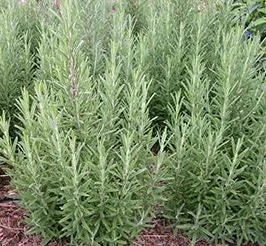
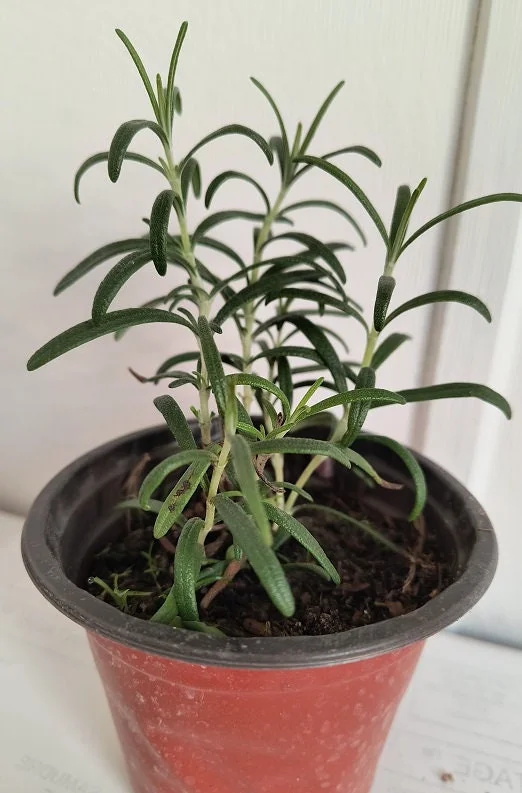
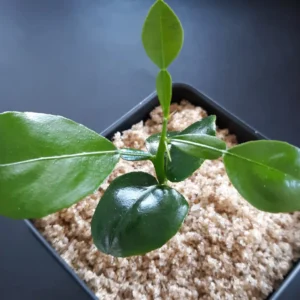
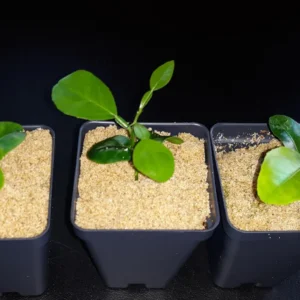
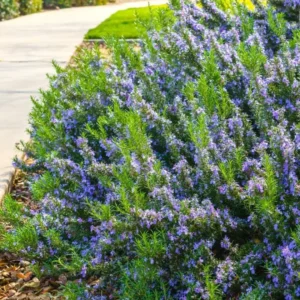
Each organic rosemary live plant measures approximately 5-8 inches in height, measured from the soil line. These plants are shipped in their nursery pots, typically 2-4 inches in diameter, ensuring they arrive healthy and ready for transplanting. Rosemary is a moderately fast-growing herb, and with proper care, it can quickly establish itself and begin producing abundant foliage. Mature plants can reach heights of 2-4 feet and a similar spread, depending on growing conditions and pruning habits. When grown in the ground, it can become a substantial shrub, while potted plants will remain more compact. Expect your plant to begin showing significant new growth within a few weeks of planting in its new location, especially if given ample sunlight and appropriate watering. These plants are ideal for starting your own herb garden or adding to an existing collection, providing you with a continuous supply of fresh rosemary for cooking and aromatic enjoyment.
Frequently Asked Questions
- Q: How big does this plant get? A: This organic rosemary live plant is currently 5-8 inches tall. With proper care, rosemary can grow into a shrub 2-4 feet tall and wide, especially if planted in the ground. Potted plants tend to stay more compact.
- Q: What size pot does it come in? A: The rosemary plant will arrive in its nursery pot, which is typically between 2 and 4 inches in diameter, suitable for safe transport and initial growth. You will want to transplant it into a larger pot, around 6-8 inches, or directly into your garden.
- Q: Is this an indoor or outdoor plant? A: Rosemary can be grown both indoors and outdoors. It thrives outdoors in full sun in warmer climates (USDA zones 7-10). In colder regions, it can be grown outdoors during summer and brought indoors for winter, making growing rosemary indoors a popular choice.
- Q: How much sunlight does it need? A: Rosemary requires a minimum of 6-8 hours of direct sunlight per day to flourish. For indoor plants, a south-facing window is ideal, or you may need to supplement with a grow light to ensure sufficient light exposure.
- Q: Is this plant easy to care for? Is it good for beginners? A: Yes, rosemary is considered a relatively easy-care plant, especially for beginners, as long as its basic needs for sunlight and well-draining soil are met. The key is to avoid overwatering, which is a common mistake.
- Q: What condition will it arrive in? A: Your organic rosemary live plant will be carefully packaged to ensure it arrives healthy and vibrant. It will be secured in its nursery pot with soil, ready for you to unbox and place in its new home.
- Q: Can I use rosemary in cooking? A: Absolutely! This is a culinary variety of rosemary, perfect for seasoning a wide range of dishes, from roasted vegetables and meats to breads and infused oils. It’s excellent for fresh use or drying.
- Q: Is it pet-safe? A: Rosemary is generally considered non-toxic to cats and dogs, though large quantities ingested could cause mild stomach upset. However, it’s always best to monitor pets around any plant.
- Q: How long until it blooms? A: Rosemary typically blooms in late winter to early spring, producing small, delicate blue or purple flowers. The timing can vary based on growing conditions and climate.
- Q: Will it survive winter in my zone? A: Rosemary is hardy outdoors in USDA zones 7-10. If you are in a colder zone, it’s recommended to grow your culinary rosemary in a container and bring it indoors before the first hard frost to protect it from freezing temperatures.
Related products
-67%
Original price was: $39.72.$13.24Current price is: $13.24.
-10%
Original price was: $23.99.$21.59Current price is: $21.59.
-10%
Original price was: $75.00.$67.50Current price is: $67.50.
-30%
Original price was: $59.98.$41.98Current price is: $41.98.
-20%
Original price was: $35.00.$28.00Current price is: $28.00.
-50%
Original price was: $15.96.$7.98Current price is: $7.98.
-30%
Original price was: $59.98.$41.98Current price is: $41.98.
-67%
Original price was: $75.72.$25.24Current price is: $25.24.
PLANTING & CARE

Growing Glencoe Raspberry: A Complete Guide for Gardeners
If you’re looking to add something unique to your garden, look no further than the
31
Mar
Mar

The Comprehensive Guide to Growing Bay Leaf Plants for a Flavorful Garden
Imagine stepping into your garden, greeted by the earthy aroma of fresh bay leaves, their
09
Feb
Feb

How to Make Comfrey Tea: The Ultimate Organic Plant Food
Growing an organic garden can be surprisingly expensive, especially when most store-bought fertilizers come in
02
Feb
Feb

True Comfrey: 7 Essential Tips Before You Plant This Herb
A staple in permaculture practices across the US, True Comfrey easily earns its reputation as
27
Jan
Jan

7 Heart-Shaped Plants for a Lasting Valentine’s Gift
If you’ve ever bought a bouquet of roses for Valentine’s Day, you know they are
26
Jan
Jan

Best Types of Ivy Plant for Houses: How to Choose the Perfect Ones for Your Home
Are you a garden lover looking to introduce some greenery into your home? Maybe you’ve
14
Nov
Nov

When to Harvest Garlic (Especially Fall-Planted Garlic)
TIMING IS EVERYTHING, they say – and for garlic, that truth hits with surprising accuracy.
13
Nov
Nov

11 of the Best Sweet Potato Varieties to Grow for Your Garden
If you’ve ever tried growing sweet potatoes, you know that picking the right variety can
12
Nov
Nov