Organic Rosemary Live Plant – Well-Rooted Plug – Culinary & Aromatic Herb

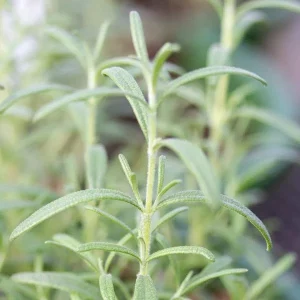
Organic Rosemary Live Plant – Well-Rooted Plug – Culinary & Aromatic Herb
Cultivate your own organic rosemary live plant, a fragrant and flavorful culinary herb. This well-rooted plug is ready for transplanting, perfect for beginners and experienced gardeners alike. Enjoy fresh rosemary for cooking and a beautiful, aromatic addition to your home or garden.
$12.58

With our Alive & Thrive Guarantee, we’ve got your back for the first 30 days! If you have any concerns about your plants, just reach out to us. Our team is here to help answer your questions and guide you in selecting the best plants for your garden, climate, and unique preferences. We're excited to help you create the garden of your dreams!
Estimated arrival
May 31
Jun 05 - Jun 07
Jun 10 - Jun 14

Product Details
-
USDA Hardiness Zone
USDA Zones 7-10 (some varieties to Zone 5-6 with protection) -
Soil type
Well-draining sandy loam -
Sunlight Exposure
Full sun (6-8 hours direct light) -
Expected Planting Period
Spring after last frost (outdoors), year-round (indoors)
Overview
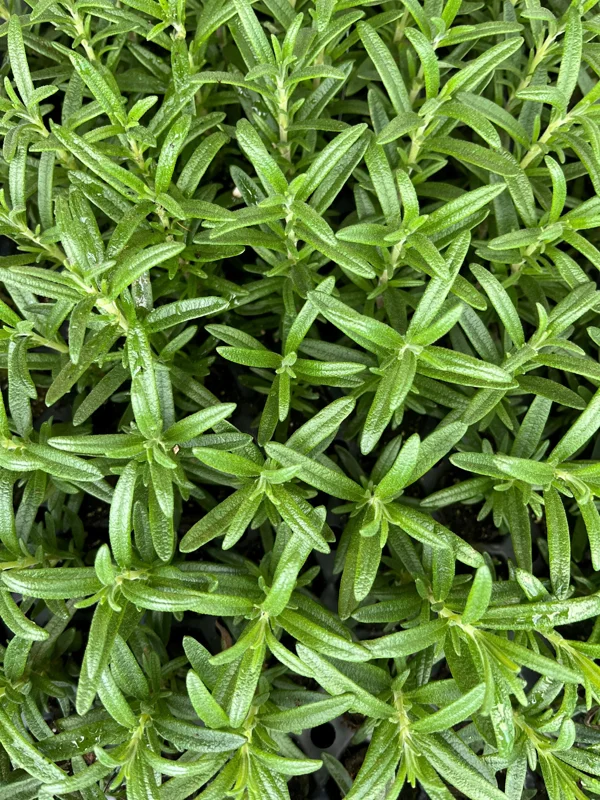
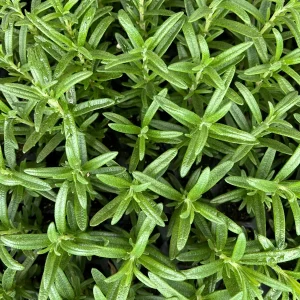
Cultivate the timeless beauty and aromatic charm of a rosemary live plant in your own garden or home. This versatile and fragrant herb, scientifically known as Salvia rosmarinus (formerly Rosmarinus officinalis), is a must-have for any culinary enthusiast or garden lover. Our well-rooted plug offers a robust start for a healthy, thriving plant that will provide fresh leaves for cooking, beautiful evergreen foliage, and delicate flowers. Rosemary is native to the Mediterranean region, where it has been cherished for centuries for its distinctive aroma and flavor. Whether you’re looking to enhance your dishes, create a fragrant border, or add a touch of evergreen elegance, this rosemary live plant is an excellent choice. It’s a perennial shrub that can be enjoyed year after year, growing more abundant with proper care. Its needle-like leaves and often blue, pink, or white flowers add visual appeal, making it a wonderful addition to various garden styles. Our organic rosemary plant is grown with care, ensuring you receive a high-quality specimen ready to flourish.
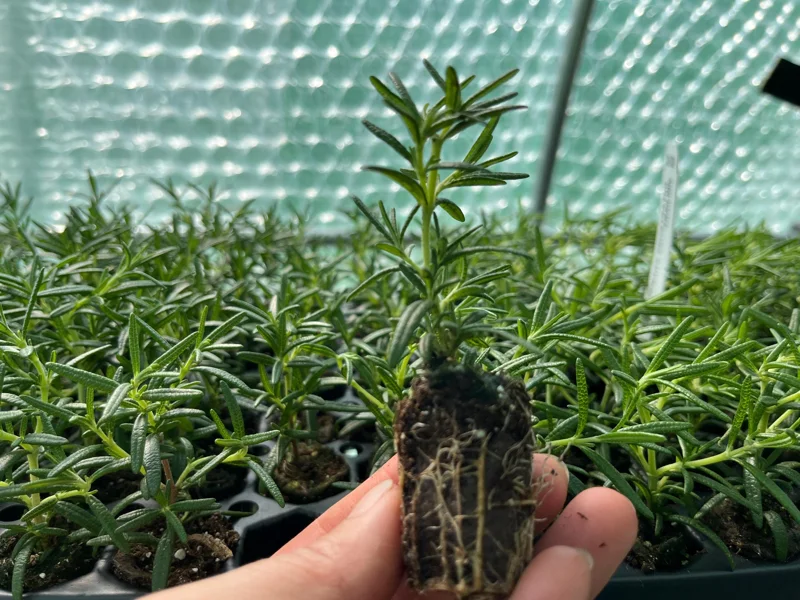
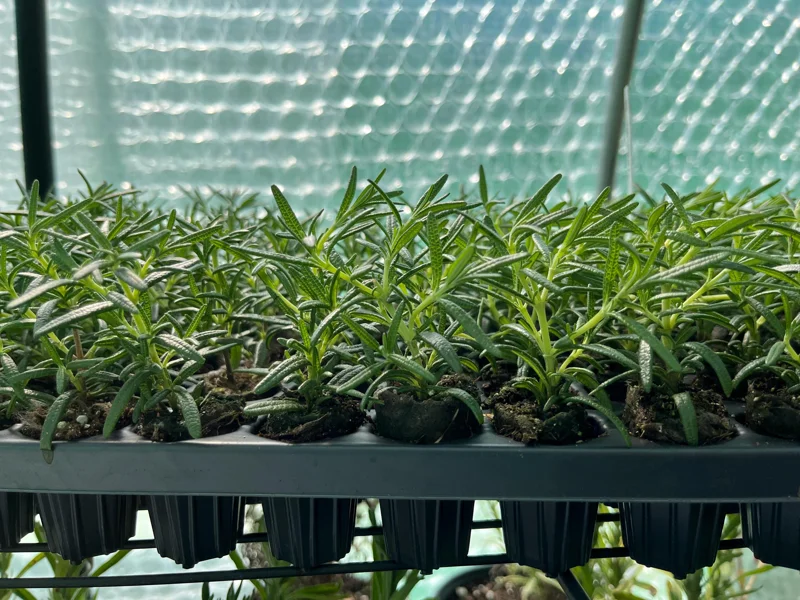
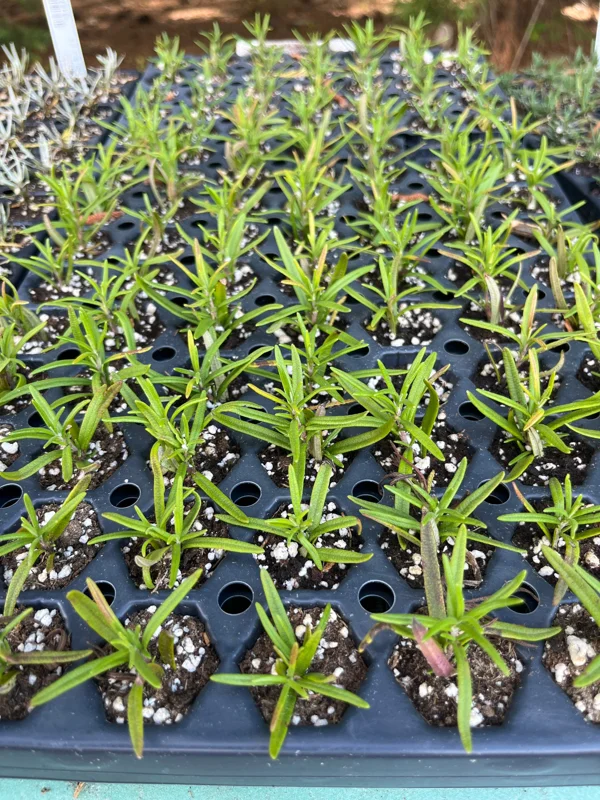
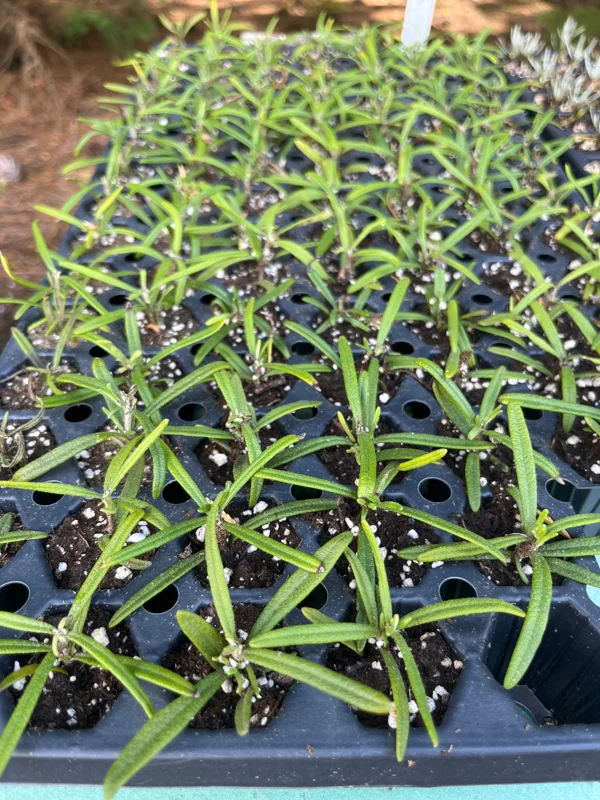
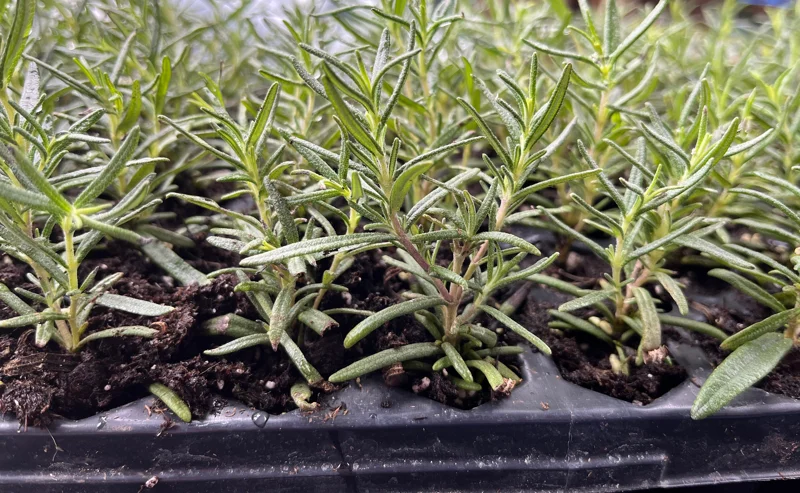
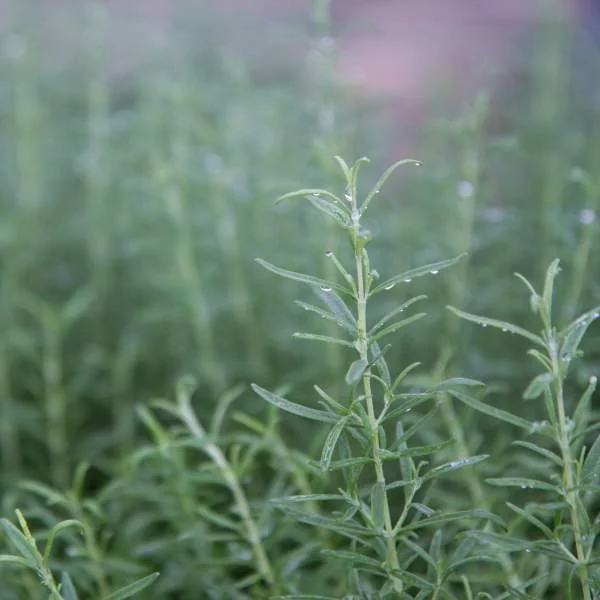
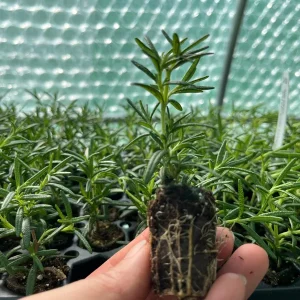
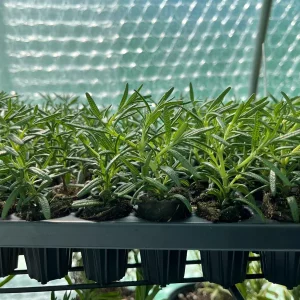
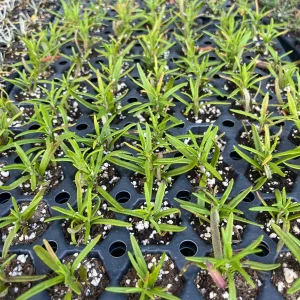
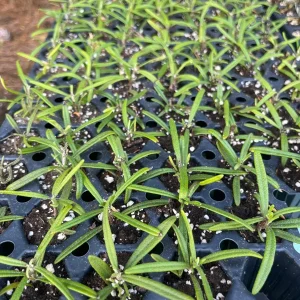
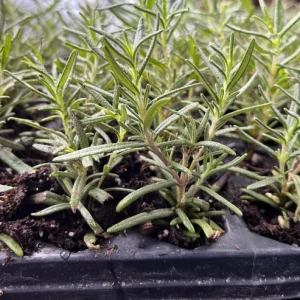
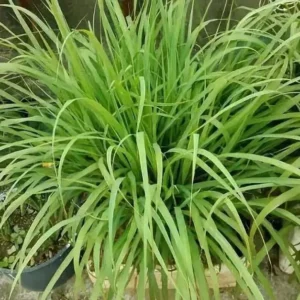
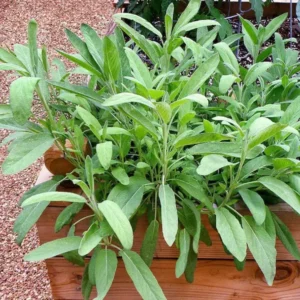
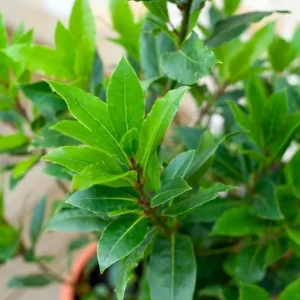
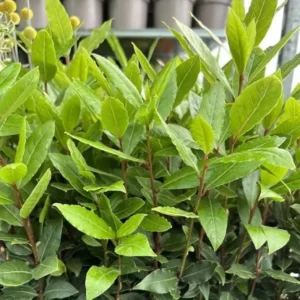
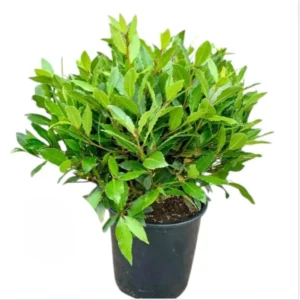
This offering is for a healthy, well-rooted plug, ready to be transplanted into a larger pot or your garden bed. While some pictures may show mature or blooming plants, you will receive a young, vigorous seedling. The plug size is approximately 1″ x 1″ x 1 1/4″, providing a strong foundation for growth. We encourage you to explore the different varieties of rosemary, each offering unique characteristics in terms of hardiness, growth habit, and culinary suitability. You will love growing rosemary for its beauty and utility.
Key Benefits
A rosemary live plant brings a multitude of benefits to your home and garden, extending beyond just its visual appeal. It’s a truly multi-functional herb that enriches both your culinary experiences and your outdoor or indoor living spaces. Investing in a rosemary live plant means enjoying fresh, aromatic goodness at your fingertips.
- Exceptional Culinary Herb: Fresh rosemary leaves are indispensable in the kitchen, adding a distinctive, savory flavor to roasted meats, vegetables, sauces, and breads. This culinary herb is perfect for enhancing a wide range of dishes.
- Aromatic Fragrance: The evergreen foliage of rosemary releases a refreshing, pine-like scent that can uplift your mood and repel certain pests. Placing a plant near a doorway or patio allows you to enjoy its delightful fragrance regularly.
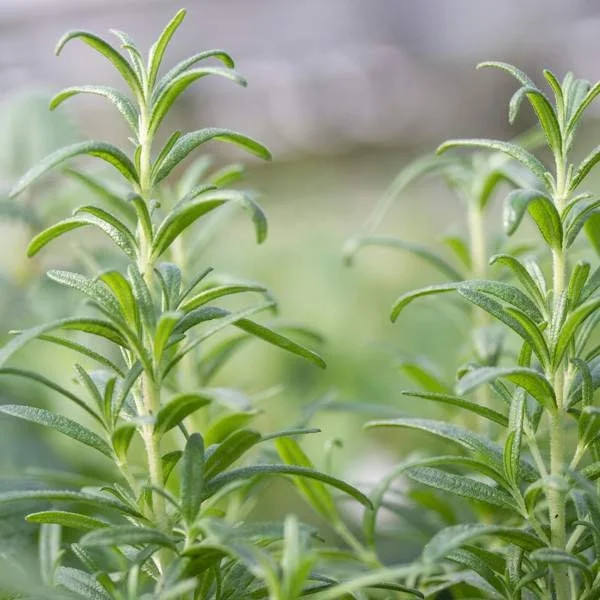
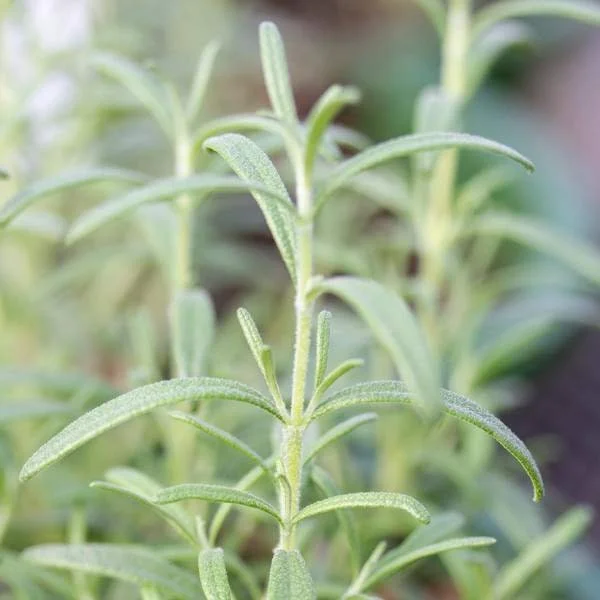
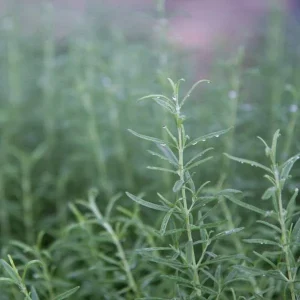
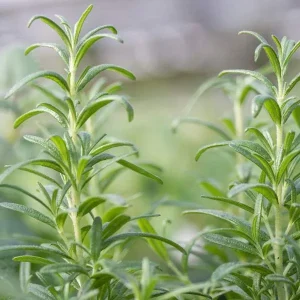
- Beautiful Ornamental Plant: With its slender, needle-like leaves and often vibrant blue, pink, or white flowers, rosemary serves as an attractive addition to garden beds, borders, rock gardens, and containers. Its evergreen nature ensures year-round interest.
- Drought Tolerant & Low Maintenance: Once established, most rosemary varieties are remarkably drought-tolerant and require minimal care, making them suitable for busy gardeners or those in drier climates. This makes growing rosemary a rewarding experience.
- Attracts Pollinators: The small, delicate flowers of rosemary are a magnet for bees and other beneficial pollinators, contributing to the biodiversity and health of your garden ecosystem.
- Versatile Growth Habits: From upright shrubs to trailing ground covers, rosemary offers diverse growth forms, making it suitable for various garden designs.
- Potential Health Benefits: Traditionally, rosemary has been used for its purported medicinal properties, including aiding digestion and improving memory. While not a substitute for medical advice, its aromatic compounds are widely studied.
Plant Care & Growing Tips
Caring for your rosemary live plant is relatively straightforward, especially once it’s established. Understanding its native Mediterranean environment provides clues to its preferred conditions. Rosemary thrives in conditions that mimic its sunny, well-draining homeland. The key to successful growing rosemary is providing ample sunlight, proper drainage, and avoiding overwatering.
Sunlight: Rosemary requires abundant sunlight, ideally 6-8 hours of direct sun per day. For outdoor plants, choose a south-facing location or an area that receives full sun throughout the day. If growing indoors, place your plant in a bright, sunny window, such as an east or south-facing exposure. Insufficient light can lead to leggy growth and reduced aromatic intensity. Watering: This herb prefers its soil to dry out between waterings. Overwatering is a common cause of rosemary decline. Water thoroughly until water drains from the bottom of the pot, then allow the top 1-2 inches of soil to dry completely before watering again. Reduce watering frequency in cooler months. Soil: Well-draining soil is crucial. A sandy loam or a potting mix amended with perlite or sand is ideal. Avoid heavy clay soils that retain too much moisture. The pH preference is slightly acidic to neutral (6.0-7.0). Good drainage prevents root rot, which rosemary is highly susceptible to. Understanding proper rosemary plant care is key to a thriving herb.
Temperature & Hardiness: Most rosemary varieties are hardy in USDA Zones 7-10, though some can tolerate temperatures down to Zone 6 (around 0°F / -18°C) or even Zone 5 with protection. In cooler climates (below 20°F / -6°C), it’s best to grow rosemary in containers so it can be brought indoors during winter. Indoors, maintain average room temperatures. Fertilization: Rosemary is not a heavy feeder. Fertilize sparingly, if at all, with a balanced liquid fertilizer diluted to half strength during the growing season (spring and summer). Over-fertilization can reduce the plant’s aromatic qualities. Pruning: Prune regularly to maintain shape, encourage bushier growth, and harvest leaves. Avoid cutting back into old, woody stems too severely. Pruning also helps improve air circulation, reducing the risk of fungal diseases. Pest & Disease: Rosemary is generally resistant to most pests and diseases. Occasionally, mealybugs or spider mites might appear, particularly on indoor plants. Treat with insecticidal soap if necessary. Ensure good air circulation to prevent fungal issues.
Size & Details
Each rosemary live plant offered here is a well-rooted plug, measuring approximately 1 inch by 1 inch by 1 1/4 inches. This compact size ensures a robust root system ready for transplanting while remaining economical to ship. While plant sizes can naturally vary slightly due to their organic growth, each seedling is carefully nurtured to provide a strong foundation for your future herb. Upon arrival, you can immediately pot your rosemary into a 4-inch container or transplant it directly into your garden if conditions permit.
Rosemary growth rates vary by variety and growing conditions. Upright varieties can reach heights of 40-48 inches and widths of 24 inches at maturity, forming dense, bushy shrubs. Trailing varieties will spread along the ground or cascade from containers. Most varieties are capable of reaching a mature size within 1-3 years with optimal care. The plant will arrive in a small plug container, carefully packaged to ensure its health during transit. You are receiving a young plant; mature size and blooming will occur as the plant establishes and grows.
Frequently Asked Questions
- Q: How big does this rosemary live plant get? A: The mature size of your rosemary live plant depends on the specific variety and growing conditions. Upright types can reach 3-4 feet in height and width, while trailing varieties spread. You will receive a small plug-sized seedling, which will grow over time.
- Q: What size pot does the rosemary plant come in? A: Your rosemary live plant will arrive as a well-rooted plug in a small container measuring approximately 1 inch by 1 inch by 1 1/4 inches, ready for you to transplant into a larger pot or garden bed.
- Q: Is this an indoor or outdoor plant? A: Rosemary can be grown both indoors and outdoors. It thrives outdoors in full sun in USDA Zones 7-10 (or 6 with protection). In colder climates, it’s best grown as a container plant and brought indoors during winter to protect it from frost. This makes rosemary plant care adaptable.
- Q: How much sunlight does my organic rosemary plant need? A: Your organic rosemary plant requires at least 6-8 hours of direct sunlight daily to grow healthy and strong. Choose a bright, sunny location outdoors or a south-facing window indoors.
- Q: Is this plant easy to care for? Is it good for beginners? A: Rosemary is considered relatively easy to care for, especially once established. It’s drought-tolerant and generally pest-resistant. The most crucial factors for growing rosemary are providing plenty of sun and ensuring excellent drainage to prevent root rot. It’s a great choice for beginners who can meet its basic needs.
- Q: What condition will my rosemary live plant arrive in? A: Your rosemary live plant will be carefully packaged to ensure it arrives healthy and well-rooted in its plug container. It will be a young seedling, not a mature or blooming plant.
- Q: Can I use this rosemary for cooking? A: Absolutely! Rosemary is a premier culinary herb. Varieties are noted for their strong flavor and aroma, making them excellent for seasoning a wide range of dishes. Fresh leaves are always best.
- Q: How long until my rosemary plant blooms? A: Rosemary typically begins to bloom when it is more mature, usually in its second or third year, depending on growing conditions and variety. Blooms often appear in spring and can last into summer.
- Q: What is the best time to plant rosemary? A: The best time to plant your rosemary live plant outdoors is in spring after the last frost, allowing it ample time to establish before summer heat or winter cold. Indoor planting can be done year-round.
- Q: Will it survive winter in my zone? What’s the minimum temperature? A: Most rosemary varieties are hardy down to 20°F (-6°C) and some can tolerate even colder temperatures, down to 0°F (-18°C) in USDA Zones 6. If your winter temperatures consistently fall below 20°F, it’s advised to grow your rosemary in a container and bring it indoors.
| Varieties | Rosemary Tuscan Blue, Tuscan Blue 3" Pot |
|---|
Related products
-67%
From Original price was: $35.22.$11.74Current price is: $11.74.
-67%
Original price was: $39.72.$13.24Current price is: $13.24.
-30%
Original price was: $99.98.$69.98Current price is: $69.98.
-10%
Original price was: $65.00.$58.50Current price is: $58.50.
-50%
Original price was: $47.96.$23.98Current price is: $23.98.
-58%
Original price was: $39.99.$16.99Current price is: $16.99.
-10%
Original price was: $75.00.$67.50Current price is: $67.50.
-30%
Original price was: $59.98.$41.98Current price is: $41.98.
PLANTING & CARE

Growing Glencoe Raspberry: A Complete Guide for Gardeners
If you’re looking to add something unique to your garden, look no further than the
31
Mar
Mar

The Comprehensive Guide to Growing Bay Leaf Plants for a Flavorful Garden
Imagine stepping into your garden, greeted by the earthy aroma of fresh bay leaves, their
09
Feb
Feb

How to Make Comfrey Tea: The Ultimate Organic Plant Food
Growing an organic garden can be surprisingly expensive, especially when most store-bought fertilizers come in
02
Feb
Feb

True Comfrey: 7 Essential Tips Before You Plant This Herb
A staple in permaculture practices across the US, True Comfrey easily earns its reputation as
27
Jan
Jan

7 Heart-Shaped Plants for a Lasting Valentine’s Gift
If you’ve ever bought a bouquet of roses for Valentine’s Day, you know they are
26
Jan
Jan

Best Types of Ivy Plant for Houses: How to Choose the Perfect Ones for Your Home
Are you a garden lover looking to introduce some greenery into your home? Maybe you’ve
14
Nov
Nov

When to Harvest Garlic (Especially Fall-Planted Garlic)
TIMING IS EVERYTHING, they say – and for garlic, that truth hits with surprising accuracy.
13
Nov
Nov

11 of the Best Sweet Potato Varieties to Grow for Your Garden
If you’ve ever tried growing sweet potatoes, you know that picking the right variety can
12
Nov
Nov