Organic Shambola Loquat Live Plant – Tropical Fruit Tree – Half Gallon Pot
-8%
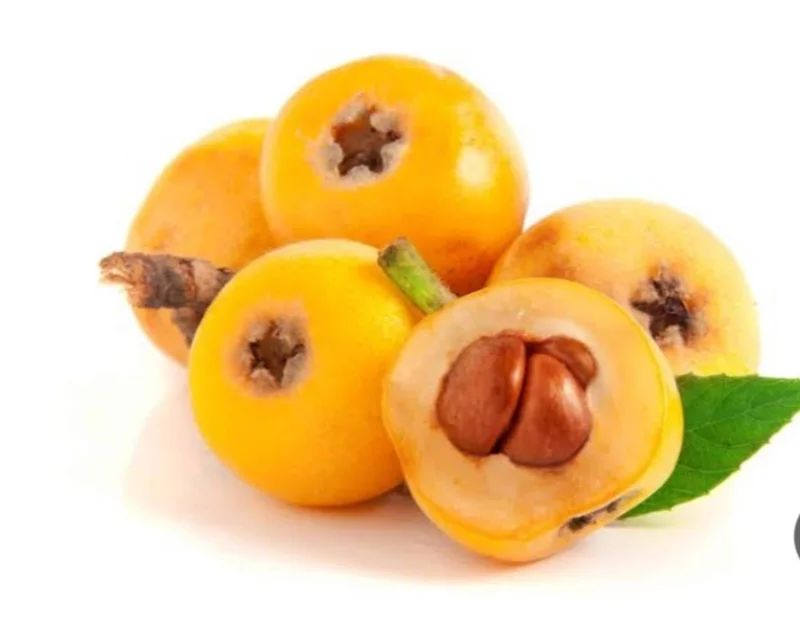
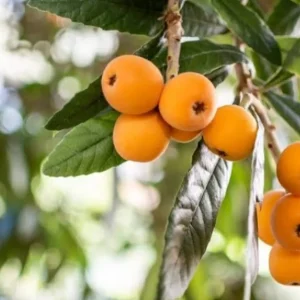
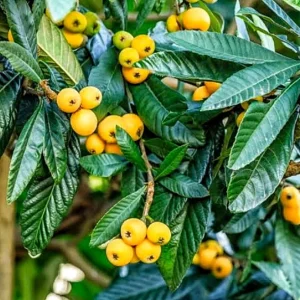
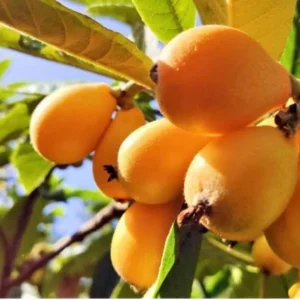
Organic Shambola Loquat Live Plant – Tropical Fruit Tree – Half Gallon Pot
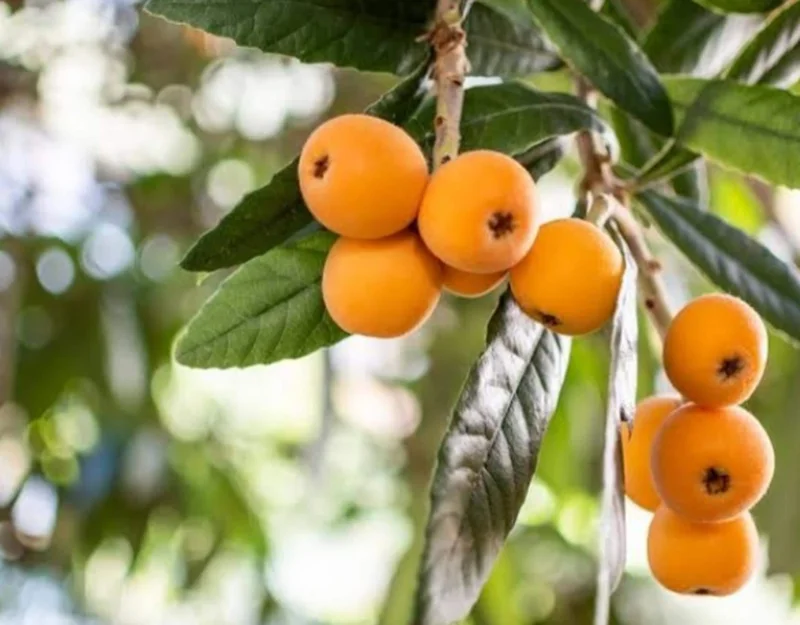
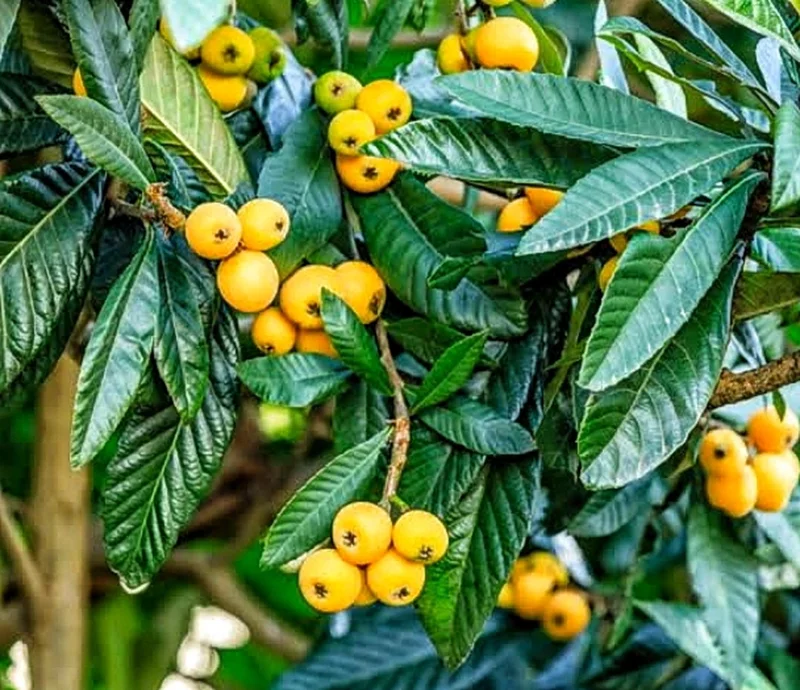
Bring the exotic taste of the tropics to your garden with this Shambola Loquat live plant. This organic loquat tree is grown in a half-gallon pot, ready for planting, and promises delicious, sweet fruit.
Original price was: $47.96.$43.96Current price is: $43.96.

With our Alive & Thrive Guarantee, we’ve got your back for the first 30 days! If you have any concerns about your plants, just reach out to us. Our team is here to help answer your questions and guide you in selecting the best plants for your garden, climate, and unique preferences. We're excited to help you create the garden of your dreams!
Estimated arrival
Mar 31
Apr 05 - Apr 07
Apr 10 - Apr 14
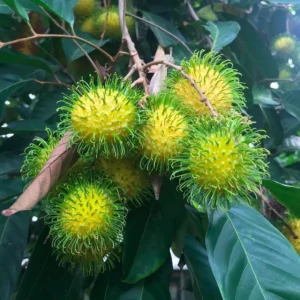
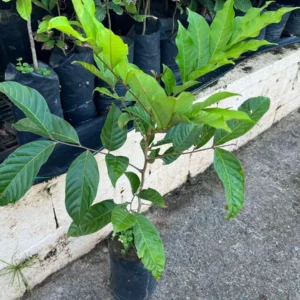
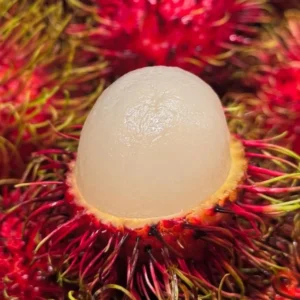
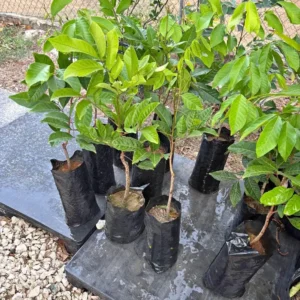
Product Details
-
USDA Hardiness Zone
USDA Zones 8-10 -
Soil type
Well-draining, slightly acidic to neutral loam -
Sunlight Exposure
Full sun to partial shade -
Expected Planting Period
Spring to early fall
Overview
Embark on a delightful gardening journey with the Shambola Loquat live plant. This exceptional tropical fruit tree, also known by its botanical name Eriobotrya japonica, is cherished for its sweet, tangy, and succulent fruits. Our organic loquat tree is carefully nurtured to ensure robust health and vigorous growth, making it an ideal addition to any home garden or orchard. The Shambola variety is particularly prized for its superior flavor and consistent yield, offering a taste of the exotic right in your backyard. Perfect for those looking to cultivate their own edible landscape, this live plant arrives ready to thrive, bringing both beauty and bounty.
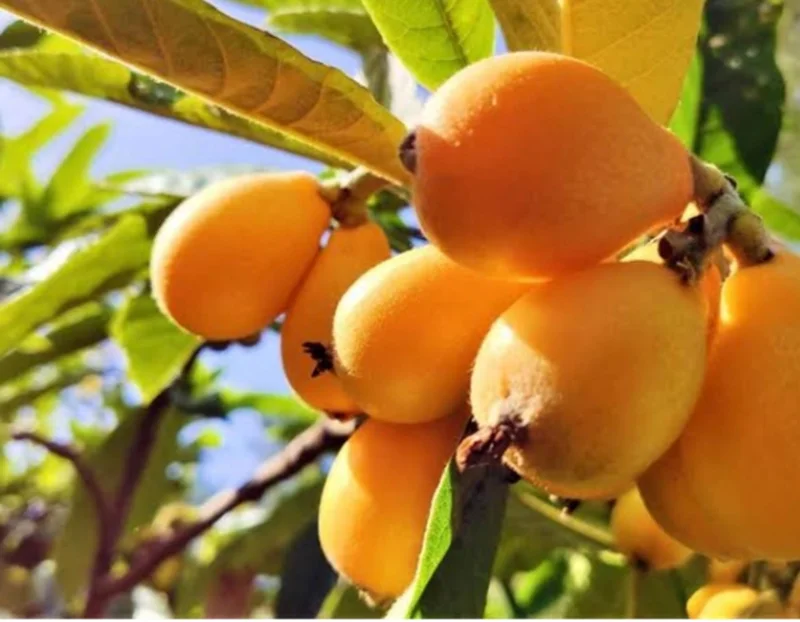
Loquats are beautiful evergreen trees that provide year-round interest with their attractive foliage and fragrant blossoms. Beyond their aesthetic appeal, the main draw is, of course, the fruit. The small, round to pear-shaped fruits ripen in late winter to early spring, offering a refreshing treat when most other fruits are out of season. Growing an organic loquat tree means you can enjoy fresh, pesticide-free fruit straight from the branch, knowing exactly how it was cultivated. This plant is a fantastic choice for both experienced gardeners and those new to growing tropical fruits.
Key Benefits
Cultivating a Shambola Loquat plant offers numerous advantages, from delicious harvests to ornamental value. This resilient tree is a rewarding addition to diverse garden settings.
- Abundant Organic Fruit Production: Enjoy a generous yield of sweet, juicy, and tangy loquats, perfect for fresh eating, jams, jellies, and desserts. Growing an organic loquat tree ensures your fruit is free from synthetic pesticides and chemicals.
- Year-Round Evergreen Beauty: The Shambola Loquat boasts attractive, leathery, dark green foliage that provides visual interest and shade throughout the year, enhancing your landscape’s aesthetic appeal.
- Early Season Harvest: Loquats ripen in late winter to early spring, offering a unique opportunity to enjoy fresh fruit when many other trees are dormant, providing a welcome burst of flavor.
- Adaptable and Resilient: This tropical fruit tree is surprisingly adaptable to various soil conditions and climates, showing good drought tolerance once established, making it a relatively low-maintenance option for gardeners.
- Fragrant Blossoms: In autumn and early winter, the tree produces clusters of small, fragrant white flowers that attract pollinators and fill the air with a delightful aroma, adding another layer of sensory pleasure to your garden.
- Nutrient-Rich Fruit: Loquats are not only delicious but also packed with vitamins, minerals, and antioxidants, contributing to a healthy diet.
- Enhanced Biodiversity: Planting a Shambola Loquat live plant can attract beneficial insects and birds to your garden, contributing to a healthier and more vibrant ecosystem.
Plant Care & Growing Tips
Proper care is essential for a thriving Shambola Loquat live plant. Loquats prefer a location with full sun to partial shade, ideally receiving at least 6-8 hours of direct sunlight per day for optimal fruit production. While they can tolerate some shade, too little sun may result in fewer fruits and slower growth. When it comes to watering, young trees require consistent moisture, especially during dry spells, to establish a strong root system. Once established, loquats are relatively drought-tolerant but will benefit from regular watering during prolonged dry periods, particularly when fruits are developing. Avoid overwatering, as this can lead to root rot.
The ideal soil for an organic loquat tree is well-draining loam with a slightly acidic to neutral pH (6.0-7.0). If your soil is heavy clay, amend it with organic matter like compost or aged manure to improve drainage. Good drainage is crucial for loquats. For fertilization, a balanced slow-release fertilizer can be applied in early spring before new growth begins. Follow the product instructions for application rates. Pruning is generally minimal; focus on removing dead, diseased, or crossing branches to maintain a strong structure and good air circulation. Light pruning can also help shape the tree and encourage fruit production. Loquats are generally hardy in USDA zones 8-10, though some varieties can tolerate zone 7 with protection. They can withstand light frosts but may suffer damage in prolonged freezing temperatures.
Common problems for loquats include occasional issues with scale insects or aphids, which can usually be managed with horticultural oil or insecticidal soap. Fire blight can also be a concern in some regions; promptly prune and destroy affected branches if observed. Ensuring good air circulation and avoiding overhead watering can help prevent fungal diseases. With proper care, your Shambola Loquat live plant will provide years of delicious fruit and ornamental beauty. Understanding how to grow loquat tree successfully involves paying attention to these basic needs.
Size & Details
This Shambola Loquat live plant is shipped in a half-gallon pot, providing a well-established root system for a smooth transition to your garden. The young tree typically stands between 18-30 inches tall at the time of shipment, depending on seasonal growth. Loquats are medium-sized evergreen trees, generally reaching a mature height of 10-25 feet with a spread of 10-20 feet, though they can be kept smaller with regular pruning. The growth rate is moderate, allowing the tree to develop a strong structure over several years. Expect your tree to begin producing fruit within 2-4 years of planting, with increasing yields as it matures. The plant is carefully packaged to ensure it arrives healthy and ready for planting in its new home.
Frequently Asked Questions
- Q: How big does this Shambola Loquat live plant get? A: This young plant arrives in a half-gallon pot, typically 18-30 inches tall. Mature loquat trees can reach 10-25 feet in height and 10-20 feet in spread, but their size can be managed with pruning.
- Q: Is this an indoor or outdoor plant? A: The Shambola Loquat live plant is primarily an outdoor tropical fruit tree, best suited for USDA Zones 8-10. In colder climates, it can be grown in a large container and moved indoors during winter.
- Q: How much sunlight does my organic loquat tree need? A: For optimal growth and fruit production, your loquat tree needs at least 6-8 hours of direct sunlight per day. It can tolerate partial shade, but full sun is preferred.
- Q: Is this plant easy to care for? A: Yes, loquats are relatively low-maintenance once established. They require consistent watering when young, well-draining soil, and occasional fertilization. Pruning is minimal.
- Q: When is the best time to plant a Shambola Loquat live plant? A: The best time to plant is in spring or early fall, allowing the tree to establish its root system before extreme temperatures. If planting in a container, it can be done any time of year.
- Q: What condition will the plant arrive in? A: Your Shambola Loquat live plant will arrive carefully packaged in its half-gallon pot, with its root ball intact and foliage protected, ensuring it is healthy and ready for planting.
- Q: How long until it produces fruit? A: Typically, a young loquat tree will begin to produce fruit within 2-4 years after planting, with fruit production increasing as the tree matures.
- Q: What kind of soil is best to grow loquat tree? A: Loquats thrive in well-draining, fertile soil with a slightly acidic to neutral pH. Amending heavy clay soils with organic matter is recommended to improve drainage.
- Q: Can I grow a tropical fruit plant like this in a container? A: Yes, loquats can be successfully grown in large containers, especially in colder climates where they can be brought indoors during winter. Ensure the container has good drainage.
- Q: Will it survive winter in my zone? A: Loquats are generally hardy in USDA Zones 8-10. In Zone 7, they may survive with protection, but prolonged freezing temperatures can cause damage.
Related products
-20%
Original price was: $60.00.$48.00Current price is: $48.00.
-20%
Original price was: $56.00.$44.80Current price is: $44.80.
-20%
Original price was: $80.00.$64.00Current price is: $64.00.
-20%
Original price was: $50.00.$40.00Current price is: $40.00.
-20%
Original price was: $32.00.$25.60Current price is: $25.60.
-20%
Original price was: $34.00.$27.20Current price is: $27.20.
-49%
Original price was: $59.38.$29.99Current price is: $29.99.
-10%
Original price was: $28.99.$26.09Current price is: $26.09.
PLANTING & CARE

Growing Glencoe Raspberry: A Complete Guide for Gardeners
If you’re looking to add something unique to your garden, look no further than the
31
Mar
Mar

The Comprehensive Guide to Growing Bay Leaf Plants for a Flavorful Garden
Imagine stepping into your garden, greeted by the earthy aroma of fresh bay leaves, their
09
Feb
Feb

How to Make Comfrey Tea: The Ultimate Organic Plant Food
Growing an organic garden can be surprisingly expensive, especially when most store-bought fertilizers come in
02
Feb
Feb

True Comfrey: 7 Essential Tips Before You Plant This Herb
A staple in permaculture practices across the US, True Comfrey easily earns its reputation as
27
Jan
Jan

7 Heart-Shaped Plants for a Lasting Valentine’s Gift
If you’ve ever bought a bouquet of roses for Valentine’s Day, you know they are
26
Jan
Jan

Best Types of Ivy Plant for Houses: How to Choose the Perfect Ones for Your Home
Are you a garden lover looking to introduce some greenery into your home? Maybe you’ve
14
Nov
Nov

When to Harvest Garlic (Especially Fall-Planted Garlic)
TIMING IS EVERYTHING, they say – and for garlic, that truth hits with surprising accuracy.
13
Nov
Nov

11 of the Best Sweet Potato Varieties to Grow for Your Garden
If you’ve ever tried growing sweet potatoes, you know that picking the right variety can
12
Nov
Nov