Organic Sweet Tamarind Live Plant – Tamarindus indica – 18-22 inch Tall – 1 Gallon Pot

Organic Sweet Tamarind Live Plant – Tamarindus indica – 18-22 inch Tall – 1 Gallon Pot
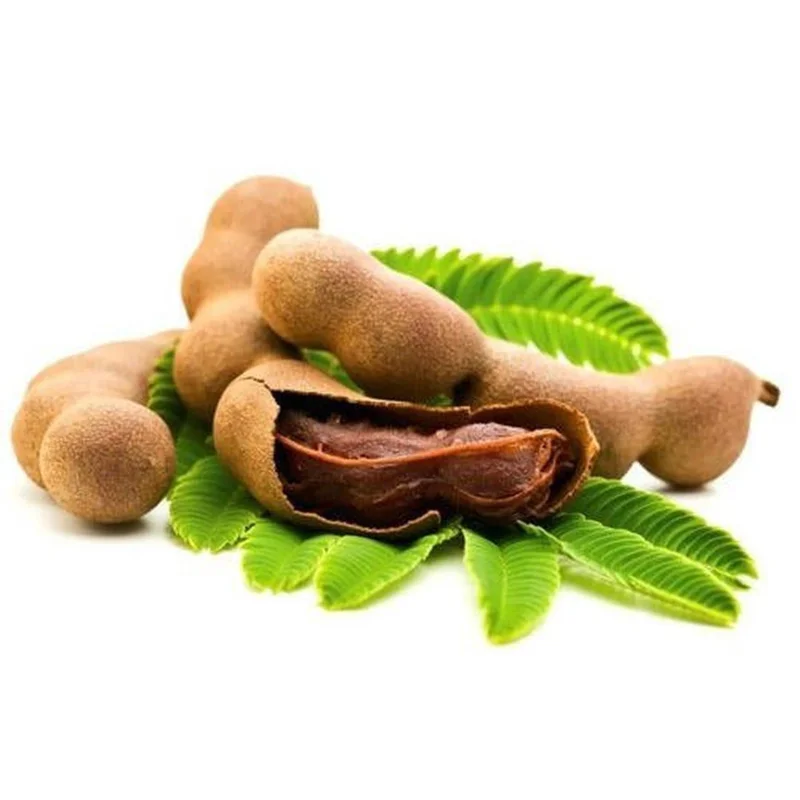
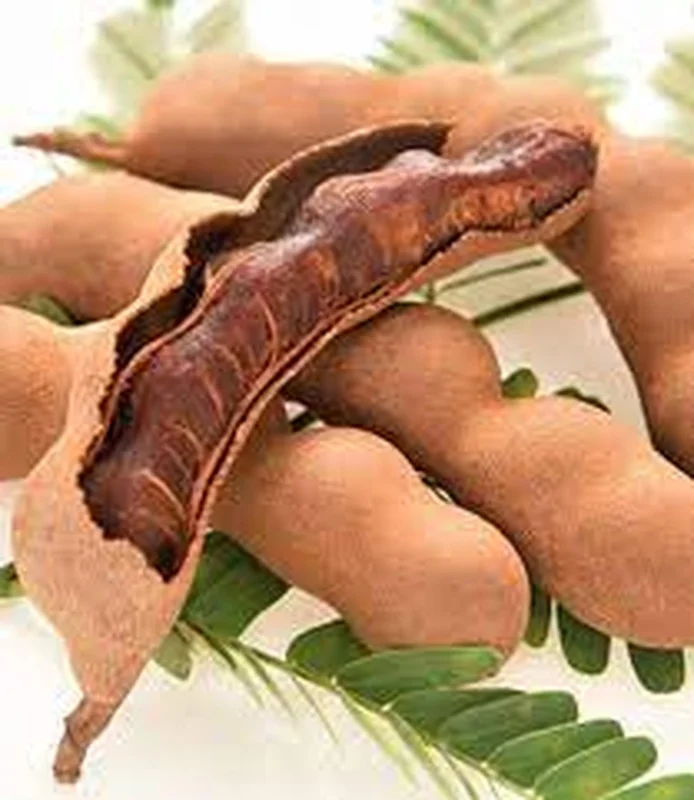
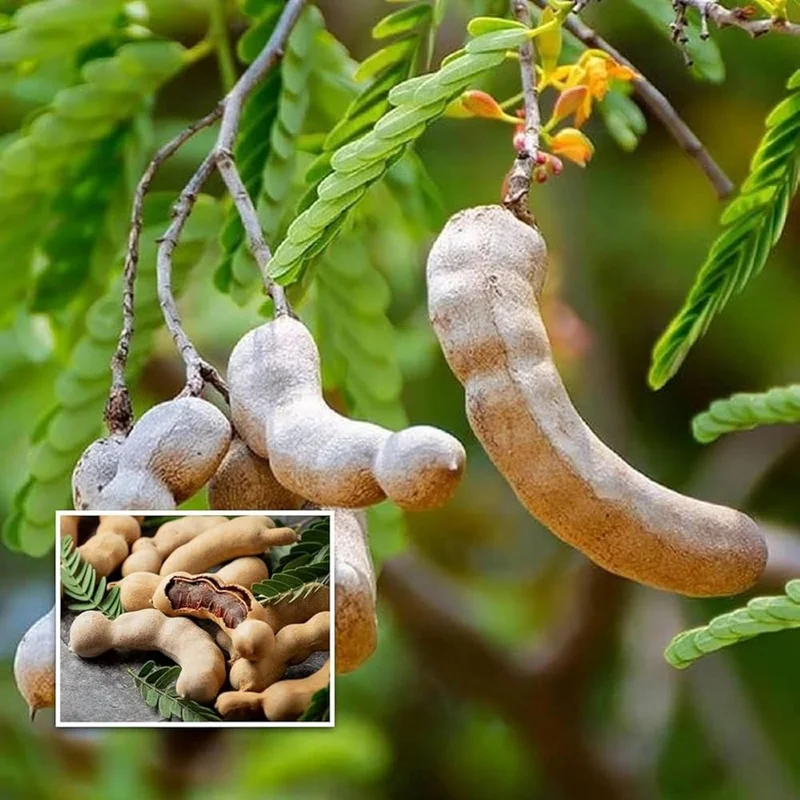
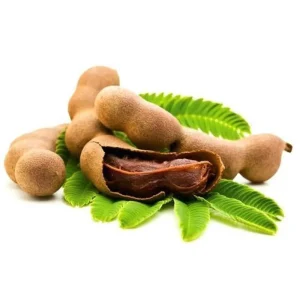
Bring the tropics to your home with an organic sweet tamarind live plant. This tamarindus indica plant, standing 18-22 inches tall in a 1-gallon pot, is perfect for growing your own delicious fruit. Enjoy fresh, tangy pods from your very own organic tamarind tree.
$57.96

With our Alive & Thrive Guarantee, we’ve got your back for the first 30 days! If you have any concerns about your plants, just reach out to us. Our team is here to help answer your questions and guide you in selecting the best plants for your garden, climate, and unique preferences. We're excited to help you create the garden of your dreams!
Estimated arrival
Mar 31
Apr 05 - Apr 07
Apr 10 - Apr 14
Product Details
-
USDA Hardiness Zone
USDA Zones 9-11 (outdoors); container plant for other zones -
Soil type
Well-draining potting mix -
Sunlight Exposure
Full sun (6-8+ hours direct light) -
Expected Planting Period
Year-round indoors; Spring to early summer outdoors in suitable zones
Overview
Cultivate your own exotic flavors with this exceptional sweet tamarind live plant. Known botanically as Tamarindus indica, this tropical fruit tree is cherished for its delicious, tangy-sweet pods used in a myriad of culinary applications worldwide. Our tamarindus indica plant arrives as a vibrant, healthy specimen, typically standing between 18-22 inches tall. This particular variety is organically grown, ensuring you receive a plant free from synthetic pesticides and fertilizers. Whether you’re an experienced gardener or a budding enthusiast, growing your own organic tamarind tree can be a rewarding experience, providing both ornamental beauty and a bountiful harvest of fresh tamarind pods. This live plant is ready to be transitioned into a larger container or planted in a suitable outdoor environment, given the right climate conditions.
The tamarind tree is a long-lived, evergreen species native to tropical Africa, but it has been cultivated in India for so long that it is sometimes associated with that region. It’s a versatile plant that can adapt to various growing conditions, making it a wonderful addition to your home or garden. Its feathery foliage provides a delicate aesthetic, while its robust nature promises a satisfying growth journey. Prepare to enjoy the unique taste and numerous health benefits of fresh, home-grown tamarind.
Key Benefits
Beyond its striking appearance, the sweet tamarind live plant offers a wealth of advantages for the home gardener and culinary enthusiast. From fresh fruit to a beautiful addition to your landscape, this plant provides numerous benefits:
- Delicious Fruit Production: Enjoy fresh, organic tamarind pods directly from your own tree. The sweet-tangy pulp is perfect for sauces, drinks, desserts, and savory dishes, offering an authentic tropical flavor that store-bought varieties often lack.
- Ornamental Value: The tamarindus indica plant boasts attractive, feathery foliage and a graceful growth habit, making it an excellent specimen tree for landscaping or a beautiful potted plant on a patio. Its dense canopy provides shade and a lush, tropical feel.
- Culinary Versatility: The fruit pulp is a staple in many global cuisines, including Asian, Latin American, and African dishes. It can be used to make chutneys, curries, marinades, candies, and refreshing beverages, adding a unique sour and sweet depth.
- Health Benefits: Tamarind is rich in vitamins (especially B vitamins), minerals, and dietary fiber. It’s known for its antioxidant properties and traditional uses in digestive health, making your home-grown fruit a healthy addition to your diet.
- Long-Lived & Resilient: Tamarind trees are known for their longevity and resilience, capable of thriving for many decades with proper care. This means your initial investment in an organic tamarind tree can provide years of enjoyment and harvest.
- Educational Experience: Growing tamarind at home offers a fantastic opportunity to learn about tropical horticulture and sustainable food production. It’s an engaging project for families and a fulfilling hobby for anyone interested in exotic plants.
- Unique Garden Addition: Stand out from typical garden varieties by cultivating this distinctive tropical fruit tree. It adds an element of exotic appeal and conversation to any plant collection.
Plant Care & Growing Tips
Caring for your sweet tamarind live plant involves understanding its tropical origins and providing an environment that mimics its natural habitat. Tamarind trees thrive in full sun, requiring at least 6-8 hours of direct sunlight per day to produce the best fruit. If growing indoors or in a greenhouse, ensure it receives ample bright light, possibly supplementing with grow lights during shorter days. They prefer warm temperatures and are not frost-tolerant; temperatures below freezing can severely damage or kill the plant. For most of the US, this means it will need to be grown in a container and brought indoors during colder months, unless you are in a truly tropical zone.
When it comes to watering, the tamarindus indica plant prefers consistent moisture, especially when young. Water thoroughly when the top inch or two of soil feels dry, but avoid overwatering, which can lead to root rot. Good drainage is crucial. Use a well-draining potting mix, ideally one formulated for tropical plants or citrus. Fertilize regularly during the growing season (spring through fall) with a balanced, slow-release fertilizer or a liquid feed at half strength every 2-4 weeks. Reduce fertilization in winter when growth slows. Pruning can be done to shape the tree and encourage branching, as well as to remove any dead or diseased limbs. With proper care, your organic tamarind tree will flourish and reward you with its unique fruit.
Size & Details
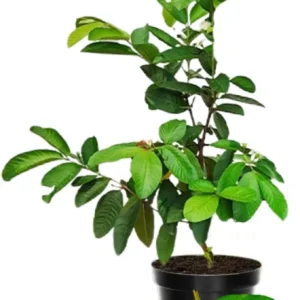
This sweet tamarind live plant is currently supplied in a 1-gallon nursery pot, making it easy to transplant. The plant typically stands between 18 to 22 inches tall from the base of the pot to the top of the foliage, providing a good head start for growth. Tamarind trees are moderate to fast growers, and with optimal conditions, they can reach significant sizes in the landscape, often up to 40-60 feet tall, though container-grown plants will remain much smaller and can be pruned to maintain a manageable size. Expect the tree to begin flowering and fruiting within 3-5 years under ideal conditions. It ships as a healthy, actively growing plant, ready for its new home. This size is ideal for establishing a robust root system and ensuring successful transition, whether you’re growing tamarind at home in a large pot or in the ground in appropriate climates.
Frequently Asked Questions
- Q: How big does this sweet tamarind live plant get? A: In its natural habitat, a tamarind tree can grow quite large, up to 40-60 feet tall. However, when grown in a container, its size can be managed through pruning, typically staying much smaller, around 6-15 feet, depending on the pot size and pruning regimen.
- Q: Is this an indoor or outdoor plant? A: The tamarindus indica plant is a tropical species. It thrives outdoors in USDA Zones 9-11 where there is no frost. In colder climates, it should be grown in a container and brought indoors during the cooler months to protect it from freezing temperatures.
- Q: What size pot does it come in? A: This organic sweet tamarind tree is shipped in a 1-gallon nursery pot. Upon arrival, it’s recommended to transplant it into a larger pot (3-5 gallons initially) or directly into the ground if you are in a suitable climate zone.
- Q: How much sunlight does it need? A: Tamarind trees require full sun, meaning at least 6 to 8 hours of direct sunlight per day. If growing indoors, place it in the brightest possible location, such as a south-facing window, or use supplemental grow lights.
- Q: Is this plant easy to care for? A: While tropical, tamarind trees are relatively resilient. They are considered moderately easy to care for, requiring consistent watering, plenty of sunlight, and protection from cold. Growing tamarind at home is a rewarding experience for those willing to provide its basic needs.
- Q: What condition will it arrive in? A: Your sweet tamarind live plant will arrive carefully packaged as a healthy, actively growing plant in its 1-gallon nursery pot, with soil intact. We take great care to ensure it reaches you in the best possible condition.
- Q: How long until it produces fruit? A: Typically, a tamarind tree grown from seed or a young plant like this one will begin to produce fruit within 3 to 5 years, given optimal growing conditions and proper care.
- Q: What type of soil is best for growing tamarind at home? A: A well-draining soil mix is essential. A good quality potting mix amended with perlite or sand for extra drainage, or a mix specifically designed for tropical fruits or citrus, would be ideal for your tamarindus indica plant.
- Q: What’s the minimum temperature this plant can tolerate? A: The organic tamarind tree is very sensitive to cold. It can tolerate brief dips to around 32°F (0°C), but sustained temperatures below 40°F (4°C) can cause significant damage or death. It must be protected from frost.
- Q: Can I use the fruit right away once it ripens? A: Yes, once the pods mature and ripen (they will typically turn brown and become brittle), you can crack them open and enjoy the pulp fresh, or use it in various culinary preparations.
Related products
-10%
Original price was: $89.99.$80.99Current price is: $80.99.
-50%
Original price was: $39.98.$19.99Current price is: $19.99.
-10%
Original price was: $158.00.$142.20Current price is: $142.20.
-20%
Original price was: $32.00.$25.60Current price is: $25.60.
-20%
Original price was: $32.00.$25.60Current price is: $25.60.
-20%
Original price was: $66.00.$52.80Current price is: $52.80.
-10%
Original price was: $28.99.$26.09Current price is: $26.09.
PLANTING & CARE

Growing Glencoe Raspberry: A Complete Guide for Gardeners
If you’re looking to add something unique to your garden, look no further than the
31
Mar
Mar

The Comprehensive Guide to Growing Bay Leaf Plants for a Flavorful Garden
Imagine stepping into your garden, greeted by the earthy aroma of fresh bay leaves, their
09
Feb
Feb

How to Make Comfrey Tea: The Ultimate Organic Plant Food
Growing an organic garden can be surprisingly expensive, especially when most store-bought fertilizers come in
02
Feb
Feb

True Comfrey: 7 Essential Tips Before You Plant This Herb
A staple in permaculture practices across the US, True Comfrey easily earns its reputation as
27
Jan
Jan

7 Heart-Shaped Plants for a Lasting Valentine’s Gift
If you’ve ever bought a bouquet of roses for Valentine’s Day, you know they are
26
Jan
Jan

Best Types of Ivy Plant for Houses: How to Choose the Perfect Ones for Your Home
Are you a garden lover looking to introduce some greenery into your home? Maybe you’ve
14
Nov
Nov

When to Harvest Garlic (Especially Fall-Planted Garlic)
TIMING IS EVERYTHING, they say – and for garlic, that truth hits with surprising accuracy.
13
Nov
Nov

11 of the Best Sweet Potato Varieties to Grow for Your Garden
If you’ve ever tried growing sweet potatoes, you know that picking the right variety can
12
Nov
Nov