Organic Wild Ramps Bulbs – Allium tricoccum Bare Roots – Perennial Edible
-20%
Organic Wild Ramps Bulbs – Allium tricoccum Bare Roots – Perennial Edible
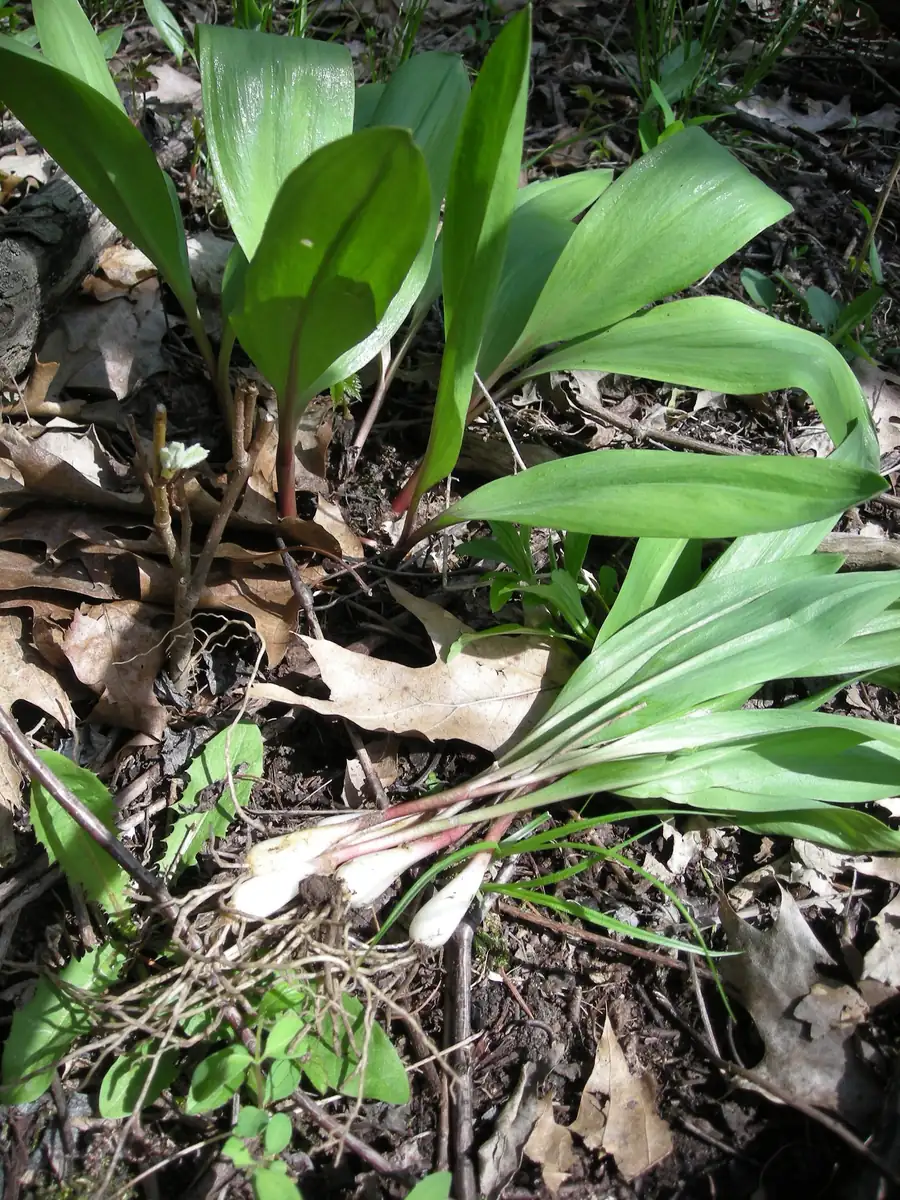
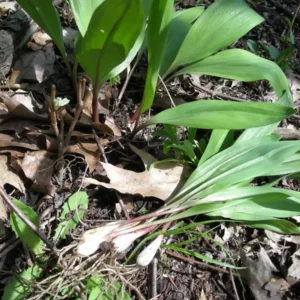
Discover the unique flavor of organic wild ramps bulbs (Allium tricoccum), a prized culinary herb. These healthy Allium tricoccum bare root bulbs are ready for wild ramps planting in your shaded garden, providing a sustainable, perennial harvest for delicious ramps for culinary use.
- Gourmet onion-garlic flavor
- Organically grown bare roots
- Thrives in shaded woodland gardens
- Perennial and self-spreading
From Original price was: $22.00.$17.60Current price is: $17.60.

With our Alive & Thrive Guarantee, we’ve got your back for the first 30 days! If you have any concerns about your plants, just reach out to us. Our team is here to help answer your questions and guide you in selecting the best plants for your garden, climate, and unique preferences. We're excited to help you create the garden of your dreams!
Estimated arrival
Mar 31
Apr 05 - Apr 07
Apr 10 - Apr 14
Product Details
-
USDA Hardiness Zone
USDA Zones 3-8 -
Soil type
Rich, moist, well-draining soil with high organic matter -
Sunlight Exposure
Dappled shade to deep shade -
Expected Planting Period
Fall or very early spring
Overview
Discover the joy of cultivating your own gourmet ingredients with these premium organic wild ramps bulbs. Also known by their botanical name, Allium tricoccum bare root, these highly sought-after woodland edibles are a true delicacy, prized for their unique onion-garlic flavor and aroma. When you purchase these organic wild ramps bulbs, you’re investing in a sustainable and rewarding gardening experience. Each order provides healthy bare root bulbs, carefully harvested to ensure optimal viability and ready for immediate planting. Ramps are a harbinger of spring, emerging with tender leaves that offer a distinct taste unmatched by any other plant. They are an excellent addition to shaded garden areas, naturalizing over time to provide a perennial harvest for years to come. Enjoy the satisfaction of growing these native North American plants right in your backyard, knowing they are organically cultivated for purity and robust growth.
These organic wild ramps bulbs are perfect for gardeners looking to add a unique, edible perennial to their landscape. Their ease of establishment and ability to spread make them a low-maintenance choice for creating a thriving patch. With proper care, you can expect a reliable supply of fresh ramps every spring.
Key Benefits
Growing organic wild ramps bulbs offers a multitude of benefits, from culinary adventures to ecological contributions. These versatile plants are more than just a tasty treat; they are a valuable addition to any garden, making it easy to grow wild ramps.
- Gourmet Culinary Delicacy: Enjoy the distinctive, pungent flavor that blends garlic and onion notes, perfect for spring dishes like stir-fries, omelets, pestos, and more. Having fresh ramps for culinary use allows for unparalleled culinary creativity.
- Organic and Sustainable: Our Allium tricoccum bare root bulbs are organically grown, ensuring you receive healthy, chemical-free plants. This promotes ecological balance in your garden and provides peace of mind regarding what you consume.
- Perennial & Self-Spreading: Once established, wild ramps will return year after year, slowly spreading to form beautiful colonies. This makes them a low-maintenance, long-term investment for your edible landscape.
- Woodland Garden Enhancement: Ideal for shaded areas where many other plants struggle, ramps thrive under deciduous trees, filling an often-underutilized niche in your garden. They contribute to a lush, natural aesthetic.
- Early Spring Harvest: Ramps are among the first edible plants to emerge in spring, providing fresh greens when other garden produce is still dormant. This early harvest is a welcome sign of warmer weather and fresh flavors.
- Ecological Value: As native plants, ramps support local ecosystems, providing early season forage for pollinators and contributing to biodiversity in your garden space.
- Easy to Grow from Bare Root: These bare root bulbs are simple to plant and establish, making wild ramps planting accessible for gardeners of all experience levels, with clear instructions provided.
Plant Care & Growing Tips
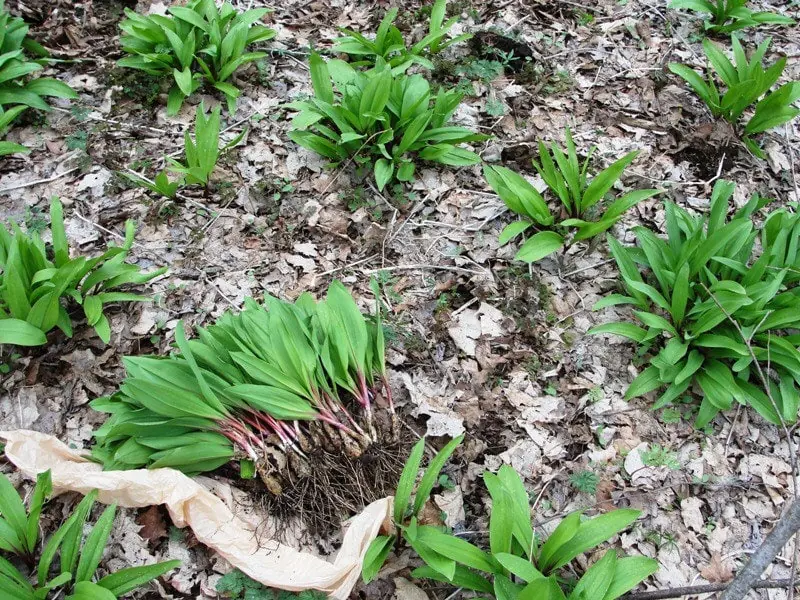
Successful wild ramps planting begins with understanding their specific needs. Ramps thrive in conditions that mimic their natural woodland habitat. They prefer cool, moist, and shaded environments. The ideal location for your organic wild ramps bulbs is under deciduous trees where they receive dappled sunlight in early spring before the tree canopy fills in, and then deep shade during the summer. Avoid areas with full, direct sun exposure, as this can scorch their leaves and hinder growth.
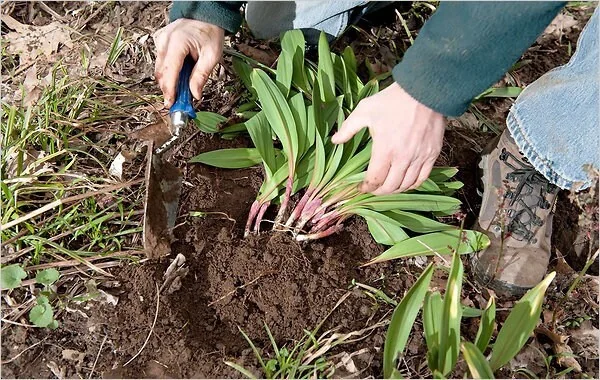
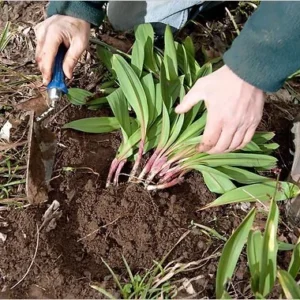
When it comes to soil, ramps require rich, moist, well-draining soil with a high organic matter content. Amend your planting area generously with compost, leaf mold, or other organic materials to create a loose, fertile substrate. The soil pH should ideally be slightly acidic to neutral (6.0-7.0). Plant the Allium tricoccum bare root bulbs about 2-3 inches deep and 4-6 inches apart, with the pointed end facing upwards. After planting, water thoroughly. Keep the soil consistently moist, especially during their active growing period in spring. Mulching with leaf litter will help retain moisture, suppress weeds, and provide nutrients as it breaks down, mimicking their natural forest floor environment. Ramps are hardy in USDA Zones 3-8, tolerating cold winters as long as they have good snow cover or leaf litter for insulation.
Fertilization is generally not necessary if the soil is rich in organic matter. However, a light application of a balanced organic fertilizer in very early spring can encourage more robust growth. Pests are rarely an issue for wild ramps, making them a relatively low-maintenance crop. The biggest challenge is often patience, as it can take a few years for a patch to become fully established and ready for sustainable harvesting. To grow wild ramps successfully, resist the urge to over-harvest young plants. Allow them to mature and spread, taking only a small portion of leaves from each plant or harvesting whole plants sparingly from dense patches. This ensures a continuous supply for ramps for culinary use for years to come.
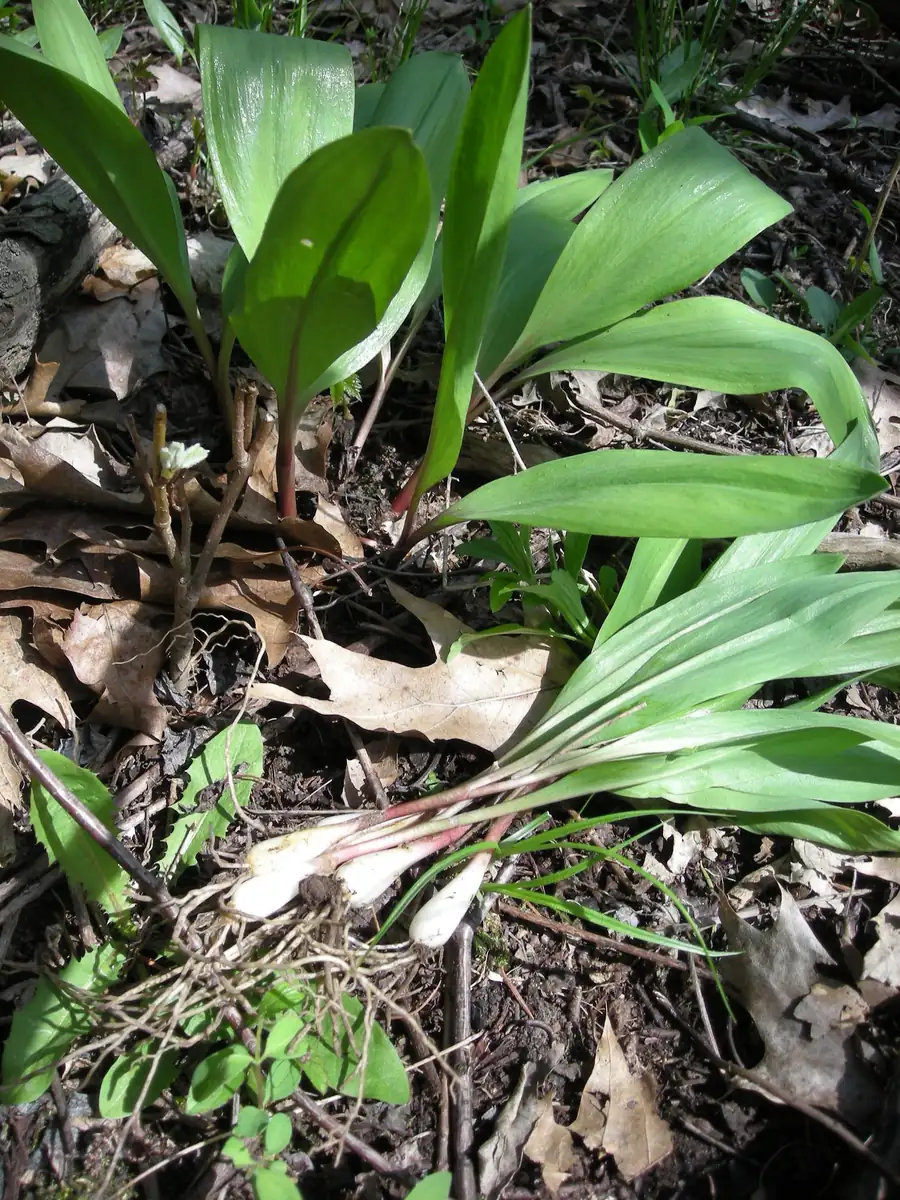
Size & Details
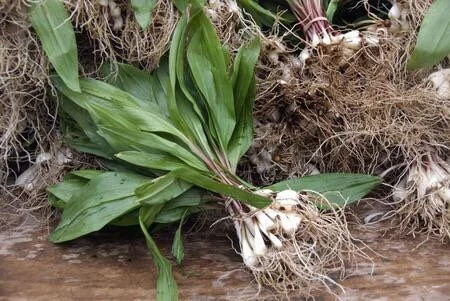
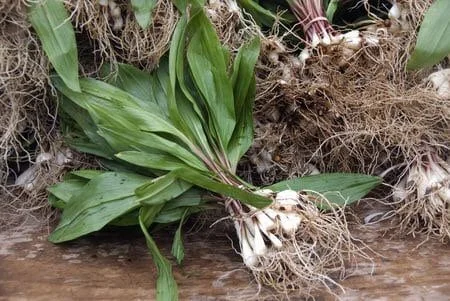
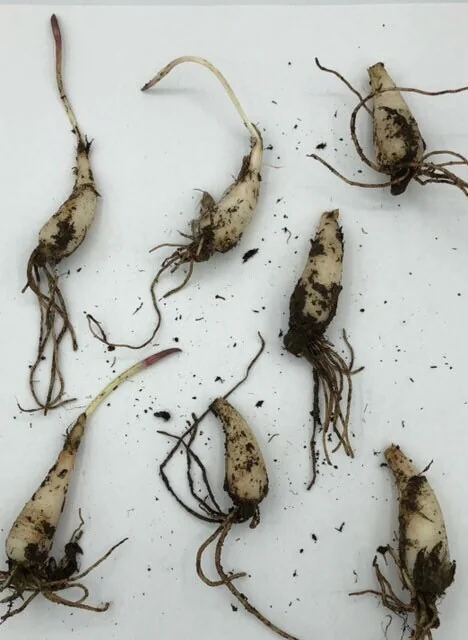
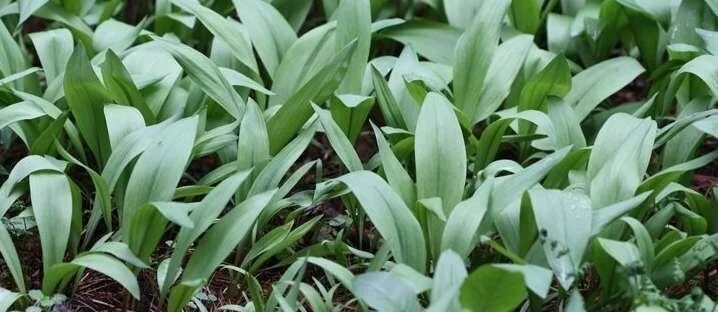
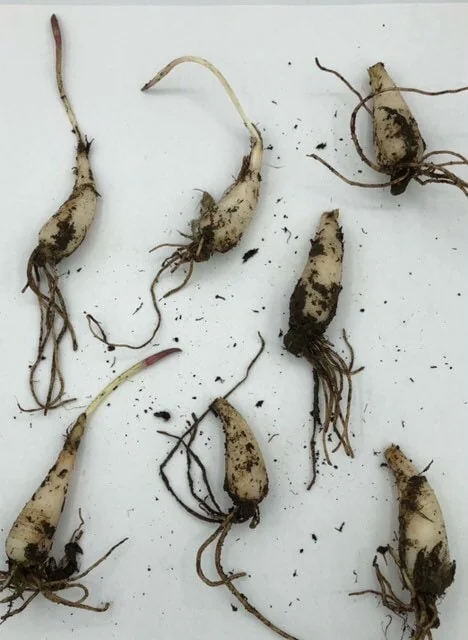
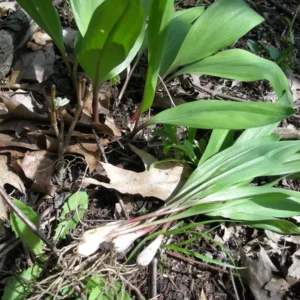
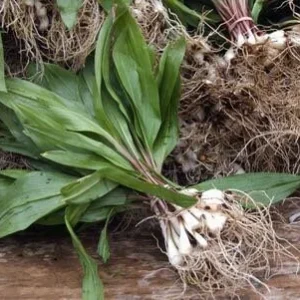
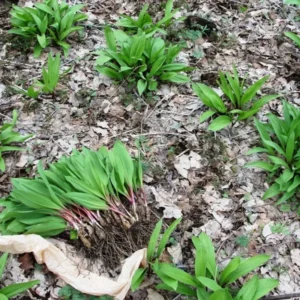
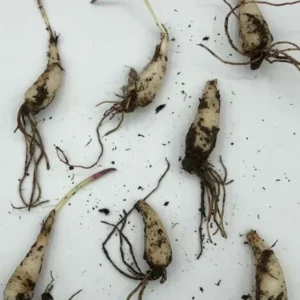
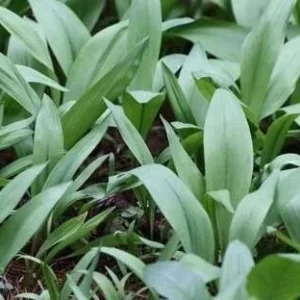
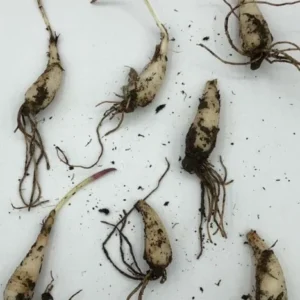
Each order contains healthy organic wild ramps bulbs provided as bare roots, ensuring they are ready for planting upon arrival. These bare roots are typically 0.25 to 0.75 inches in diameter, varying naturally in size as they are harvested fresh. When planted, these bulbs will establish themselves and begin to produce leaves in early spring. Mature wild ramp plants typically reach a height of 8 to 18 inches, with broad, flat, lily-like leaves and a small cluster of white flowers that appear after the leaves have started to die back in late spring or early summer. They grow at a moderate rate, slowly forming expanding patches over several seasons. While initial growth may seem slow, once established, they become a robust perennial that reliably returns each year. These bulbs are shipped without tops to ensure their energy is focused on root establishment and future growth, promoting a strong start in your garden.
Frequently Asked Questions
- Q: How big do these wild ramps get? A: Once established, wild ramp plants typically grow to a height of 8 to 18 inches. Their broad leaves emerge in early spring, followed by small white flower stalks later in the season.
- Q: Is this an indoor or outdoor plant? A: Wild ramps are primarily an outdoor plant, thriving in woodland or shaded garden settings. They require a period of dormancy, which is best achieved outdoors through natural seasonal temperature changes.
- Q: How much sunlight do wild ramps need? A: Wild ramps prefer dappled shade to deep shade. They need early spring sunlight before deciduous trees leaf out, and then consistent shade throughout the summer. Direct, harsh sunlight should be avoided to successfully grow wild ramps.
- Q: Are these organic wild ramps bulbs easy to care for? A: Yes, once properly established in their preferred shaded, moist, and rich soil conditions, organic wild ramps bulbs are relatively low-maintenance. They are a perennial plant that will return year after year with minimal intervention.
- Q: What condition will the Allium tricoccum bare root arrive in? A: Your Allium tricoccum bare root bulbs will arrive fresh and healthy, harvested per order and shipped without their tops to ensure maximum viability for planting. They will be ready for immediate planting upon receipt.
- Q: Can I use wild ramps for culinary use? A: Absolutely! Ramps are highly prized for their unique garlic-onion flavor and are excellent for ramps for culinary use. Their leaves, bulbs, and even flowers are edible and can be used in a variety of spring dishes.
- Q: When is the best time for wild ramps planting? A: The best time for wild ramps planting is in the fall or very early spring, after the last hard frost but before the heat of summer. This allows the bulbs to establish their root systems before the growing season.
- Q: What’s the minimum temperature these organic wild ramps bulbs can tolerate? A: Wild ramps are very cold hardy, typically thriving in USDA Zones 3-8. They can withstand freezing temperatures and require a cold dormancy period to grow effectively.
- Q: What kind of soil is best for growing wild ramps? A: To grow wild ramps successfully, they need rich, moist, well-draining soil with plenty of organic matter, such as compost or leaf mold. A slightly acidic to neutral pH is ideal.
- Q: How long until I can harvest from my organic wild ramps bulbs? A: While you might get a light harvest in the second year, it’s best to wait 3-5 years for your patch to fully establish before harvesting regularly. This ensures the long-term health and spread of your wild ramps.
| Size | 1 Bulb, 10 Bulbs, 100 Bulbs, 15 Bulbs, 2 Bulbs, 20 Bulbs, 200 Bulbs, 25 Bulbs, 30 Bulbs, 40 Bulbs, 5 Bulbs, 50 Bulbs |
|---|
Related products
-50%
Original price was: $107.96.$53.98Current price is: $53.98.
-67%
Original price was: $39.72.$13.24Current price is: $13.24.
-30%
Original price was: $59.98.$41.98Current price is: $41.98.
-10%
Original price was: $75.00.$67.50Current price is: $67.50.
-30%
Original price was: $59.98.$41.98Current price is: $41.98.
-50%
Original price was: $27.96.$13.98Current price is: $13.98.
-50%
Original price was: $79.96.$39.98Current price is: $39.98.
-30%
Original price was: $59.98.$41.98Current price is: $41.98.
PLANTING & CARE
Growing Glencoe Raspberry: A Complete Guide for Gardeners
If you’re looking to add something unique to your garden, look no further than the
31
Mar
Mar

The Comprehensive Guide to Growing Bay Leaf Plants for a Flavorful Garden
Imagine stepping into your garden, greeted by the earthy aroma of fresh bay leaves, their
09
Feb
Feb

How to Make Comfrey Tea: The Ultimate Organic Plant Food
Growing an organic garden can be surprisingly expensive, especially when most store-bought fertilizers come in
02
Feb
Feb

True Comfrey: 7 Essential Tips Before You Plant This Herb
A staple in permaculture practices across the US, True Comfrey easily earns its reputation as
27
Jan
Jan

7 Heart-Shaped Plants for a Lasting Valentine’s Gift
If you’ve ever bought a bouquet of roses for Valentine’s Day, you know they are
26
Jan
Jan

Best Types of Ivy Plant for Houses: How to Choose the Perfect Ones for Your Home
Are you a garden lover looking to introduce some greenery into your home? Maybe you’ve
14
Nov
Nov

When to Harvest Garlic (Especially Fall-Planted Garlic)
TIMING IS EVERYTHING, they say – and for garlic, that truth hits with surprising accuracy.
13
Nov
Nov

11 of the Best Sweet Potato Varieties to Grow for Your Garden
If you’ve ever tried growing sweet potatoes, you know that picking the right variety can
12
Nov
Nov