Ornamental Oregano ‘Kent Beauty’ Live Plant – Trailing Perennial, 2.5 x 3.5 Inch Pot
-49%
Ornamental Oregano ‘Kent Beauty’ Live Plant – Trailing Perennial, 2.5 x 3.5 Inch Pot
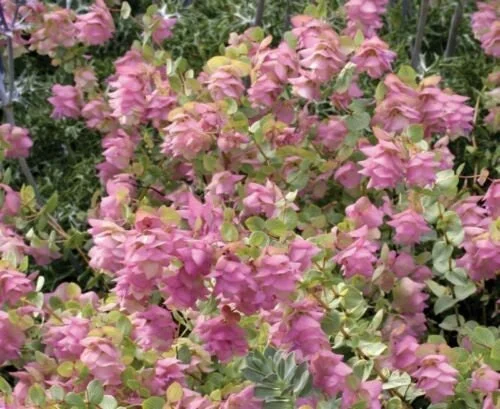
Enhance your garden with ornamental oregano kent beauty, a beautiful trailing perennial. This unique plant features attractive silver-veined foliage and delicate pink, hop-like flowers from summer to fall. Ideal for rock gardens, containers, or as a groundcover.
Original price was: $30.90.$15.90Current price is: $15.90.

With our Alive & Thrive Guarantee, we’ve got your back for the first 30 days! If you have any concerns about your plants, just reach out to us. Our team is here to help answer your questions and guide you in selecting the best plants for your garden, climate, and unique preferences. We're excited to help you create the garden of your dreams!
Estimated arrival
May 05
May 10 - May 12
May 15 - May 19

Product Details
-
USDA Hardiness Zone
6-9 -
Soil type
Gritty sandy loam, well-draining -
Sunlight Exposure
Full sun to partial shade -
Expected Planting Period
Spring to early summer
Overview
Introduce a touch of elegance and charm to your garden with the exquisite ornamental oregano kent beauty. This stunning hybrid perennial, scientifically known as Origanum ‘Kent Beauty’, is a true gem among decorative plants. Unlike its culinary cousins, this variety is primarily grown for its exceptional visual appeal, making it a fantastic addition to any landscape. It develops into a bushy, trailing plant, perfect for cascading over retaining walls, filling containers, or adorning rock gardens. Its unique beauty lies in its distinctive foliage and charming flowers, offering continuous interest from summer through fall. The ‘Kent Beauty’ ornamental oregano thrives in well-drained conditions, making it relatively easy to care for and a rewarding choice for both novice and experienced gardeners seeking a sophisticated yet hardy plant.
The Origanum ‘Kent Beauty’ is celebrated for its delicate yet robust nature. It’s a plant that commands attention without being overly demanding. Its ability to adapt to various outdoor settings, from full sun to partial shade, makes it a versatile option for different garden designs. Whether you’re looking to create a Mediterranean-inspired space or simply add some texture and color to your existing beds, this ornamental oregano kent beauty will not disappoint. Its aromatic foliage, while typically not used for cooking, adds another layer of sensory pleasure to your garden experience.
Key Benefits
The ornamental oregano kent beauty offers a multitude of benefits, making it a highly desirable plant for various garden applications. Its unique aesthetic and easy-care nature ensure it stands out.
- Exceptional Ornamental Value: The primary appeal of this plant is its striking visual display. It produces unique, drooping pink-bracted, hop-like flowers that bloom profusely from summer to fall, adding a soft, romantic touch to your garden. The silver-veined, oval foliage provides an attractive backdrop throughout the growing season.
- Versatile Trailing Growth Habit: As a trailing oregano plant, ‘Kent Beauty’ is perfect for hanging baskets, elevated planters, rock gardens, or as an attractive groundcover. Its bushy habit allows it to spill gracefully, creating a lush and full appearance.
- Drought-Tolerant and Low Maintenance: Once established, this plant is remarkably drought-tolerant, requiring minimal watering. It thrives on neglect, making it an excellent choice for busy gardeners or those in drier climates.
- Attracts Pollinators: The abundant flowers of the ‘Kent Beauty’ attract beneficial pollinators like bees and butterflies to your garden, contributing to a healthier ecosystem.
- Aromatic Foliage: While not typically used culinarily, the foliage is aromatic, releasing a pleasant scent when brushed against. This adds another sensory dimension to your outdoor space.
- Good Dried Flower Potential: The distinctive hop-like flowers retain their beauty when dried, making them suitable for floral arrangements and crafts, extending the plant’s decorative use indoors.
- Hardy Perennial: This perennial oregano plant returns year after year in USDA Zones 6-9, providing long-lasting beauty and reducing the need for annual replanting.
Plant Care & Growing Tips
Caring for your ornamental oregano kent beauty is straightforward, especially when provided with the right conditions. This resilient plant prefers a sunny location and excellent drainage to truly flourish. For sunlight, aim for at least 6 hours of direct sun per day. In hotter climates, some afternoon shade can be beneficial to prevent scorching, but generally, full sun encourages the best flowering and foliage color. When planting, ensure your chosen spot has superior soil drainage. This plant absolutely detests wet feet, so a gritty, sandy loam mix is ideal. If planting in a container, use a high-quality potting mix amended with perlite or sand to enhance drainage.
Watering should be done sparingly once the plant is established. Allow the soil to dry out completely between waterings to prevent root rot. Overwatering is the most common cause of problems for this plant. During prolonged dry spells or extreme heat, a deeper watering may be necessary, but always check the soil moisture first. The ‘Kent Beauty’ is hardy in USDA Zones 6-9, meaning it can withstand winter temperatures in these regions. In colder zones, it can be grown as an annual or brought indoors during winter. Fertilize lightly in spring with a balanced, slow-release fertilizer if desired, but avoid over-fertilizing as this can lead to leggy growth rather than dense foliage and flowers. Pruning can be done after the first flush of blooms to encourage a bushier habit and more flowers, or in late winter/early spring to tidy up the plant.
While generally pest and disease resistant, ensure good air circulation to prevent fungal issues in humid conditions. This healthy kent beauty live plant will provide years of enjoyment with proper care. Look for signs of stress such as yellowing leaves (often from overwatering) or leggy growth (lack of sun). Addressing these issues promptly will keep your decorative oregano for gardens thriving.
Size & Details
This offering is for one well-rooted ornamental oregano kent beauty live plant, carefully nurtured in a 2 1/2 x 3 1/2 inch pot. Upon arrival, the plant will be ready for transplanting into your garden bed, rockery, or a larger container. This trailing perennial typically reaches a height of 6-12 inches with a spread of 12-18 inches, forming a lovely mound of silver-veined foliage and delicate flowers. Its moderate growth rate allows it to establish quickly in suitable conditions. The unique drooping pink-bracted, hop-like flowers are a highlight, appearing from early summer and continuing their display all the way through to fall, providing extended seasonal interest. It is a robust and healthy starter plant, perfect for establishing a beautiful display in its first season.
Frequently Asked Questions
- Q: How big does this ornamental oregano kent beauty get? A: This plant typically grows to a height of 6-12 inches and can spread 12-18 inches wide, creating a bushy, trailing effect ideal for cascading over edges or as a groundcover.
- Q: Is this an indoor or outdoor plant? A: Origanum ‘Kent Beauty’ is primarily an outdoor plant, thriving in full sun to partial shade. In USDA Zones 6-9, it is a hardy perennial. In colder climates, it can be grown as an annual or brought indoors for winter protection.
- Q: How much sunlight does it need? A: For optimal growth and flowering, the trailing oregano plant prefers at least 6 hours of direct sunlight per day. In very hot climates, some afternoon shade can be beneficial.
- Q: What condition will the kent beauty live plant arrive in? A: Your plant will arrive as a well-rooted specimen in a 2 1/2 x 3 1/2 inch pot, carefully packaged to ensure its health during transit. It will be ready for immediate planting upon arrival.
- Q: Is this plant easy to care for? A: Yes, this perennial oregano plant is considered low-maintenance, especially once established. Its main requirements are ample sunlight and excellent soil drainage.
- Q: When is the best time to plant ornamental oregano ‘Kent Beauty’? A: The best time to plant is in spring after the last frost, allowing it to establish before the heat of summer. It can also be planted in early fall in milder climates.
- Q: Will it survive winter in my zone? A: This plant is hardy in USDA Zones 6-9. If you are in these zones, it should survive winter outdoors. In colder zones, it will need winter protection or can be treated as an annual.
- Q: Can I use this oregano for cooking? A: While it is an oregano, Origanum ‘Kent Beauty’ is primarily an ornamental variety. Its foliage is aromatic but typically not used for culinary purposes; it’s best appreciated for its decorative qualities.
- Q: What kind of soil does this decorative oregano for gardens prefer? A: It requires superior soil drainage. A gritty, sandy loam mix is ideal. If planting in containers, use a well-draining potting mix amended with perlite or sand.
- Q: How often should I water it? A: Once established, water sparingly. Allow the soil to dry out completely between waterings, as overwatering can lead to root rot.
Related products
-30%
Original price was: $59.98.$41.98Current price is: $41.98.
-67%
Original price was: $39.72.$13.24Current price is: $13.24.
-10%
Original price was: $11.99.$10.79Current price is: $10.79.
-58%
Original price was: $39.99.$16.99Current price is: $16.99.
-50%
Original price was: $107.96.$53.98Current price is: $53.98.
-67%
From Original price was: $35.22.$11.74Current price is: $11.74.
-67%
Original price was: $75.72.$25.24Current price is: $25.24.
-67%
From Original price was: $35.22.$11.74Current price is: $11.74.
PLANTING & CARE

Growing Glencoe Raspberry: A Complete Guide for Gardeners
If you’re looking to add something unique to your garden, look no further than the
31
Mar
Mar

The Comprehensive Guide to Growing Bay Leaf Plants for a Flavorful Garden
Imagine stepping into your garden, greeted by the earthy aroma of fresh bay leaves, their
09
Feb
Feb

How to Make Comfrey Tea: The Ultimate Organic Plant Food
Growing an organic garden can be surprisingly expensive, especially when most store-bought fertilizers come in
02
Feb
Feb

True Comfrey: 7 Essential Tips Before You Plant This Herb
A staple in permaculture practices across the US, True Comfrey easily earns its reputation as
27
Jan
Jan

7 Heart-Shaped Plants for a Lasting Valentine’s Gift
If you’ve ever bought a bouquet of roses for Valentine’s Day, you know they are
26
Jan
Jan

Best Types of Ivy Plant for Houses: How to Choose the Perfect Ones for Your Home
Are you a garden lover looking to introduce some greenery into your home? Maybe you’ve
14
Nov
Nov

When to Harvest Garlic (Especially Fall-Planted Garlic)
TIMING IS EVERYTHING, they say – and for garlic, that truth hits with surprising accuracy.
13
Nov
Nov

11 of the Best Sweet Potato Varieties to Grow for Your Garden
If you’ve ever tried growing sweet potatoes, you know that picking the right variety can
12
Nov
Nov