Pandan Live Plant – Indoor Outdoor Herb, 5-7 Inches Tall, Fragrant Perennial
-50%
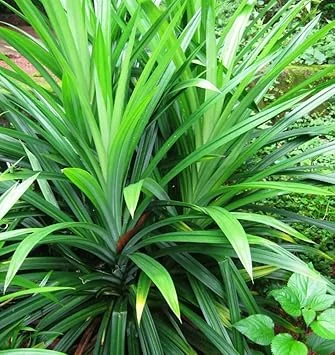
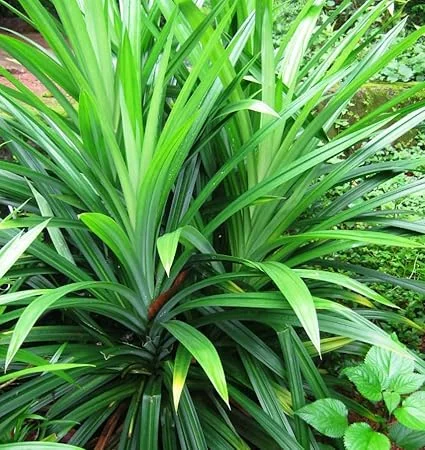
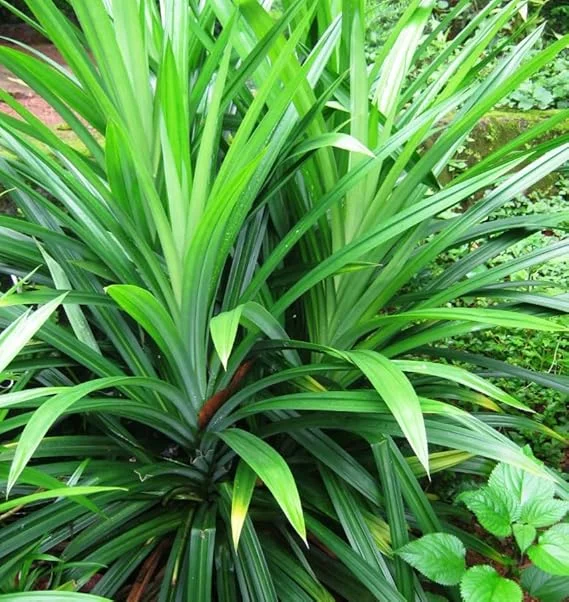
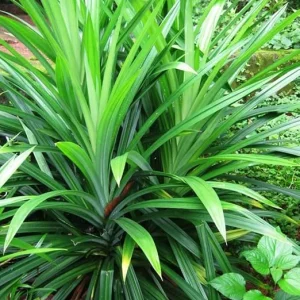
Pandan Live Plant – Indoor Outdoor Herb, 5-7 Inches Tall, Fragrant Perennial
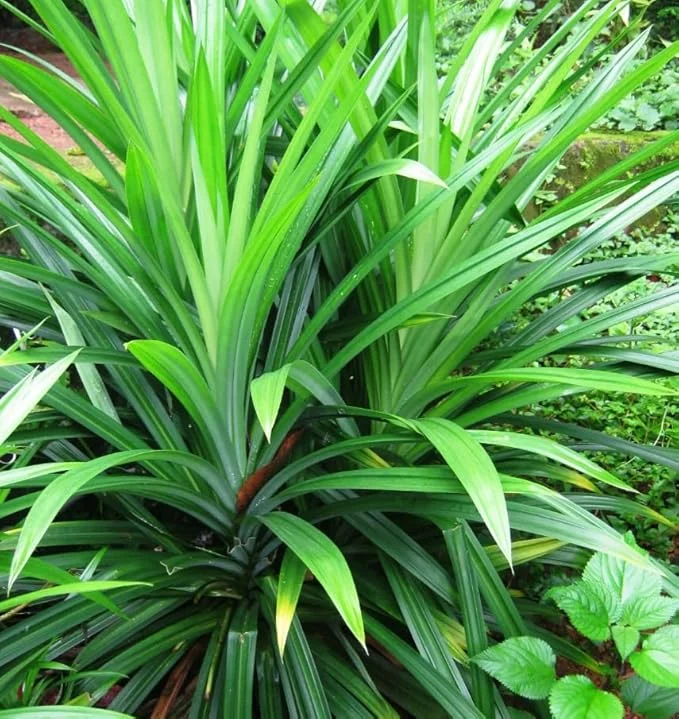
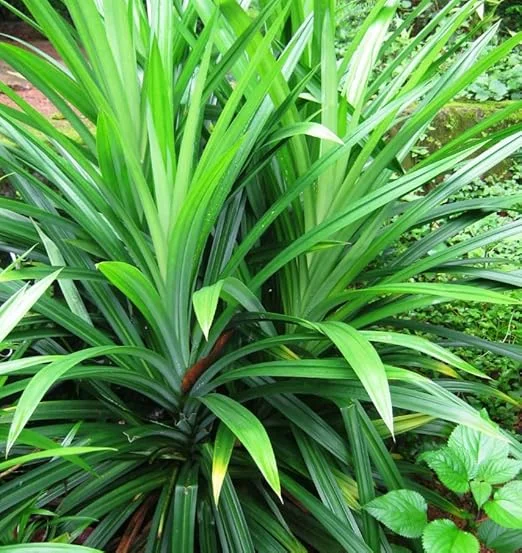
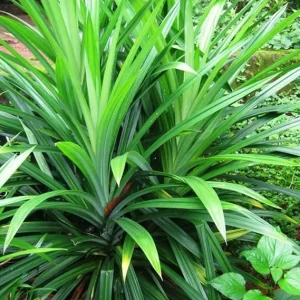
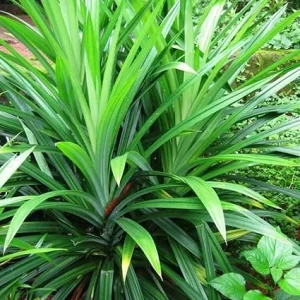
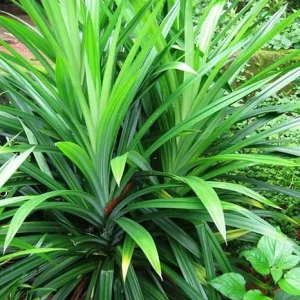
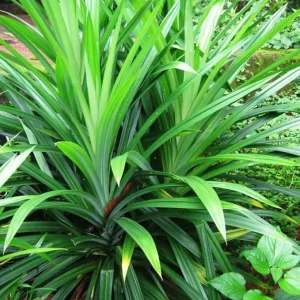
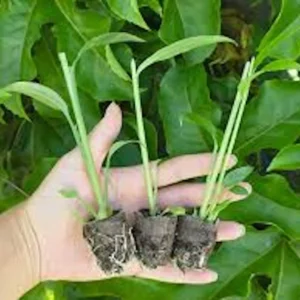
Cultivate your own fragrant pandan live plant, measuring 5-7 inches tall. This versatile perennial herb thrives both indoors and outdoors, adding unique flavor to your culinary creations and a beautiful ornamental touch to your space. Easy to grow and maintain.
Original price was: $59.98.$29.99Current price is: $29.99.

With our Alive & Thrive Guarantee, we’ve got your back for the first 30 days! If you have any concerns about your plants, just reach out to us. Our team is here to help answer your questions and guide you in selecting the best plants for your garden, climate, and unique preferences. We're excited to help you create the garden of your dreams!
Estimated arrival
Apr 10
Apr 15 - Apr 17
Apr 20 - Apr 24
Product Details
-
USDA Hardiness Zone
8-11 -
Soil type
Sandy Soil, well-draining -
Sunlight Exposure
Bright indirect light -
Expected Planting Period
Year-round indoors, Spring-Summer outdoors
Overview
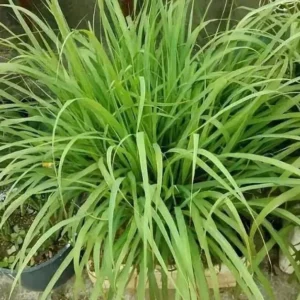
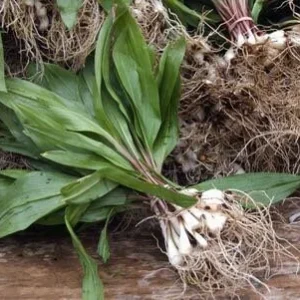
Bring the exotic aroma and flavor of the tropics to your home with this vibrant pandan live plant. Known botanically as Pandanus amaryllifolius, pandan is a highly prized perennial herb, often referred to as the “vanilla of the East.” This particular offering provides a healthy, established plant measuring 5-7 inches in height, ready for planting in your garden or a pot indoors. Its long, slender, sword-like green leaves are not only visually appealing but are also a staple ingredient in Southeast Asian cuisine, imparting a unique, sweet, and nutty fragrance to dishes, desserts, and beverages. Whether you’re an experienced gardener or just starting, growing pandan is a rewarding experience that offers both ornamental beauty and practical culinary benefits. This robust specimen is perfect for anyone looking to add a touch of the exotic to their plant collection or kitchen.
Key Benefits
Adding a pandan live plant to your collection offers a multitude of advantages, from its unique culinary properties to its ease of care and aesthetic appeal. Discover why this fragrant herb is a must-have for any plant enthusiast:
- Culinary Versatility: The leaves of the pandan live plant are a prized ingredient in many Asian cuisines. They are used to flavor rice, curries, desserts, and drinks, offering a distinctive sweet, grassy, and nutty aroma that is truly unparalleled.
- Ornamental Beauty: With its striking, upright, strap-like leaves, this plant serves as an attractive ornamental feature. It adds a lush, tropical feel to any indoor space or outdoor garden, enhancing your home’s aesthetic appeal.
- Aromatic Fragrance: Beyond its culinary uses, the pandan plant naturally releases a pleasant, subtle fragrance, often described as a mix of vanilla, rose, and coconut. This natural air freshener can subtly perfume your living area.
- Adaptable Growth: This pandan live plant is highly adaptable, thriving in a variety of settings. It can be grown successfully in containers indoors, making it accessible even in colder climates, or planted directly in the ground in warmer regions.
- Low Maintenance: Once established, pandan plants are relatively easy to care for, requiring moderate watering and protection from extreme cold. This makes them suitable for both novice and experienced gardeners looking to expand their herb collection without extensive effort.
- Perennial Nature: As a perennial, your pandan plant will return year after year with proper care, providing a continuous supply of fresh, aromatic leaves for your kitchen and home.
- Health Benefits: Traditionally, pandan leaves have been used in some cultures for their purported health benefits, including reducing fever and as a natural food coloring.
Plant Care & Growing Tips
Ensuring your pandan live plant thrives requires understanding its basic needs for sunlight, water, soil, and temperature. This tropical herb prefers a warm, humid environment, mimicking its native habitat. For optimal growth, place your pandan in a location where it receives bright, indirect light for at least 6 hours a day. Direct, harsh afternoon sun can scorch the leaves, especially in hotter climates, so some afternoon shade is beneficial if planted outdoors. If kept indoors, a south or east-facing window with filtered light is ideal.
When it comes to watering, pandan plants prefer consistently moist soil but do not tolerate waterlogging. Water thoroughly when the top inch of soil feels dry to the touch, ensuring good drainage to prevent root rot. Reduce watering slightly during its dormant winter period, especially if temperatures are cooler. The ideal soil for growing pandan is a rich, well-draining potting mix. A blend of peat moss, perlite, and compost works well to provide both moisture retention and aeration. These plants are hardy in USDA Zones 8-11 outdoors, meaning they can survive mild winters in these regions. In colder zones, it is essential to grow pandanus amaryllifolius in containers that can be brought indoors before the first frost. They prefer temperatures between 65-90°F (18-32°C) and will go dormant if temperatures drop below 50°F (10°C). Fertilize every 2-4 weeks during the growing season (spring and summer) with a balanced liquid fertilizer diluted to half strength. Common problems include yellowing leaves due to overwatering or nutrient deficiency, and browning tips from low humidity or underwatering. Maintain consistent moisture and provide adequate humidity, especially indoors, by misting regularly or placing the pot on a pebble tray.
Size & Details
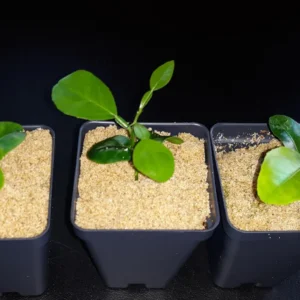
This offering is for one healthy pandan live plant, carefully cultivated to reach a height of 5-7 inches from the base of the plant to the tip of its tallest leaf. It is shipped as a live plant, typically in a small nursery pot or with its root ball carefully wrapped to ensure its safe arrival. The compact size of this young plant makes it ideal for transplanting into a larger pot for indoor cultivation or directly into your garden if you live in a suitable climate zone. While its current height is modest, with proper pandan plant care, it is a fast grower and can quickly mature into a bushy specimen, potentially reaching several feet tall and wide over time. Expect continuous growth throughout the warmer months, with a slight slowdown during winter dormancy. This plant is ready to establish quickly and begin producing its fragrant leaves for your enjoyment.
Frequently Asked Questions
- Q: How big does this pandan plant get? A: This pandan live plant ships at 5-7 inches tall. With proper care, it can grow several feet tall and wide over time, especially when planted in the ground in tropical climates. Indoors, its size can be managed with pruning and pot size.
- Q: Is this an indoor or outdoor plant? A: This versatile pandan herb can be grown both indoors and outdoors. It thrives outdoors in USDA Zones 8-11. In colder climates, it is best grown in a container and brought indoors during winter to protect it from frost.
- Q: How much sunlight does it need? A: Pandan plants prefer bright, indirect sunlight for at least 6 hours a day. If grown outdoors, provide some afternoon shade. Indoors, a filtered light window with eastern or southern exposure is ideal.
- Q: Is this plant easy to care for? A: Yes, pandan plants are considered relatively easy to care for once established. They require consistent moisture, warm temperatures, and bright indirect light. Regular watering and occasional feeding will keep your pandan live plant healthy.
- Q: What condition will it arrive in? A: Your pandan live plant will arrive carefully packaged, typically in a small nursery pot or with its root ball protected, ensuring it reaches you in healthy, ready-to-plant condition.
- Q: Can I use pandan leaf in cooking? A: Absolutely! The leaves of this pandanus amaryllifolius are widely used in Southeast Asian cuisine to flavor rice, desserts, drinks, and savory dishes, imparting a unique sweet and nutty aroma.
- Q: When is the best time to plant pandan? A: If planting outdoors in a suitable climate, spring or early summer is ideal. For indoor cultivation, you can plant or repot your pandan live plant at any time of the year, provided it has appropriate growing conditions.
- Q: Will it survive winter in my zone? A: If you are in USDA Zones 8-11, your pandan plant can likely survive mild winters outdoors. In zones colder than 8, it must be protected from frost by bringing it indoors or providing significant winter protection.
- Q: What kind of soil does pandan prefer? A: Pandan plants thrive in rich, well-draining soil. A good quality potting mix amended with compost and perlite for drainage is recommended, ensuring the soil remains consistently moist but not waterlogged.
- Q: How do I harvest pandan leaves? A: To harvest, simply snip the outer, mature leaves at the base of the plant with clean scissors. This encourages new growth from the center of the plant, ensuring a continuous supply of fresh leaves for your culinary needs.
Related products
-67%
From Original price was: $35.22.$11.74Current price is: $11.74.
-30%
Original price was: $57.98.$40.58Current price is: $40.58.
-30%
Original price was: $59.98.$41.98Current price is: $41.98.
-30%
Original price was: $59.98.$41.98Current price is: $41.98.
-10%
Original price was: $23.99.$21.59Current price is: $21.59.
-30%
Original price was: $99.98.$69.98Current price is: $69.98.
-67%
From Original price was: $35.22.$11.74Current price is: $11.74.
-20%
From Original price was: $22.00.$17.60Current price is: $17.60.
PLANTING & CARE

Growing Glencoe Raspberry: A Complete Guide for Gardeners
If you’re looking to add something unique to your garden, look no further than the
31
Mar
Mar

The Comprehensive Guide to Growing Bay Leaf Plants for a Flavorful Garden
Imagine stepping into your garden, greeted by the earthy aroma of fresh bay leaves, their
09
Feb
Feb

How to Make Comfrey Tea: The Ultimate Organic Plant Food
Growing an organic garden can be surprisingly expensive, especially when most store-bought fertilizers come in
02
Feb
Feb

True Comfrey: 7 Essential Tips Before You Plant This Herb
A staple in permaculture practices across the US, True Comfrey easily earns its reputation as
27
Jan
Jan

7 Heart-Shaped Plants for a Lasting Valentine’s Gift
If you’ve ever bought a bouquet of roses for Valentine’s Day, you know they are
26
Jan
Jan

Best Types of Ivy Plant for Houses: How to Choose the Perfect Ones for Your Home
Are you a garden lover looking to introduce some greenery into your home? Maybe you’ve
14
Nov
Nov

When to Harvest Garlic (Especially Fall-Planted Garlic)
TIMING IS EVERYTHING, they say – and for garlic, that truth hits with surprising accuracy.
13
Nov
Nov

11 of the Best Sweet Potato Varieties to Grow for Your Garden
If you’ve ever tried growing sweet potatoes, you know that picking the right variety can
12
Nov
Nov