Pandan Rooted Plant – Pandanus Amaryllifolius (lá Dứa) – Fragrant 6-10″ Live Plant
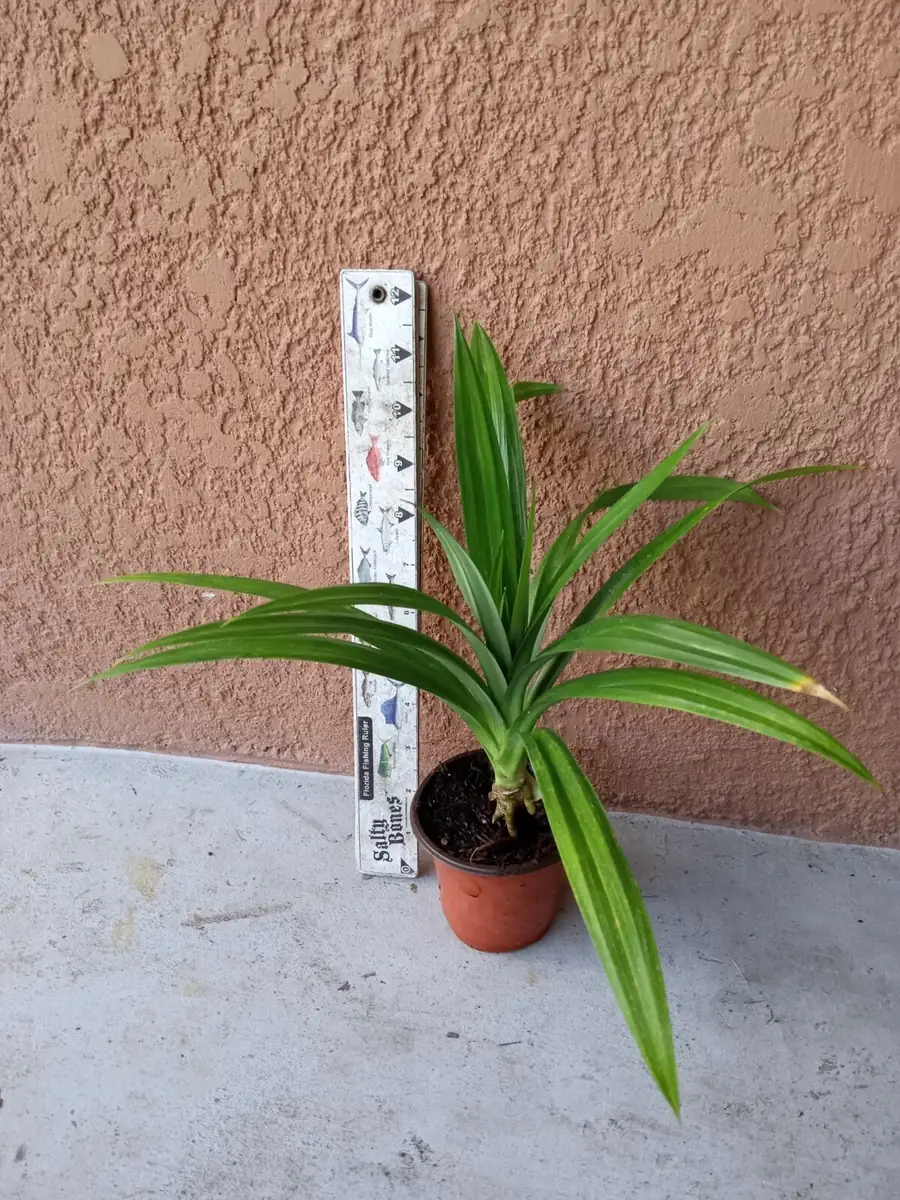
Pandan Rooted Plant – Pandanus Amaryllifolius (lá Dứa) – Fragrant 6-10″ Live Plant
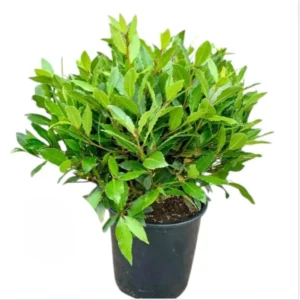
Bring the delightful aroma of the tropics to your home with this pandan rooted plant (Pandanus amaryllifolius), also known as lá dứa live plant. This 6-10 inch tall fragrant specimen is perfect for culinary use, adding a unique flavor to dishes. Easy to grow indoors or outdoors in warm climates.
$41.98

With our Alive & Thrive Guarantee, we’ve got your back for the first 30 days! If you have any concerns about your plants, just reach out to us. Our team is here to help answer your questions and guide you in selecting the best plants for your garden, climate, and unique preferences. We're excited to help you create the garden of your dreams!
Estimated arrival
Mar 31
Apr 05 - Apr 07
Apr 10 - Apr 14

Product Details
-
USDA Hardiness Zone
USDA Zones 9-11 outdoors, adaptable indoors -
Soil type
Well-draining, rich, slightly acidic potting mix -
Sunlight Exposure
Bright, indirect light -
Expected Planting Period
Year-round indoors; spring to early summer outdoors in warm climates
Overview
Introduce an exotic culinary and aromatic delight to your home or garden with this vibrant pandan rooted plant. Known scientifically as Pandanus amaryllifolius, and commonly referred to as lá dứa live plant, this tropical herb is cherished for its distinctive, sweet, and nutty fragrance. Our rooted plants are typically 6-10 inches tall, offering a fantastic start for both novice and experienced gardeners. The long, slender, and vibrant green leaves of the fragrant pandan plant are a staple in Southeast Asian cooking, providing a unique flavor profile to desserts, rice dishes, and savory meals. Beyond its culinary appeal, the pandan plant makes an attractive addition to any plant collection, bringing a touch of the tropics and a natural air freshener to your living space. Discover the versatility and charm of this beloved botanical.
Key Benefits
The pandan rooted plant offers a multitude of benefits, from its aromatic leaves to its relatively easy care, making it a desirable addition for many plant enthusiasts and home cooks. Cultivating your own pandan ensures a fresh supply of its unique leaves.
- Culinary Versatility: The primary benefit of the pandan rooted plant lies in its highly aromatic leaves, which are indispensable in many Asian cuisines. They impart a unique, sweet, floral, and slightly nutty flavor, perfect for flavoring rice, cakes, desserts, and savory dishes. Enjoy fresh pandan for authentic flavors.
- Natural Fragrance: Beyond cooking, the leaves of the pandanus amaryllifolius naturally release a pleasant, refreshing aroma. Placing a plant indoors can act as a natural air freshener, infusing your home with a subtle, tropical scent.
- Tropical Aesthetic: With its graceful, strap-like green leaves, the pandan plant adds a beautiful, lush, and tropical aesthetic to any indoor space or outdoor garden in appropriate climates. It’s an elegant foliage plant.
- Relatively Low Maintenance: Once established, the lá dứa live plant is relatively easy to care for, requiring consistent moisture and warmth. It’s a rewarding plant for those looking for something unique without excessive demands.
- Health & Wellness: In traditional medicine, pandan leaves have been used for various purposes, including as a mild sedative and for their potential anti-inflammatory properties, though further research is ongoing.
- Educational & Engaging: Growing a fragrant pandan plant can be a fascinating experience, allowing you to learn about tropical horticulture and the origins of unique culinary ingredients. It connects you to global food culture.
- Pest Resistant: Generally, pandan plants are quite robust and resistant to many common pests, making them a hardy choice for your garden or indoor collection.
Plant Care & Growing Tips
Caring for your pandan rooted plant is straightforward, especially when you understand its tropical origins. These plants thrive in conditions that mimic their native Southeast Asian environment, which typically means warmth, humidity, and consistent moisture. For best growth and abundant fragrant leaves, providing the right balance of light, water, and nutrients is key. Whether you’re growing it indoors as a houseplant or outdoors in a suitable climate, a little attention will ensure your pandanus amaryllifolius flourishes.
Sunlight Requirements: The pandan rooted plant prefers bright, indirect light. If grown indoors, place it near a window that receives filtered sunlight or morning sun. Direct afternoon sun can scorch its leaves. Outdoors, choose a location with partial shade, especially during the hottest parts of the day. Aim for at least 4-6 hours of bright, indirect light daily. Lá dứa live plant thrives in consistently warm environments.
Watering Schedule and Soil Moisture: Pandan plants love consistent moisture. The soil should be kept evenly moist but never waterlogged. Water thoroughly when the top inch of soil feels dry to the touch. During warmer months, you may need to water more frequently. Reduce watering slightly in cooler periods. Good drainage is crucial to prevent root rot. Ensure your pot has drainage holes. Humidity is also beneficial; consider misting the leaves regularly or placing the pot on a pebble tray with water if your indoor air is dry. This helps the fragrant pandan plant maintain healthy foliage.
Soil Type and Drainage: A well-draining, rich, and slightly acidic potting mix is ideal for your pandan rooted plant. A mix designed for tropical plants or a blend of potting soil, perlite, and compost works well. The soil should retain some moisture but allow excess water to drain freely. Good aeration is also important for healthy root development. For outdoor planting, amend heavy clay soils with organic matter to improve drainage.
Temperature Range and USDA Hardiness Zone: Being a tropical plant, pandan thrives in warm temperatures, ideally between 65°F and 90°F (18°C-32°C). It is not frost-tolerant. If you live in USDA zones 9-11, you can grow pandan outdoors year-round. In colder zones, it must be brought indoors before temperatures drop below 50°F (10°C) and treated as a houseplant. Protect it from cold drafts, which can stress the plant and inhibit the growth of the leaves vital for pandan culinary uses.
Fertilization Schedule and Type: Feed your pandanus amaryllifolius with a balanced liquid fertilizer every 2-4 weeks during its active growing season (spring and summer). Reduce fertilization during fall and winter when growth slows. A fertilizer with an NPK ratio like 10-10-10 or similar, diluted to half strength, is generally suitable. Organic options like fish emulsion or compost tea can also be beneficial for promoting lush foliage.
Common Problems and Solutions: Yellowing leaves can indicate overwatering or nutrient deficiency. Adjust watering habits and ensure proper drainage. Brown leaf tips usually point to low humidity; increase misting or use a humidity tray. Pests are uncommon, but occasional inspection for spider mites or mealybugs is wise. Treat with insecticidal soap if necessary. Ensure your lá dứa live plant gets proper care to prevent these issues.
Size & Details
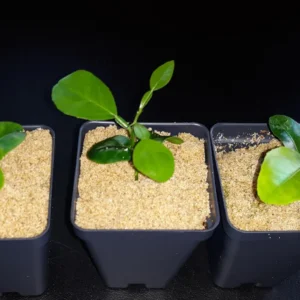
This offering is for a single pandan rooted plant, scientifically known as Pandanus amaryllifolius, commonly called lá dứa live plant. Each plant is typically 6-10 inches in height upon arrival, measured from the base of the rootball to the tip of the tallest leaf. These are healthy, actively growing young plants with an established root system, ready to be transplanted into a larger pot or your garden. The plants are shipped securely to ensure minimal stress during transit. With proper care, these plants will grow into a lush, multi-stemmed clump, reaching mature heights of 1-3 feet indoors, and potentially larger in ideal outdoor tropical conditions. The growth rate is moderate, and you can expect to harvest leaves for pandan culinary uses within a few months of planting. The leaves are typically long and slender, ranging from 12-24 inches in length at maturity, providing ample material for your cooking and aromatic needs. This size is perfect for starting your own supply of this unique and fragrant pandan plant.
Frequently Asked Questions
- Q: How big does this pandan rooted plant get? A: This pandan rooted plant arrives at 6-10 inches tall. Indoors, it typically grows to 1-3 feet in height and width, forming a clump. Outdoors in tropical climates, it can grow larger, up to 5 feet or more, but is easily managed with pruning.
- Q: Is this an indoor or outdoor plant? A: The pandanus amaryllifolius can be grown indoors in all climates as a houseplant, or outdoors year-round in USDA Zones 9-11. In colder regions, it should be brought indoors before the first frost.
- Q: How much sunlight does it need? A: This lá dứa live plant thrives in bright, indirect light. Avoid harsh, direct afternoon sun, which can scorch the leaves. A few hours of morning sun or filtered light throughout the day is ideal.
- Q: Is this plant easy to care for? A: Yes, the pandan rooted plant is considered relatively easy to care for once its basic needs for warmth, consistent moisture, and indirect light are met. It’s a great choice for beginners interested in tropical herbs.
- Q: Can I use pandan in cooking? A: Absolutely! The leaves of this fragrant pandan plant are highly prized for their unique flavor in Southeast Asian cuisine. They are used to flavor rice, desserts, curries, and drinks.
- Q: What condition will it arrive in? A: Your pandan plant will arrive as a healthy, rooted live plant, carefully packaged to ensure its safety during transit. It will be ready for immediate transplanting into your chosen pot or garden spot.
- Q: How long until I can harvest leaves? A: You can typically begin harvesting leaves for pandan culinary uses within a few months of planting, once the plant has established itself and started producing new growth. Harvest older, outer leaves first.
- Q: What type of soil is best for pandan? A: A rich, well-draining potting mix that retains some moisture is best. A tropical plant mix or a blend of potting soil with added compost and perlite works well for your pandanus amaryllifolius.
- Q: Is it pet-safe? A: The Pandanus amaryllifolius is generally considered non-toxic to pets, but it’s always best to prevent pets from ingesting large quantities of any plant material.
- Q: How often should I fertilize my pandan plant? A: During the growing season (spring and summer), fertilize every 2-4 weeks with a balanced liquid fertilizer. Reduce frequency in fall and winter.
Related products
-10%
Original price was: $65.00.$58.50Current price is: $58.50.
-58%
Original price was: $39.99.$16.99Current price is: $16.99.
-50%
Original price was: $59.96.$29.98Current price is: $29.98.
-50%
Original price was: $79.96.$39.98Current price is: $39.98.
-20%
From Original price was: $22.00.$17.60Current price is: $17.60.
-50%
Original price was: $27.96.$13.98Current price is: $13.98.
-30%
Original price was: $67.98.$47.58Current price is: $47.58.
-67%
Original price was: $75.72.$25.24Current price is: $25.24.
PLANTING & CARE

Growing Glencoe Raspberry: A Complete Guide for Gardeners
If you’re looking to add something unique to your garden, look no further than the
31
Mar
Mar

The Comprehensive Guide to Growing Bay Leaf Plants for a Flavorful Garden
Imagine stepping into your garden, greeted by the earthy aroma of fresh bay leaves, their
09
Feb
Feb

How to Make Comfrey Tea: The Ultimate Organic Plant Food
Growing an organic garden can be surprisingly expensive, especially when most store-bought fertilizers come in
02
Feb
Feb

True Comfrey: 7 Essential Tips Before You Plant This Herb
A staple in permaculture practices across the US, True Comfrey easily earns its reputation as
27
Jan
Jan

7 Heart-Shaped Plants for a Lasting Valentine’s Gift
If you’ve ever bought a bouquet of roses for Valentine’s Day, you know they are
26
Jan
Jan

Best Types of Ivy Plant for Houses: How to Choose the Perfect Ones for Your Home
Are you a garden lover looking to introduce some greenery into your home? Maybe you’ve
14
Nov
Nov

When to Harvest Garlic (Especially Fall-Planted Garlic)
TIMING IS EVERYTHING, they say – and for garlic, that truth hits with surprising accuracy.
13
Nov
Nov

11 of the Best Sweet Potato Varieties to Grow for Your Garden
If you’ve ever tried growing sweet potatoes, you know that picking the right variety can
12
Nov
Nov