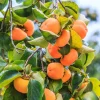
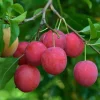
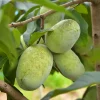
Paw Paw Tree Live Plant – 1ft Tall Well-Rooted Fruit Tree for Gardens


Paw Paw Tree Live Plant – 1ft Tall Well-Rooted Fruit Tree for Gardens
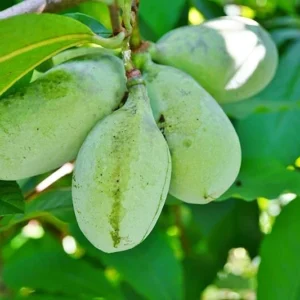
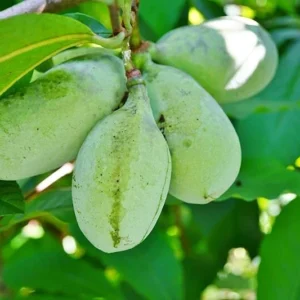
Bring the unique taste of the American tropics to your garden with this paw paw tree live plant. This 1ft tall, well-rooted specimen is ready to grow, offering a fast-growing fruit tree option for home gardeners. Known for its delicious, custard-like fruits, this paw paw fruit tree is low maintenance and thrives in full to partial sun across USDA Zones 4-9.
$36.99

With our Alive & Thrive Guarantee, we’ve got your back for the first 30 days! If you have any concerns about your plants, just reach out to us. Our team is here to help answer your questions and guide you in selecting the best plants for your garden, climate, and unique preferences. We're excited to help you create the garden of your dreams!
Estimated arrival
Apr 05
Apr 10 - Apr 12
Apr 15 - Apr 19



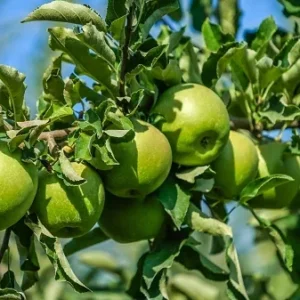
Product Details
-
USDA Hardiness Zone
4-9 -
Soil type
Well-draining, rich in organic matter -
Sunlight Exposure
Full sun to partial sun -
Expected Planting Period
Early spring to fall
Overview
Discover the joy of cultivating your own exotic fruit with this premium paw paw tree live plant. Standing at a robust 1 foot tall and featuring a well-developed root system, this plant is perfectly prepared for transplanting into your home garden. The Paw Paw, scientifically known as Asimina triloba, is North America’s largest native edible fruit, often referred to as the ‘poor man’s banana’ or ‘custard apple’ due to its rich, creamy texture and sweet, tropical flavor. This particular specimen is a fast-growing fruit tree, making it an excellent choice for those eager to see quick results and enjoy fresh, homegrown fruit. Ideal for a variety of climates, the paw paw thrives in a range of conditions, making it accessible to many gardening enthusiasts looking to expand their edible landscape.
The allure of paw paw fruit tree cultivation lies not only in its unique and delicious fruit but also in its relative ease of care. Unlike many tropical fruit trees, the paw paw is remarkably hardy and adaptable, resisting many common pests and diseases. This makes growing paw paw trees a rewarding experience for both novice and experienced gardeners. Its verdant foliage and attractive form also add ornamental value to any garden space, blending seamlessly into naturalized settings or as a focal point in a fruit orchard. Prepare to harvest abundant, flavorful fruits that are a true culinary delight, offering a taste experience unlike any other temperate zone fruit.
Key Benefits
Investing in a paw paw tree live plant brings a multitude of benefits, from the unique culinary experience to the ease of cultivation. Here are some of the standout advantages:
- Produces Unique, Delicious Fruit: Enjoy large, tropical-like fruits with a sweet, custard-like flavor, perfect for eating fresh, making desserts, or adding to smoothies. The distinct taste of the paw paw fruit is a rare treat.
- Fast-Growing and Low Maintenance: These trees are known for their relatively fast growth rate and require minimal care once established, making them an excellent choice for gardeners seeking rewarding results without extensive effort. This makes growing paw paw trees an accessible and enjoyable hobby.
- Adaptable to Various Conditions: Thrives in full to partial sun and adapts well to different soil types, offering flexibility in planting locations within your garden. This resilience contributes to the overall success of your paw paw fruit tree.
- Hardy and Resilient: Suitable for a wide range of climates, specifically USDA Hardiness Zones 4-9, ensuring it can withstand colder temperatures where many other fruit trees might struggle. This hardiness is a major advantage for gardeners in diverse regions.
- Natural Pest Resistance: Paw paw trees are generally resistant to many common pests and diseases, reducing the need for chemical treatments and promoting a healthier garden ecosystem.
- Ornamental Value: Beyond its fruit, the paw paw tree boasts attractive foliage and a pleasing form, adding aesthetic appeal to your landscape throughout the growing season.
- Supports Local Wildlife: The fruit can be a food source for various local wildlife, contributing to biodiversity in your backyard.
Plant Care & Growing Tips
Caring for your paw paw tree live plant is straightforward and rewarding, leading to bountiful harvests of delicious fruit. These trees are quite robust, but providing optimal conditions will ensure the best growth and fruit production. For sunlight, paw paw trees prefer full to partial sun. While young trees benefit from some afternoon shade to prevent leaf scorch, established trees thrive best with at least 6 hours of direct sunlight daily. This balance helps in the development of robust branches and flavorful fruits. When considering paw paw care, understanding their light needs is paramount.
Watering is crucial, especially during the first few years after planting. Keep the soil consistently moist but never waterlogged. Deep watering once or twice a week, depending on rainfall and temperature, is generally sufficient. Once established, paw paw trees are moderately drought-tolerant but will produce better fruit with regular moisture. They prefer well-draining soil that is rich in organic matter, with a slightly acidic to neutral pH (5.5-7.0). Amending heavy clay soils with compost or peat moss can improve drainage and fertility. The USDA Hardiness Zone for paw paw trees is 4-9, indicating their excellent cold tolerance. They can withstand winter temperatures down to -20°F (-29°C), making them suitable for a broad range of climates.
Fertilization should begin in the second year after planting. Use a balanced slow-release fertilizer in early spring, or a fruit tree-specific fertilizer according to package directions. Avoid over-fertilizing, which can burn the roots. Pruning is minimal; focus on removing dead, damaged, or crossing branches to maintain good air circulation and shape. While relatively pest-free, keep an eye out for common garden pests, though serious infestations are rare. For optimal pollination and fruit set, it’s often recommended to plant at least two different varieties of paw paw trees, as many are not self-fertile. This greatly enhances your chances of a successful harvest when growing paw paw trees. The unique flavor profile and ease of asimina triloba cultivation make it a must-have for any fruit enthusiast.
Size & Details
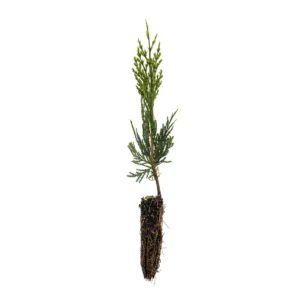
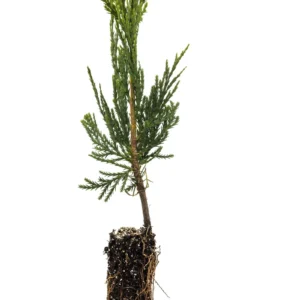
This offering is for a healthy, paw paw tree live plant, which stands approximately 1 foot tall. The plant arrives well-rooted in a nursery container, ready for immediate planting in your garden. Paw paw trees are known for their moderate to fast growth rate, typically reaching a mature height of 15-20 feet tall with a spread of 10-15 feet, though they can be kept smaller with proper pruning. These trees are shipped as young, actively growing specimens, ensuring they adapt well to their new environment. Expect your tree to begin producing fruit within 3-5 years after planting, with yields increasing as the tree matures. The deep green foliage of asimina triloba provides a lush appearance throughout the growing season, turning a beautiful golden-yellow in the fall, adding seasonal interest to your landscape. This 1ft tall plant represents a fantastic starting point for establishing your own productive paw paw patch.
Frequently Asked Questions
- Q: How big does this plant get? A: This paw paw tree live plant is approximately 1 foot tall upon arrival. Mature paw paw trees can reach heights of 15-20 feet and a spread of 10-15 feet, though their size can be managed with pruning.
- Q: Is this an indoor or outdoor plant? A: The paw paw tree is an outdoor plant, ideally suited for home gardens. It requires sufficient space to grow and thrive, and is well-adapted to temperate climates.
- Q: How much sunlight does it need? A: Paw paw trees prefer full to partial sun. Young trees benefit from some afternoon shade, but established trees need at least 6 hours of direct sunlight daily for optimal growth and fruit production. This is key for good paw paw care.
- Q: Is this plant easy to care for? A: Yes, paw paw trees are considered relatively low maintenance. Once established, they are quite hardy and resistant to many pests and diseases, making them suitable for gardeners of various experience levels.
- Q: What condition will it arrive in? A: Your paw paw tree live plant will arrive as a well-rooted, 1ft tall specimen in a nursery container, carefully packaged to ensure its health during transit.
- Q: When is the best time to plant? A: The best time to plant your paw paw tree is in early spring or fall, allowing it to establish its root system before extreme summer heat or winter cold.
- Q: Will it survive winter in my zone? A: Paw paw trees are remarkably cold-hardy, thriving in USDA Hardiness Zones 4-9. They are well-equipped to survive typical winter conditions within these zones. This hardiness is a major benefit for growing paw paw trees.
- Q: Do I need to plant more than one tree to get fruit? A: While some paw paw varieties are self-fertile, most produce significantly better yields when cross-pollinated with another paw paw tree of a different variety. Planting at least two distinct varieties is highly recommended for fruit production.
- Q: What does the fruit taste like? A: The paw paw fruit has a unique, sweet, and custardy flavor, often described as a blend of banana, mango, and pineapple. It’s a truly tropical taste from a temperate zone fruit.
- Q: What kind of soil does it prefer? A: Paw paw trees prefer well-draining soil that is rich in organic matter, with a slightly acidic to neutral pH (5.5-7.0). Good drainage is vital for healthy root development.
Related products

-10%

Original price was: $23.99.$21.59Current price is: $21.59.
-10%
Original price was: $36.99.$33.29Current price is: $33.29.
PLANTING & CARE

Growing Glencoe Raspberry: A Complete Guide for Gardeners
If you’re looking to add something unique to your garden, look no further than the
31
Mar
Mar

The Comprehensive Guide to Growing Bay Leaf Plants for a Flavorful Garden
Imagine stepping into your garden, greeted by the earthy aroma of fresh bay leaves, their
09
Feb
Feb

How to Make Comfrey Tea: The Ultimate Organic Plant Food
Growing an organic garden can be surprisingly expensive, especially when most store-bought fertilizers come in
02
Feb
Feb

True Comfrey: 7 Essential Tips Before You Plant This Herb
A staple in permaculture practices across the US, True Comfrey easily earns its reputation as
27
Jan
Jan

7 Heart-Shaped Plants for a Lasting Valentine’s Gift
If you’ve ever bought a bouquet of roses for Valentine’s Day, you know they are
26
Jan
Jan

Best Types of Ivy Plant for Houses: How to Choose the Perfect Ones for Your Home
Are you a garden lover looking to introduce some greenery into your home? Maybe you’ve
14
Nov
Nov

When to Harvest Garlic (Especially Fall-Planted Garlic)
TIMING IS EVERYTHING, they say – and for garlic, that truth hits with surprising accuracy.
13
Nov
Nov

11 of the Best Sweet Potato Varieties to Grow for Your Garden
If you’ve ever tried growing sweet potatoes, you know that picking the right variety can
12
Nov
Nov