Peach Capitata Air Plant Mix – Set of 3 Tillandsia Live Plants, 4 inch, Indoor
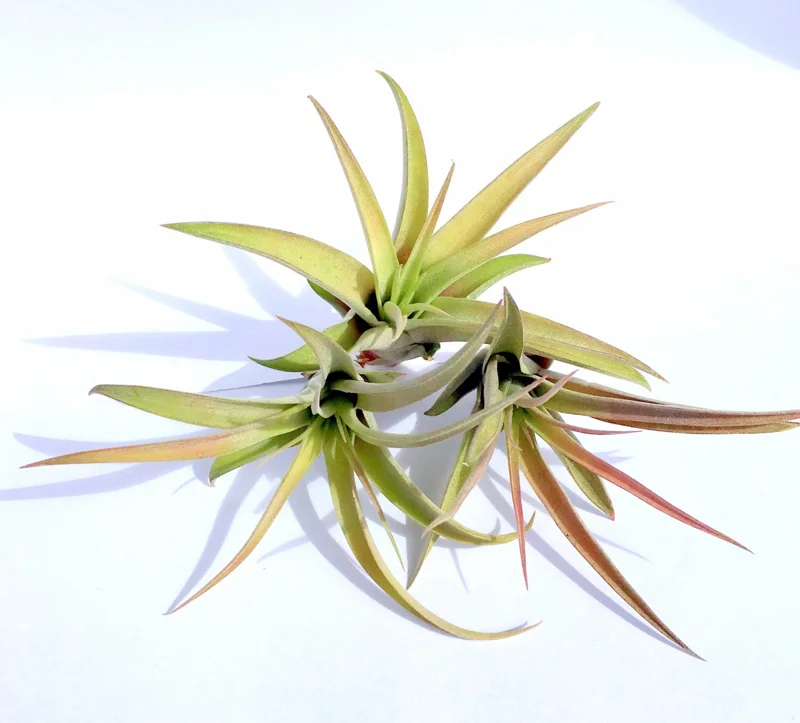

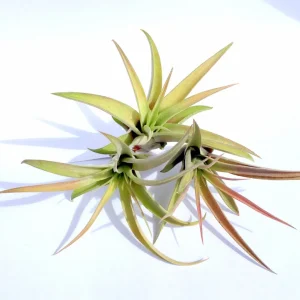

Peach Capitata Air Plant Mix – Set of 3 Tillandsia Live Plants, 4 inch, Indoor
Enhance your home decor with the beautiful Peach Capitata Air Plant mix. This set includes 3 vibrant Tillandsia live plant specimens, each approximately 4 inches. Known for their stunning peach coloration in good indirect light and purple blooms, these are low maintenance air plant varieties, ideal for beginners and experienced plant enthusiasts alike.
$30.00

With our Alive & Thrive Guarantee, we’ve got your back for the first 30 days! If you have any concerns about your plants, just reach out to us. Our team is here to help answer your questions and guide you in selecting the best plants for your garden, climate, and unique preferences. We're excited to help you create the garden of your dreams!
Estimated arrival
Aug 21
Aug 26 - Aug 28
Aug 31 - Sep 04



Product Details
-
USDA Hardiness Zone
unknown -
Soil type
no soil required -
Sunlight Exposure
bright indirect light -
Expected Planting Period
year-round indoors
Overview
Introduce a touch of natural elegance to your living space with the Peach Capitata Air Plant mix. This curated collection features a set of three beautiful Tillandsia live plant specimens, renowned for their unique beauty and ease of care. The Peach Capitata is a xeric variety, meaning it thrives in drier environments, making it a perfect choice for those seeking a low-maintenance yet visually striking addition to their indoor plant collection. Each plant in this mix can grow up to 12 inches at its largest, gradually developing a lovely peach hue with sufficient indirect light. Upon maturity, these remarkable plants produce delicate purple blooms, adding another layer of charm. After blooming, the parent plant will gracefully produce 1-5 ‘pups’ or baby air plants, allowing you to expand your collection or share with friends. These xeric air plant varieties are not only beautiful but also fascinating to observe as they grow and reproduce.
Key Benefits
The Peach Capitata Air Plant offers numerous advantages for plant lovers, from its aesthetic appeal to its remarkable resilience. This Tillandsia live plant is a fantastic choice for anyone looking to bring more green into their home with minimal fuss.
- Stunning Visual Appeal: With good indirect light, these air plants develop a beautiful peach coloration, making them a vibrant focal point in any room. The unique form and texture of the Peach Capitata Air Plant also contribute to its decorative charm.
- Low Maintenance & Easy Care: As a xeric air plant, the Peach Capitata requires less frequent watering compared to many other houseplants. It’s an excellent option for busy individuals or those new to plant care, offering beauty without demanding constant attention.
- Air Purifying Qualities: Like many plants, Tillandsias contribute to cleaner indoor air by absorbing pollutants and releasing oxygen, enhancing your home’s air quality. This makes the indoor air plant care even more rewarding.
- Unique Blooming Cycle: Experience the joy of watching your air plant bloom with beautiful purple flowers. This natural event is a truly special moment, followed by the exciting production of new ‘pups’.
- Versatile Decor: Air plants don’t require soil, allowing for creative display options. Hang them, place them in terrariums, on shelves, or in decorative holders to complement any interior design style.
- Drought Tolerant: Their xeric nature means they are well-adapted to dry conditions, reducing the risk of overwatering, which is a common issue for many plant owners. This makes them a truly low maintenance air plant.
- Natural Propagation: Enjoy the satisfaction of propagating new plants from the ‘pups’ that emerge after the parent plant blooms, expanding your collection effortlessly.
Plant Care & Growing Tips
Caring for your Peach Capitata Air Plant is straightforward, especially given its xeric nature. To ensure your Tillandsia live plant thrives, understanding its basic needs for light, water, and air circulation is key. These plants are native to environments where they receive ample indirect light and good air movement.
For sunlight requirements, place your air plants in an area that receives bright, indirect light. Direct, harsh sunlight, especially during the hottest parts of the day, can scorch their delicate leaves. A spot near a window with a sheer curtain or a north-facing window is often ideal. If natural light is limited, artificial grow lights can also provide the necessary illumination. When it comes to watering, the most common method is to soak the plants. Submerge your Peach Capitata Air Plant in a bowl of room-temperature water for 20-30 minutes once a week. After soaking, gently shake off excess water and allow the plant to dry completely in a well-ventilated area before returning it to its display spot. This prevents rot. In drier climates or during warmer months, you might need to mist your plants a few times a week between soaks. Good air circulation is crucial; stagnant, humid air can lead to problems. As a low maintenance air plant, they don’t require soil, making their care quite unique. Fertilization is not strictly necessary but can encourage growth and blooming. Use a specialized air plant fertilizer, diluted to a quarter strength, once a month during the growing season. Maintain indoor temperatures between 60-80°F (15-27°C) for optimal health. While generally hardy, watch for signs of distress like browning tips (underwatering) or mushy bases (overwatering). Proper indoor air plant care will ensure your Tillandsia flourishes.
Size & Details
This offering includes a set of three Peach Capitata Air Plant specimens. Each Tillandsia live plant will arrive approximately 4 inches in size, though individual plants may vary slightly in height and width as each is a unique living organism. While they are around 4 inches upon arrival, these Capitata varieties have the potential to grow up to 12 inches at their largest, developing into impressive specimens over time. The plants are shipped bare, without soil or pots, as is typical for air plants. Their growth rate is moderate, and with proper care, you can expect to see them mature and bloom, typically within a few years, after which they will produce new pups. They are known for their ability to take on a beautiful peach coloration with adequate indirect light, and their purple blooms are a delightful sight. These are healthy, vibrant plants ready to enhance your home decor. The unique characteristics of each xeric air plant ensure you receive a diverse and engaging collection.
Frequently Asked Questions
- Q: How big does this Peach Capitata Air Plant get? A: While they arrive around 4 inches, these Tillandsia Capitata can grow to approximately 12 inches in their largest form with proper care and time. Their size can vary slightly depending on environmental conditions.
- Q: Is this an indoor or outdoor plant? A: The Peach Capitata Air Plant is primarily an indoor air plant care specimen, ideally suited for indoor environments where temperatures are stable. In very mild, frost-free climates, they can be kept outdoors in a sheltered, indirect light location.
- Q: How much sunlight does the Tillandsia live plant need? A: These air plants thrive in bright, indirect light. Avoid direct, harsh sunlight which can burn their leaves. A location near a window with filtered light is perfect for optimal growth and color development.
- Q: Is this plant easy to care for? Is it good for beginners? A: Yes, the Peach Capitata is considered a low maintenance air plant and is excellent for beginners. Its xeric nature means it’s more forgiving if you forget to water occasionally, making indoor air plant care quite simple.
- Q: What condition will the air plants arrive in? A: Your set of three air plants will arrive healthy and ready to display. They are shipped bare, without soil or pots, as air plants naturally grow without a root system in soil.
- Q: How often should I water my xeric air plant? A: A good rule of thumb is to soak your air plants in water for 20-30 minutes once a week. In dry climates or during hot periods, you might need to mist them a few times between soaks. Ensure they dry completely after watering to prevent rot.
- Q: Will my Peach Capitata Air Plant bloom? A: Yes, with proper care and maturity, your Peach Capitata will produce beautiful purple blooms. After blooming, the plant will typically produce 1-5 ‘pups’ or baby air plants.
- Q: What is the best way to display these air plants? A: Since they don’t require soil, air plants are incredibly versatile. You can place them in terrariums, on decorative rocks, in hanging planters, or simply on shelves. Ensure they have good air circulation wherever they are displayed.
- Q: Is this air plant pet-safe? A: Tillandsias are generally considered non-toxic to pets, making the Tillandsia live plant a safe choice for homes with cats and dogs. However, it’s always best to prevent pets from chewing on any houseplant.
- Q: How long does it take for the peach color to develop? A: The peach coloration develops gradually with good indirect light exposure over time. It’s a sign of a healthy, thriving plant receiving adequate light.
Related products

-35%
Original price was: $37.24.$24.20Current price is: $24.20.
-30%
Original price was: $129.98.$90.98Current price is: $90.98.
-25%
Original price was: $23.80.$17.84Current price is: $17.84.
-30%
Original price was: $129.98.$90.98Current price is: $90.98.
-50%
Original price was: $39.98.$19.98Current price is: $19.98.
PLANTING & CARE
How to Grow and Care Pequin Peppers
If you’re a chili enthusiast who loves a fiery kick in a small package, you
17
Aug
Aug
How to Grow Persian Silk Trees Easily in Your Garden
If you’re looking for a tree that brings a soft, tropical feel to your garden,
04
Aug
Aug
How to Grow Blue Java Banana Trees: A Beginner’s Guide
Have you ever heard of the Blue Java banana tree? If not, you’re in for
28
Jun
Jun
5 Common Blue Java Banana Tree Problems and How to Fix Them
Have you ever looked at your Blue Java banana tree (aka “ice cream banana”) and
19
Jun
Jun
Top 10 Plants for Father’s Day to Honor Dad This Father’s Day
Father’s Day is a special time to show your dad just how much he means
19
Jun
Jun

The Comprehensive Guide to Growing Bougainvillea for Colorful Blooms
Have you ever wanted your garden to be filled with brilliant color and tropical energy
19
Jun
Jun

How to Successfully Plant Bare Root Strawberries in Containers
Have you ever wondered about planting strawberries in containers, but aren’t sure where to begin?
11
Jun
Jun
Top 5 Easiest Ornamental Trees to Grow for Beginners
Ever feel overwhelmed by the idea of planting a tree in your yard? You’re not
11
Jun
Jun