Pellionia Pulchra Live Plant – Rainbow Vine – 2.5″ Pot – Indoor Terrarium Plant
-50%
Pellionia Pulchra Live Plant – Rainbow Vine – 2.5″ Pot – Indoor Terrarium Plant
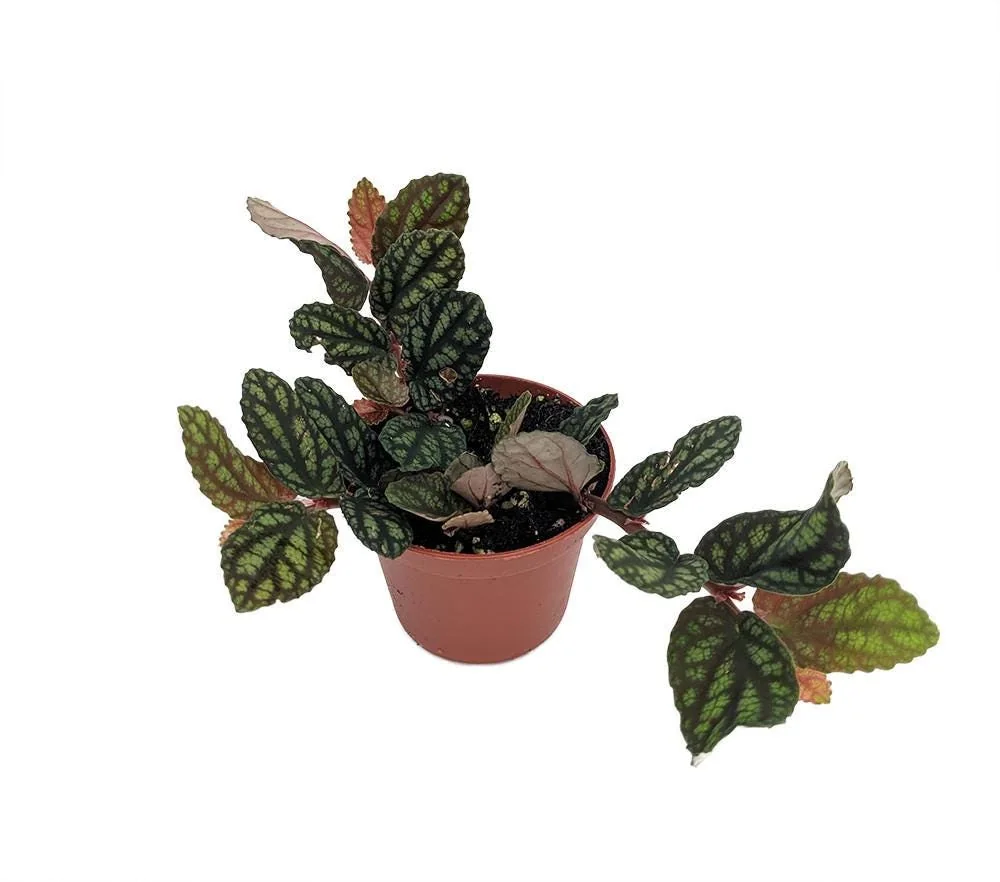
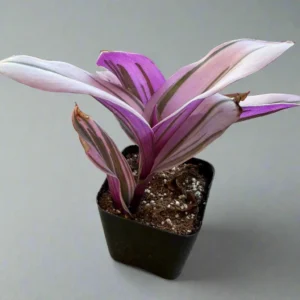
Enhance your indoor greenery with a vibrant Pellionia Pulchra live plant, also known as Rainbow Vine care. This striking 2.5″ potted houseplant is ideal for terrariums, hanging baskets, or as a captivating groundcover. Its unique foliage and trailing habit make it a perfect choice for adding color and texture to any space.
Original price was: $22.36.$11.18Current price is: $11.18.

With our Alive & Thrive Guarantee, we’ve got your back for the first 30 days! If you have any concerns about your plants, just reach out to us. Our team is here to help answer your questions and guide you in selecting the best plants for your garden, climate, and unique preferences. We're excited to help you create the garden of your dreams!
Estimated arrival
Apr 13
Apr 18 - Apr 20
Apr 23 - Apr 27
Product Details
-
USDA Hardiness Zone
Indoor plant (USDA zones 10-11 if grown outdoors) -
Soil type
Well-draining, peat-based potting mix -
Sunlight Exposure
Bright indirect light -
Expected Planting Period
Year-round indoors
Overview
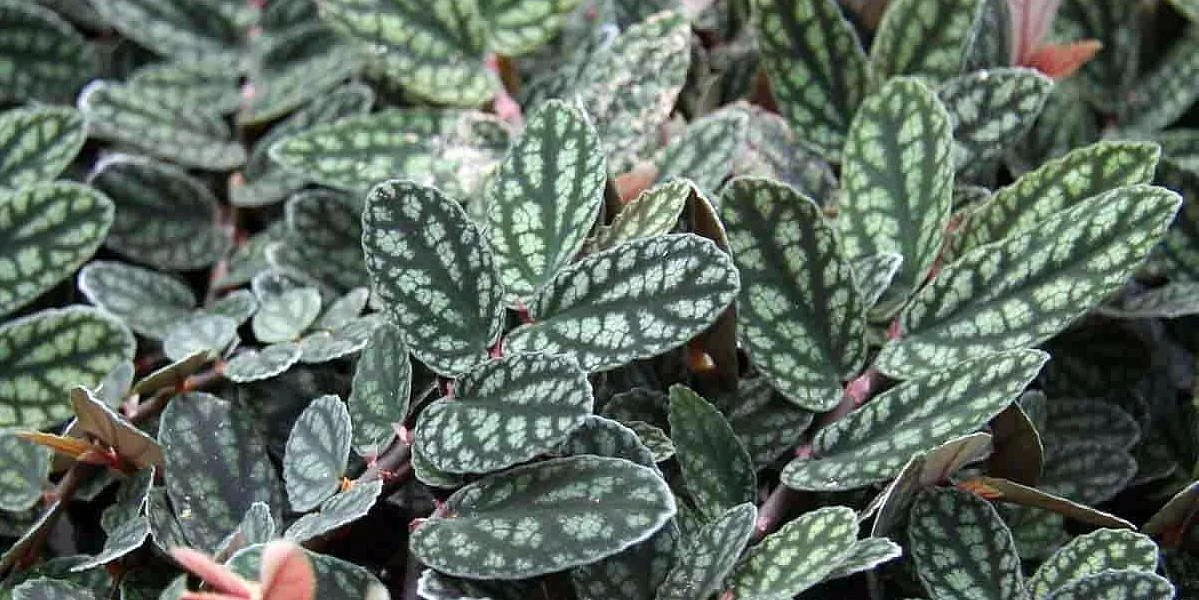
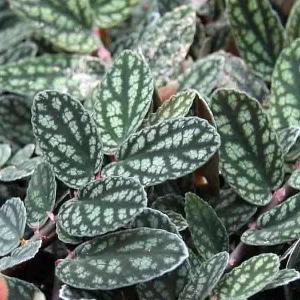
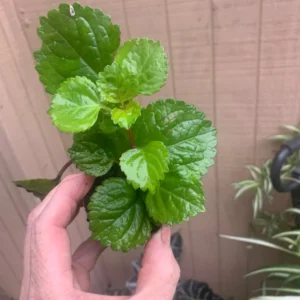
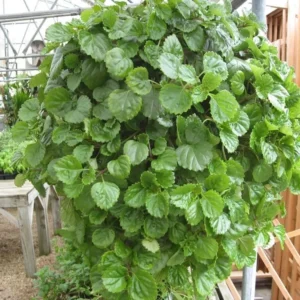
Introduce a touch of vibrant natural beauty to your home with the exquisite Pellionia Pulchra live plant. Often celebrated as the Rainbow Vine or Trailing Watermelon Pellionia, this captivating houseplant is renowned for its stunning variegated foliage and graceful trailing habit. Originating from the lush tropical regions of Southeast Asia, including Vietnam, Malaysia, and Burma, the Pellionia Pulchra live plant thrives in warm, humid environments, making it an ideal choice for indoor settings, especially terrariums. This herbaceous perennial features an attractive display of greenish-pink stems adorned with oblong, wavy-edged leaves that boast intricate patterns, resembling a miniature watermelon rind. Each plant is carefully cultivated and delivered in a 2.5-inch pot, ready to bring immediate charm to your plant collection. Whether you’re a seasoned plant enthusiast or a beginner, this easy-to-care-for live plant offers an instant upgrade to your indoor garden, adding a unique splash of color and texture.
Key Benefits
The Pellionia Pulchra live plant offers a multitude of benefits, making it a highly desirable addition to any indoor plant collection. Its unique aesthetic and manageable care requirements contribute to its widespread appeal. Here are some of the standout advantages:
- Stunning Foliage: The primary allure of the Pellionia Pulchra live plant is its incredibly decorative leaves. Featuring a beautiful mix of green, silver, and often purplish-pink hues, the foliage creates a striking visual contrast, making it a focal point in any room.
- Versatile Use: This plant’s trailing habit makes it exceptionally versatile. It excels in hanging baskets, allowing its vibrant vines to cascade elegantly. It’s also a perfect fit for terrariums, where its compact growth and love for humidity are ideal, contributing to a lush, miniature ecosystem.
- Low Growing Habit: With a low growing habit of 3 to 6 inches and spreading tendencies of 1 to 2 feet, it’s an excellent choice for ground cover in appropriate indoor containers or larger terrariums, filling space beautifully without overwhelming other plants.
- Easy to Care For: Despite its exotic appearance, Rainbow Vine care is surprisingly straightforward. It doesn’t demand constant attention, making it suitable for busy individuals or those new to plant parenting. Consistent moisture and indirect light are key to its thriving.
- Enhances Indoor Aesthetics: The unique patterns and colors of the leaves, coupled with its elegant trailing form, significantly enhance the aesthetic appeal of any indoor space. It adds a touch of tropical elegance and a pop of natural color to desks, shelves, or windowsills.
- Terrarium Favorite: Its preference for high humidity and ability to spread without growing too tall make it a top choice for creating vibrant and self-sustaining terrarium environments, where it can truly flourish.
- Pet-Friendly Nature: While always advisable to research specific plant toxicity, Pellionia species are generally considered non-toxic to common household pets, offering peace of mind for pet owners.
Plant Care & Growing Tips
Proper Rainbow Vine care ensures your plant remains vibrant and healthy, showcasing its beautiful foliage. This section provides detailed guidance to help your Pellionia Pulchra live plant thrive in its indoor environment. Understanding its native habitat helps in replicating optimal conditions at home.
Sunlight Requirements: The Pellionia Pulchra prefers bright, indirect light. Direct sunlight can scorch its delicate leaves, causing them to fade or burn. A north or east-facing window is often ideal, or a spot a few feet away from a south or west-facing window where it receives filtered light. If the light is too low, the vibrant colors of the leaves may become muted, and the plant may become leggy. Providing consistent, diffused light is crucial for maintaining its striking variegation and compact growth.
Watering Schedule and Soil Moisture: Consistency is key when watering your Pellionia Pulchra indoor plant. It prefers consistently moist, but not waterlogged, soil. Allow the top inch of soil to dry out slightly between waterings, then water thoroughly until water drains from the bottom of the pot. Avoid letting the plant sit in standing water, as this can lead to root rot. During winter months, reduce watering frequency as the plant’s growth slows. High humidity is also beneficial; consider misting regularly, placing the pot on a pebble tray with water, or using a humidifier, especially in dry indoor environments.
Soil Type and Drainage: A well-draining, peat-based potting mix is ideal for the Pellionia Pulchra. A mix formulated for houseplants or African violets often works well. Ensure the pot has drainage holes to prevent water accumulation. Good drainage is paramount to prevent root issues. Watermelon Pellionia thrives in a slightly acidic to neutral soil pH.
Temperature and USDA Hardiness Zone: Being a tropical plant, the Pellionia Pulchra prefers warm temperatures, ideally between 65°F and 80°F (18°C-27°C). Avoid exposing it to temperatures below 50°F (10°C), as cold drafts can damage the foliage. As an indoor plant, it does not have a specific outdoor USDA hardiness zone, but it can be grown outdoors in very warm, humid climates (typically zones 10-11) as a perennial ground cover. Protect it from sudden temperature fluctuations.
Fertilization: During the active growing season (spring and summer), feed your Pellionia Pulchra indoor plant with a balanced liquid fertilizer diluted to half strength every 2-4 weeks. Reduce or stop fertilizing during the fall and winter months when growth naturally slows down. Over-fertilization can lead to nutrient burn, so always follow product instructions.
Common Problems and Solutions: Yellowing leaves can indicate overwatering or nutrient deficiency. Brown, crispy leaf edges often signal low humidity or underwatering. Leggy growth suggests insufficient light. Pests like spider mites or mealybugs can occasionally affect the plant; treat with insecticidal soap or neem oil as needed. Regular inspection helps catch issues early.
Size & Details
This offering includes one healthy Pellionia Pulchra live plant, meticulously nurtured and delivered in a 2.5-inch nursery pot. At this stage, the plant typically features several established vines, ready to begin its trailing journey in your chosen display. The plant usually grows to a low height of 3 to 6 inches, with its vibrant vines spreading broadly, often reaching 1 to 2 feet in length as it matures. This makes it an excellent candidate for filling out tight spaces or cascading gracefully from shelves and hanging baskets. The plant is shipped in its nursery pot, with soil intact, ensuring minimal transition shock upon arrival. With proper trailing houseplant terrarium care, you can expect steady growth, with new leaves and vines developing throughout the warmer months. While it doesn’t bloom showy flowers, its foliage provides year-round visual interest. The compact size of the 2.5-inch pot makes it perfect for immediate placement in terrariums, small decorative pots, or as a starter plant for larger arrangements.
Frequently Asked Questions
- Q: How big does this plant get? A: The Pellionia Pulchra live plant typically maintains a low height of 3 to 6 inches, but its trailing vines can spread quite extensively, often reaching 1 to 2 feet in length. Its growth habit makes it ideal for ground cover or cascading displays.
- Q: What size pot does it come in? A: Each Pellionia Pulchra live plant is shipped in a standard 2.5-inch nursery pot, providing a good foundation for its initial growth. You can repot it into a slightly larger decorative pot or terrarium upon arrival.
- Q: Is this an indoor or outdoor plant? A: The Pellionia Pulchra is primarily grown as an indoor houseplant due to its tropical origins and preference for warmth and humidity. It can be grown outdoors in very warm, humid climates (USDA zones 10-11) as a perennial ground cover.
- Q: How much sunlight does it need? A: This plant thrives in bright, indirect light. Avoid direct sunlight, which can scorch its leaves. A spot near a north or east-facing window, or several feet from a brighter window, is usually ideal for optimal Rainbow Vine care.
- Q: Is this plant easy to care for? Is it good for beginners? A: Yes, the Pellionia Pulchra is considered relatively easy to care for, making it a good choice for beginners. Its main requirements are consistent moisture, high humidity, and indirect light.
- Q: What condition will it arrive in? Is it shipped in soil? A: Your Pellionia Pulchra live plant will arrive carefully packaged in its 2.5-inch nursery pot with the soil intact, ensuring it is well-protected and ready for display or repotting.
- Q: What is a good environment for a trailing houseplant terrarium? A: The Pellionia Pulchra is an excellent choice for a terrarium due to its preference for high humidity and its compact, spreading growth. It will thrive in a closed or open terrarium that provides consistent moisture and indirect light.
- Q: Is the Watermelon Pellionia pet-safe? A: While many plants can cause mild irritation if ingested, Pellionia species are generally considered non-toxic to cats and dogs. However, it’s always best to discourage pets from chewing on any houseplant.
- Q: How often should I water my Pellionia Pulchra? A: Water your Pellionia Pulchra when the top inch of soil feels dry to the touch. It prefers consistently moist, but not waterlogged, soil. Reduce watering slightly in the cooler, darker winter months.
- Q: Does it have any specific humidity requirements? A: Yes, Pellionia Pulchra, also known as Rainbow Vine care, thrives in high humidity, mimicking its tropical origins. You can provide this by misting regularly, using a pebble tray, or placing it near a humidifier.
Related products
-30%
Original price was: $79.98.$55.98Current price is: $55.98.
-25%
Original price was: $30.00.$22.50Current price is: $22.50.
-25%
Original price was: $23.80.$17.84Current price is: $17.84.
-30%
Original price was: $13.98.$9.78Current price is: $9.78.
PLANTING & CARE
Growing Glencoe Raspberry: A Complete Guide for Gardeners
If you’re looking to add something unique to your garden, look no further than the
31
Mar
Mar

The Comprehensive Guide to Growing Bay Leaf Plants for a Flavorful Garden
Imagine stepping into your garden, greeted by the earthy aroma of fresh bay leaves, their
09
Feb
Feb

How to Make Comfrey Tea: The Ultimate Organic Plant Food
Growing an organic garden can be surprisingly expensive, especially when most store-bought fertilizers come in
02
Feb
Feb

True Comfrey: 7 Essential Tips Before You Plant This Herb
A staple in permaculture practices across the US, True Comfrey easily earns its reputation as
27
Jan
Jan

7 Heart-Shaped Plants for a Lasting Valentine’s Gift
If you’ve ever bought a bouquet of roses for Valentine’s Day, you know they are
26
Jan
Jan

Best Types of Ivy Plant for Houses: How to Choose the Perfect Ones for Your Home
Are you a garden lover looking to introduce some greenery into your home? Maybe you’ve
14
Nov
Nov

When to Harvest Garlic (Especially Fall-Planted Garlic)
TIMING IS EVERYTHING, they say – and for garlic, that truth hits with surprising accuracy.
13
Nov
Nov

11 of the Best Sweet Potato Varieties to Grow for Your Garden
If you’ve ever tried growing sweet potatoes, you know that picking the right variety can
12
Nov
Nov