Pennywort Seeds – Gotu Kola (Centella Asiatica) – Rau Ma Seeds – Asian Vegetable Seeds
-50%


Pennywort Seeds – Gotu Kola (Centella Asiatica) – Rau Ma Seeds – Asian Vegetable Seeds
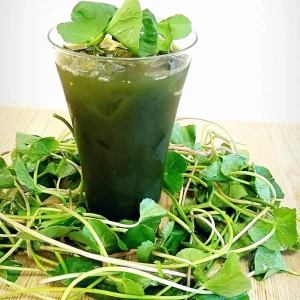
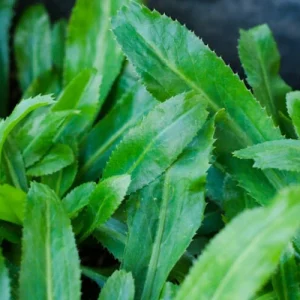
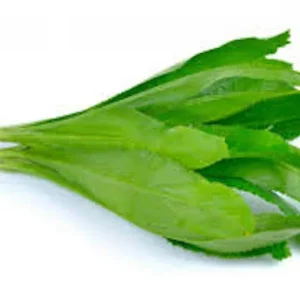
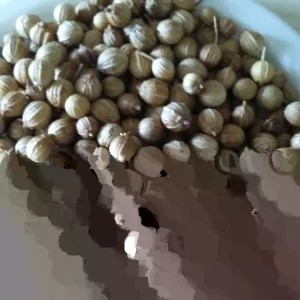
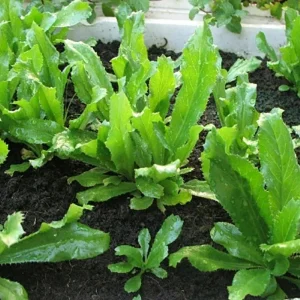
Cultivate your own supply of fresh pennywort seeds, also known as gotu kola seeds or centella asiatica seeds. These versatile rau ma seeds are ideal for traditional culinary uses and make a unique addition to any garden.
From Original price was: $12.00.$6.00Current price is: $6.00.

With our Alive & Thrive Guarantee, we’ve got your back for the first 30 days! If you have any concerns about your plants, just reach out to us. Our team is here to help answer your questions and guide you in selecting the best plants for your garden, climate, and unique preferences. We're excited to help you create the garden of your dreams!
Estimated arrival
Apr 06
Apr 11 - Apr 13
Apr 16 - Apr 20

Product Details
-
USDA Hardiness Zone
USDA Zones 9-11 (Perennial), annual in colder zones -
Soil type
Moist, well-draining, rich in organic matter -
Sunlight Exposure
Partial shade to bright indirect light -
Expected Planting Period
Spring (outdoors), year-round (indoors)
Overview
Embark on a rewarding gardening journey with our premium pennywort seeds. Also widely recognized as gotu kola seeds, centella asiatica seeds, or rau ma seeds, this remarkable herb is celebrated across various cultures for its vibrant foliage and potential uses. Originating from wetland regions of Asia, pennywort is a low-growing, creeping plant that thrives in moist environments. These high-quality seeds offer you the opportunity to grow fresh pennywort at home, bringing a touch of nature’s goodness to your kitchen or garden. Whether you’re a seasoned gardener or just starting, cultivating your own pennywort from seed is a fulfilling experience, providing a continuous supply of this unique and versatile plant.
Our pennywort seeds are carefully selected to ensure a high germination rate, allowing you to establish a healthy patch of this fascinating herb. Pennywort is not only a beautiful groundcover but also a staple in many Asian cuisines, often used in salads, drinks, and as a garnish. Its distinctive round leaves add an interesting texture and a mild, slightly bitter flavor to dishes. Growing your own asian vegetable seeds like pennywort ensures you have access to fresh, pesticide-free produce right from your backyard or indoor setup. Discover the joy of nurturing this resilient plant from a tiny seed into a lush, green carpet of leaves.
Key Benefits
Growing your own pennywort seeds offers a multitude of benefits, from enhancing your garden’s aesthetic to providing a fresh ingredient for your culinary adventures. This herb is not only easy to cultivate but also brings a unique character to your plant collection.
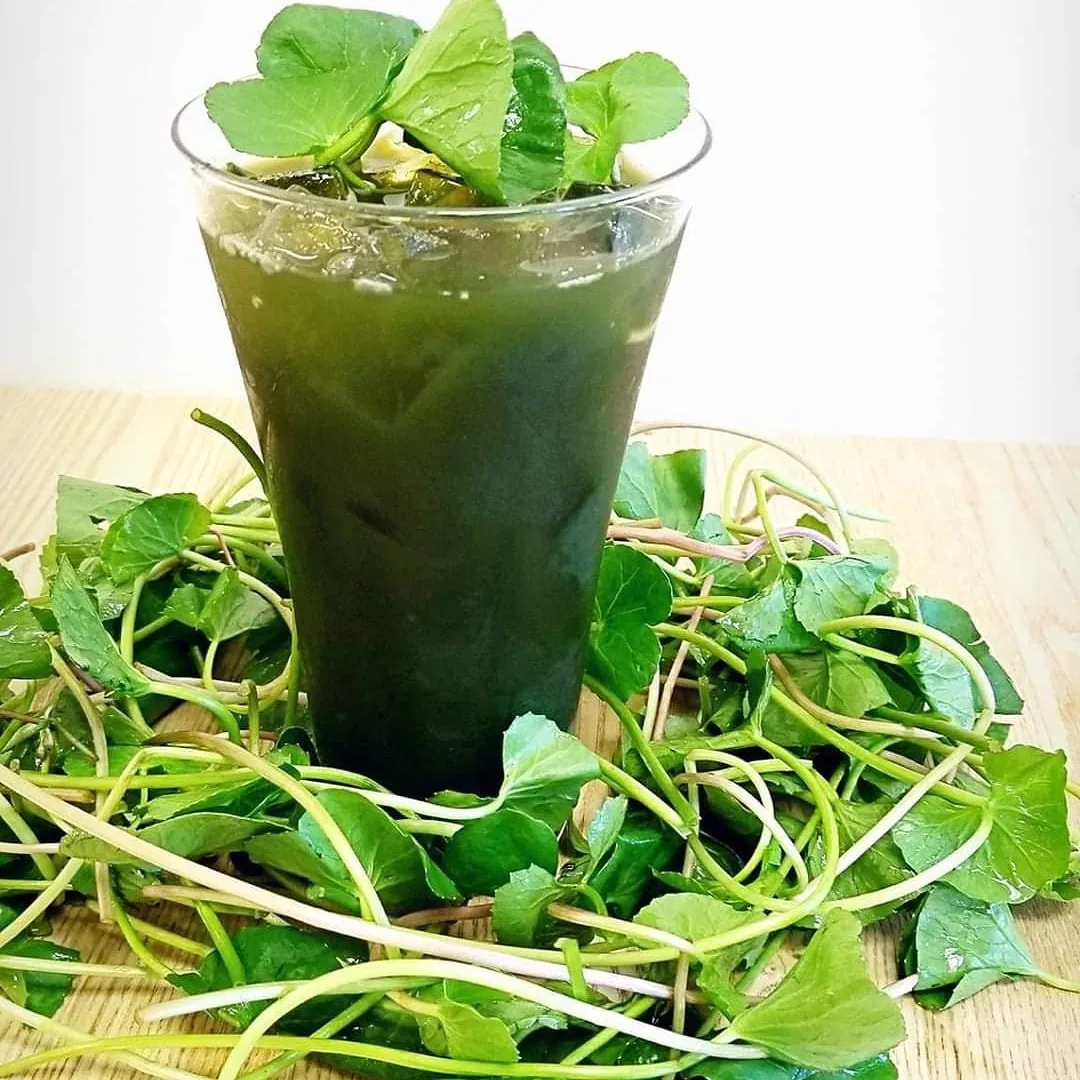
- Culinary Versatility: Pennywort leaves, also known as Gotu Kola or Rau Ma, are a popular ingredient in Southeast Asian and Indian cuisines. They can be used fresh in salads, blended into refreshing drinks, or incorporated into stir-fries and curries, adding a distinct, earthy flavor.
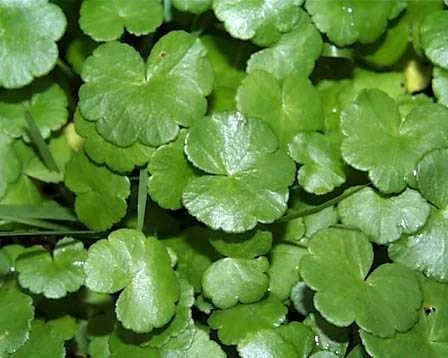
- Decorative Groundcover: With its attractive, round, bright green leaves and creeping growth habit, pennywort makes an excellent groundcover for moist, shady areas in your garden or even as a unique potted plant indoors. It creates a lush, vibrant carpet that enhances any landscape.
- Ease of Growth: These gotu kola seeds are relatively easy to germinate and grow, making them suitable for gardeners of all experience levels. With proper moisture and warmth, you can successfully establish a thriving patch of pennywort.
- Freshness at Your Fingertips: Cultivating your own centella asiatica seeds ensures a constant supply of fresh leaves, allowing you to enjoy the benefits of this herb whenever you desire, without relying on store-bought options.
- Educational Experience: For families and children, growing rau ma seeds can be a wonderful educational activity, teaching about plant life cycles, sustainable gardening, and the origins of food.
- Unique Garden Addition: Stand out from traditional gardens by incorporating this distinctive Asian herb. Its unique appearance and culinary uses make it a conversation starter and a valuable addition to any herb garden.
- Adaptable Growth: Pennywort can be grown both indoors and outdoors, provided it receives adequate moisture and light. This adaptability makes it a flexible choice for various growing environments.
Plant Care & Growing Tips
Successfully growing pennywort seeds requires attention to specific environmental conditions, particularly moisture and light. Pennywort thrives in consistently moist soil and prefers a humid environment, mimicking its natural habitat in wetlands. When sowing your gotu kola seeds, use a well-draining potting mix or a rich, loamy soil. Sow the seeds on the surface of the soil and lightly cover them with a thin layer, about 1/5 inch thick. It’s crucial to keep the soil continuously moist, but not waterlogged, until germination occurs, which typically takes a couple of weeks. A humidity dome or plastic wrap can help maintain the necessary moisture levels during this critical period.
Once germinated, centella asiatica seeds develop into plants that prefer partial shade to bright indirect light. While they can tolerate some direct morning sun, intense afternoon sun can scorch their delicate leaves, especially in hotter climates. If growing indoors, place them near a window with filtered light or use grow lights. Outdoor pennywort can be planted in USDA Zones 9-11, where it can be perennial. In colder climates, it’s best grown as an annual or brought indoors during winter. Fertilize sparingly with a balanced liquid fertilizer every 4-6 weeks during the growing season. Ensure good air circulation to prevent fungal issues, and watch out for common pests like aphids or spider mites, treating them promptly with organic pest control methods if they appear. Consistent moisture is key to a healthy and vigorous pennywort plant.
Size & Details
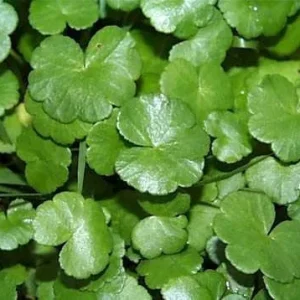
Our pennywort seeds provide the foundation for growing a lush, low-lying plant that typically spreads as a groundcover, forming a dense mat of foliage. Individual plants can reach a height of 2-6 inches, with leaves that are round to kidney-shaped, usually 1-2 inches in diameter. The growth rate is moderate to fast under ideal conditions, allowing for a quick establishment in your garden or container. These rau ma seeds are shipped in a protective packet, ensuring their viability upon arrival. While pennywort can be grown year-round indoors, outdoor planting is best done in spring after the last frost, or in regions with mild winters. Expect to see substantial growth and be able to harvest leaves within 2-3 months of germination, providing a continuous supply for your culinary or decorative needs.
Frequently Asked Questions
- Q: How big does a pennywort plant get? A: Pennywort typically grows as a low-lying groundcover, reaching a height of about 2 to 6 inches. Its round leaves usually span 1 to 2 inches in diameter, and the plant will spread horizontally to form a dense mat if given space and moisture.
- Q: Is this an indoor or outdoor plant? A: Pennywort can be grown both indoors and outdoors. Outdoors, it thrives in USDA Zones 9-11 as a perennial. In colder climates, it’s often grown as an annual or brought indoors during winter. Indoors, it makes an excellent container plant, especially in a terrarium or humid environment.
- Q: How much sunlight do pennywort seeds need? A: After germination, pennywort seeds grow into plants that prefer partial shade to bright indirect light. They can tolerate some morning sun but should be protected from harsh afternoon sun, which can scorch their leaves.
- Q: Is this plant easy to care for? A: Yes, pennywort is considered relatively easy to care for, especially if its basic needs for consistent moisture and partial shade are met. It’s a forgiving plant that can adapt to various conditions, making it suitable for beginners.
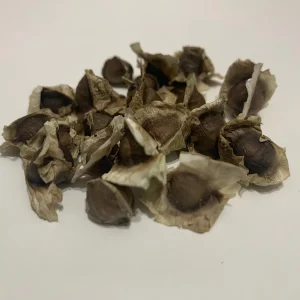
- Q: What condition will the gotu kola seeds arrive in? A: The gotu kola seeds will arrive in a well-protected packet, ensuring they are dry and viable for planting. We take care to package them securely to prevent damage during transit.
- Q: When is the best time to plant centella asiatica seeds? A: The best time to plant centella asiatica seeds outdoors is in the spring after the last threat of frost has passed and soil temperatures have warmed. Indoors, they can be started any time of the year.
- Q: Will pennywort survive winter in my zone? A: Pennywort is perennial in USDA Zones 9-11. In zones colder than 9, it will likely not survive the winter outdoors and should be grown as an annual or brought indoors before the first frost.
- Q: How long until rau ma seeds germinate? A: Under optimal conditions with consistent moisture and warmth, rau ma seeds typically germinate within two to three weeks after sowing. Patience and consistent care are key during this initial phase.
- Q: Can I use pennywort in cooking? A: Absolutely! Pennywort, or Gotu Kola, is a popular culinary herb, especially in Asian cuisines. Its leaves are often used fresh in salads, as a garnish, or blended into refreshing beverages and smoothies.
- Q: What kind of soil is best for growing asian vegetable seeds like pennywort? A: Pennywort thrives in consistently moist, well-draining soil that is rich in organic matter. A good quality potting mix or a loamy garden soil amended with compost is ideal for growing healthy plants from your asian vegetable seeds.
| Seeds | 10,000+, 1000+, 2000+, 500+, 5000+ |
|---|
Related products
-50%
From Original price was: $64.00.$32.00Current price is: $32.00.
-50%
From Original price was: $64.00.$32.00Current price is: $32.00.

PLANTING & CARE
Growing Glencoe Raspberry: A Complete Guide for Gardeners
If you’re looking to add something unique to your garden, look no further than the
31
Mar
Mar

The Comprehensive Guide to Growing Bay Leaf Plants for a Flavorful Garden
Imagine stepping into your garden, greeted by the earthy aroma of fresh bay leaves, their
09
Feb
Feb

How to Make Comfrey Tea: The Ultimate Organic Plant Food
Growing an organic garden can be surprisingly expensive, especially when most store-bought fertilizers come in
02
Feb
Feb

True Comfrey: 7 Essential Tips Before You Plant This Herb
A staple in permaculture practices across the US, True Comfrey easily earns its reputation as
27
Jan
Jan

7 Heart-Shaped Plants for a Lasting Valentine’s Gift
If you’ve ever bought a bouquet of roses for Valentine’s Day, you know they are
26
Jan
Jan

Best Types of Ivy Plant for Houses: How to Choose the Perfect Ones for Your Home
Are you a garden lover looking to introduce some greenery into your home? Maybe you’ve
14
Nov
Nov

When to Harvest Garlic (Especially Fall-Planted Garlic)
TIMING IS EVERYTHING, they say – and for garlic, that truth hits with surprising accuracy.
13
Nov
Nov

11 of the Best Sweet Potato Varieties to Grow for Your Garden
If you’ve ever tried growing sweet potatoes, you know that picking the right variety can
12
Nov
Nov