Phlox Subulata ‘Blue’ Live Plant – Blue Creeping Phlox Groundcover – 2.5×3.5 inch Pot
-48%
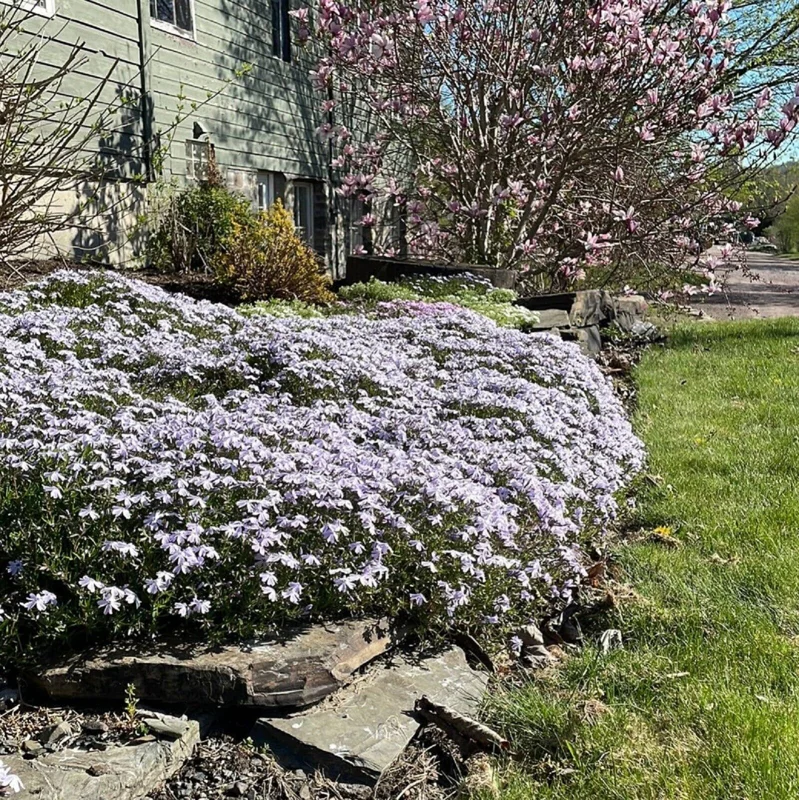
Phlox Subulata ‘Blue’ Live Plant – Blue Creeping Phlox Groundcover – 2.5×3.5 inch Pot
Add vibrant color to your garden with this phlox subulata blue live plant. A hardy perennial groundcover, it features beautiful bluish/lavender flowers in spring and semi-evergreen foliage. Perfect for rock gardens or borders, thriving in full sun.
Original price was: $31.10.$16.10Current price is: $16.10.

With our Alive & Thrive Guarantee, we’ve got your back for the first 30 days! If you have any concerns about your plants, just reach out to us. Our team is here to help answer your questions and guide you in selecting the best plants for your garden, climate, and unique preferences. We're excited to help you create the garden of your dreams!
Estimated arrival
Oct 21
Oct 26 - Oct 28
Oct 31 - Nov 04

Product Details
-
USDA Hardiness Zone
3-9 -
Soil type
Well-drained soil -
Sunlight Exposure
Full sun -
Expected Planting Period
Spring to Fall
Overview
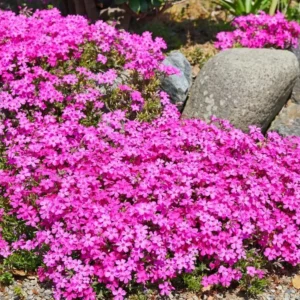
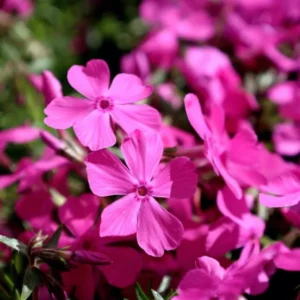
Introduce a splash of vibrant color and a carpet of blooms to your garden with the phlox subulata blue live plant. Also known as Creeping Phlox ‘Blue’, this robust perennial groundcover is celebrated for its stunning display of bluish-lavender flowers that emerge in a spectacular blanket during spring. This particular variety, ‘Blue’, offers a charming hue that can transform rock gardens, borders, or sloped areas into a breathtaking landscape. The phlox subulata blue live plant is a low-growing, spreading plant, making it an excellent choice for filling in spaces and providing continuous visual interest with its semi-evergreen foliage. It’s a fantastic addition for gardeners seeking a reliable, showy, and easy-to-care-for plant that brings early spring beauty.
This creeping phlox blue specimen arrives as a well-rooted starter plant, ready to establish quickly in your garden. Its dense growth habit helps suppress weeds and provides a lovely texture to the landscape. Whether you’re a seasoned gardener or just starting, this beautiful plant promises to deliver a delightful performance year after year, creating a sea of color that attracts pollinators and admirers alike.
Key Benefits
The phlox subulata blue live plant offers numerous advantages for any garden setting, enhancing both aesthetic appeal and environmental health:
- Spectacular Spring Blooms: Enjoy an explosion of beautiful bluish-lavender flowers that completely cover the plant in early to mid-spring, creating a dazzling carpet of color that is truly a sight to behold. This early bloom provides essential nectar for early pollinators.
- Excellent Groundcover: With its low-growing and spreading habit, this plant is ideal for covering bare ground, preventing erosion on slopes, and softening hard edges in your landscape. It forms a dense mat that helps to suppress weed growth.
- Semi-Evergreen Foliage: The needle-like, semi-evergreen foliage provides year-round interest, maintaining a green presence even through milder winters, adding structure and texture to your garden when other plants are dormant.
- Drought Tolerant: Once established, creeping phlox blue is quite drought-tolerant, making it a sustainable choice for water-wise gardening and requiring less frequent watering than many other flowering perennials.
- Low Maintenance: This hardy perennial requires minimal care, thriving with little intervention once planted. It’s an excellent choice for busy gardeners or those looking for a beautiful, yet undemanding, plant.
- Deer Resistant: The foliage of the phlox groundcover perennial is generally unappealing to deer, making it a reliable choice for gardens in areas where deer browsing is a concern.
- Attracts Pollinators: The abundant spring flowers are a magnet for bees and other beneficial pollinators, contributing to the biodiversity and health of your garden ecosystem.
Plant Care & Growing Tips
Caring for your phlox subulata blue live plant is relatively straightforward, ensuring a vibrant display for years to come. This plant thrives in conditions that mimic its native rocky, open habitats. For optimal growth and flowering, ensure it receives full sun, meaning at least 6 hours of direct sunlight per day. Insufficient light can lead to sparse flowering and leggy growth. When it comes to soil, well-drained soil is paramount. Phlox subulata is highly susceptible to root rot in waterlogged conditions. A sandy or gravelly loam is ideal, but any soil with good drainage will suffice. If your soil is heavy clay, amend it with organic matter and grit to improve drainage.
Watering should be consistent but moderate, especially during the plant’s establishment period. Once established, the blue phlox care routine involves less frequent watering, as it becomes quite drought-tolerant. Water deeply when the top inch or two of soil feels dry to the touch, then allow the soil to dry out before watering again. This plant is hardy in USDA Zones 3-9, tolerating a wide range of temperatures. Fertilization is not typically required, but a light application of a balanced slow-release fertilizer in early spring can boost flowering in poorer soils. Pruning after flowering can help maintain a tidy shape and encourage bushier growth, though it is not strictly necessary. Watch out for powdery mildew in humid conditions; ensuring good air circulation can help prevent this.
Size & Details
This offering is for a healthy, well-rooted phlox subulata blue live plant, typically supplied in a 2 1/2 x 3 1/2 inch pot, ready for immediate planting. This starter plant provides a robust foundation for rapid growth in your garden. As a perennial groundcover, it typically grows to a height of 4-6 inches, forming a dense, spreading mat. The spread can reach an impressive 18-24 inches, making it excellent for covering larger areas over time. Its growth rate is moderate, establishing well within its first season and expanding its footprint in subsequent years. The plant will develop its characteristic bluish-lavender flowers in spring, creating a stunning visual impact. This plant is shipped as a live, potted specimen, ensuring its health and vitality upon arrival, ready to be transplanted into its permanent garden location.
Frequently Asked Questions
- Q: How big does this phlox subulata blue live plant get? A: This perennial groundcover typically grows to a height of 4-6 inches. It has a spreading habit and can achieve a width of 18-24 inches, forming a dense mat over time.
- Q: Is this an indoor or outdoor plant? A: The phlox subulata blue live plant is an outdoor perennial. It is best suited for garden beds, rockeries, and borders where it can receive ample sunlight and thrive in natural conditions.
- Q: How much sunlight does creeping phlox blue need? A: This plant requires full sun to perform its best, meaning at least 6 hours of direct sunlight per day. Adequate sunlight is crucial for abundant flowering.
- Q: Is this plant easy to care for? A: Yes, the phlox groundcover perennial is considered low-maintenance once established. It’s drought-tolerant and generally unfussy, making it suitable for both experienced and novice gardeners.
- Q: What condition will the plant arrive in? A: Your evergreen phlox plant will arrive as a well-rooted starter plant in a 2 1/2 x 3 1/2 inch pot, carefully packaged to ensure its health and readiness for planting.
- Q: How long until it blooms? A: If planted in the appropriate conditions, your phlox should produce its beautiful bluish-lavender flowers in the spring following establishment, or potentially in the first spring after planting if given sufficient time to root.
- Q: Will it survive winter in my zone? A: This phlox subulata blue live plant is hardy in USDA Zones 3-9, meaning it is well-equipped to survive winters within this broad range. Its semi-evergreen foliage offers some winter interest in milder climates.
- Q: What kind of soil is best for blue phlox care? A: Well-draining soil is essential for this plant. Sandy or gravelly loam is ideal, but any soil that does not retain excessive moisture will work. Avoid heavy clay soils unless amended to improve drainage.
- Q: Does this plant attract bees? A: Yes, the abundant spring flowers of the phlox subulata blue live plant are very attractive to bees and other pollinators, contributing positively to your garden’s ecosystem.
- Q: Can I plant this on a slope? A: Absolutely! Its spreading, mat-forming habit makes it an excellent choice for planting on slopes, where it can help with erosion control while providing beautiful color.
Related products
-32%
Original price was: $73.98.$49.99Current price is: $49.99.
-33%
Original price was: $44.97.$29.99Current price is: $29.99.
-67%
Original price was: $59.97.$19.99Current price is: $19.99.
-40%
Original price was: $59.98.$35.99Current price is: $35.99.
PLANTING & CARE
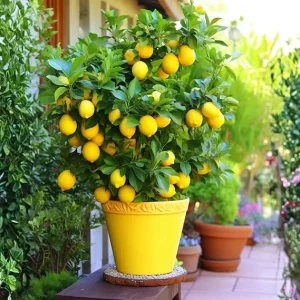
Lemon Tree Growing: Choose, Plant, and Harvest
Learn how to choose, plant, feed, and protect a lemon tree so it fits your
23
Sep
Sep
Dwarf Meyer Lemon Tree Australia: Climate Guide
Learn where dwarf Meyer lemon trees grow, how much cold they tolerate, and whether Australia,
Where to Buy a Dwarf Meyer Lemon Tree: Buyer’s Guide
Find the right dwarf Meyer lemon tree online or locally, compare starter sizes and costs,
Dwarf Meyer Lemon Tree for Sale: Buying Guide
Compare Meyer lemon tree sizes, prices, shipping limits, indoor growing and California options before you
Dwarf Meyer Lemon Tree Guide: Size, Care and Fruit
META: Learn how large a dwarf Meyer lemon tree grows, where it thrives, and how
How to Prune a Dwarf Meyer Lemon Tree
Learn when and how to prune a dwarf Meyer lemon tree, including tools, shaping cuts,
Can You Grow a Dwarf Meyer Lemon Tree in a Pot?
META: Learn how to grow a dwarf Meyer lemon tree in a pot, including container
When Do Dwarf Meyer Lemon Trees Bloom and Fruit?
META: Dwarf Meyer lemon trees usually bloom from winter through spring and may flower again