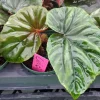
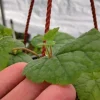
Piggyback Plant – 1 Live Plant, 6 inch Hanging Pot – Houseplant
-9%
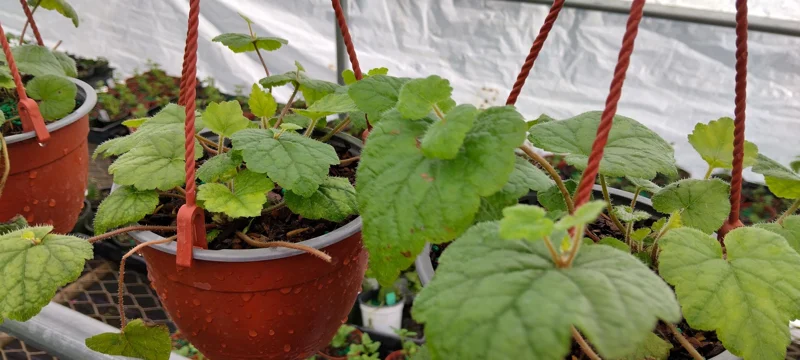
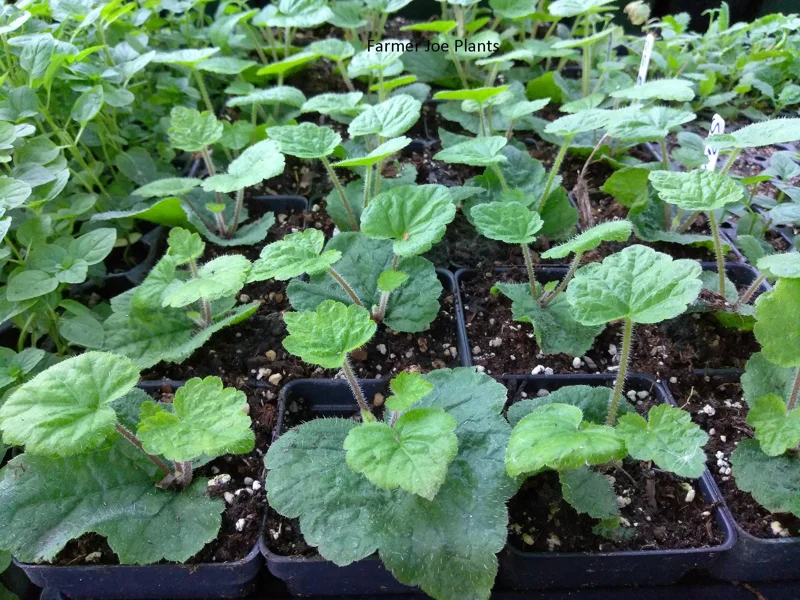
Piggyback Plant – 1 Live Plant, 6 inch Hanging Pot – Houseplant
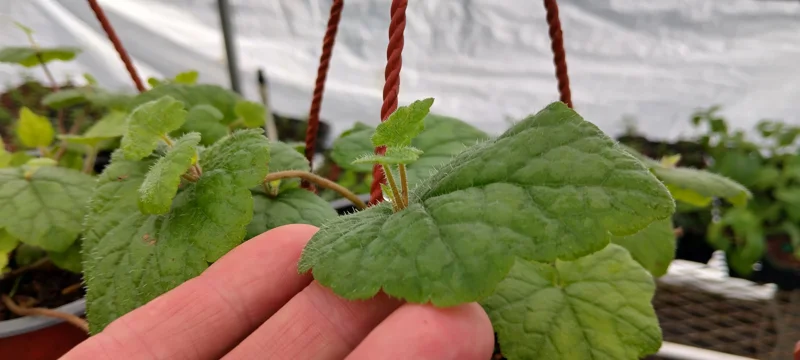
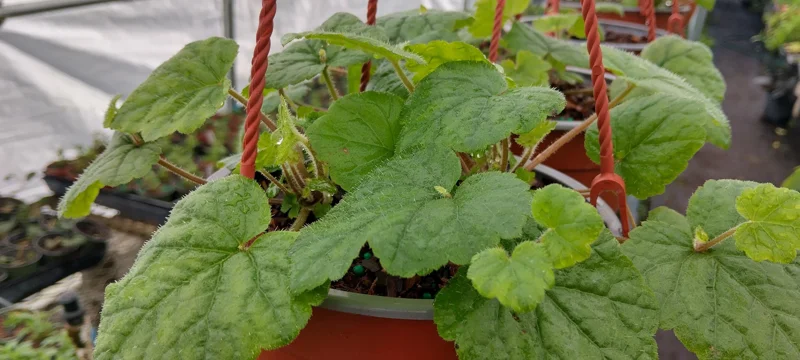
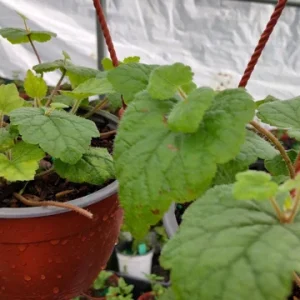
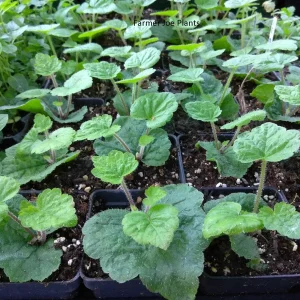
Bring home a delightful piggyback plant, an intriguing live houseplant in a 6 inch hanging pot. Known for its unique growth habit where new plantlets form directly on mature leaves, it’s a super fun plant to grow and a conversation starter. Ideal for indoor spaces, this plant thrives with proper piggyback plant care and adds a touch of natural whimsy to any room.
Original price was: $43.98.$40.00Current price is: $40.00.

With our Alive & Thrive Guarantee, we’ve got your back for the first 30 days! If you have any concerns about your plants, just reach out to us. Our team is here to help answer your questions and guide you in selecting the best plants for your garden, climate, and unique preferences. We're excited to help you create the garden of your dreams!
Estimated arrival
Oct 21
Oct 26 - Oct 28
Oct 31 - Nov 04
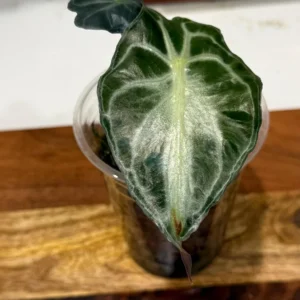
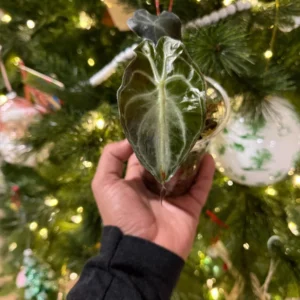
Product Details
-
USDA Hardiness Zone
USDA zones 7-9 (if grown outdoors), primarily indoor plant -
Soil type
Well-draining potting mix -
Sunlight Exposure
Bright indirect light -
Expected Planting Period
Year-round indoors
Overview
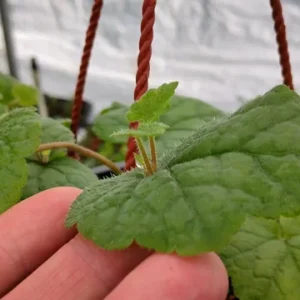
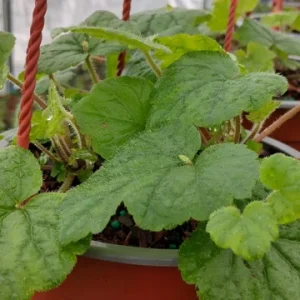
Introduce a truly unique botanical specimen into your home with the piggyback plant, also scientifically known as Tolmiea menziesii. This fascinating live plant gets its common name from its distinctive growth habit: tiny new plantlets emerge directly from the base of mature leaves, appearing as if they are riding on the ‘back’ of the parent leaf. Originating from the cool, moist forests of the Pacific Northwest, the piggyback plant is cherished for its lush, lobed green foliage and its endearing method of reproduction. It makes an excellent choice for indoor cultivation, especially in hanging baskets where its trailing foliage and plantlets can be fully appreciated. This particular offering provides you with 1 live plant, ready to thrive and bring joy to your living space.
The piggyback plant is remarkably resilient and can be a rewarding experience for both novice and experienced plant enthusiasts. Its ease of propagation from the plantlets makes it a fun project for sharing with friends or expanding your own collection. With its vibrant green leaves and charming ‘piggybacking’ babies, this plant offers continuous visual interest and a touch of nature’s marvel. Understanding basic piggyback plant care is key to ensuring its vibrant growth and prolific display of plantlets.
Key Benefits
The piggyback plant offers a variety of benefits that make it a standout choice for indoor gardeners. Its unique characteristics contribute to both aesthetic appeal and ease of maintenance:
- Unique Visual Appeal: The most striking feature is its ability to produce miniature plantlets directly on its leaves, creating a captivating and unusual display. This natural propagation method makes it a constant source of wonder and conversation.
- Easy Propagation: Those leaf-borne plantlets aren’t just for show; they can be easily removed and rooted to create new plants, offering an endless supply of greenery and a fun gardening project. This makes sharing your love for plants simple and rewarding.
- Adaptable Houseplant: The piggyback plant thrives in typical indoor conditions, making it a forgiving choice for various home environments. It prefers consistent moisture and indirect light, adapting well to many indoor settings.
- Excellent for Hanging Baskets: Its naturally trailing habit and the way new plantlets dangle make it an ideal candidate for hanging baskets, allowing its unique form to cascade beautifully. This maximizes space and adds dynamic interest.
- Low Maintenance: Once its basic needs are met, this plant requires minimal fuss. Regular watering and occasional feeding are usually sufficient to keep it healthy and thriving, making piggyback plant care straightforward.
- Air Purifying Qualities: Like many houseplants, the Tolmiea menziesii contributes to a healthier indoor environment by helping to filter and purify the air, enhancing the overall quality of your living space.
- Hard to Find: While relatively easy to care for, this plant is not always readily available, making it a special addition to any plant collection. Its ‘hard to find’ status adds to its allure.
Plant Care & Growing Tips
Proper piggyback plant care is essential for a healthy and thriving specimen. This plant appreciates consistent attention to its environment, mimicking its native woodland habitat. It generally prefers cooler temperatures, making it a great indoor companion.
Sunlight Requirements: The piggyback plant thrives in bright, indirect light. Avoid direct sunlight, especially during the harsh afternoon hours, as this can scorch its delicate leaves. An east-facing window or a spot several feet away from a south or west-facing window is ideal. Too little light can lead to leggy growth and fewer plantlets, while too much direct light will cause the leaves to yellow or brown. Rotate the plant periodically to ensure even growth.
Watering & Soil: Keep the soil consistently moist but never waterlogged. Allow the top inch of soil to dry out slightly between waterings. Overwatering can lead to root rot, while prolonged dryness will cause the leaves to wilt and crisp. Use well-draining potting mix, ideally one formulated for houseplants, to ensure good aeration for the roots. A good quality potting mix will also help retain moisture without becoming soggy. Fertilize every 2-4 weeks during the growing season (spring and summer) with a balanced liquid fertilizer diluted to half strength. Reduce feeding in fall and winter when growth naturally slows.
Temperature & Humidity: This plant prefers cooler indoor temperatures, ideally between 60-75°F (15-24°C). Avoid extreme heat or cold drafts. High humidity is beneficial, so consider misting the leaves regularly, placing the pot on a pebble tray with water, or using a humidifier, especially in dry environments. The USDA hardiness zone for outdoor planting is typically 7-9, but it is primarily grown as an indoor plant in most regions. Ensure good air circulation to prevent fungal issues, particularly in humid conditions. This attention to detail will ensure your tolmiea menziesii remains robust.
Size & Details
This offering includes 1 live plant of the piggyback plant, carefully grown and shipped in a 6 inch hanging pot. The plant is established and features lush green foliage, ready to display its unique plantlets. The size of the plant will vary slightly due to natural growth, but it will be well-rooted and healthy upon arrival. Expect the plant to have a trailing habit, making it perfect for its hanging container. With proper care, it can grow to have a spread of 12-18 inches and develop numerous plantlets.
The 6 inch hanging pot provides an immediate display solution, allowing you to enjoy your new plant right out of the box. This plant is shipped in its nursery pot with soil, ensuring minimal shock during transit and an easy transition to your home. While the growth rate is moderate, you will quickly notice new leaves and plantlets forming, adding to its charm. This indoor hanging plant is a perfect addition for those seeking an easy-to-grow yet visually intriguing specimen.
Frequently Asked Questions
- Q: How big does this piggyback plant get? A: A mature piggyback plant can spread up to 12-18 inches (30-45 cm) with its trailing foliage. The size of the plantlets can vary, but they will grow to be several inches before they are ready for propagation.
- Q: What size pot does it come in? A: This piggyback plant is delivered in a 6 inch hanging pot, making it ready for immediate display in your home. The pot is designed to accommodate its trailing growth habit.
- Q: Is this an indoor or outdoor plant? A: While it can be grown outdoors in mild climates (USDA zones 7-9), the piggyback plant is primarily cultivated as a houseplant due to its preference for consistent temperatures and indirect light. It thrives as an indoor hanging plant.
- Q: How much sunlight does it need? A: The piggyback plant prefers bright, indirect light. Avoid direct sun exposure, which can burn its leaves. An east-facing window or a well-lit room away from harsh direct light is ideal for optimal piggyback plant care.
- Q: Is this plant easy to care for? A: Yes, the piggyback plant is considered relatively easy to care for, making it suitable for beginners. Its main requirements are consistent moisture, indirect light, and moderate temperatures.
- Q: What condition will it arrive in? A: Your piggyback plant will arrive as a healthy, established live plant in its nursery pot with soil, carefully packaged to minimize stress during shipping. We ensure the plant is well-hydrated before dispatch.
- Q: Can I propagate new plants from the plantlets? A: Absolutely! The plantlets that form on the leaves are perfect for propagation. Simply remove a plantlet with a small piece of the parent leaf, place it on moist soil, and it will root readily, allowing you to grow more tolmiea menziesii.
- Q: How often should I water my piggyback plant? A: Water when the top inch of soil feels dry to the touch. Keep the soil consistently moist but never soggy. Overwatering is a common issue, so ensure good drainage. This is a crucial aspect of good piggyback plant care.
- Q: What is the minimum temperature this plant can tolerate? A: The piggyback plant prefers temperatures between 60-75°F (15-24°C). It can tolerate slightly cooler temperatures but should be protected from freezing, making it unsuitable for extended outdoor exposure in cold climates.
- Q: Are there any common pests or diseases for this plant? A: While generally robust, like many houseplants, it can occasionally be susceptible to common pests like aphids or spider mites. Good air circulation and consistent care, including a close look during watering, can help prevent issues.
Related products
-30%
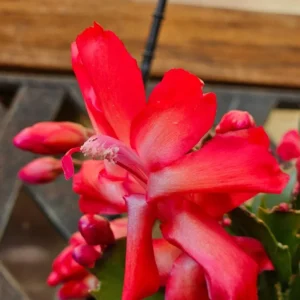
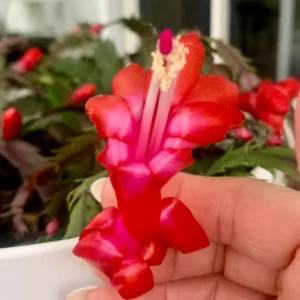
Original price was: $79.98.$55.98Current price is: $55.98.
-30%
Original price was: $13.98.$9.78Current price is: $9.78.


-25%
Original price was: $30.00.$22.50Current price is: $22.50.
-30%
Original price was: $79.98.$55.98Current price is: $55.98.
PLANTING & CARE
Lemon Tree Growing: Choose, Plant, and Harvest
Learn how to choose, plant, feed, and protect a lemon tree so it fits your
23
Sep
Sep
Dwarf Meyer Lemon Tree Australia: Climate Guide
Learn where dwarf Meyer lemon trees grow, how much cold they tolerate, and whether Australia,
Where to Buy a Dwarf Meyer Lemon Tree: Buyer’s Guide
Find the right dwarf Meyer lemon tree online or locally, compare starter sizes and costs,
Dwarf Meyer Lemon Tree for Sale: Buying Guide
Compare Meyer lemon tree sizes, prices, shipping limits, indoor growing and California options before you
Dwarf Meyer Lemon Tree Guide: Size, Care and Fruit
META: Learn how large a dwarf Meyer lemon tree grows, where it thrives, and how
How to Prune a Dwarf Meyer Lemon Tree
Learn when and how to prune a dwarf Meyer lemon tree, including tools, shaping cuts,
Can You Grow a Dwarf Meyer Lemon Tree in a Pot?
META: Learn how to grow a dwarf Meyer lemon tree in a pot, including container
When Do Dwarf Meyer Lemon Trees Bloom and Fruit?
META: Dwarf Meyer lemon trees usually bloom from winter through spring and may flower again