Pineapple Sage Live Herb Plant – Fragrant Seedling for Garden or Pot
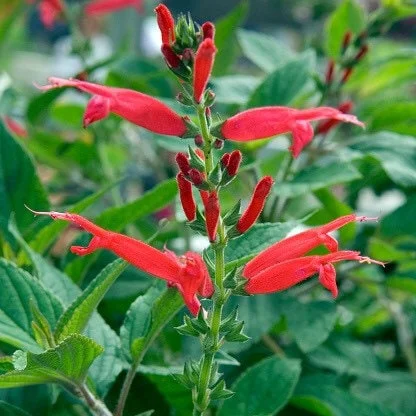
Pineapple Sage Live Herb Plant – Fragrant Seedling for Garden or Pot
Cultivate your own aromatic pineapple sage live plant. These vibrant seedlings are ready for planting, offering a delightful fragrance and culinary versatility for your kitchen or garden. Enjoy fresh herbs straight from your home.
$29.98

With our Alive & Thrive Guarantee, we’ve got your back for the first 30 days! If you have any concerns about your plants, just reach out to us. Our team is here to help answer your questions and guide you in selecting the best plants for your garden, climate, and unique preferences. We're excited to help you create the garden of your dreams!
Estimated arrival
Aug 16
Aug 21 - Aug 23
Aug 26 - Aug 30
Product Details
-
USDA Hardiness Zone
USDA zones 8-11 (as perennial), all zones (as annual) -
Soil type
Well-draining, rich soil -
Sunlight Exposure
Full sun to partial shade -
Expected Planting Period
Spring to early summer outdoors, year-round indoors
Overview
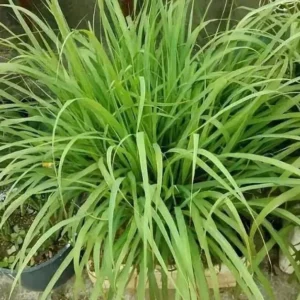
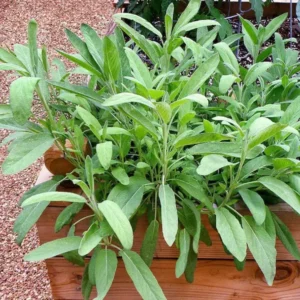
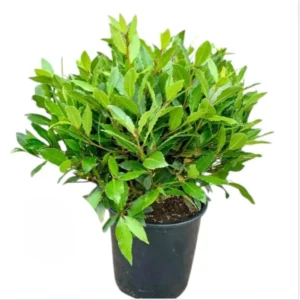
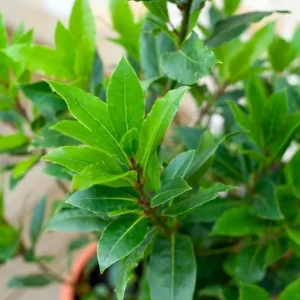
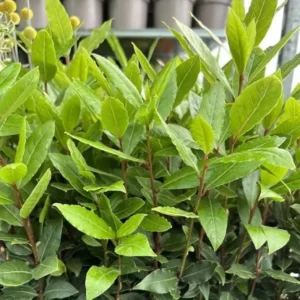
Bring the delightful aroma and flavor of fresh herbs into your home or garden with this vibrant pineapple sage live plant. Known for its distinct pineapple-scented foliage and beautiful scarlet flowers, Salvia elegans is a beloved herb that adds both culinary interest and ornamental beauty. These healthy seedlings are carefully nurtured, ensuring they arrive ready to thrive in your chosen environment. Whether you’re an experienced gardener or just starting your herbal journey, this fragrant plant promises a rewarding growing experience. Perfect for adding a unique touch to drinks, desserts, and savory dishes, growing pineapple sage is a fantastic way to enhance your culinary creations and attract beneficial pollinators to your outdoor space.
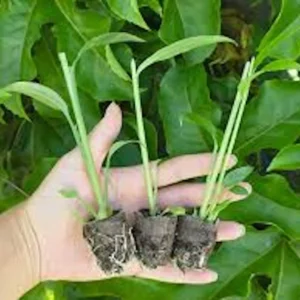
Our live pineapple sage plants are robust and vigorous, prepared to establish quickly in your garden beds, containers, or even on a sunny windowsill. Each plant boasts multiple shoots, indicating strong growth potential. Pineapple sage is not only a treat for the senses but also a resilient and relatively easy-to-care-for herb, making it an excellent choice for a wide range of gardening enthusiasts. Its striking red flowers, which typically appear in late summer to autumn, are a particular favorite of hummingbirds, adding dynamic life to your garden.
Key Benefits
The pineapple sage live plant offers a multitude of benefits, from its aromatic qualities to its versatility in the kitchen and garden. Discover how this unique herb can enrich your home:
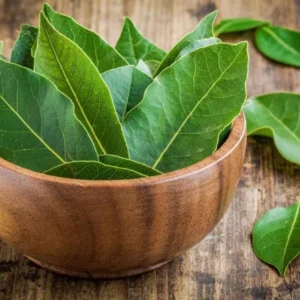
- Culinary Versatility: The fresh leaves of pineapple sage have a sweet, fruity flavor with clear notes of pineapple, making them perfect for teas, fruit salads, desserts, and garnishes. They can also be used in savory dishes to add a unique herbaceous sweetness.
- Aromatic Appeal: Simply brushing against the foliage releases a wonderful, refreshing pineapple scent, making it an excellent choice for sensory gardens or pots near seating areas.
- Attracts Pollinators: The bright red, tubular flowers are a magnet for hummingbirds, bees, and other beneficial pollinators, contributing to the biodiversity and health of your garden ecosystem.
- Ornamental Value: Beyond its culinary uses, the lush green foliage and vibrant red flowers provide significant visual appeal, making it a beautiful addition to mixed borders, herb gardens, or container plantings.
- Relatively Low Maintenance: Once established, pineapple sage herb plants are quite hardy and require minimal fuss, making them suitable for gardeners of all skill levels looking for a rewarding herb.
- Medicinal Properties: Historically, pineapple sage has been used in traditional medicine for various ailments, though always consult a healthcare professional for specific health concerns.
- Pest Resistant: Many gardeners find that the strong aroma of sage helps deter common garden pests, contributing to a healthier overall garden environment.
Plant Care & Growing Tips
Caring for your pineapple sage live plant is straightforward, ensuring you enjoy its fragrant leaves and beautiful flowers for seasons to come. This herb thrives in conditions that mimic its native Central American habitat, preferring warmth and plenty of sunshine. For optimal growth, choose a location that receives at least 6 hours of direct sunlight per day. In very hot climates, some afternoon shade can be beneficial to prevent leaf scorch. When considering pineapple sage care, proper light exposure is paramount.
Watering should be consistent, especially during dry spells or if grown in containers. Keep the soil evenly moist but not waterlogged, as pineapple sage does not tolerate soggy feet. Allow the top inch of soil to dry out slightly between waterings. Well-draining soil is crucial; a good quality potting mix enriched with organic matter works well for container plants, while garden beds should be amended to improve drainage if necessary. Fertilize sparingly; an all-purpose organic fertilizer can be applied once in spring and again in mid-summer. Pruning is beneficial to encourage bushier growth and prevent the plant from becoming leggy. Pinch back young plants and trim spent flowers to promote continuous blooming and a more compact shape.
Pineapple sage is tender to frost and is typically grown as an annual in colder climates (below USDA Zone 8). In warmer regions, it can be a perennial. If you live in a colder zone, you can overwinter your plant indoors by bringing it inside before the first frost. Place it in a bright, sunny window and reduce watering. Watch out for common pests like aphids or spider mites, especially when grown indoors; a gentle insecticidal soap can typically manage these issues. Understanding the needs of this particular variety, also known as salvia elegans, will lead to a flourishing and productive herb plant.
Size & Details
This offering includes healthy pineapple sage live plant seedlings, ready to be transplanted into your garden or a larger pot. Each plant typically arrives with multiple stalks or shoots, indicating a robust and well-established root system. The seedlings are generally 3-6 inches tall, making them an ideal size for immediate planting and quick establishment. They are grown in a 4-inch diameter area, ensuring a good foundation for continued growth. Pineapple sage can grow to a mature height of 3-4 feet tall and 2-3 feet wide in optimal conditions, especially when grown as a perennial. When grown as an annual, it will still achieve a substantial size, providing ample harvests throughout the growing season.
These seedlings are shipped as live plants in their nursery containers, carefully packaged to ensure their safe arrival. Expect vigorous growth once planted, with the first harvest of leaves possible within a few weeks. The striking red flowers usually appear in late summer to early fall, adding a splash of color to your garden just as many other plants are fading. The mature size and vibrant appearance make it a fantastic choice for adding vertical interest to your herb garden or mixed perennial beds.
Frequently Asked Questions
- Q: How big does this pineapple sage plant get? A: A: When mature, the pineapple sage live plant can typically reach a height of 3-4 feet and a width of 2-3 feet, especially in warmer climates where it can grow as a perennial. As an annual, it will still achieve a substantial size within a single growing season.
- Q: What size pot does it come in? A: The seedlings are grown and shipped in nursery containers with a 4-inch diameter, providing a good root ball for successful transplanting.
- Q: Is this an indoor or outdoor plant? A: Pineapple sage can be grown both indoors and outdoors. It thrives outdoors in full sun and well-draining soil. Indoors, it needs a bright, sunny window to flourish, making it versatile for various growing environments.
- Q: How much sunlight does it need? A: For best results, your pineapple sage herb requires at least 6 hours of direct sunlight per day. In very hot climates, some afternoon shade can be beneficial to protect the leaves.
- Q: Is this plant easy to care for? A: Yes, pineapple sage is considered relatively easy to care for. It primarily needs consistent watering, plenty of sunlight, and well-draining soil. Regular pruning encourages bushier growth and more flowers.
- Q: What condition will it arrive in? A: Your live pineapple sage plant will arrive as a healthy seedling, typically 3-6 inches tall, with multiple shoots, carefully packaged to ensure its safe and vibrant arrival, ready for planting.
- Q: Can I use pineapple sage in cooking? A: Absolutely! The leaves of salvia elegans have a wonderful pineapple-like flavor and aroma, perfect for enhancing fruit salads, teas, desserts, and even some savory dishes.
- Q: When is the best time to plant pineapple sage? A: The best time to plant these seedlings outdoors is after all danger of frost has passed in spring. If growing indoors, it can be planted year-round.
- Q: Will it survive winter in my zone? A: Pineapple sage is hardy in USDA Zones 8-11. In colder zones, it is typically grown as an annual or can be brought indoors to overwinter in a sunny location.
- Q: What’s the minimum temperature it can tolerate? A: It is sensitive to frost and generally cannot tolerate temperatures below 25-30°F (-4 to -1°C) for extended periods without damage.
Related products
-20%
Original price was: $35.00.$28.00Current price is: $28.00.
-30%
Original price was: $59.98.$41.98Current price is: $41.98.
-50%
Original price was: $59.96.$29.98Current price is: $29.98.
-30%
Original price was: $67.98.$47.58Current price is: $47.58.
-50%
Original price was: $27.96.$13.98Current price is: $13.98.
-49%
Original price was: $60.99.$30.99Current price is: $30.99.
-50%
Original price was: $107.96.$53.98Current price is: $53.98.
-67%
From Original price was: $35.22.$11.74Current price is: $11.74.
PLANTING & CARE
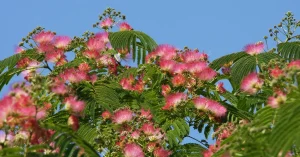
How to Grow Persian Silk Trees Easily in Your Garden
If you’re looking for a tree that brings a soft, tropical feel to your garden,
04
Aug
Aug
How to Grow Blue Java Banana Trees: A Beginner’s Guide
Have you ever heard of the Blue Java banana tree? If not, you’re in for
28
Jun
Jun
5 Common Blue Java Banana Tree Problems and How to Fix Them
Have you ever looked at your Blue Java banana tree (aka “ice cream banana”) and
19
Jun
Jun
Top 10 Plants for Father’s Day to Honor Dad This Father’s Day
Father’s Day is a special time to show your dad just how much he means
19
Jun
Jun
The Comprehensive Guide to Growing Bougainvillea for Colorful Blooms
Have you ever wanted your garden to be filled with brilliant color and tropical energy
19
Jun
Jun
How to Successfully Plant Bare Root Strawberries in Containers
Have you ever wondered about planting strawberries in containers, but aren’t sure where to begin?
11
Jun
Jun
Top 5 Easiest Ornamental Trees to Grow for Beginners
Ever feel overwhelmed by the idea of planting a tree in your yard? You’re not
11
Jun
Jun

Growing Glencoe Raspberry: A Complete Guide for Gardeners
If you’re looking to add something unique to your garden, look no further than the
31
Mar
Mar