Pineapple Sage Live Plant, Aromatic Herb, Partial Sun, No Pot
-50%
Pineapple Sage Live Plant, Aromatic Herb, Partial Sun, No Pot
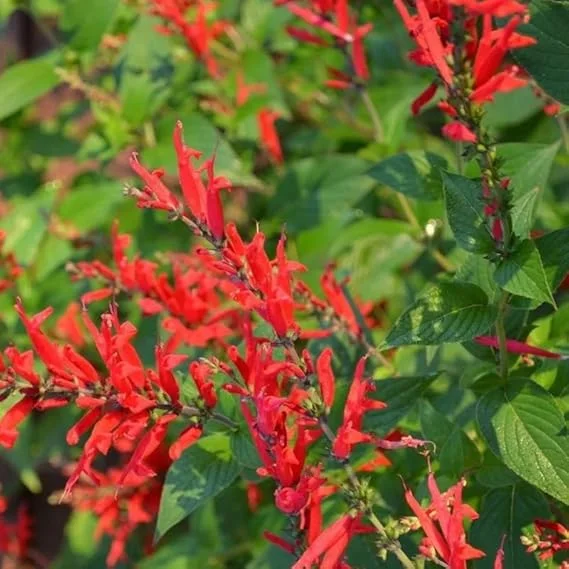
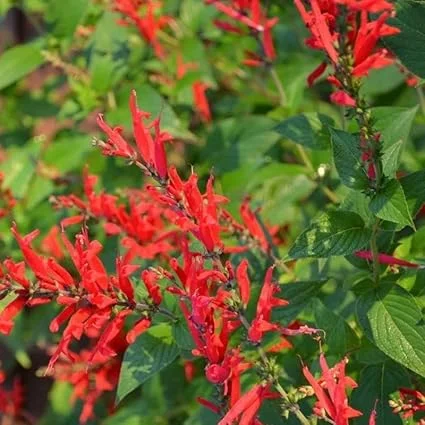
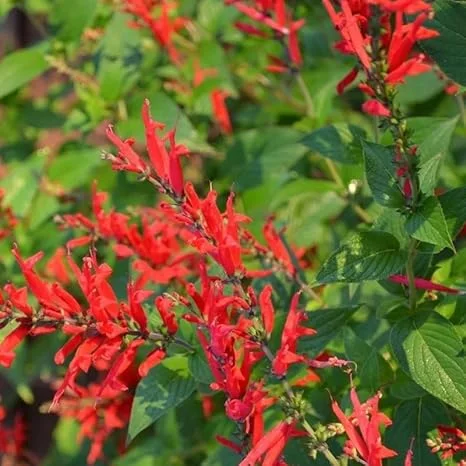
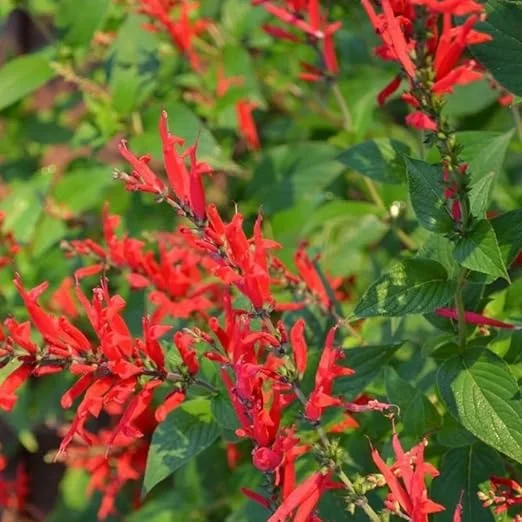
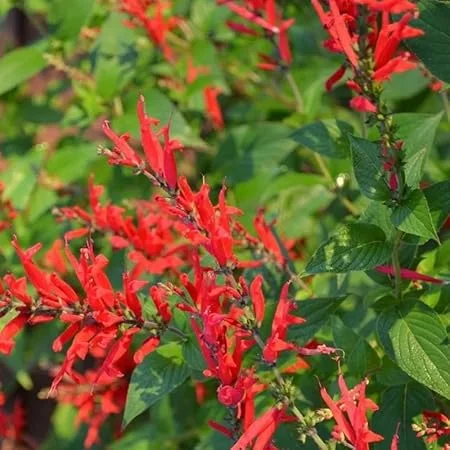
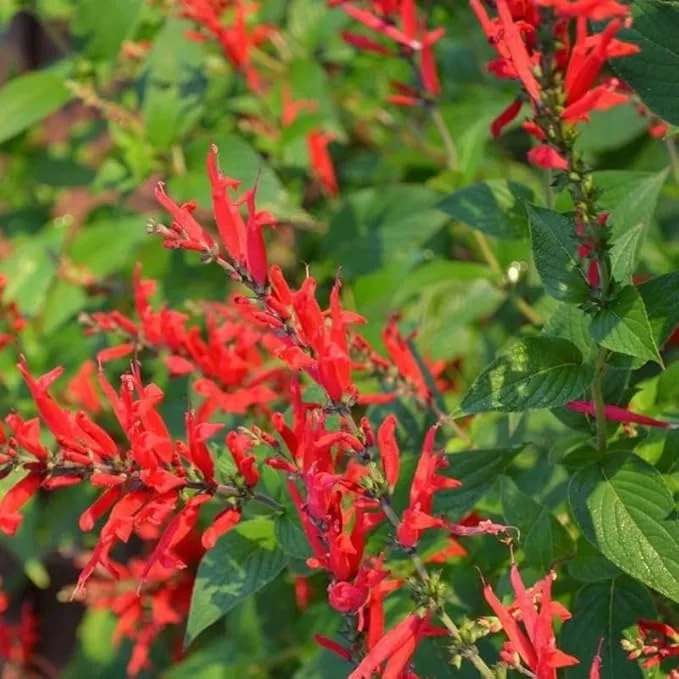
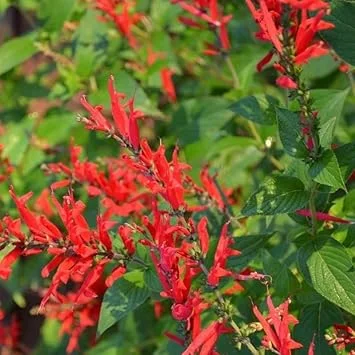
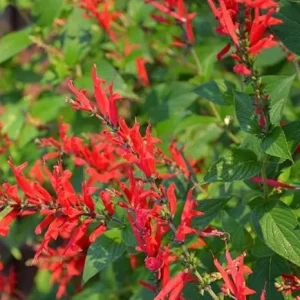
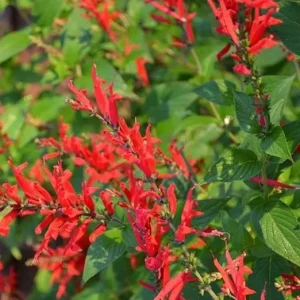
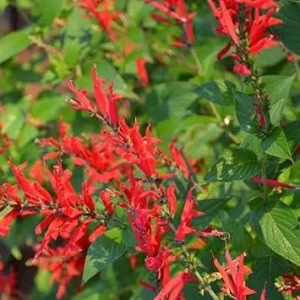
Bring the sweet, fruity fragrance of a pineapple sage live plant to your garden or patio. This aromatic herb features striking red flowers and is perfect for culinary uses, attracting hummingbirds, and adding beauty. Ships as a live bush plant without a pot.
Original price was: $33.98.$16.99Current price is: $16.99.

With our Alive & Thrive Guarantee, we’ve got your back for the first 30 days! If you have any concerns about your plants, just reach out to us. Our team is here to help answer your questions and guide you in selecting the best plants for your garden, climate, and unique preferences. We're excited to help you create the garden of your dreams!
Estimated arrival
Mar 31
Apr 05 - Apr 07
Apr 10 - Apr 14
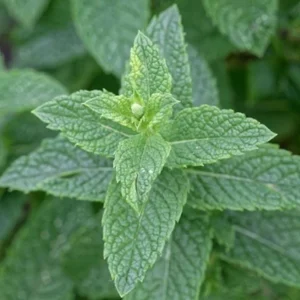
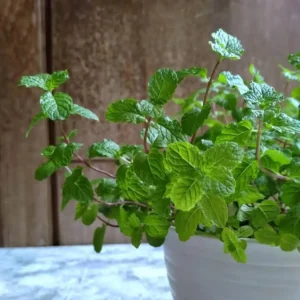
Product Details
-
USDA Hardiness Zone
USDA zones 8-11 -
Soil type
Sandy Soil, well-draining -
Sunlight Exposure
Partial Sun -
Expected Planting Period
Spring to early summer
Overview
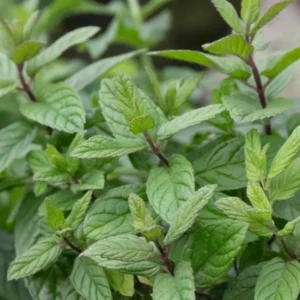
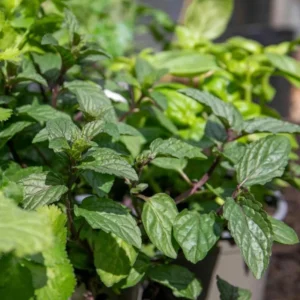
Introduce a touch of aromatic delight and vibrant color to your garden with the pineapple sage live plant. Known botanically as Salvia elegans, this charming herbaceous perennial is celebrated for its distinct pineapple-scented foliage and brilliant red, tubular flowers that emerge in late summer and fall. It’s an excellent choice for herb gardens, mixed borders, or containers, offering both ornamental beauty and culinary versatility. This particular offering provides a healthy, established pineapple sage live plant ready to thrive in your home garden, bringing unique fragrance and attracting beneficial pollinators like hummingbirds to your outdoor space.
Beyond its captivating scent and visual appeal, the pineapple sage live plant is also a fantastic addition for those interested in edible gardening. Its leaves can be used fresh or dried to infuse teas, desserts, and savory dishes with a subtle, fruity flavor. Easy to grow and relatively low-maintenance, this plant promises to be a rewarding addition for both novice and experienced gardeners looking for an herb that stands out.
Key Benefits
The pineapple sage live plant offers a multitude of benefits, making it a highly desirable addition to any garden or patio:
- Unique Aromatic Foliage: Enjoy the distinctive, sweet scent of pineapple emanating from its leaves, perfect for sensory gardens and culinary experimentation.
- Vibrant Red Blooms: Produces striking red flowers in late summer and fall, adding a splash of rich color when many other plants are fading. These blooms are a key feature of this aromatic sage plant.
- Attracts Pollinators: The bright flowers are a magnet for hummingbirds and butterflies, contributing to the biodiversity and health of your garden ecosystem.
- Culinary Versatility: The fresh leaves can be used in teas, fruit salads, desserts, and even savory dishes, offering a unique flavor profile. It’s a wonderful culinary herb plant for creative cooks.
- Easy to Grow: This robust plant is relatively low-maintenance, adapting well to various conditions and making it suitable for gardeners of all skill levels.
- Deer Resistant: The aromatic foliage tends to deter deer, helping to protect your garden from unwanted browsing.
- Ornamental Appeal: With its lush green leaves and bright red flowers, it serves as an attractive specimen plant or a lovely component in mixed plantings, similar to other beautiful red salvia plant varieties.
Plant Care & Growing Tips
Caring for your pineapple sage live plant is straightforward, ensuring a bountiful display of fragrant foliage and vibrant blooms. This plant thrives in conditions that mimic its native habitat. For optimal growth and flowering, site your plant where it will receive adequate sunlight. It prefers partial sun, meaning it needs about 4-6 hours of direct sunlight per day, ideally in the morning, with some afternoon shade in hotter climates to prevent leaf scorch. While it can tolerate full sun, consistent moisture is crucial in such settings.
When it comes to watering, pineapple sage live plant has moderate moisture needs. The soil should be kept consistently moist but never waterlogged. Allow the top inch or two of soil to dry out between waterings, especially during hot, dry periods. Good drainage is essential to prevent root rot, so ensure your planting site or container has excellent drainage. The ideal soil type is sandy soil, which provides good aeration and drainage while retaining some moisture. A well-draining garden soil amended with compost will also work well. Fertilize sparingly; a balanced, all-purpose fertilizer applied once in spring is usually sufficient. Over-fertilization can reduce flowering.
Pineapple sage is generally grown as an annual in colder climates (below USDA Zone 8) or as a tender perennial in warmer regions. If you live in a colder zone, you can grow it in a container and bring it indoors for winter, or treat it as an annual. Pruning is beneficial to maintain a bushy shape and encourage more blooms. Pinching back the tips of young plants will promote branching. Deadhead spent flowers to encourage continuous blooming. Keep an eye out for common pests like aphids, though pineapple sage is generally quite resistant due to its strong aroma. This aromatic sage plant is a resilient and rewarding addition to any garden.
Size & Details
This offering is for one healthy pineapple sage live plant, shipped as a live bush plant without a pot, ready for immediate planting in your garden or a container. The specific size at shipment may vary slightly depending on growth stage, but you can expect a well-rooted specimen with established foliage. When mature, the pineapple sage live plant typically reaches a height of 3-4 feet and a similar spread, forming an attractive, bushy presence. Its growth rate is considered moderate to fast under ideal conditions, allowing it to establish quickly and provide a substantial display.
Expected blooming period for this plant is from late summer through fall, providing an extended season of vibrant red flowers that are a treat for both the eyes and pollinators. This plant is hardy in USDA zones 8-11 as a perennial, and can be grown as an annual in colder regions. Its ability to thrive in various settings makes it a versatile choice, whether you’re creating an herb garden, a pollinator bed, or simply looking for a beautiful and fragrant addition to your patio. Consider this beautiful red salvia plant for its year-round appeal in warmer climates or seasonal charm elsewhere.
Frequently Asked Questions
- Q: How big does this plant get? A: A mature pineapple sage live plant typically grows to be about 3-4 feet tall and wide, forming a bushy, attractive specimen in your garden or a large container.
- Q: Is this an indoor or outdoor plant? A: While primarily an outdoor plant, especially in warmer climates, it can be grown in containers and brought indoors during winter in colder zones. It thrives outdoors in partial sun.
- Q: How much sunlight does it need? A: This aromatic sage plant prefers partial sun, meaning it needs 4-6 hours of direct sunlight per day, ideally with some afternoon shade in hot climates to protect its foliage.
- Q: Is this plant easy to care for? A: Yes, pineapple sage live plant is considered relatively easy to care for, making it suitable for gardeners of all experience levels. It requires moderate watering and well-draining soil.
- Q: What condition will it arrive in? A: Your pineapple sage live plant will arrive as a healthy, bare-root bush plant, carefully packaged to ensure its safe journey and readiness for planting.
- Q: Can I use the leaves for cooking? A: Absolutely! The leaves of this culinary herb plant have a delightful pineapple scent and can be used to flavor teas, fruit salads, desserts, and even some savory dishes.
- Q: When is the best time to plant pineapple sage? A: The best time to plant is in spring after the last frost, allowing it ample time to establish before the summer heat or fall blooming season.
- Q: Will it attract hummingbirds? A: Yes, the bright red, tubular flowers of the red salvia plant are particularly attractive to hummingbirds, making it a great addition to a pollinator garden.
- Q: What kind of soil does it prefer? A: It thrives in well-draining soil, ideally a sandy loam. Good drainage is crucial to prevent root issues.
- Q: Is it pet-safe? A: While generally considered non-toxic, it’s always best to monitor pets around new plants. Consult a veterinarian for specific concerns.
Related products
-10%
Original price was: $11.99.$10.79Current price is: $10.79.
-10%
Original price was: $65.00.$58.50Current price is: $58.50.
-30%
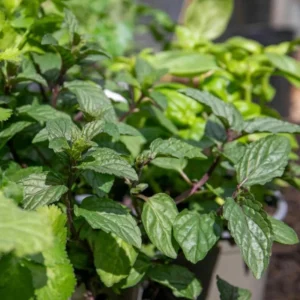
Original price was: $59.98.$41.98Current price is: $41.98.
-50%
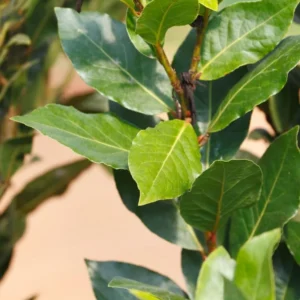
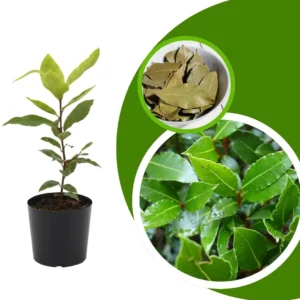
Original price was: $53.98.$26.99Current price is: $26.99.
-10%
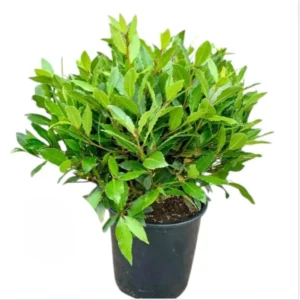
Original price was: $23.99.$21.59Current price is: $21.59.
-67%
Original price was: $39.72.$13.24Current price is: $13.24.
-67%
From Original price was: $35.22.$11.74Current price is: $11.74.
-48%
Original price was: $39.99.$20.99Current price is: $20.99.
PLANTING & CARE

Growing Glencoe Raspberry: A Complete Guide for Gardeners
If you’re looking to add something unique to your garden, look no further than the
31
Mar
Mar

The Comprehensive Guide to Growing Bay Leaf Plants for a Flavorful Garden
Imagine stepping into your garden, greeted by the earthy aroma of fresh bay leaves, their
09
Feb
Feb

How to Make Comfrey Tea: The Ultimate Organic Plant Food
Growing an organic garden can be surprisingly expensive, especially when most store-bought fertilizers come in
02
Feb
Feb

True Comfrey: 7 Essential Tips Before You Plant This Herb
A staple in permaculture practices across the US, True Comfrey easily earns its reputation as
27
Jan
Jan

7 Heart-Shaped Plants for a Lasting Valentine’s Gift
If you’ve ever bought a bouquet of roses for Valentine’s Day, you know they are
26
Jan
Jan

Best Types of Ivy Plant for Houses: How to Choose the Perfect Ones for Your Home
Are you a garden lover looking to introduce some greenery into your home? Maybe you’ve
14
Nov
Nov

When to Harvest Garlic (Especially Fall-Planted Garlic)
TIMING IS EVERYTHING, they say – and for garlic, that truth hits with surprising accuracy.
13
Nov
Nov

11 of the Best Sweet Potato Varieties to Grow for Your Garden
If you’ve ever tried growing sweet potatoes, you know that picking the right variety can
12
Nov
Nov