Pink Butterfly Milkweed (Asclepias Incarnata) Bare Root Plant – Pollinator Friendly
-50%
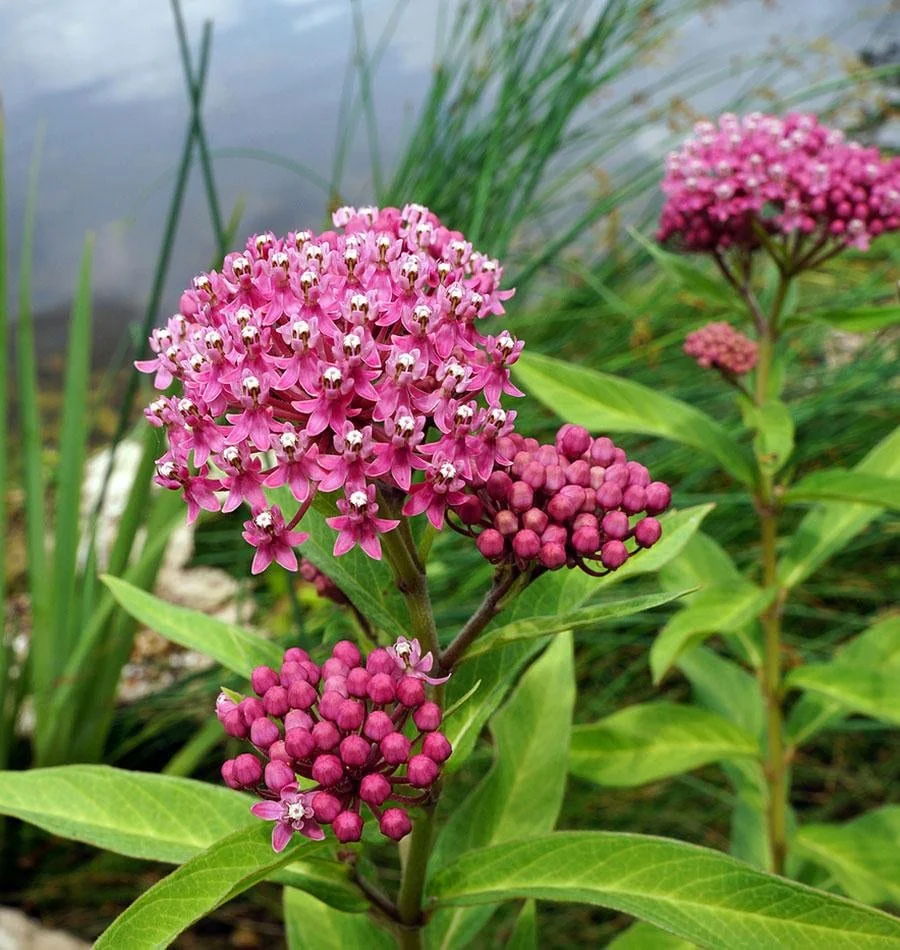
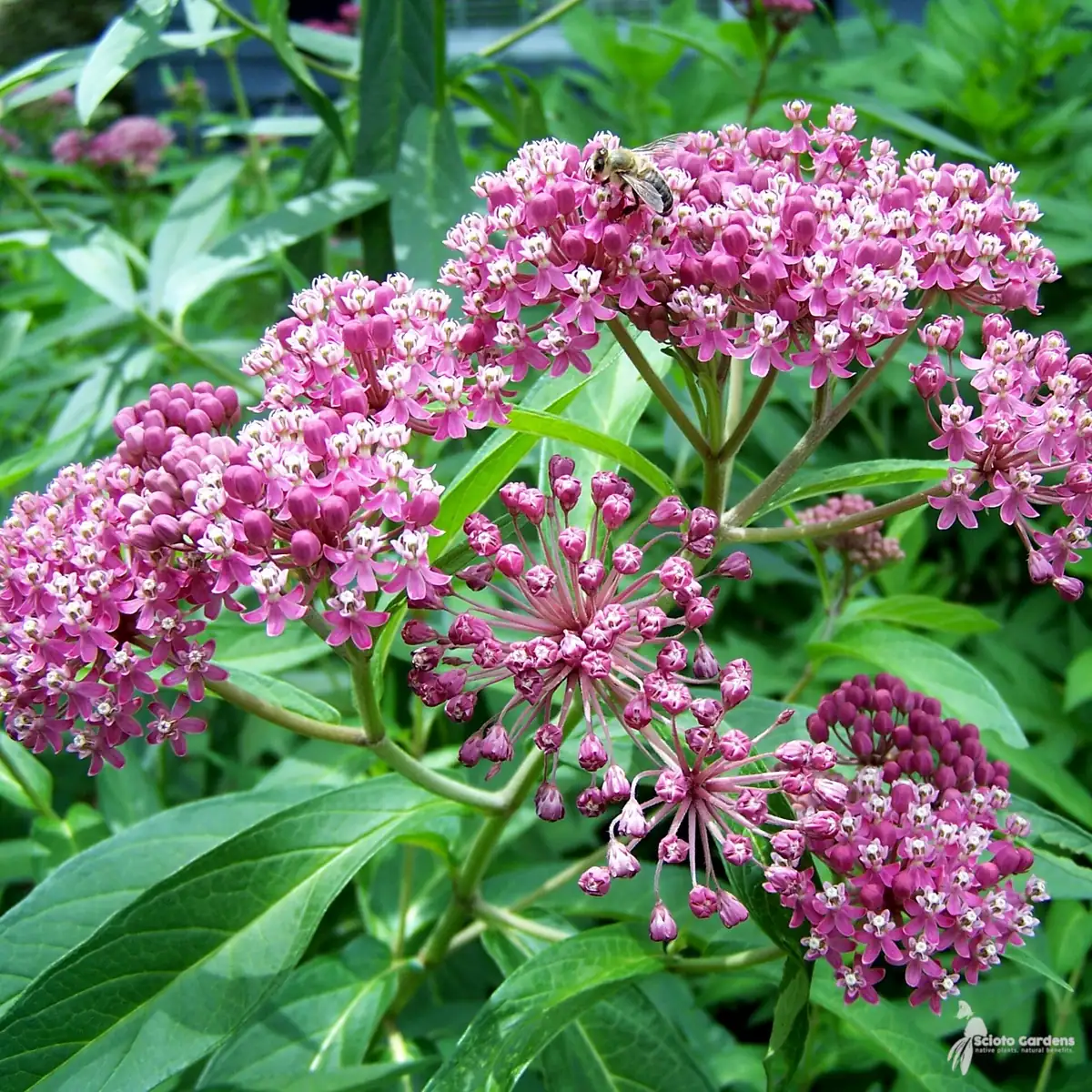
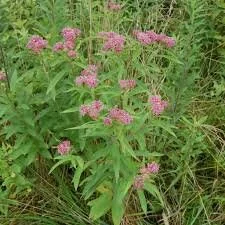
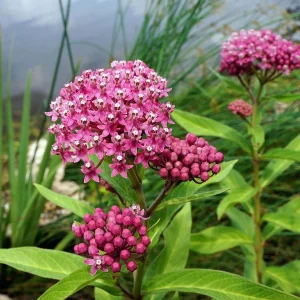
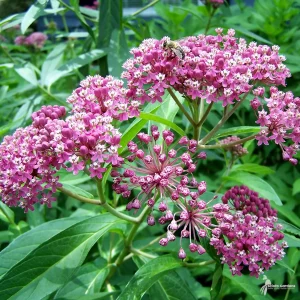
Pink Butterfly Milkweed (Asclepias Incarnata) Bare Root Plant – Pollinator Friendly
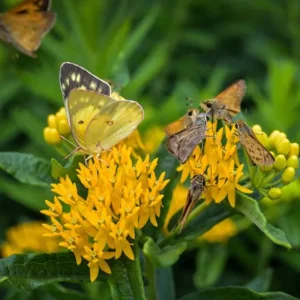
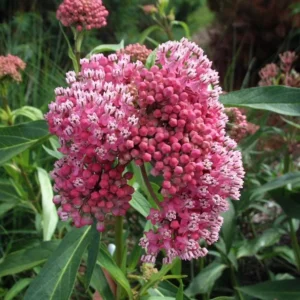
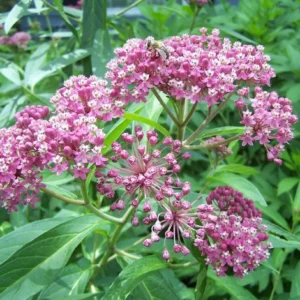
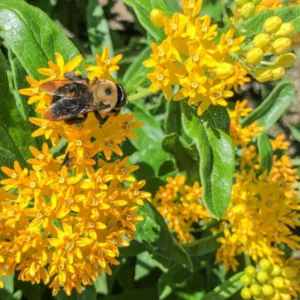
Grow a vibrant garden and support local ecosystems with a pink butterfly milkweed bare root plant. This native wildflower, Asclepias incarnata plant, is a crucial monarch host plant and a magnet for other pollinators, adding beauty and ecological value to your outdoor space.
From Original price was: $116.00.$58.00Current price is: $58.00.

With our Alive & Thrive Guarantee, we’ve got your back for the first 30 days! If you have any concerns about your plants, just reach out to us. Our team is here to help answer your questions and guide you in selecting the best plants for your garden, climate, and unique preferences. We're excited to help you create the garden of your dreams!
Estimated arrival
Mar 26
Mar 31 - Apr 02
Apr 05 - Apr 09




Product Details
-
USDA Hardiness Zone
USDA Zones 3-9 -
Soil type
Moist, well-draining loamy or clay soil -
Sunlight Exposure
Full sun -
Expected Planting Period
Early spring to fall
Overview
Bring life and color to your garden with the beautiful pink butterfly milkweed bare root plant. Also known by its botanical name, Asclepias incarnata plant, this North American native wildflower is a must-have for any ecologically conscious gardener. It’s not just a delightful addition to your landscape; it’s a vital resource for local wildlife. This plant is sold as a bare-root specimen, ready for planting, allowing it to establish strongly in your garden. Its fragrant clusters of pink flowers are a magnet for various pollinators, especially butterflies, making it a truly enchanting sight. Beyond its aesthetic appeal, this milkweed species serves a critical role as a monarch host plant, providing the sole food source for monarch butterfly caterpillars. By planting this species, you directly contribute to the survival and flourishing of these iconic insects, making your garden a true haven for nature.
Key Benefits
Incorporating pink butterfly milkweed bare root into your garden offers a multitude of benefits, transforming your outdoor space into a thriving ecosystem and a source of natural beauty:
- Supports Monarch Butterflies: This plant is an essential monarch host plant, meaning its leaves are the only food source for monarch caterpillars. Planting it directly aids in the conservation of monarch butterfly populations, which are facing significant challenges.
- Attracts Pollinators: The vibrant pink flowers of Asclepias incarnata plant are highly attractive to a wide array of pollinators, including bees, other butterfly species, and hummingbirds. This helps to support biodiversity and improve pollination of other plants in your garden.
- Beautiful Garden Addition: With its striking clusters of fragrant pink flowers, this milkweed adds significant ornamental value to any garden. It creates a visually appealing display from summer through fall, enhancing the overall aesthetic of your landscape.
- Low Maintenance: Once established, pink butterfly milkweed bare root is a remarkably hardy and low-maintenance plant. It tolerates a range of soil conditions and is relatively drought-tolerant, making it suitable for busy gardeners.
- Native Wildflower: As a native North American species, it is well-adapted to local climates and ecosystems, requiring less intervention and naturally contributing to the ecological balance of your region.
- Drought Tolerant: This plant is known for its ability to withstand periods of dryness once established, making it an excellent choice for water-wise gardening and areas with infrequent rainfall.
- Creates a Wildlife Habitat: Beyond monarchs, the plant provides shelter and nectar for a variety of beneficial insects and small wildlife, enriching the biodiversity of your garden and creating a vibrant natural habitat.
Plant Care & Growing Tips
Growing a healthy pink butterfly milkweed bare root is relatively straightforward, as this native plant is quite resilient. For optimal growth, choose a location that receives full sun, meaning at least 6-8 hours of direct sunlight per day. While it can tolerate some partial shade, abundant sun will result in more vigorous growth and a greater profusion of flowers. The ideal soil for Asclepias incarnata plant is consistently moist but well-draining. It thrives in loamy or clay soils, and unlike some other milkweed species, it performs well in wetter conditions, making it suitable for rain gardens or areas with poor drainage. When planting your bare root, dig a hole wide enough to spread out the roots and deep enough so that the crown of the plant (where the roots meet the stem) is at soil level. Backfill with soil, gently patting down to remove air pockets, and water thoroughly.
Watering is crucial, especially during the first growing season, to help the bare root establish. Once established, it is fairly drought-tolerant but will benefit from regular watering during prolonged dry spells. Fertilization is generally not necessary for this native wildflower, especially if planted in fertile soil. If your soil is particularly poor, a light application of a balanced, slow-release fertilizer in spring can be beneficial. This plant is cold-hardy and typically thrives in USDA zones 3-9. It will die back to the ground in winter and re-emerge in spring. Pests are rarely a major issue, though aphids may occasionally appear; they can generally be dislodged with a strong spray of water or treated with insecticidal soap if severe. Remember that this is a monarch host plant, so avoid using systemic pesticides that could harm caterpillars. Consider this a key component for any butterfly garden plants initiative.
Size & Details
The pink butterfly milkweed bare root plant, Asclepias incarnata plant, will establish itself to form a robust perennial. Once mature, it typically reaches a height of 3 to 5 feet and spreads about 2 to 3 feet wide, creating a substantial and impactful presence in the garden. This bare root specimen is shipped dormant and ready for planting upon arrival, ensuring a strong start in its new home. Its growth rate is moderate, establishing a root system in the first year and producing significant top growth and blooms in subsequent seasons. Expect the first fragrant pink flower clusters to appear in early to mid-summer, continuing through early fall, providing a long season of beauty and valuable nectar for pollinators. This plant is an excellent choice for creating a vibrant, ecologically rich habitat, especially for those interested in supporting pollinator friendly plants.
Frequently Asked Questions
- Q: How big does this plant get? A: Once mature, the pink butterfly milkweed bare root typically grows to a height of 3 to 5 feet tall with a spread of 2 to 3 feet. Its upright habit makes it a great addition to the back of a border or in a meadow planting.
- Q: Is this an indoor or outdoor plant? A: This is an outdoor perennial plant. It is a native wildflower well-suited for garden beds, meadows, and naturalized areas, thriving in full sun exposures.
- Q: How much sunlight does it need? A: Asclepias incarnata plant prefers full sun, meaning it needs at least 6-8 hours of direct sunlight per day to flower prolifically and grow vigorously. It can tolerate some partial shade but may have fewer blooms.
- Q: Is this plant easy to care for? A: Yes, once established, pink butterfly milkweed bare root is considered relatively low-maintenance. It is a hardy native plant that tolerates a range of conditions and is quite resilient, making it a good choice for both beginner and experienced gardeners.
- Q: What condition will it arrive in? A: This plant will arrive as a dormant bare root, which means it will not have leaves or flowers. This is the ideal state for planting and ensures a strong, healthy start once planted.
- Q: When is the best time to plant? A: The best time to plant bare roots is typically in early spring or fall, allowing the plant to establish its root system before the heat of summer or the deep cold of winter. This ensures optimal growth for your future butterfly garden plants.
- Q: Will it survive winter in my zone? A: Pink butterfly milkweed bare root is cold-hardy and typically thrives in USDA Zones 3-9. It will die back to the ground in winter and reliably re-emerge in spring from its established root system.
- Q: What is the main benefit of planting this milkweed? A: The primary benefit is its role as a crucial monarch host plant. It provides the only food source for monarch butterfly caterpillars, directly supporting the monarch population and contributing to critical pollinator conservation efforts.
- Q: Can I grow this plant in a container? A: While primarily suited for in-ground planting due to its mature size and deep root system, it can be grown in very large containers (e.g., 5-gallon or larger) with consistent watering, especially if you are specifically creating a habitat for pollinator friendly plants.
- Q: Is this plant GMO-free? A: Yes, this plant is non-GMO, offering a natural and traditional option for your garden and for supporting native wildlife.
| Butterfly Milkweed | 10, 15, 5 |
|---|
Related products
-67%
Original price was: $41.97.$13.99Current price is: $13.99.
-10%
Original price was: $23.99.$21.59Current price is: $21.59.
-67%
Original price was: $66.72.$22.24Current price is: $22.24.
-30%
Original price was: $63.98.$44.78Current price is: $44.78.
-67%
Original price was: $66.72.$22.24Current price is: $22.24.
-30%

Original price was: $63.98.$44.78Current price is: $44.78.
-10%
Original price was: $11.99.$10.79Current price is: $10.79.
-30%
Original price was: $63.98.$44.78Current price is: $44.78.
PLANTING & CARE

The Comprehensive Guide to Growing Bay Leaf Plants for a Flavorful Garden
Imagine stepping into your garden, greeted by the earthy aroma of fresh bay leaves, their
09
Feb
Feb

How to Make Comfrey Tea: The Ultimate Organic Plant Food
Growing an organic garden can be surprisingly expensive, especially when most store-bought fertilizers come in
02
Feb
Feb

True Comfrey: 7 Essential Tips Before You Plant This Herb
A staple in permaculture practices across the US, True Comfrey easily earns its reputation as
27
Jan
Jan

7 Heart-Shaped Plants for a Lasting Valentine’s Gift
If you’ve ever bought a bouquet of roses for Valentine’s Day, you know they are
26
Jan
Jan

Best Types of Ivy Plant for Houses: How to Choose the Perfect Ones for Your Home
Are you a garden lover looking to introduce some greenery into your home? Maybe you’ve
14
Nov
Nov

When to Harvest Garlic (Especially Fall-Planted Garlic)
TIMING IS EVERYTHING, they say – and for garlic, that truth hits with surprising accuracy.
13
Nov
Nov

11 of the Best Sweet Potato Varieties to Grow for Your Garden
If you’ve ever tried growing sweet potatoes, you know that picking the right variety can
12
Nov
Nov

Pruning Bougainvillea for Winter
Bougainvillea vines are known for their dazzling display of magenta, orange, and fuchsia bracts that
05
Nov
Nov