Pitangatuba Star Cherry Fruit Tree Seedling – Eugenia Selloi Plant, 3-6” Tall
-50%
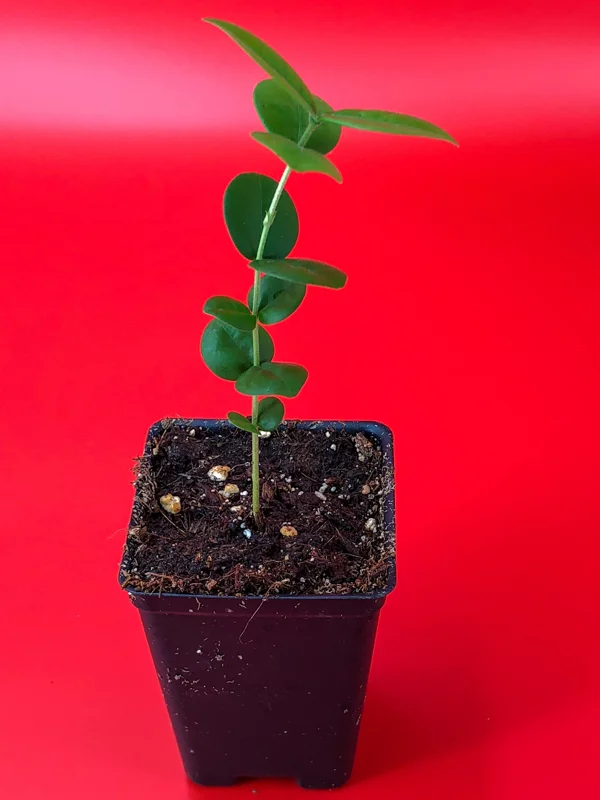
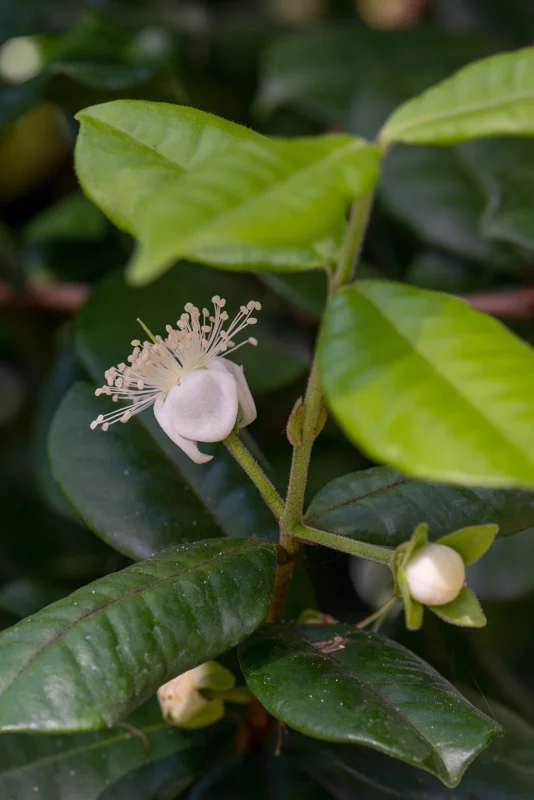
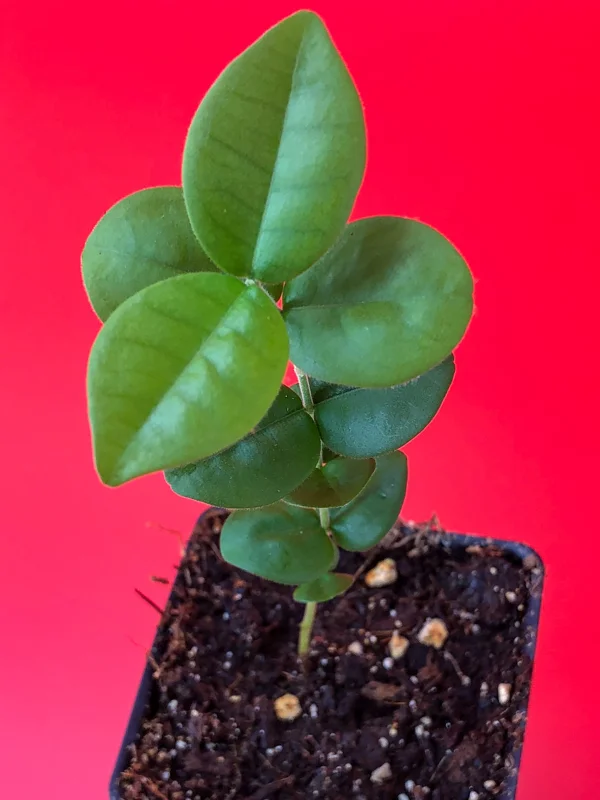
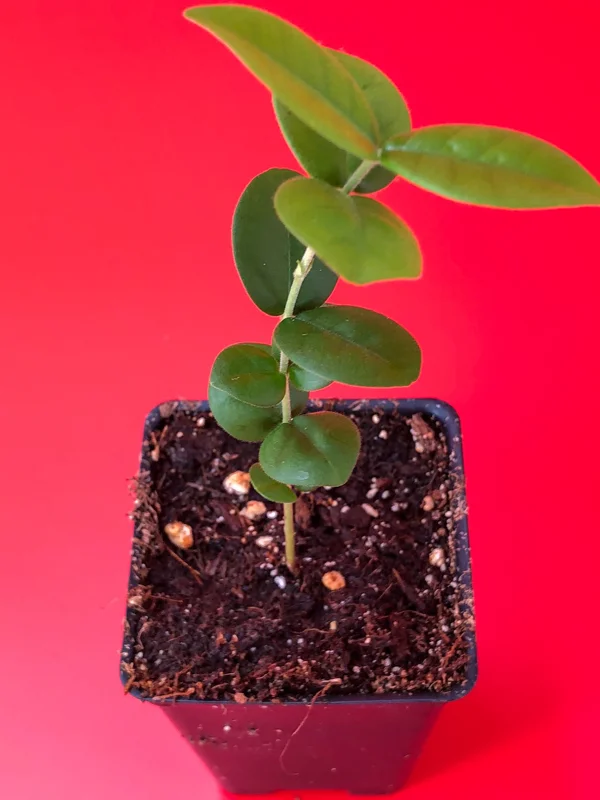
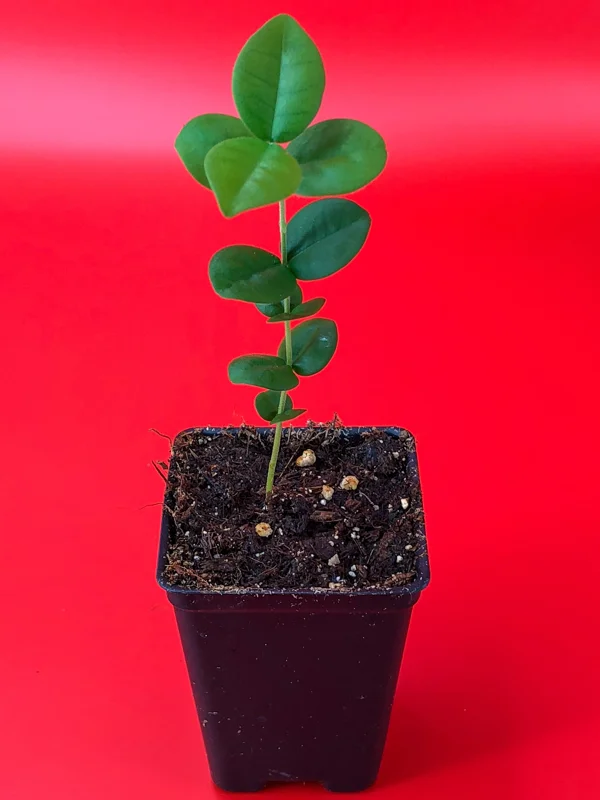
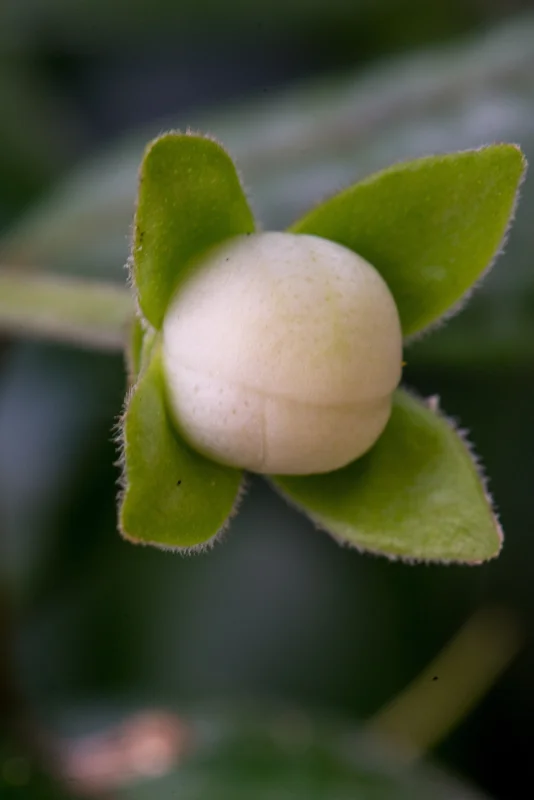
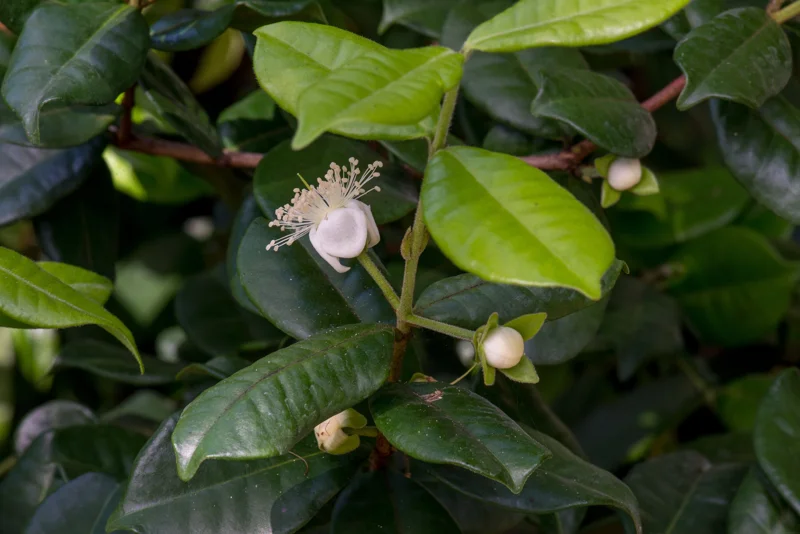
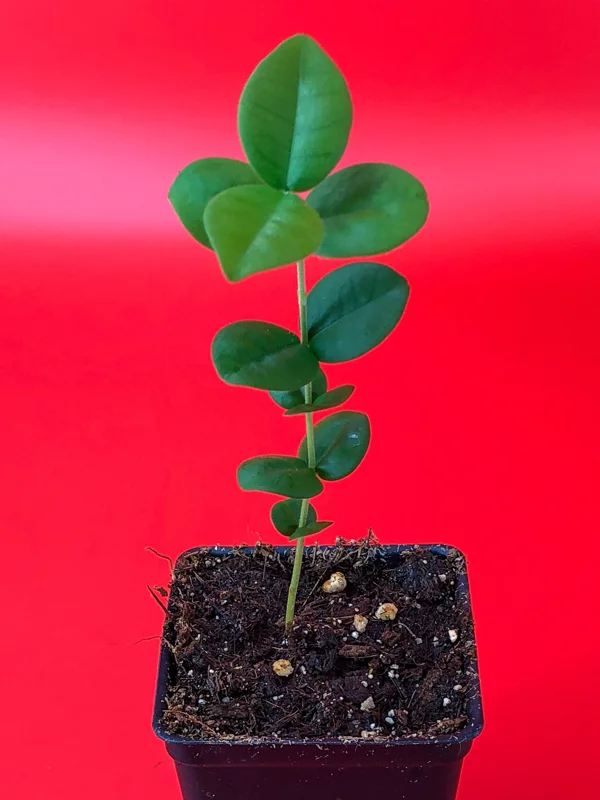
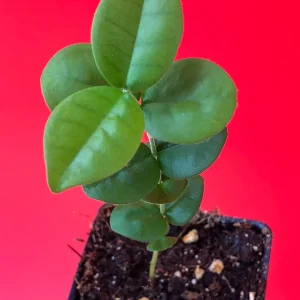
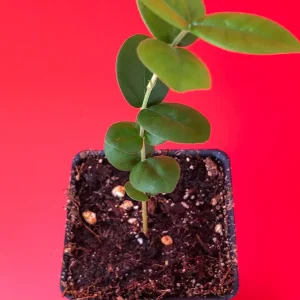
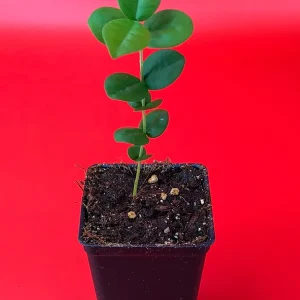
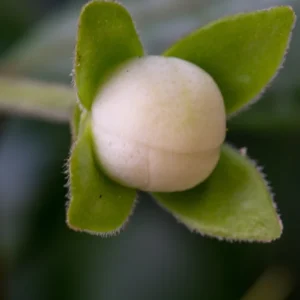
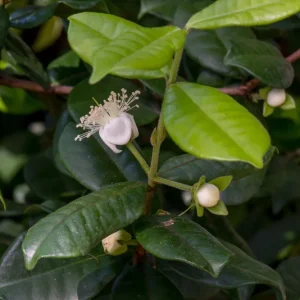
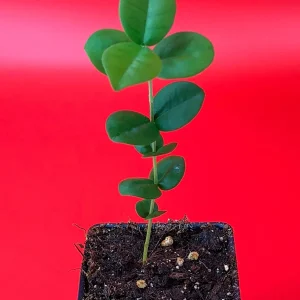
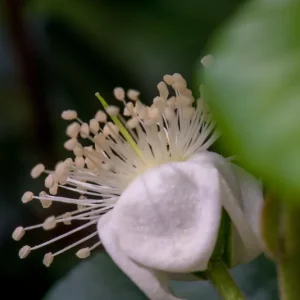
Pitangatuba Star Cherry Fruit Tree Seedling – Eugenia Selloi Plant, 3-6” Tall
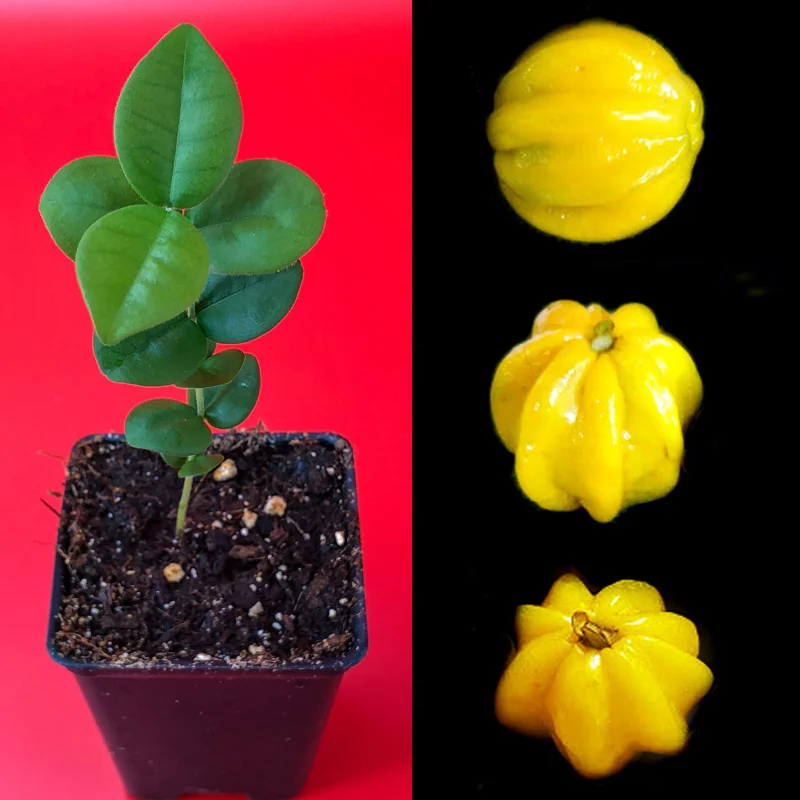
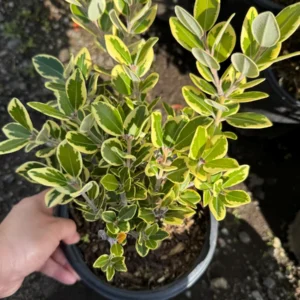
Cultivate your own delicious fruit with a pitangatuba star cherry fruit tree. This eugenia selloi plant is a 3-6” tall seedling, known for its attractive foliage and aromatic, acidic fruit. Perfect for USDA Zone 9 and can be grown in full sun to partial shade.
Original price was: $42.06.$21.03Current price is: $21.03.

With our Alive & Thrive Guarantee, we’ve got your back for the first 30 days! If you have any concerns about your plants, just reach out to us. Our team is here to help answer your questions and guide you in selecting the best plants for your garden, climate, and unique preferences. We're excited to help you create the garden of your dreams!
Estimated arrival
Apr 10
Apr 15 - Apr 17
Apr 20 - Apr 24
Product Details
-
USDA Hardiness Zone
USDA Zone 9 -
Soil type
Well-draining soil -
Sunlight Exposure
Full Sun - Partial shade -
Expected Planting Period
Year-round in warm climates, spring in cooler zones
Overview
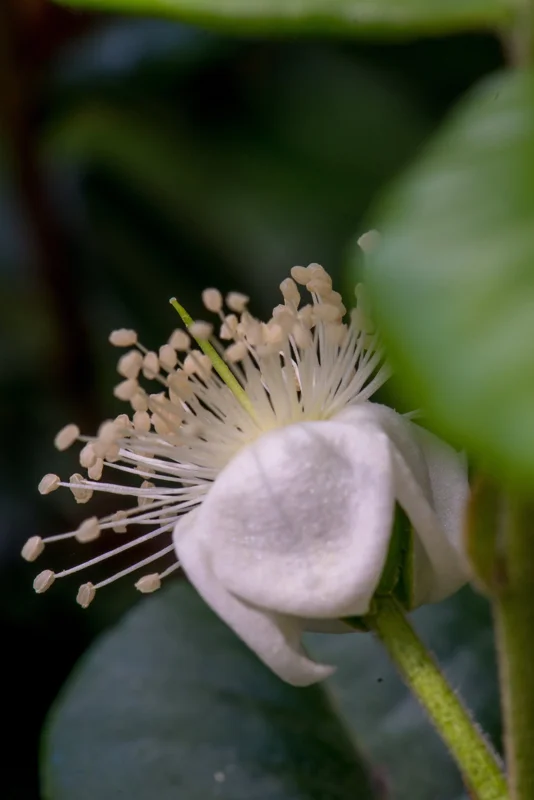
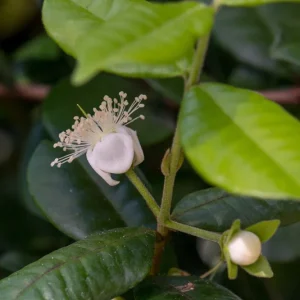
Embark on a rewarding gardening journey with the pitangatuba star cherry fruit tree, a unique and highly sought-after plant for both its ornamental beauty and delicious fruit. This offering is for a healthy eugenia selloi plant seedling, ready to establish itself in your garden or a suitable container. Known scientifically as Eugenia selloi, the Pitangatuba is native to Brazil and offers a delightful tropical touch. While it is a slow-growing tree, it can surprise with early flowering, sometimes producing blooms when barely a foot tall. Its attractive evergreen foliage and fragrant flowers contribute significantly to its appeal as an ornamental specimen, making it a focal point in any landscape. The fruit itself is a culinary delight, valued for its thin skin, thick fleshy pulp, and a very pleasant, acidic flavor, perfect for fresh eating or crafting into juices, sherbets, and jellies. Growing your own pitangatuba fruit tree seedling allows you to enjoy fresh, organic produce right from your backyard.
Key Benefits
The pitangatuba star cherry fruit tree offers a multitude of benefits, making it an excellent choice for any passionate gardener or fruit enthusiast. Not only will you enjoy fresh, exotic fruit, but the plant itself adds significant aesthetic value to your outdoor space. Discover some of the key advantages of cultivating this remarkable tree:
- Delicious, Aromatic Fruit: Enjoy the succulent, thin-skinned fruit with a pleasant, acidic flavor, perfect for eating fresh, making juices, or creating unique jellies and sherbets. The fruit is also highly aromatic, adding a delightful scent to your garden.
- Attractive Ornamental Plant: The evergreen foliage and beautiful flowers of the eugenia selloi plant make it an excellent ornamental tree, enhancing the visual appeal of your garden or patio. It provides year-round interest with its vibrant leaves.
- Early Fruiting Potential: Despite being a slow-growing tree, Pitangatuba can flower and set fruit relatively quickly, with 2-3 year old plants sometimes producing fruit when quite small. This means you won’t have to wait many years to enjoy your harvest.
- Versatile Culinary Uses: The fruit’s unique flavor profile makes it versatile in the kitchen. Beyond fresh consumption, it can be used in a variety of recipes, adding a distinctive tropical note to your culinary creations.
- Organically Grown: Our Pitangatuba seedlings are grown organically, ensuring you receive a healthy, chemical-free plant that will produce wholesome fruit for your family.
- Resilient Growth: Once established, this pitangatuba fruit tree seedling is a hardy plant suitable for USDA Zone 9, offering good resistance to various conditions within its preferred climate.
- Support Pollinators: The flowers of the Pitangatuba tree attract bees and other pollinators, contributing to the biodiversity and health of your garden ecosystem.
Plant Care & Growing Tips
Proper care is essential to ensure your pitangatuba star cherry fruit tree thrives and produces abundant fruit. This eugenia selloi plant prefers specific conditions to reach its full potential. Initially, protect small plants from extreme cold, wind, and direct, harsh sunlight. Upon arrival, place your seedling in a spot with moderate temperatures (70-80°F) and good light, but avoid direct sun for the first two weeks as it adjusts from shipping in darkness. Gradually increase its exposure to sunlight and outdoor conditions if you plan to plant it in the garden.
For sunlight, the Pitangatuba prefers Full Sun – Partial shade, especially when young. Aim for at least 6-8 hours of direct sunlight per day once established. It is hardy in USDA Zone 9, meaning it can tolerate temperatures down to about 20-30°F (-6 to -1°C). In colder zones, it can be grown in a container and brought indoors during winter. Well-draining soil is crucial; a rich, slightly acidic to neutral soil mix is ideal. Water regularly, keeping the soil consistently moist but not waterlogged, especially during dry periods and when the plant is young. Reduce watering slightly during cooler months. Fertilize with a balanced, slow-release fertilizer designed for fruit trees during the growing season (spring and summer) to support healthy growth and fruit production. Monitor for common pests and diseases, addressing any issues promptly with organic solutions.
The pitangatuba fruit tree seedling is a slow grower, but consistent care will encourage a strong root system and eventual fruit set. Patience is key with this tree, as it builds its structure before yielding its delicious cherries. Ensure adequate air circulation to prevent fungal issues, and consider mulching around the base to retain soil moisture and regulate temperature. Protect young plants from temperatures falling below 60°F, as this can result in plant damage. With diligent care, your tree will become a cherished part of your garden for years to come.
Size & Details
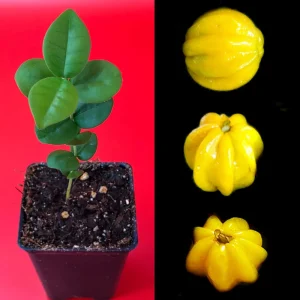
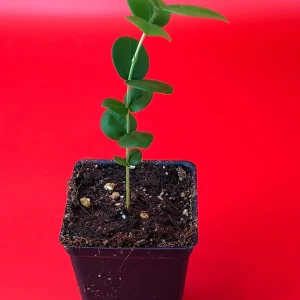
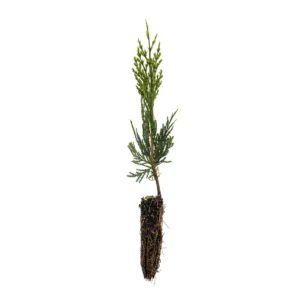
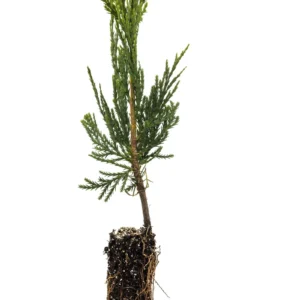
You are purchasing one pitangatuba star cherry fruit tree seedling, which measures approximately 3-6 inches tall (pot height is not included in this measurement). The plant comes in a 2.5-inch square pot, providing a healthy start for its root system. This eugenia selloi plant is an evergreen variety, offering continuous foliage throughout the year. The mature height of the Pitangatuba tree typically ranges from 5-10 feet (1.5-3 meters), making it a manageable size for many gardens or even larger containers. It can take 2-3 years for the tree to begin fruiting from the time of planting as a seedling, though some specimens may flower earlier. The fruits themselves can grow up to 7cm long and 5cm wide. Please note that trees grown from seeds are not genetically identical to the parent tree, leading to slight variations in fruit characteristics.
Frequently Asked Questions
- Q: How big does this plant get? A: This pitangatuba fruit tree seedling is currently 3-6 inches tall. At maturity, a eugenia selloi plant can reach a height of 5-10 feet (1.5-3 meters), making it a medium-sized tree suitable for many garden spaces or large patio pots.
- Q: Is this an indoor or outdoor plant? A: The pitangatuba star cherry fruit tree is primarily an outdoor plant suitable for USDA Zone 9 and warmer. In colder climates, it can be grown in a container and brought indoors during the cooler months to protect it from frost.
- Q: How much sunlight does it need? A: This plant thrives in full sun to partial shade. For optimal fruit production, aim for at least 6-8 hours of direct sunlight per day once the plant is established. Young seedlings may prefer a bit more shade initially.
- Q: Is this plant easy to care for? Is it good for beginners? A: While the Pitangatuba is not overly demanding, it does require specific conditions for best growth, particularly regarding temperature and watering. It’s suitable for beginners who are willing to provide consistent care and attention to its needs, especially during its establishment phase. Consistent watering and protection from cold are key.
- Q: What condition will it arrive in? A: Your pitangatuba star cherry fruit tree seedling will arrive as a live, healthy plant in its original 2.5-inch square pot. It will be carefully packaged to ensure its safety during transit and ready for you to acclimate and plant.
- Q: How long until it blooms and fruits? A: Typically, a pitangatuba fruit tree seedling will begin to flower and fruit within 2-3 years of planting. Some plants may flower earlier, even when quite small, offering a quicker reward for your gardening efforts.
- Q: Will it survive winter in my zone? A: This eugenia selloi plant is hardy in USDA Zone 9. If you live in a colder zone, you will need to provide winter protection, such as bringing the plant indoors or into a greenhouse, to ensure its survival during freezing temperatures.
- Q: What does the fruit taste like? A: The fruit of the Pitangatuba is known for its pleasant, acidic flavor with a thick, fleshy, succulent pulp. It is also quite aromatic, making it a delightful treat for fresh eating or culinary preparations like juices and jellies.
- Q: Do I need more than one tree for fruit production? A: Pitangatuba trees are generally self-fertile, meaning a single plant can produce fruit. However, having multiple plants can sometimes lead to increased fruit set due to enhanced pollination.
- Q: What kind of soil does it prefer? A: The pitangatuba star cherry fruit tree prefers well-draining soil that is rich in organic matter. A slightly acidic to neutral pH is ideal for healthy growth and fruit development.
Related products

-10%
Original price was: $80.99.$72.89Current price is: $72.89.
PLANTING & CARE
Growing Glencoe Raspberry: A Complete Guide for Gardeners
If you’re looking to add something unique to your garden, look no further than the
31
Mar
Mar

The Comprehensive Guide to Growing Bay Leaf Plants for a Flavorful Garden
Imagine stepping into your garden, greeted by the earthy aroma of fresh bay leaves, their
09
Feb
Feb

How to Make Comfrey Tea: The Ultimate Organic Plant Food
Growing an organic garden can be surprisingly expensive, especially when most store-bought fertilizers come in
02
Feb
Feb

True Comfrey: 7 Essential Tips Before You Plant This Herb
A staple in permaculture practices across the US, True Comfrey easily earns its reputation as
27
Jan
Jan

7 Heart-Shaped Plants for a Lasting Valentine’s Gift
If you’ve ever bought a bouquet of roses for Valentine’s Day, you know they are
26
Jan
Jan

Best Types of Ivy Plant for Houses: How to Choose the Perfect Ones for Your Home
Are you a garden lover looking to introduce some greenery into your home? Maybe you’ve
14
Nov
Nov

When to Harvest Garlic (Especially Fall-Planted Garlic)
TIMING IS EVERYTHING, they say – and for garlic, that truth hits with surprising accuracy.
13
Nov
Nov

11 of the Best Sweet Potato Varieties to Grow for Your Garden
If you’ve ever tried growing sweet potatoes, you know that picking the right variety can
12
Nov
Nov