Pomegranate Live Plant – 6-8in Tall, 4in Pot – Fruit Tree for Home Garden
-42%
Pomegranate Live Plant – 6-8in Tall, 4in Pot – Fruit Tree for Home Garden
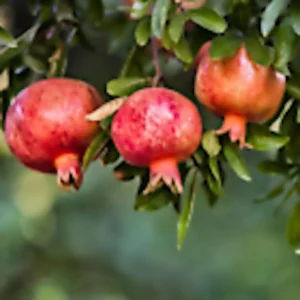
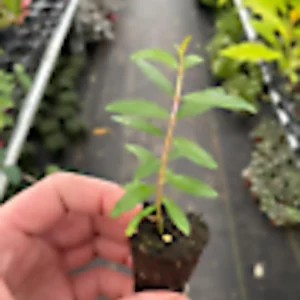
Bring the exotic beauty and delicious fruit of a pomegranate live plant into your home or garden. This healthy young tree, 6-8 inches tall and rooted in a 4-inch pot, is ready to thrive. Enjoy vibrant flowers and eventually, your own homegrown pomegranates.
Original price was: $30.98.$17.99Current price is: $17.99.

With our Alive & Thrive Guarantee, we’ve got your back for the first 30 days! If you have any concerns about your plants, just reach out to us. Our team is here to help answer your questions and guide you in selecting the best plants for your garden, climate, and unique preferences. We're excited to help you create the garden of your dreams!
Estimated arrival
Oct 21
Oct 26 - Oct 28
Oct 31 - Nov 04
Product Details
-
USDA Hardiness Zone
USDA zones 8-11 -
Soil type
Well-draining soil -
Sunlight Exposure
Full sun -
Expected Planting Period
Spring to early summer
Overview
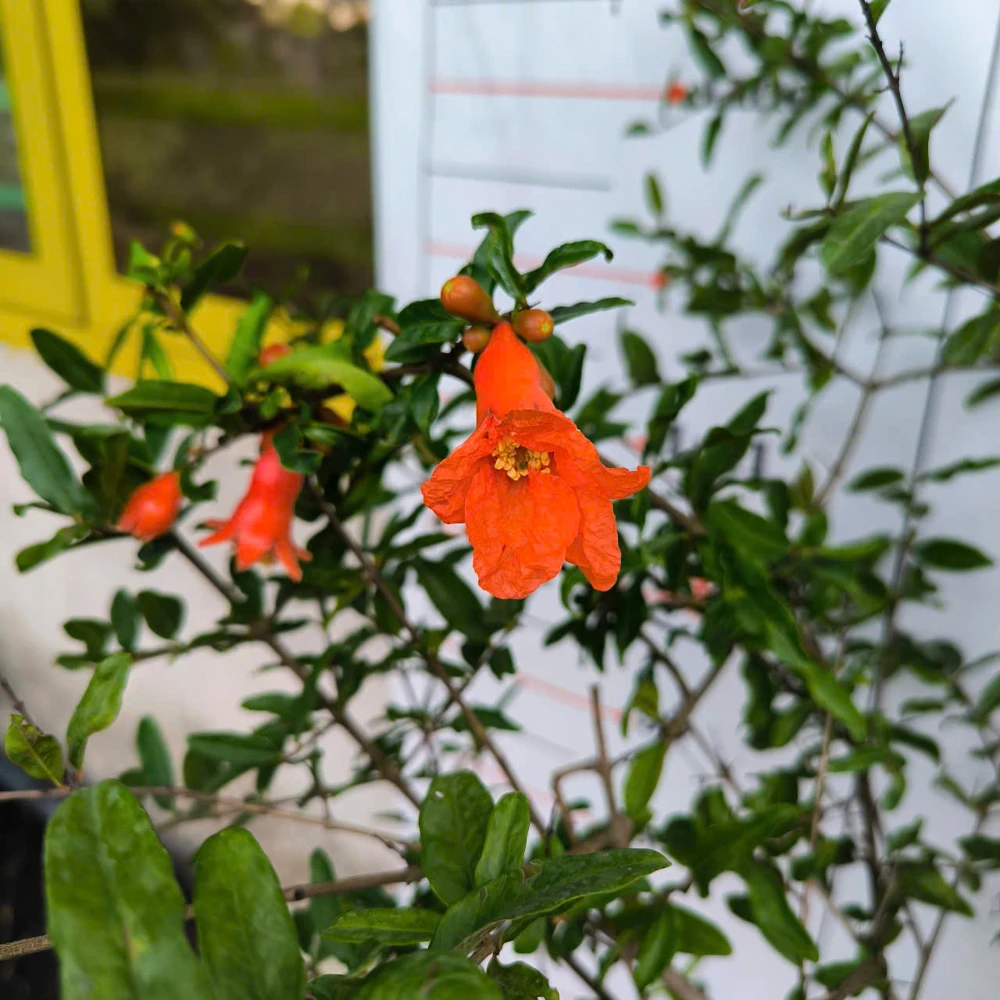
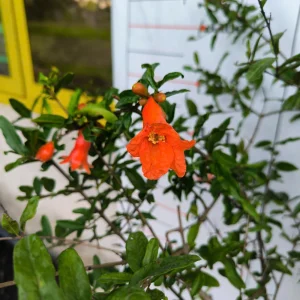
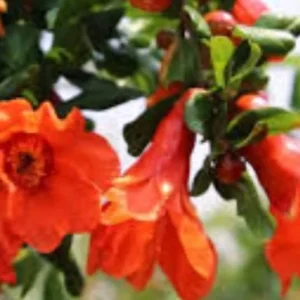
Introduce a touch of exotic elegance and a bounty of delicious fruit to your garden with our premium pomegranate live plant. This young, vigorous specimen stands approximately 6-8 inches tall and is meticulously rooted in a 4-inch nursery pot, making it perfectly sized for immediate planting in your garden or a larger container. Pomegranates (Punica granatum) are renowned for their stunning, trumpet-shaped red-orange flowers and their iconic, jewel-filled fruits. Originating from the Middle East and Asia, these resilient fruit trees are not only a source of nutritious and flavorful fruit but also add significant ornamental value to any landscape. Whether you dream of harvesting your own pomegranates for fresh eating, juice, or culinary creations, or simply desire a beautiful and unique addition to your outdoor space, this pomegranate live plant is an excellent choice. It offers the joy of growing your own produce combined with the aesthetic appeal of a productive fruit tree.
Our pomegranate live plant is carefully cultivated to ensure a strong start and healthy development. It’s an ideal option for both experienced gardeners and those new to growing fruit trees. With proper care, this young plant will mature into a productive tree, providing years of enjoyment and a bountiful harvest. The distinctive foliage and vibrant blossoms make it a focal point in any garden setting, attracting pollinators and adding a splash of color throughout the growing season. Begin your journey to fresh, homegrown pomegranates with this robust and beautiful plant.
Key Benefits
Growing a pomegranate tree offers numerous rewards, from aesthetic appeal to the satisfaction of harvesting your own fruit. Our pomegranate live plant provides a unique opportunity to cultivate a versatile and rewarding species.
- Delicious Homegrown Fruit: Enjoy the unparalleled taste of fresh pomegranates, rich in antioxidants and vitamins. Harvesting your own fruit ensures maximum freshness and flavor, far superior to store-bought varieties.
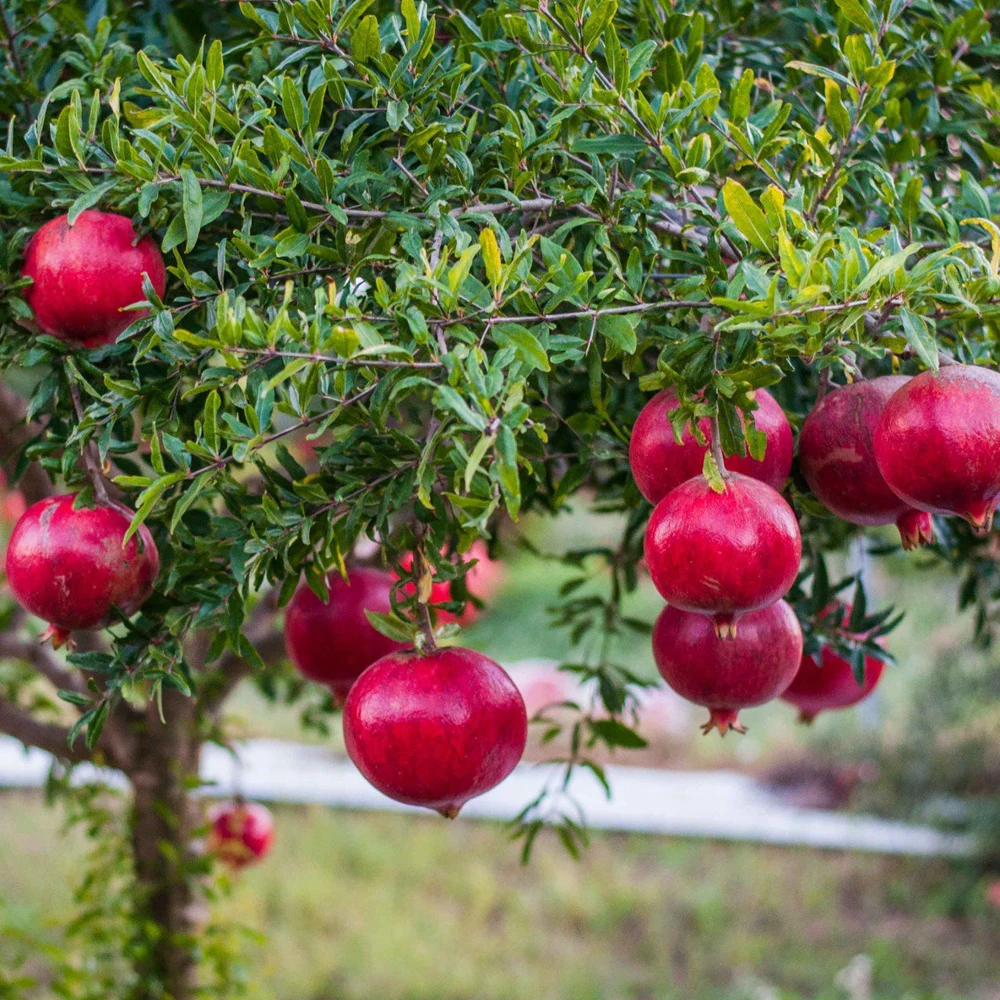
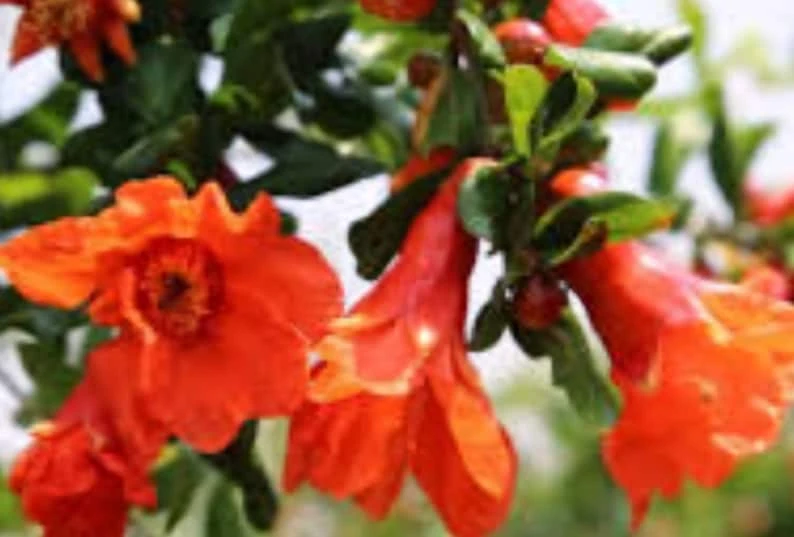
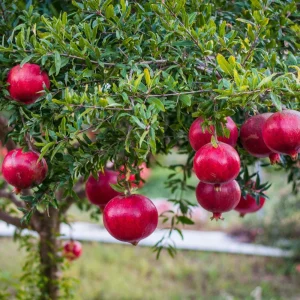
- Stunning Ornamental Value: Beyond its fruit, the pomegranate tree boasts beautiful, glossy green leaves, vibrant orange-red flowers, and attractive, round fruits, making it a captivating addition to any garden or patio.
- Drought Tolerance: Once established, pomegranate trees are remarkably drought-tolerant, making them a sustainable choice for many climates and requiring less water than many other fruit-bearing plants.
- Versatile Growing Options: Suitable for growing in the ground in warmer climates or as a container plant in cooler regions, allowing you to bring it indoors during winter. This flexibility makes it easy to grow pomegranate tree in various settings.
- Attracts Pollinators: The bright, showy flowers are a magnet for hummingbirds and bees, contributing to the biodiversity and health of your garden ecosystem.
- Long Lifespan: Pomegranate trees are long-lived and can continue to produce fruit for many decades, becoming a lasting legacy in your garden.
- Adaptable to Various Soils: While preferring well-draining soil, pomegranates are quite adaptable and can tolerate a range of soil types, simplifying planting and care.
Plant Care & Growing Tips
Caring for your pomegranate live plant is straightforward and rewarding, ensuring a healthy tree and an abundant harvest. Pomegranates thrive in warm, sunny environments. They require at least 6-8 hours of direct sunlight daily to produce the best fruit. In hotter climates, some afternoon shade can be beneficial to prevent scorching. When planting, choose a location with well-draining soil. While adaptable to various soil types, pomegranates prefer a slightly acidic to alkaline pH (6.0-7.0). If growing in a container, use a high-quality potting mix specifically formulated for fruit trees or a general-purpose potting mix amended with some sand or perlite to improve drainage. Ensure the pot has adequate drainage holes.
Watering is crucial, especially during the establishment phase and fruit development. Water deeply and regularly, allowing the top few inches of soil to dry out between waterings. Avoid overwatering, as this can lead to root rot. Once established, pomegranate trees are quite drought-tolerant, but consistent watering during dry spells will result in larger, juicier fruits. Fertilize your dwarf pomegranate plant in early spring with a balanced slow-release fertilizer or an organic fruit tree fertilizer. Follow the product instructions for application rates. Pruning is best done in late winter or early spring before new growth begins. Remove dead, damaged, or crossing branches, and thin out overcrowded areas to improve air circulation and sunlight penetration. This also helps shape the tree and encourages better fruit production. Protect young plants from hard freezes by covering them or bringing container plants indoors.
Common issues include aphids and whiteflies, which can be managed with insecticidal soap or neem oil. Monitor for fungal diseases like leaf spot, especially in humid conditions, and ensure good air circulation. With these simple care tips, your fruiting pomegranate will flourish and provide you with delicious fruit for years to come. Understanding pomegranate plant care is key to a successful harvest.
Size & Details
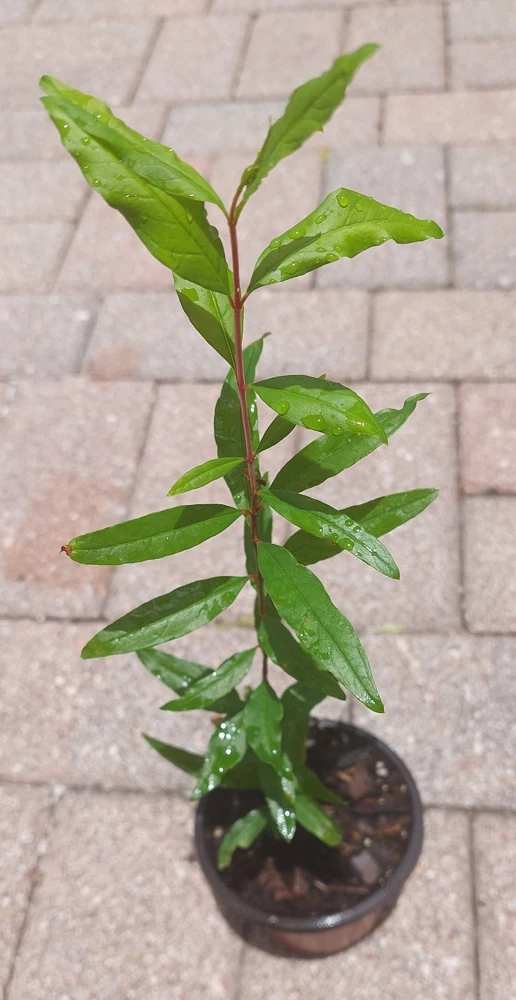
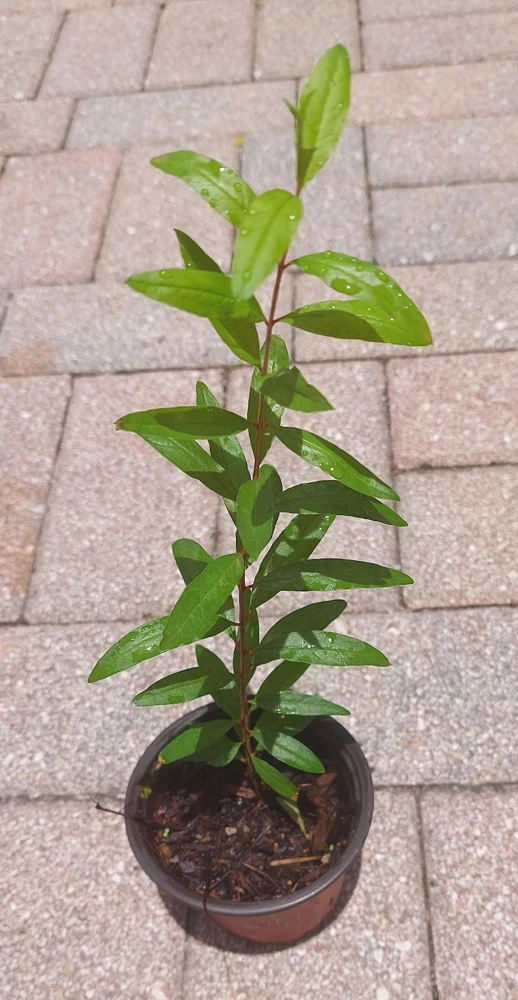
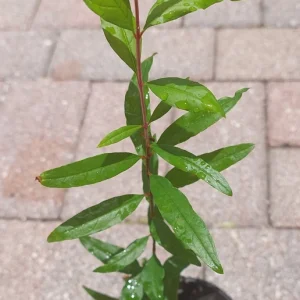
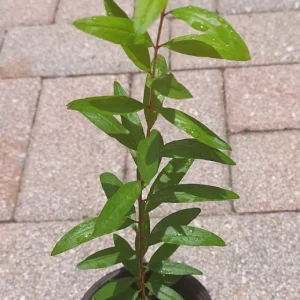
This offering is for one healthy pomegranate live plant, meticulously grown to ensure vigor and readiness for your garden. Each plant typically stands between 6 to 8 inches tall from the soil line, providing a good head start for growth. It comes securely rooted in a standard 4-inch nursery pot, complete with a robust root system, indicating its health and readiness for transplanting. Pomegranate trees are known for their moderate growth rate, often reaching heights of 10-20 feet at maturity if planted in the ground, though they can be kept smaller with pruning or when grown in containers. Expect your plant to begin producing fruit within 2-3 years, with peak production occurring after 5-7 years. The plant will arrive carefully packaged to minimize stress during transit, ensuring it reaches you in optimal condition, ready to thrive in its new home. Pomegranates typically bloom in late spring to early summer, with fruits maturing in late summer to fall, depending on your climate and specific variety.
Frequently Asked Questions
- Q: How big does this pomegranate plant get? A: This pomegranate live plant is currently 6-8 inches tall in a 4-inch pot. When mature, pomegranate trees can reach 10-20 feet tall, but they can be maintained at smaller sizes with regular pruning or by growing them in large containers.
- Q: Is this an indoor or outdoor plant? A: Pomegranates are primarily outdoor plants that thrive in full sun. In USDA Zones 8-11, they can be grown in the ground year-round. In colder zones, they can be grown in containers and brought indoors during winter to protect them from frost.
- Q: How much sunlight does it need? A: A pomegranate live plant requires at least 6-8 hours of direct sunlight per day to ensure healthy growth and optimal fruit production.
- Q: Is this plant easy to care for? A: Yes, pomegranates are relatively easy to care for, especially once established. They are drought-tolerant and adaptable to various soil types, making them a good choice for both beginner and experienced gardeners looking to grow pomegranate tree.
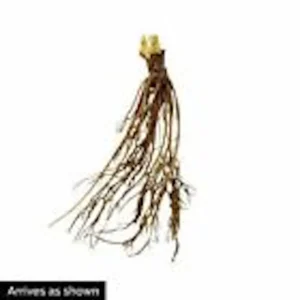
- Q: What condition will it arrive in? A: Your pomegranate live plant will arrive carefully packaged in its 4-inch nursery pot, with its root system intact and soil secured, ensuring it is healthy and ready for transplanting.
- Q: Can I use the fruit from this plant in cooking? A: Absolutely! The fruits from a fruiting pomegranate are excellent for fresh eating, juicing, making syrups, or adding to salads and various culinary dishes. You can explore many ways to use your homegrown pomegranates.
- Q: What’s the best time to plant this pomegranate? A: The best time to plant your pomegranate live plant is in spring or early summer after the last danger of frost has passed, allowing it ample time to establish before cooler weather.
- Q: Will it survive winter in my zone? A: Pomegranates are hardy in USDA Zones 8-11. If you live in a colder zone, you will need to protect the plant from freezing temperatures, either by covering it or by growing it in a container and moving it indoors for the winter.
- Q: What type of soil does a pomegranate prefer? A: Pomegranates prefer well-draining soil with a slightly acidic to alkaline pH (6.0-7.0). They can tolerate a range of soil types, but good drainage is essential to prevent root rot.
Related products
-20%
Original price was: $36.00.$28.80Current price is: $28.80.
-20%
Original price was: $34.00.$27.20Current price is: $27.20.
-10%
Original price was: $158.00.$142.20Current price is: $142.20.
-20%
Original price was: $60.00.$48.00Current price is: $48.00.
-20%
Original price was: $34.00.$27.20Current price is: $27.20.
-10%
Original price was: $158.00.$142.20Current price is: $142.20.
-20%
Original price was: $32.00.$25.60Current price is: $25.60.
-20%
Original price was: $32.00.$25.60Current price is: $25.60.
PLANTING & CARE
Lemon Tree Growing: Choose, Plant, and Harvest
Learn how to choose, plant, feed, and protect a lemon tree so it fits your
23
Sep
Sep
Dwarf Meyer Lemon Tree Australia: Climate Guide
Learn where dwarf Meyer lemon trees grow, how much cold they tolerate, and whether Australia,
Where to Buy a Dwarf Meyer Lemon Tree: Buyer’s Guide
Find the right dwarf Meyer lemon tree online or locally, compare starter sizes and costs,
Dwarf Meyer Lemon Tree for Sale: Buying Guide
Compare Meyer lemon tree sizes, prices, shipping limits, indoor growing and California options before you
Dwarf Meyer Lemon Tree Guide: Size, Care and Fruit
META: Learn how large a dwarf Meyer lemon tree grows, where it thrives, and how
How to Prune a Dwarf Meyer Lemon Tree
Learn when and how to prune a dwarf Meyer lemon tree, including tools, shaping cuts,
Can You Grow a Dwarf Meyer Lemon Tree in a Pot?
META: Learn how to grow a dwarf Meyer lemon tree in a pot, including container
When Do Dwarf Meyer Lemon Trees Bloom and Fruit?
META: Dwarf Meyer lemon trees usually bloom from winter through spring and may flower again